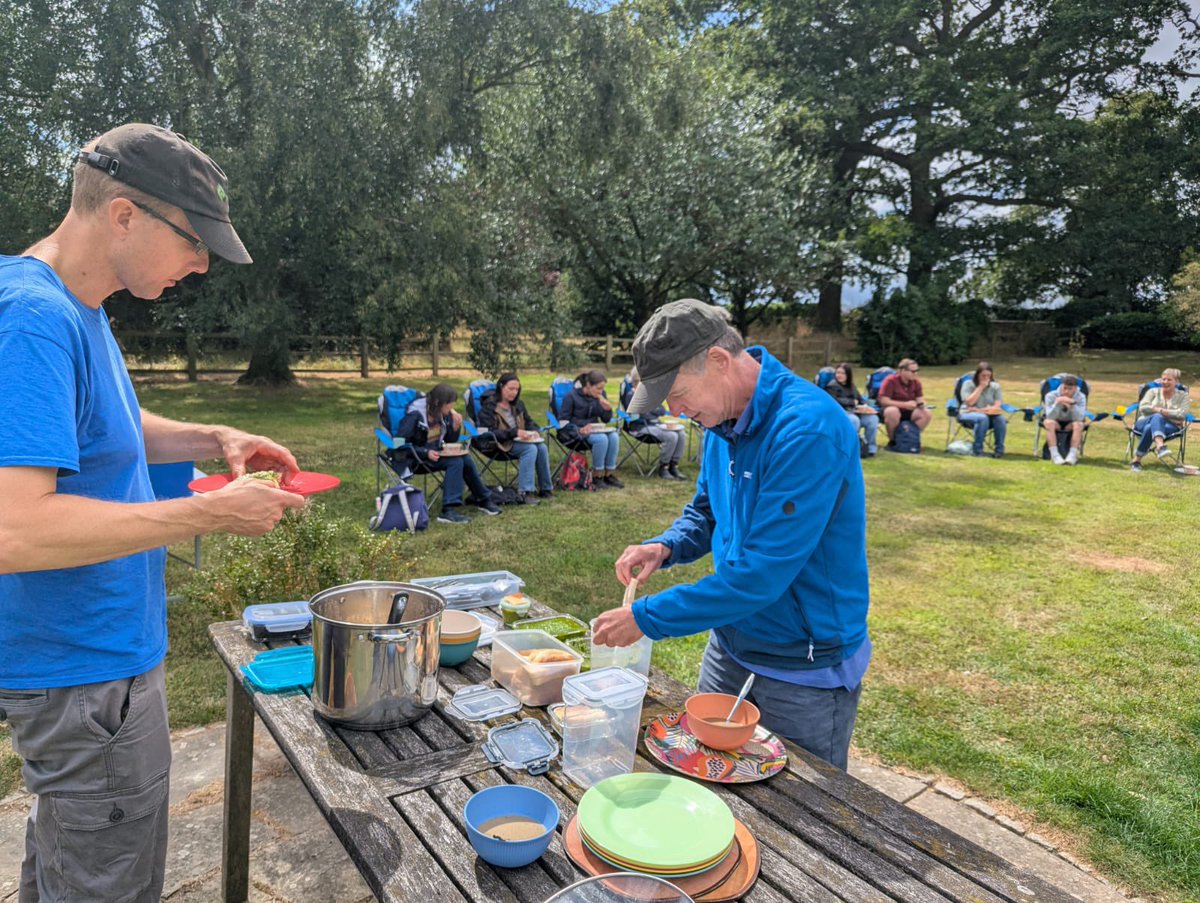
Here’s how to make my wild mushroom pâté - a simple recipe with no soy sauce or miso paste, just the mushrooms and butter beans, seasoned with some thyme, nutritional yeast and salt.
Not only delicious, but incredibly healthy too!
I stumbled upon The Miller mushroom (Clitopilus prunulus) and suddenly was faced with a beautiful Penny Bun / Porcini (Boletus edulis).
And it reminded me of the link they have and how The Miller is often a good “tell” that there may be Penny Buns in the area too!
Found some plums in the wild, enjoyed some fresh but thought I’d make “prunes” from the rest!
Great way to preserve them and use as a healthy snack or in baking.
I was running a corporate event down south this week and it was a delight to find a Hazel tree bursting with ripe hazelnuts! Here I share the best way to find and identify them, and how you can also harvest and eat them slightly underripe before the squirrels claim them!
How to find, identify and use Walnuts!
Did you know we have walnuts growing jn the UK? Often in plain sight in towns, village greens, parks, grounds of stately homes and gardens.
Here I cover how to find, identify and use them!
Wild food heaven in the hedgerows!
It always amazes me how much free food is growing in our hedgerows. Sometimes you can find quite a few edible goodies just walking a very short distance! And all this even during a drought!
Turn Blackberries into THIS - easy Fruit Leather!
Here I show you how to turn the glut of Blackberries we are enjoying here in the UK into a delicious fruit leather - nature’s natural chewy sweets!
Fruit leathers keep for months (if not longer) if stored well.
Wild Gooseberries are around from July to September, they are quite common in hedgerows but can be hard to spot. There are no toxic lookalikes.
I harvest all mine in July and August - I like to eat some raw and they are good for jams and desserts such as gooseberry fool!
Spotted some Rock Samphire on holiday recently and it reminded me of a great story about Rock Samphire which I share here in this video. The story serves as a reminder of how knowing about plants can often come in handy in ways you can never know or predict!
Wild strawberries are tiny but delicious- an intense strawberry flavour so much stronger than cultivated ones.
What’s less known is that you can eat the leaves too, and they are remarkably healthy - the leaves even contain more polyphenol antioxidants than the fruits themselves.
July is often cited as a lean month in the wild food foraging world, but in reality it would be more accurate to say “slightly less abundant” than spring and autumn.
The point is, July is still an incredibly abundant month with some of my favourite wild edibles!
It’s Wild Cherry season! Cherries are very good for you, containing anthocyanins which are powerful antioxidants.
So when cherries are in season, it’s so nice be able to eat them fresh from the tree for a few weeks, given the cost of a punnet from a supermarket!
This is Hemlock (deadly toxic) right next to Cow Parsley (safe to eat) with their leaves side by side and blending into one, showing how care is needed to ensure you pick and harvest safely with any wild plants.