@Afomyde009@christ4moi@dmightyangel You literally skipped where he said in lagos he lives differently but with them he lives as they do. He's literally talking about the family house. He has his own house.
"When I'm in lagos i live differently, when I'm there i live as they do, its a 6 bedroom flat"
This us what he said in the video, but this idiot gave it a different caption to make it look like obi is saying he lives in a 2 bedroom 😹😹😹😹
NIGERIANS, GO AND VERIFY (8)
TRANSFORMING COMMERCE, INDUSTRY AND INFRASTRUCTURE: BUILDING AN ECONOMY THAT WORKS
Peter Obi
I have always believed that economic development must go beyond the construction of roads and buildings. It must create opportunities, stimulate enterprise, support local industries, and improve the productive capacity of society. Government must not merely spend money; it must create the conditions that enable people and businesses to prosper.
When I assumed office in 2006, Anambra State already possessed enormous entrepreneurial energy. From Onitsha to Nnewi, Awka, and other commercial centres, our people had demonstrated remarkable ingenuity and enterprise. What was required was a government that could provide the infrastructure, institutional support, and enabling environment to harness this potential.
Under the Anambra Integrated Development Strategy (ANIDS), we therefore pursued a deliberate programme of commercial and industrial development, with particular emphasis on public-private partnerships (PPPs). Our objective was to modernise the business environment, attract investment, strengthen indigenous enterprises, and create employment.
Our approach was guided by a simple conviction: commerce must be supported by production, and industrial development must be supported by infrastructure. We could not continue to depend largely on buying and selling without deliberately creating the conditions for manufacturing, processing, and value addition.
MODERNISING COMMERCE: THE ONITSHA BUSINESS PARKS
Recognising Onitsha’s historical position as the commercial hub of the South-East, we initiated the First and Second Onitsha Business Parks. We wanted to provide organised, modern, and secure business environments capable of accommodating growing corporate and financial activities.
The parks attracted important financial institutions and corporate operations, including facilities for banks, alongside capital market operators and other businesses.
We also conceived the second phase of the Onitsha Business Village as a centre for information and communications technology-related activities. The intention was to move beyond traditional commercial arrangements and provide facilities that would accommodate emerging business opportunities and technology-driven enterprises.
Another initiative was the LG World-ANIDS project, conceived as a one-stop centre for electronic goods, services, and training. We wanted to connect commerce with technology, skills development, and modern business practices.
Our intention was to move commercial activities beyond the limitations of informal arrangements and provide the infrastructure necessary for modern corporate operations.
DEVELOPING HOSPITALITY AND TOURISM: AGULU LAKE RESORT AND PROTEA HOTEL
We also recognised that a growing commercial centre must have the hospitality infrastructure to support investors, business travellers, and tourists. A state that seeks to attract investment must be prepared to accommodate those who come to do business. This informed our conception of two important projects.
The Agulu Lake Resort was designed to harness the natural beauty and tourism potential of Agulu Lake, creating a destination for leisure, hospitality, and conferences. Beyond tourism, we saw the project as an opportunity to stimulate economic activities in the surrounding communities and create employment.
Similarly, the five-star Protea Hotel project in the GRA, Onitsha, was conceived as a public-private partnership to provide high-standard accommodation and hospitality services. We envisaged a facility that would serve investors, business travellers, and visitors while expanding the State’s hospitality infrastructure. Although the project was subsequently abandoned, its original conception reflected our determination to provide the facilities required by a modern commercial economy.
@Candace43424140@AntonioTweets2 Wrong, anyone working legally and paying taxes should get most benefits. Alot of citizens barely work and rely on benefits from the government, why should they get more than people putting in the work because they're citizens? The more you work, the more rewards you should get.
Leadership Beyond Identity: The Courage to Serve and Defend Humanity.
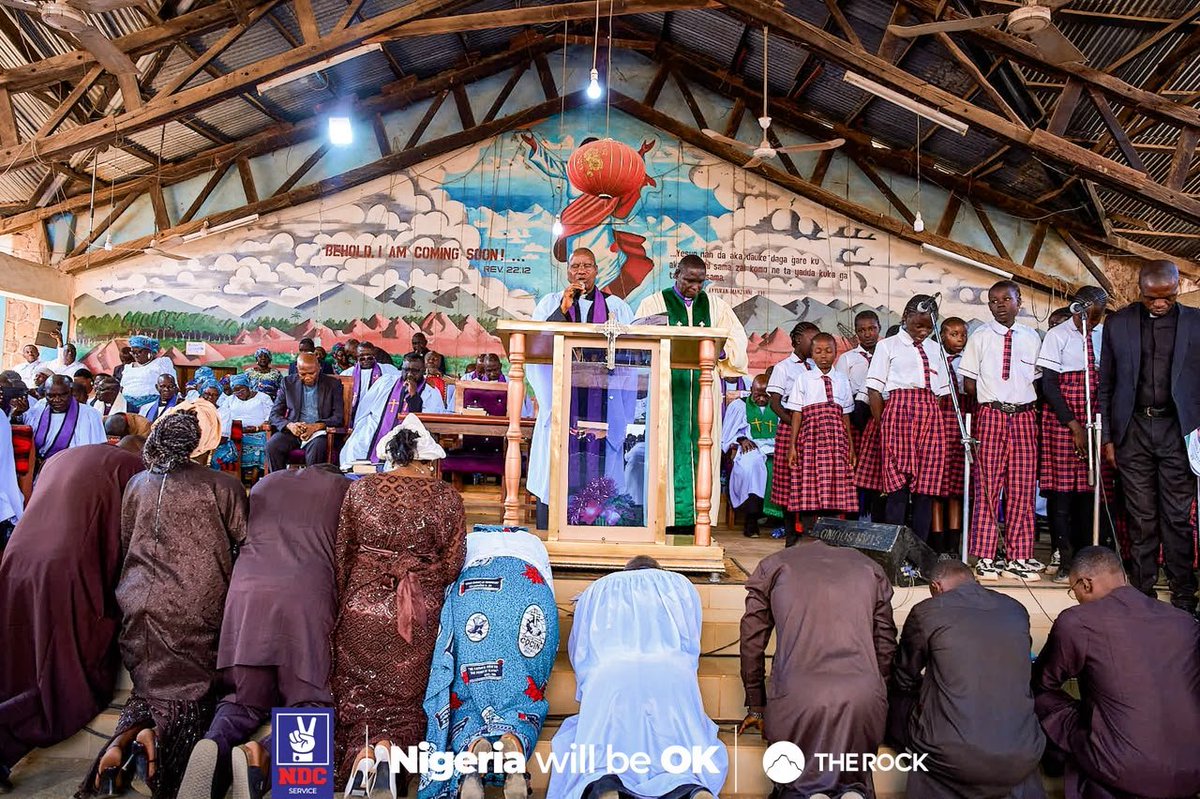
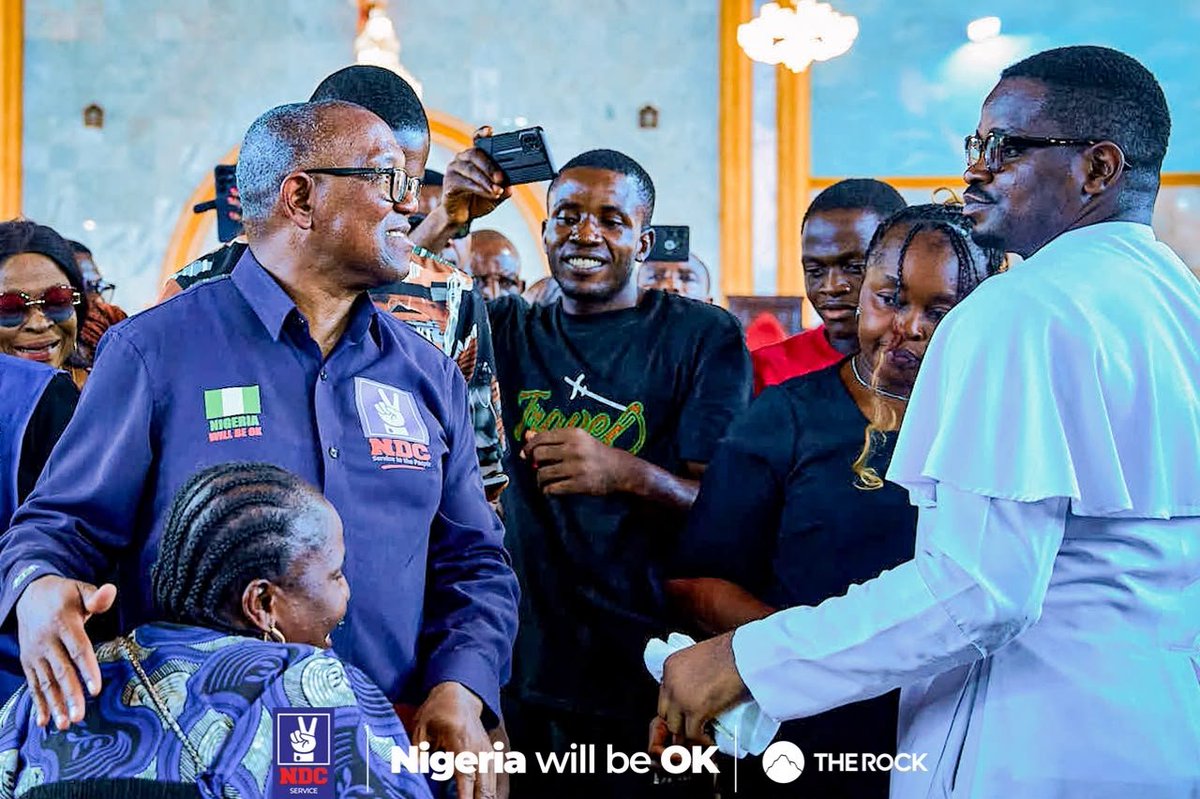
Yesterday, I was honoured to attend the retirement service of Reverend Ezekiel Dachomo in Plateau State. Although it was my first opportunity to meet him personally, I have long admired his courageous advocacy, his compassion for victims of violence, and his steadfast dedication to truth, justice, and the sanctity of human life.
Rev. Dachomo’s example reminds us that faith is expressed not only through what we profess in places of worship, but also through the courage to protect the vulnerable, challenge those in power with the truth, and uphold what is right, even when doing so is difficult or unpopular. The conclusion of formal service should not mark the end of one’s commitment to truth, justice, and humanity.
I also used the occasion to consider the leadership and choices Nigeria requires. Those who support me should not do so because I come from a particular tribe, belong to a particular religion, or benefit from personal sentiment. Their support should be based on my record, character, competence, and the principles I have consistently demonstrated in public service. Nigeria must move beyond identity-based politics and assess leadership according to the ability to deliver results, the integrity to account for public resources, and the compassion to serve those who depend most on government.
Our faith, ethnic identities, and political affiliations must never be used to divide us. Instead, they should reinforce our common humanity and our shared duty to create a nation in which every Nigerian, regardless of background, can live with peace, dignity, and opportunity.
I remain firmly convinced that Nigeria does not lack resources or potential. What we require is leadership that recognises public office as a responsibility rather than a privilege, and as a call to serve rather than an avenue for personal enrichment.
May God continue to strengthen Reverend Ezekiel Dachomo and all who, in their respective callings, remain steadfast in upholding truth, justice, and the dignity of every human being. May He also grant us the wisdom and courage to build the Nigeria we all deserve.
A New Nigeria is POssible. -PO
NIGERIANS, GO AND VERIFY (7)
LIFTING THE VULNERABLE : ANAMBRA’S BLUEPRINT FOR POVERTY ALLEVIATION AND SUSTAINABLE EMPOWERMENT (2006–2014)
Economic growth that does not translate into improved living conditions for ordinary citizens is incomplete. This is one of our fundamental concerns with President Bola Ahmed Tinubu's government. Development must ultimately be measured by its impact on human lives, particularly those of the poor and vulnerable. This was underpinned by the Anambra Integrated Development Strategy (ANIDS). We believed that infrastructure, education, healthcare, agriculture, and social protection must reinforce one another. Poverty was not merely a shortage of money; it was also a lack of access to opportunities, productive resources, and the basic conditions necessary for a decent life.
Our poverty alleviation strategy, therefore, went beyond temporary handouts. It focused on restoring dignity, creating economic opportunities, and equipping vulnerable citizens with the means to become self-reliant.
Our approach attracted recognition beyond Anambra. In May 2010, Magnus Kpakol, then National Coordinator of the National Poverty Eradication Programme (NAPEP), commended our commitment to poverty reduction, declaring: “We are prepared to support you in the excellent work you are doing in Anambra State.”
1. POVERTY MAPPING: KNOWING WHERE POVERTY LIVES
We recognised that poverty could not be effectively addressed without knowing where it was concentrated and what caused it. We, therefore, undertook a poverty-mapping exercise to identify the most deprived local government areas and communities.
The exercise revealed that some of our poorest communities were also important food-producing areas. Their challenges included poor access to markets, agricultural inputs, electricity, water, and other economic opportunities.
Areas including Anambra West, Orumba South, Awka North, and Ogbaru required particular attention. The findings informed our development priorities, enabling us to direct roads, agricultural support, and social interventions toward neglected communities.
2. EMPOWERING WOMEN, WIDOWS, AND COOPERATIVES
We recognised that rural women, widows, and indigent households bore a disproportionate burden of poverty. Across the 21 local government areas, we provided financial assistance and productive support to thousands of beneficiaries.
Our administration provided financial assistance to support the establishment and expansion of small businesses and farming activities. We also introduced revolving loan schemes to promote enterprise development, economic self-reliance, and improved livelihoods.
We distributed productive equipment, including sewing machines, generators, ovens, cookers, hair dryers, shoe-making machines, and welding equipment. The objective was to help beneficiaries establish sustainable livelihoods rather than remain dependent on government assistance.
We also promoted access to microcredit and cooperative financing to enable small entrepreneurs to expand their businesses, improve their incomes, and create employment.
Our philosophy was simple: rather than merely giving people money to survive today, the government should help them acquire the means to earn a living tomorrow.
3. AGRICULTURE AND FADAMA: MAKING RURAL COMMUNITIES PRODUCTIVE
Agriculture was central to our poverty-reduction strategy because many rural households depended on farming.
Through partnerships with the Federal Government, the World Bank, and other development partners, particularly under the FADAMA programme, we supported farmers with finance and productive assets.
In November 2009, our administration disbursed millions to FADAMA Community Associations across the state. By October 2010, the National FADAMA office was commending Anambra’s commitment. Its National Project Coordinator, Buka Tijjani, represented by Charles Ugwuona, described Anambra as the leading state in the programme.
ANAMBRA STATE : ADVANCING EDUCATION, ENERGIZING INDUSTRY AND SHAPING A NEW NIGERIA
After returning from an official working visit to the United States of America, I arrived in Onitsha, Anambra State, yesterday, 20th November 2026, to continue our nationwide series of town hall meetings.
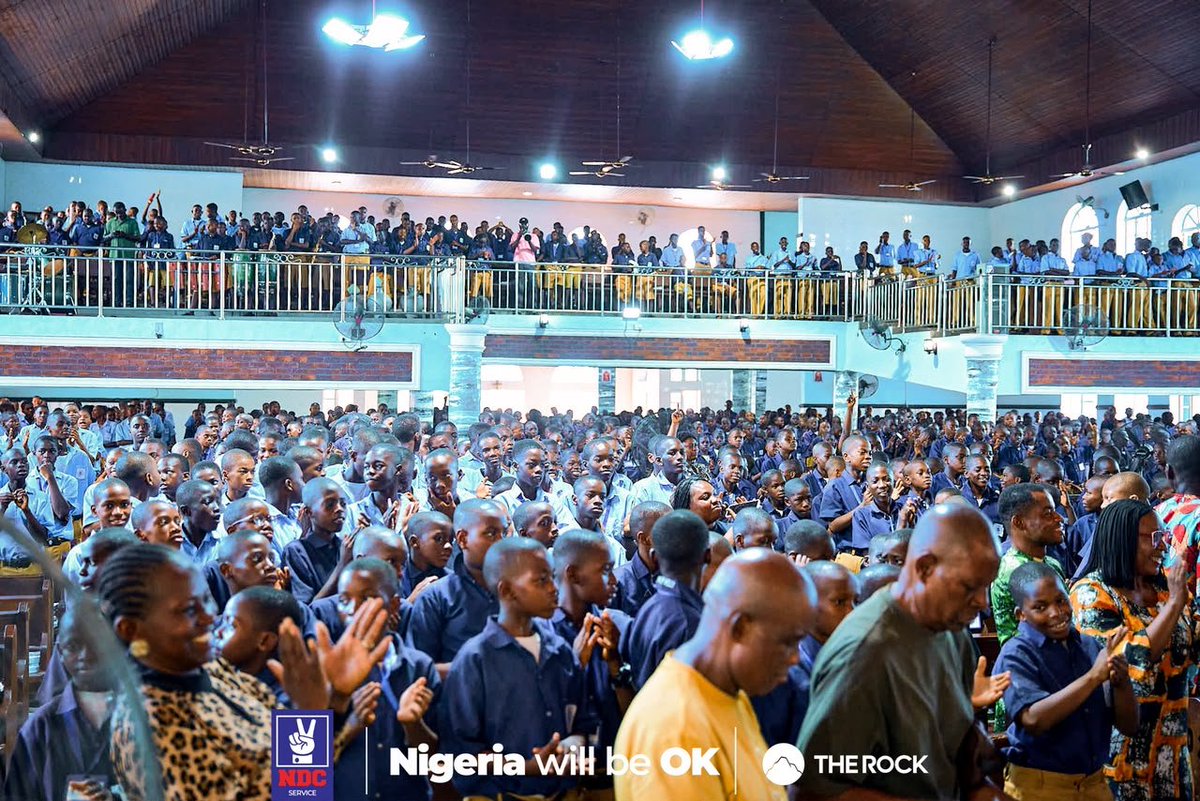
I began the day by visiting my alma mater, Christ the King College, Onitsha. Together with my friends, I am supporting the construction of a Teachers’ House to preserve the supportive teaching and learning environment for which the school is known. I commend the management and students of this distinguished institution for upholding its high standards.
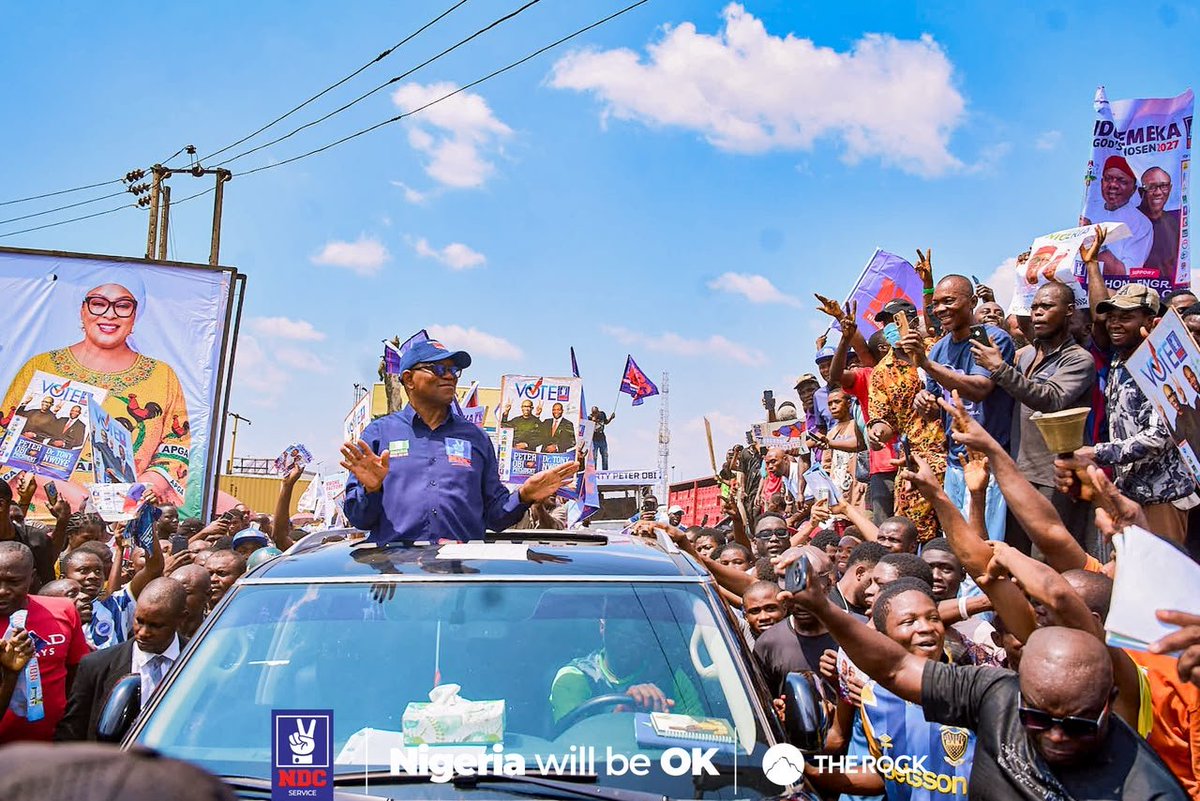
We then travelled through Head Bridge, Ochanja, and Main Market, engaging with workers, traders, drivers, and other hardworking Nigerians who are striving to earn a living despite the challenging economic conditions affecting the country.
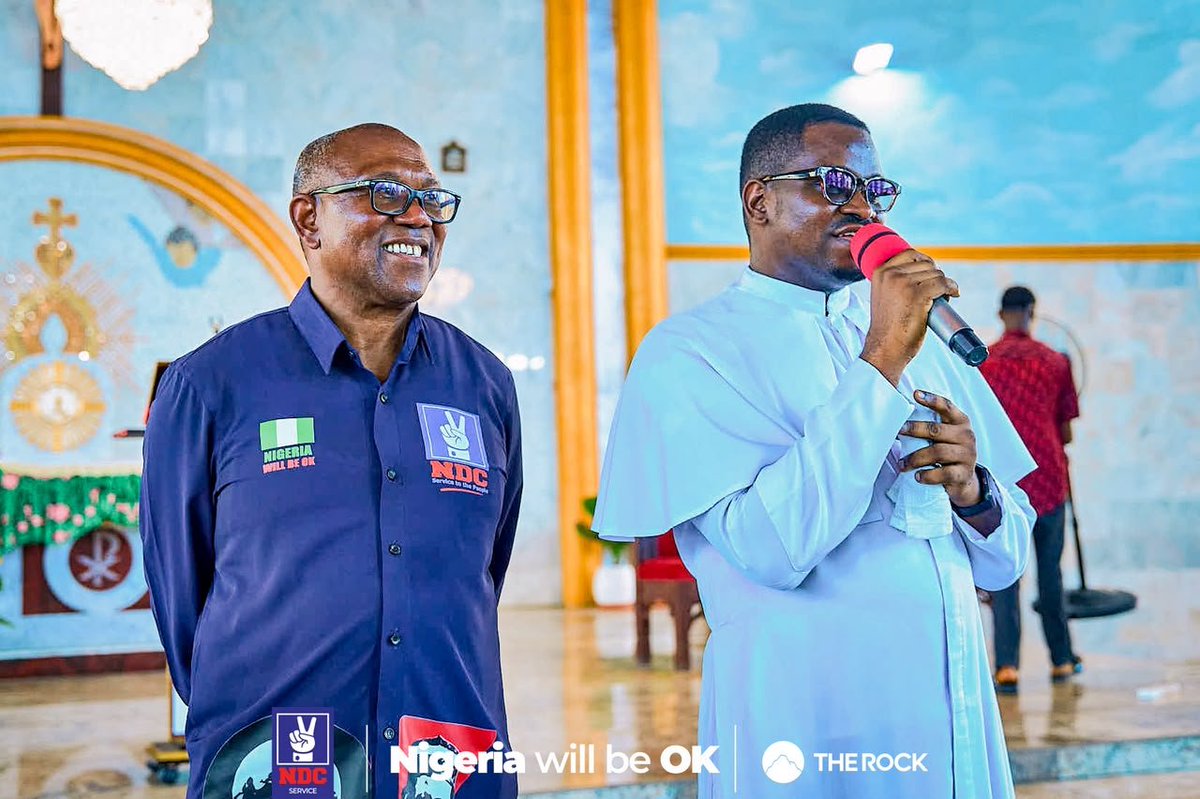
At the Archbishop C. J. Patterson International Auditorium Complex, Onitsha, where our town hall meeting took place, I reaffirmed the commitment of His Excellency, Senator Rabiu Musa Kwankwaso, and me to promoting national unity and taking decisive action to address the insecurity affecting many parts of Nigeria.
I also assured our numerous supporters and well-wishers of our determination to generate, transmit, and distribute at least 10,000MW of electricity to drive production and revive the country’s major industrial centers.
We also underscored our key priorities, especially substantial investment in education through the construction of at least 40,000 additional classrooms and the recruitment of the necessary number of teachers nationwide to tackle the problem of out-of-school children.
In the healthcare sector, we are committed to building at least 10,000 fully operational primary healthcare centers, with at least one located in every ward nationwide, thereby reinforcing the foundation of healthcare delivery in Nigeria.
These initiatives, together with other purposeful investments and policies, will contribute to our efforts to expand productive capacity and lift our people out of poverty.
I express my gratitude to the good people of Anambra State for their warm welcome and hospitality. I also commend our party leaders and members for their continued commitment and hard work in advancing the ideals of our party and engaging with our supporters.
NDC ka’ ma!
A New Nigeria is POssible, and Nigeria will be OK!
-PO
CHRIST THE KING COLLEGE, ONITSHA: CELEBRATING MY HERITAGE AND ENCOURAGING THE NEXT GENERATION
Each year, my alma mater, Christ the King College (CKC), Onitsha, invites me to its celebration of the Feast of Christ the King, scheduled for this Sunday, November 22. Although my demanding campaign schedule will prevent me from attending this year's ceremony, I made a brief visit to the school today while on my way to engage with traders and residents of Onitsha.
It was a warm and memorable visit, and I was graciously received by the School Administrator and Senior Prefect. In my interaction with the students, I emphasised the importance of education, urged them to remain focused and dedicated, and reminded them that Nigeria's future President could emerge from among them.
I also inspected the newly constructed Teachers' House, a project I facilitated with the support of friends to strengthen the school's teaching and learning environment.
CKC remains an enduring part of my life's journey, having shaped my values, discipline and sense of responsibility. I remain grateful for this lasting bond.
Wherever life takes us, the values of our alma mater remain with us. CKC will forever be home. -PO
@olamijae5@Nwaiwu_Fidelis@deluxe_pastor@StatiSense We were heading in the right direction before APC created propaganda and problems that chased pdp away. They took over and have tripled those problems. Things they protested for under pdp, they're currently doing way worse but they're building concrete roads so that's fine..
@olamijae5@Nwaiwu_Fidelis@deluxe_pastor@StatiSense Concrete road? That's it? Nigerians are way much poorer now under APC than they were under the "evil pdp" but you're here talking about concrete road? CONCRETE ROAD GUY?????? Omo nawa o😪😪
NIGERIANS, GO AND VERIFY (1)
Introduction: Governance as a Public Trust
Peter Obi
When I took office as Governor of Anambra State, our beloved state was at a critical juncture. Leadership had become increasingly disconnected from the people, and many of the essential institutions needed to support a modern society were weak, ineffective, or absent altogether. We understood that governance could not continue according to established habits. It needed to be reconceived as a solemn public trust founded on transparency, prudence, accountability, and demonstrable results.
Our governing philosophy rested on four principles: character, competence, capacity, and compassion. We understood that leadership was not a platform for self-promotion, political slogans, or the pursuit of personal acclaim. Its purpose was to improve the circumstances of ordinary citizens. It meant converting public resources into concrete benefits and ensuring that government’s foremost responsibility was to serve the people. Achieving this demanded more than good intentions; it required a clear vision, careful planning, and disciplined execution.
Among our earliest findings was that the state lacked a unified development plan to direct its priorities and determine how resources should be allocated. We therefore promptly created the Ministry of Economic Planning to establish the institutional foundation for deliberate, coordinated, and sustainable development. After completing the necessary groundwork and consultations, we launched the Anambra Integrated Development Strategy (ANIDS).
At that time, the Millennium Development Goals (MDGs) were being pursued worldwide across eight clearly defined priorities: eliminating extreme poverty and hunger; achieving universal primary education; advancing gender equality and empowering women; reducing child mortality; improving maternal health; combating HIV/AIDS, malaria and other diseases; promoting environmental sustainability; and fostering a global partnership for development.
We adopted ANIDS as our overarching development philosophy and strategic framework for advancing these objectives, tailoring them to the distinctive circumstances, needs and development priorities of Anambra State. Instead of viewing the MDGs as remote international benchmarks, we worked to convert their aims into practical policies, programs and measurable results that would produce tangible improvements in the lives of our people.
We also undertook a deliberate effort to redefine the state’s identity, changing its public image from ‘Home for All’ to ‘The Light of the Nation’. This was not merely a change in slogan; it reflected our resolve to restore public confidence in government, renew civic pride and show that Anambra could serve as a model of purposeful leadership and development.
The ANIDS Blueprint: A Comprehensive Framework for Development
ANIDS served as the foundation for our commitment to broad-based and balanced development. We did not accept the idea that government could focus on a single sector while leaving others behind. We recognized that education, healthcare, infrastructure, security, agriculture and capable public institutions were mutually dependent. Advancement in one area could not be sustained without commensurate progress elsewhere. Accordingly, we pursued development across every sector, guided by defined priorities, disciplined planning and prudent stewardship of public resources.
Central to this vision was the restoration of the dignity of the Anambra person. We understood that dignity could not be restored through rhetoric alone. It was evident in the condition of roads and other infrastructure, the availability of healthcare, the quality of education, the performance of public institutions and the way government treated its workers, pensioners and traditional institutions.