If your work never goes beyond what is written, your work can be replaced by anyone who can read. Value begins where imitation ends and creation begins.
Develop a theory. Derive a prediction. Measure the fit. Revise and repeat. The method is simple enough to state in a sentence, yet difficult enough to occupy all of science. Mathematics is the bridge between imagination and reality, and prediction is the test
All AI hardware—CPU, GPU, TPU, NPU, LPU, and DPU—can work together to process information faster and more efficiently. But if the data itself is an incomplete or blurry representation of reality, uncertainty can never be fully eliminated. More compute improves processing
There is only one path that offers a genuine chance of long-term success, even with inevitable mistakes: applying the scientific method. Form hypotheses, test them with data, measure results objectively, and continuously refine the process.
Many traders and market participants around the world spend their days staring at charts and reacting to news, trying to anticipate how markets will respond to the latest information. In my humble opinion, that approach is fundamentally flawed. Sooner or later, most will fail
In volatility forecasting especially, you're not really predicting the exact future return. You're often trying to avoid being catastrophically wrong about uncertainty itself
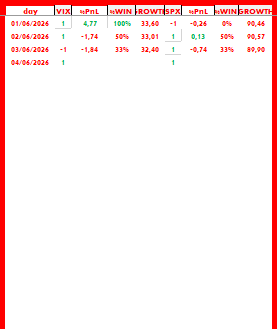
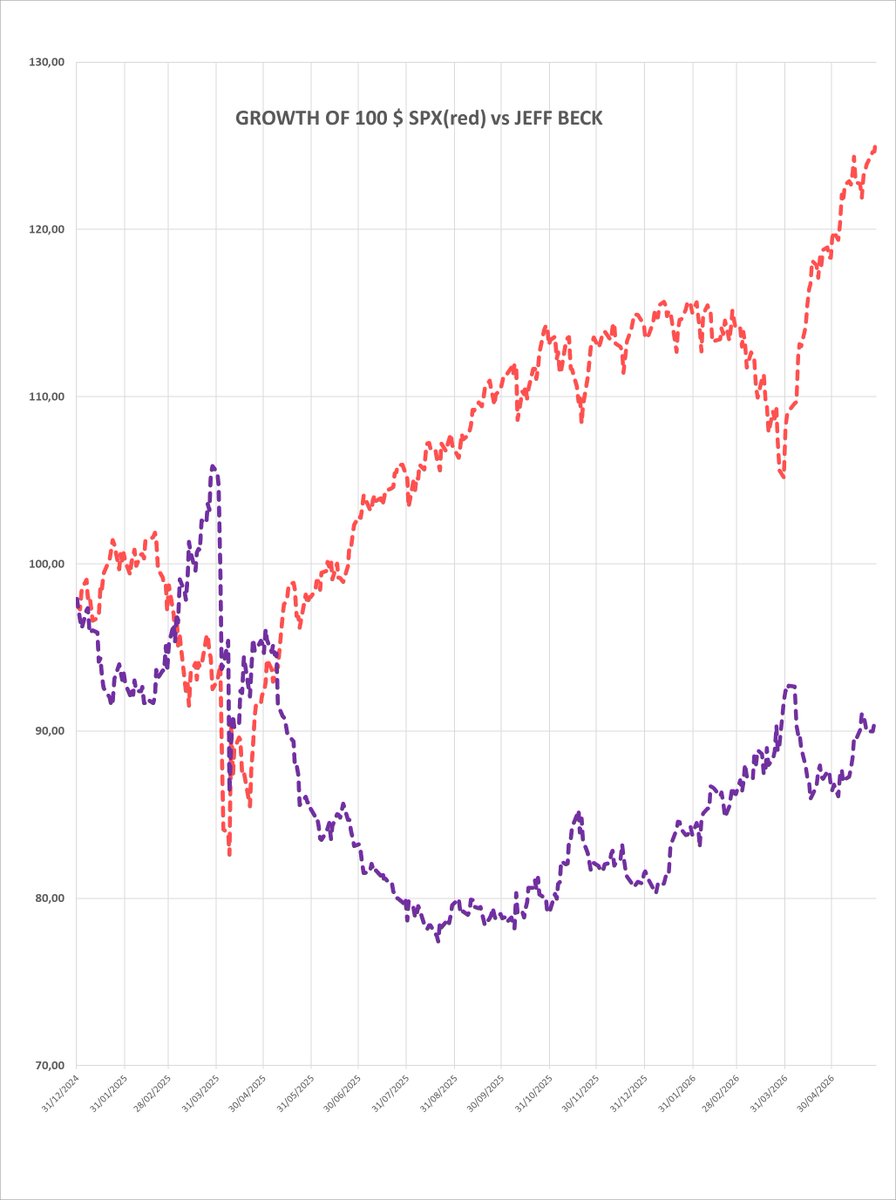
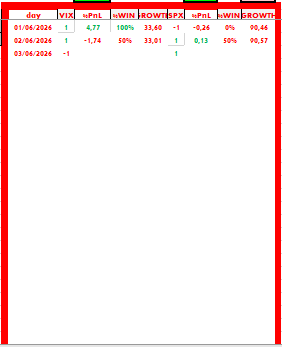
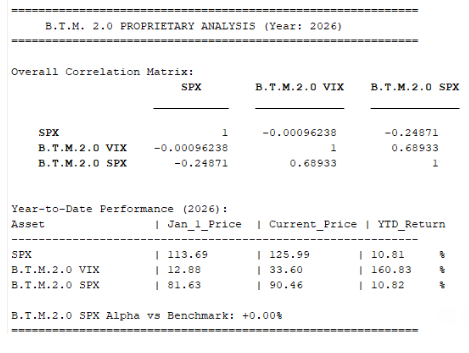
BTM 2.0’s algorithm is progressing well, steadily building confidence through iterative learning. While improvements are evident, it remains a work in progress, with a long path ahead to validate long-term robustness.
volatility forecasting is not generally more related to the Poisson distribution than to return distributions, but event-based models using Poisson-like processes provide an alternative and sometimes deeper explanation for where volatility comes from