Prescribed burning for lightly managed boreal moorlands produces impacts on peat and C accumulation rates that are not as bad as is widely thought.... new paper.....
https://t.co/1kzbohGAbc
New research by @robmarrs1 @rchiverrell has found that prescribed burning, a controversial technique where fires are intentionally used to manage vegetation, is not as damaging to peat growth as previously thought
https://t.co/cavSn5IFD6
Just accepted in Quaternary Science Reviews, the first fire-history record to discuss fire frequency from natural spruce-beech temperate forests in the Šumava Mountains, central Europe. Check it out!
https://t.co/6KzWt1Rlvh
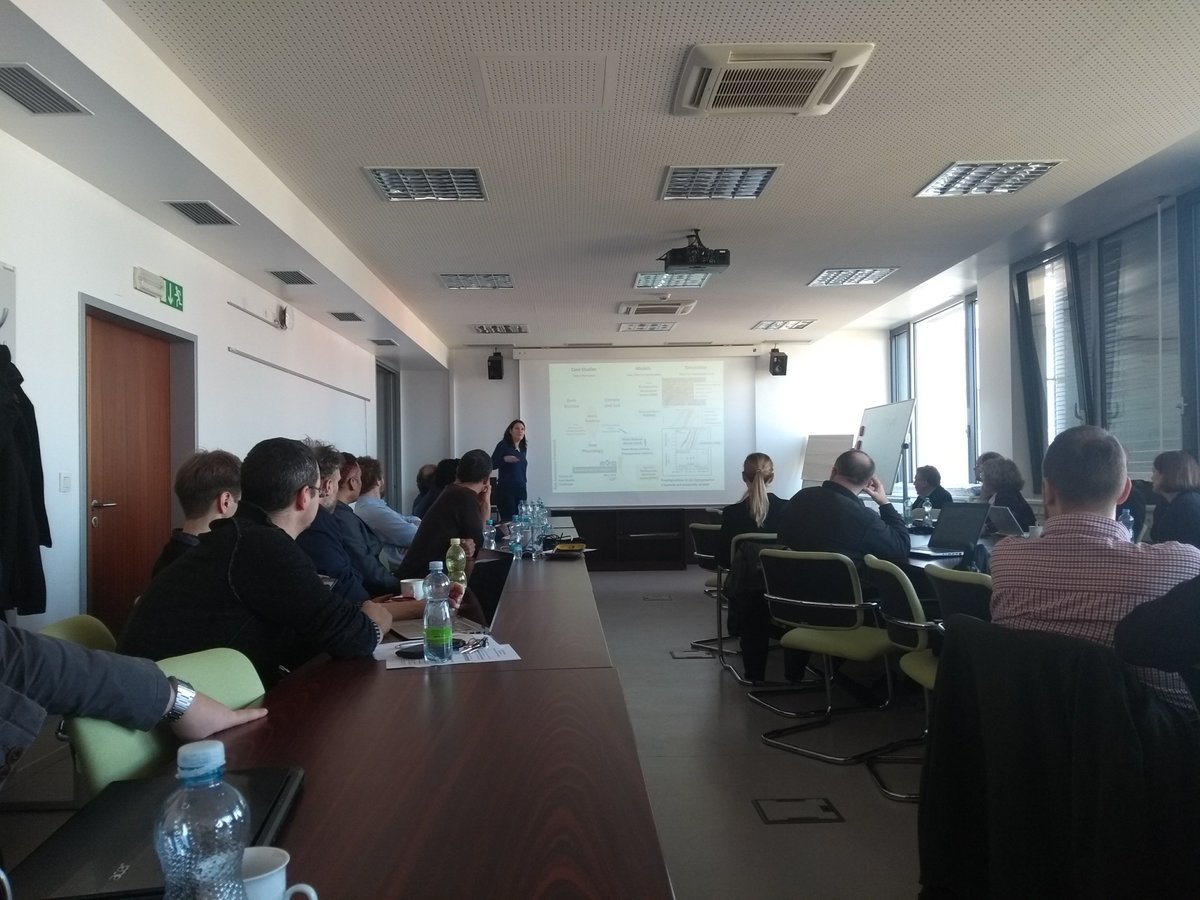
Nice mini-symposium of Extemit-K, a large collaboration of @FLDCZU and other universities in Europe to mitigate the impact of climate change to forest. Great to see talks of (a.o.) Sigrid Netherer @BOKUvienna and Miroslav Svoboda @FLDCZU . And, inspiration for @ForestDynamics
IPA-IAL 2018 Unravelling the Past and Future of Lakes - abstract call is open see our session. Session 6 Nutrient cycling and fluxes in lakes and their catchments: linking process and paleorecord... all welcome @JohnBoy29625450 @livunigeog@paleolim https://t.co/xoFgE8mFGv
Join the new @PAGES_ECN developed by Early-Career Researchers for Early-Career Researchers. The aim of the network is to facilitate the exchange of ideas and skill sets that will provide the tools necessary for Early-Career Researchers to excel in their fields. Join today! https://t.co/v3oKcYzsYA
The Global Paleofire Working Group 2 discuss new opportunities for charcoal-based fire history reconstructions in a paper published today in the first issue of Fire. Written by Julie Aleman et al. it is a product of the meeting in Montreal, Canada, in Oct: https://t.co/QqksGYtXWo
Just accepted in Frontiers in Plant Science, our research utilizing quantitative palynology to inform conservation management. Check it out!
https://t.co/izGkYqeENk
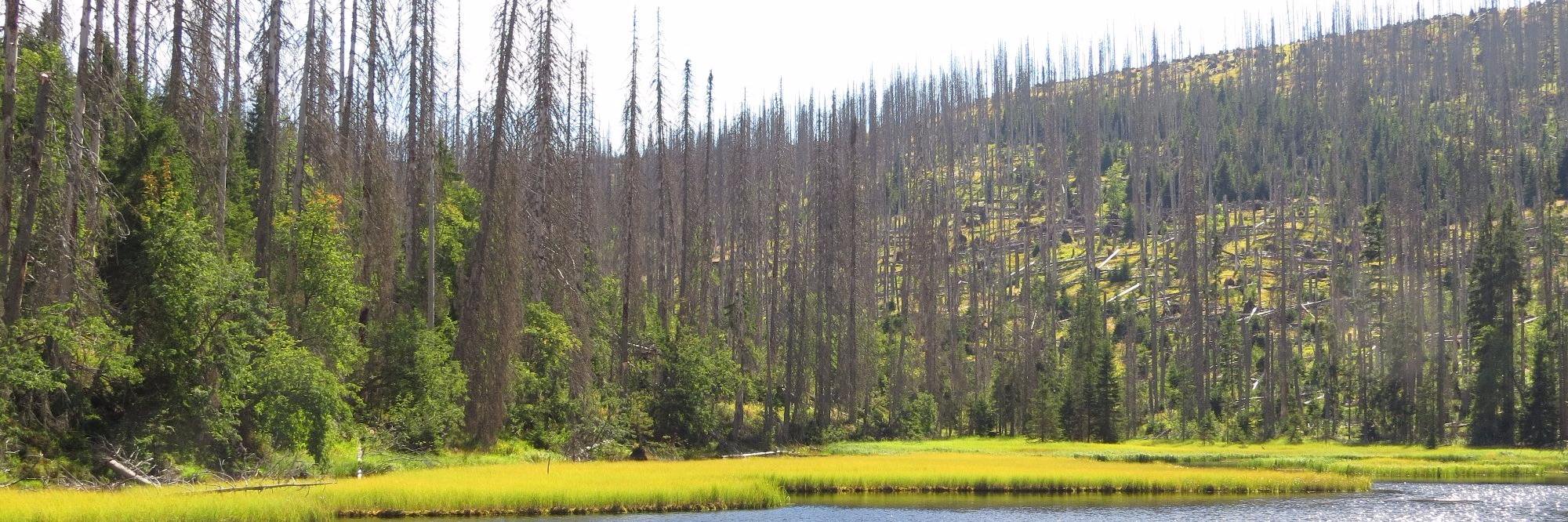
Paper published yesterday by @jesselmorris3 et al. (resulting from PAGES-supported workshop) investigates the impacts of recent bark beetle outbreaks to encourage knowledge transfer from past affected communities to future vulnerable locations: https://t.co/Xs6jpoAfqo
Cool new paper by @jesselmorris3 et al. synthesizing social-ecological impacts of recent bark beetle outbreaks to transfer knowledge from communities previously impacted by bark beetles to potentially more vulnerable areas
https://t.co/9ZZnyD2LXe
@FranRowney@ForestDynamics@NMAPlymouth @JacquelynGill Will depend on stocking levels too - but in UK sheep/goats change woodland more than native grazers cattle/pigs/deer (unless v overstocked)