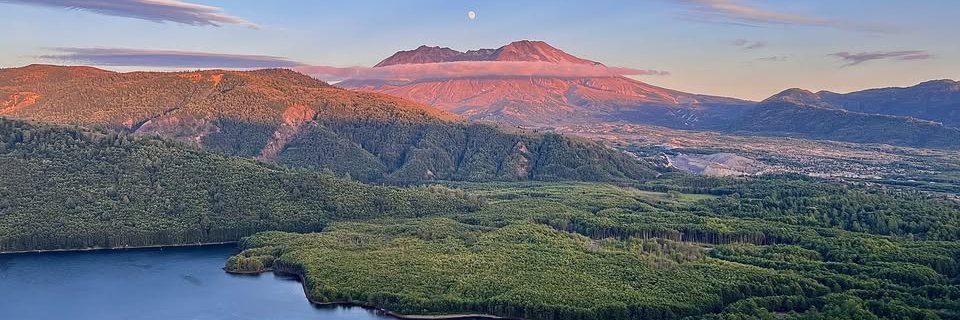
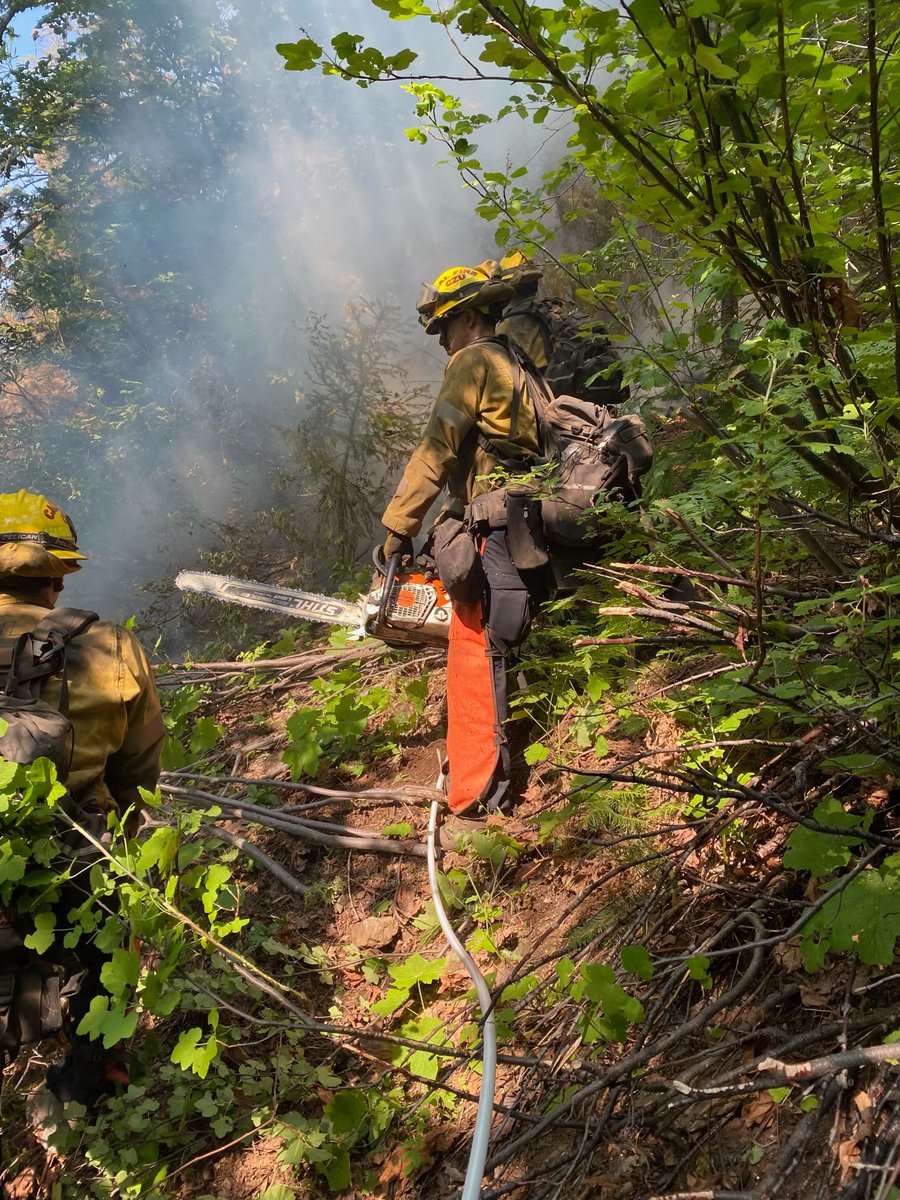
Pacific Northwest Region of the Forest Service has some of the most breathtakingly beautiful areas on Earth ranging from grasslands to lush forests & beaches.
After 44 days at Preparedness Level (PL) 5, the Northwest has decreased to PL4, but fire season is far from over. You can help by continuing to take steps to prevent wildfires. Know Before You Go. Recreating in a recently burned area? Stay alert for hazards.
A low pressure weather system could bring dry lightning to the central Washington Cascades. Very dry fuels with lightning increase the risk of fire potential. Resources are prepositioned for anticipated initial attack. You play a critical role in preventing wildfires.
A new Pacific Northwest Fuels and Fire Behavior Advisory has been issued by NWCC Predictive Services in conjunction with state and federal partners effective August 25, 2026.
Full advisory can be viewed here: https://t.co/5k9fowTDQq
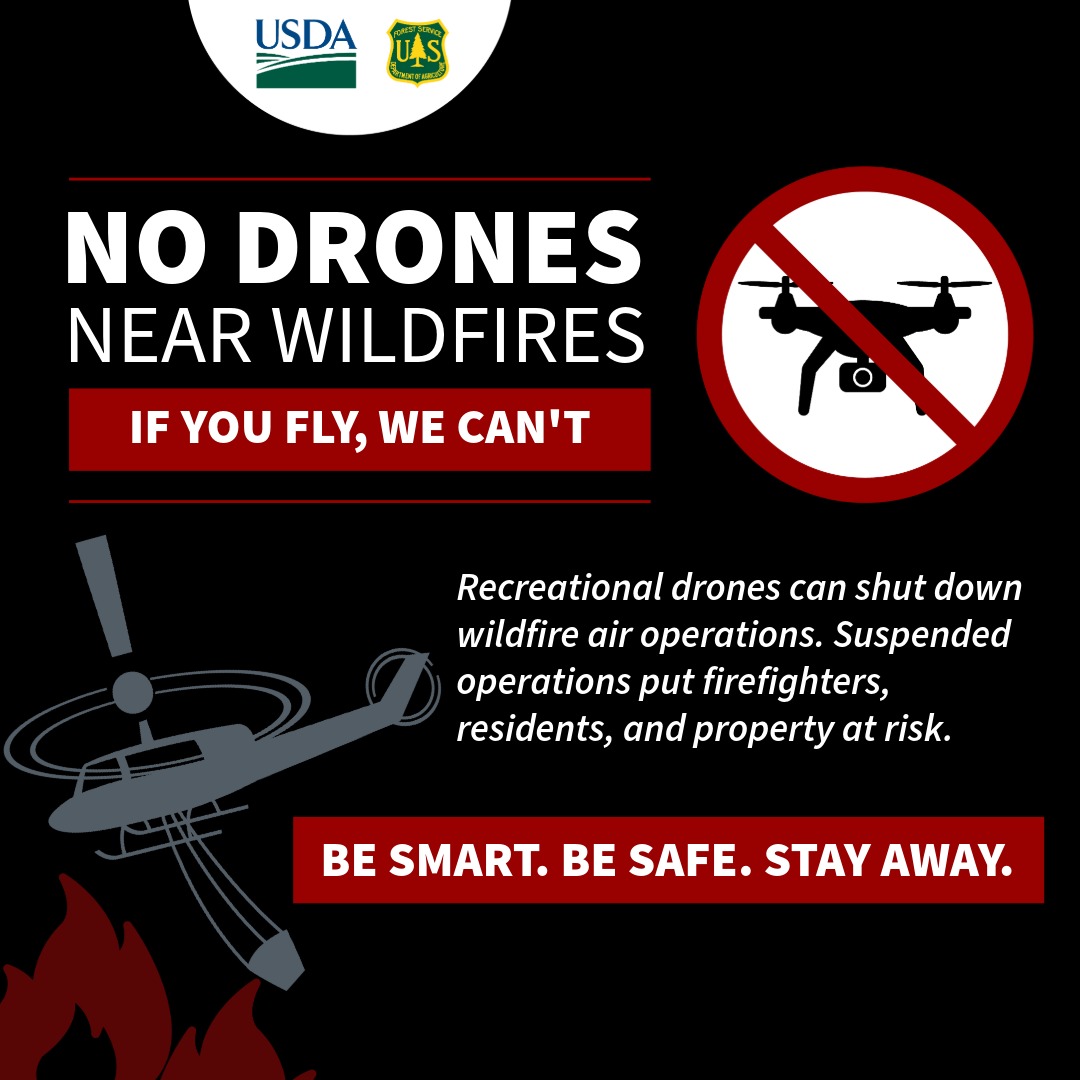
Drone pilots: Wildfires are a #NoDroneZone!
Drones can force firefighting aircraft to land, delaying critical response efforts and allowing fires to grow. Violators may face significant fines and criminal prosecution. Always check TFRs before you fly: https://t.co/Rer01lrBqO.
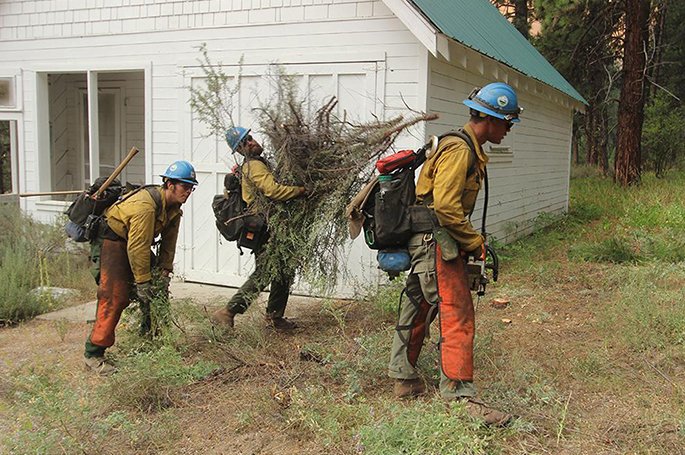
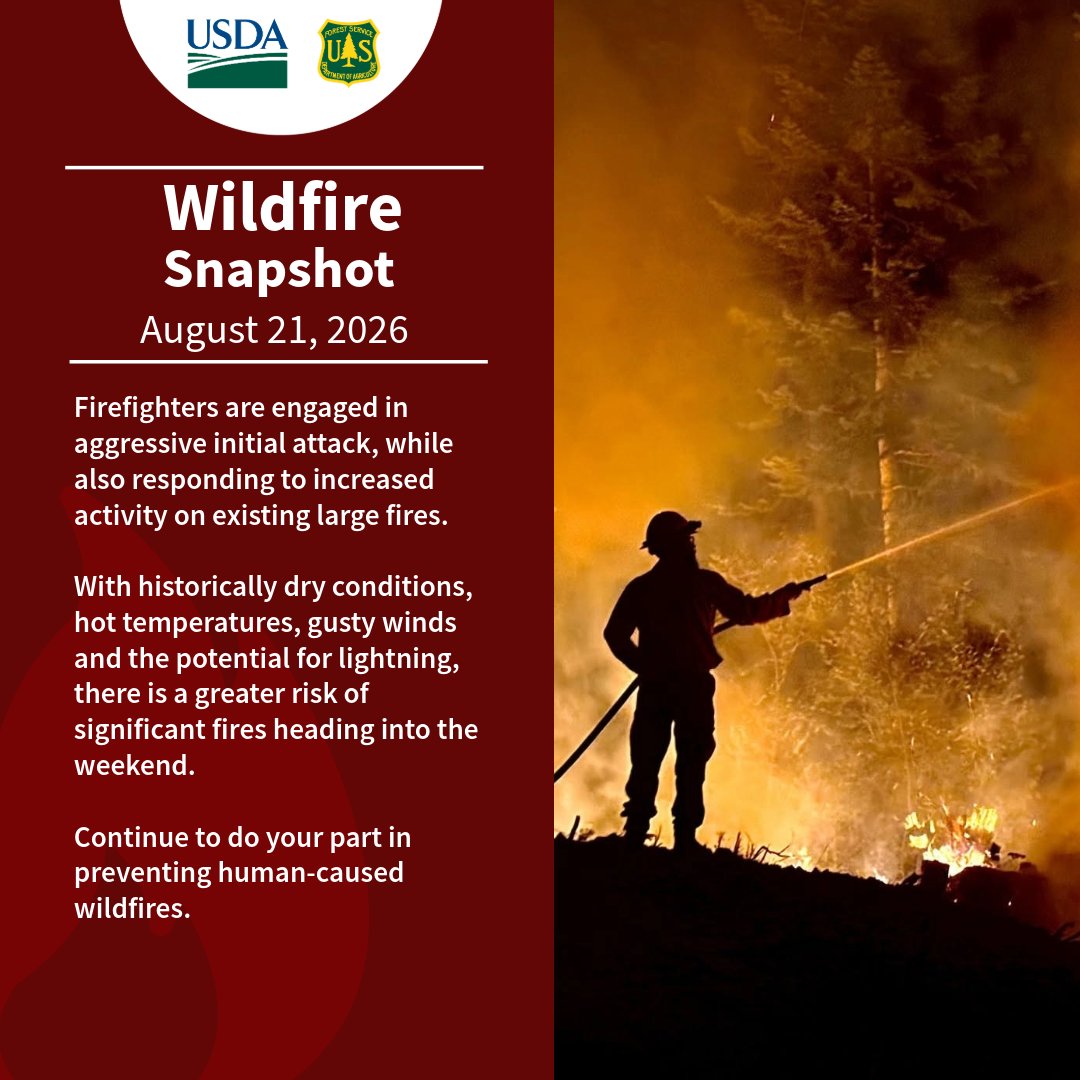
Firefighters are engaged in initial attack & responding to increased activity on existing large fires.
Dry conditions, hot temperatures, gusty winds & potential for lightning; there is a greater risk of significant fires.
Do your part in preventing human-caused wildfires.
Isolated thunderstorms are forecast this week followed by warmer, drier conditions.
Holdover fires are anticipated from over 1,000 lightning strikes that recently occurred across OR and WA.
Stay alert and help prevent fires by avoiding activities that can ignite dry fuels.
New Pacific Northwest Fuels and Fire Behavior Advisory has been issued by NWCC Predictive Services in conjunction with state and federal partners effective August 11, 2026.
Full advisory can be viewed on https://t.co/38yfYUiLep
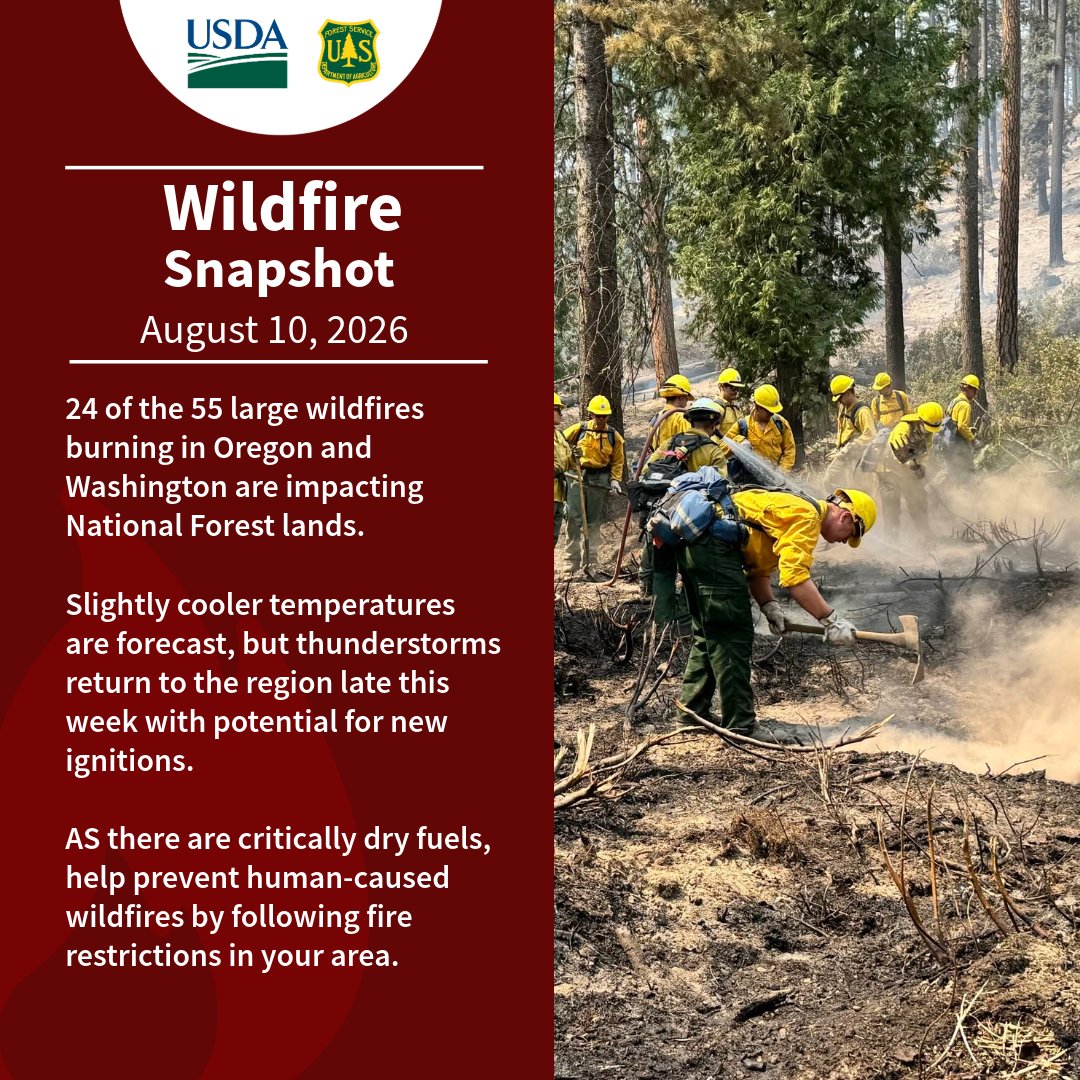
24 of 55 large wildfires burning in OR & WA are impacting National Forest lands.
Slightly cooler temperatures are forecast, but thunderstorms return late this week with potential for new ignitions.
Help prevent human-caused wildfires by following fire restrictions in your area.
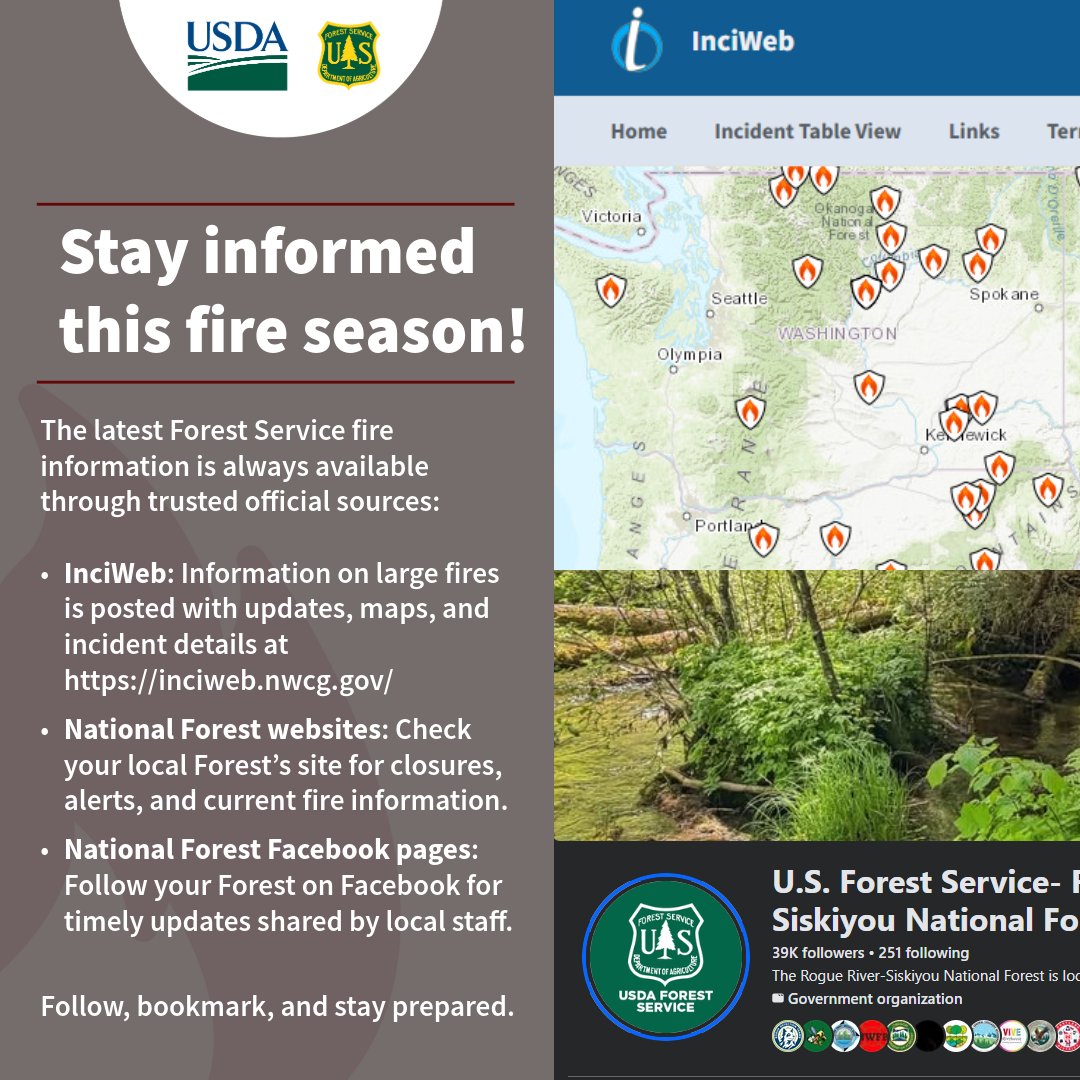
Fire potential is high with hot, dry, windy conditions forecast this week. As winds turn westerly, smoke will likely remain east of Cascades. Stay informed at https://t.co/WJBbFkkwGk. Practicing safe fire prevention is key so firefighters can focus on suppressing existing fires.
If you fly, we can’t.
When drones are in the area, firefighting aircraft have to be grounded, putting crews and communities at risk. Keep your drone away from fire zones so firefighters can do their job safely.
A new Pacific Northwest Fuels and Fire Behavior Advisory has been issued by NWCC Predictive Services in conjunction with state and federal partners.
The full advisory can be viewed at https://t.co/zsNX9Zp10o
Northwest crews remain focused on rapid initial attack as the region stays the nation’s top priority. So far, 464 of 520 fires on National Forest lands are contained (89%). Please follow restrictions and avoid spark‑producing activities to prevent human‑caused fires.
Lightning activity has already produced more that 9,000 strikes across OR and WA, with more lightning expected today. Much of the region is under a Red Flag Warning - please follow local fire restrictions to help prevent human-caused fires during these dry and windy conditions.
Smoky skies? ☁️
For the most up to date information about smoke and air quality in your area visit: https://t.co/8ikOYWdXiN
Learn how to stay safe from wildfire smoke and be smoke ready at: https://t.co/W3cDOnl8gY
The Northwest Geographic Area is now at a Preparedness Level 3.
Firefighting resources are positioned to ensure a rapid, risk-informed suppression response.
Fire danger is high-very high. S, S-central, and E OR may see thunderstorms that are capable of sparking new wildfires.
Fall has arrived, but fire season still remains. Even as temps cool, wildfire risks remain active. Light winds & warmer conditions are forecast, and moderate fire behavior is still possible. Some restrictions on national forests have been lifted, but caution is still essential.