We work to catalyze Africa’s economic transformation through entrepreneurship, the use of innovative technologies and implementation of progressive policies.
Insightful session with Dr. Asahngwa on developing critical appraisal skills in ##scientific writing and publication—reminding us that strong research starts with the ability to critically evaluate evidence.
#ScientificWriting#Research#CriticalAppraisal
Inspired by Dr. Nicholas Okumu’s session on “𝐖𝐫𝐢𝐭𝐢𝐧𝐠 𝐎𝐩-𝐄𝐝𝐬 𝐚𝐧𝐝 𝐏𝐨𝐥𝐢𝐜𝐲 𝐁𝐫𝐢𝐞𝐟𝐬,” which emphasized that research must be communicated clearly to policymakers, #institutions, #media, and the public to drive meaningful real-world change.
#Advocacy#Health
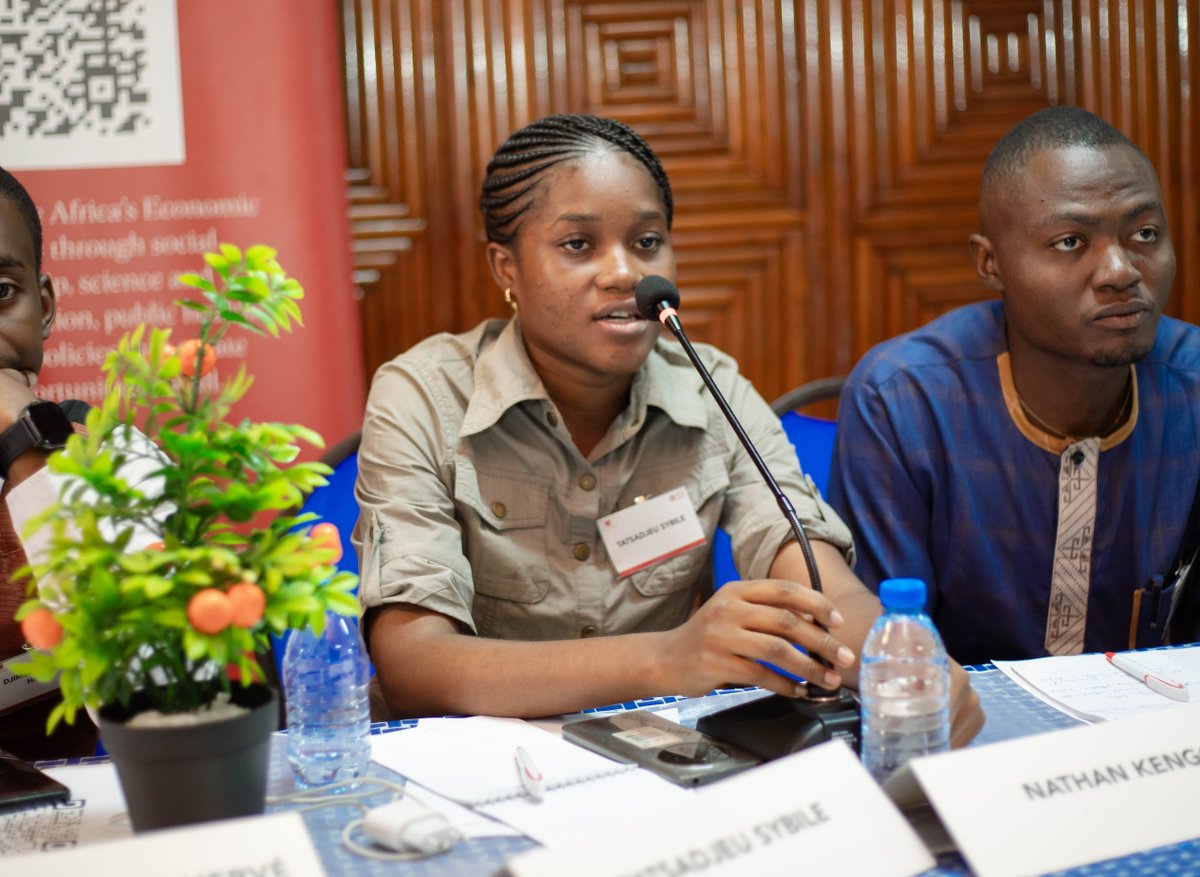
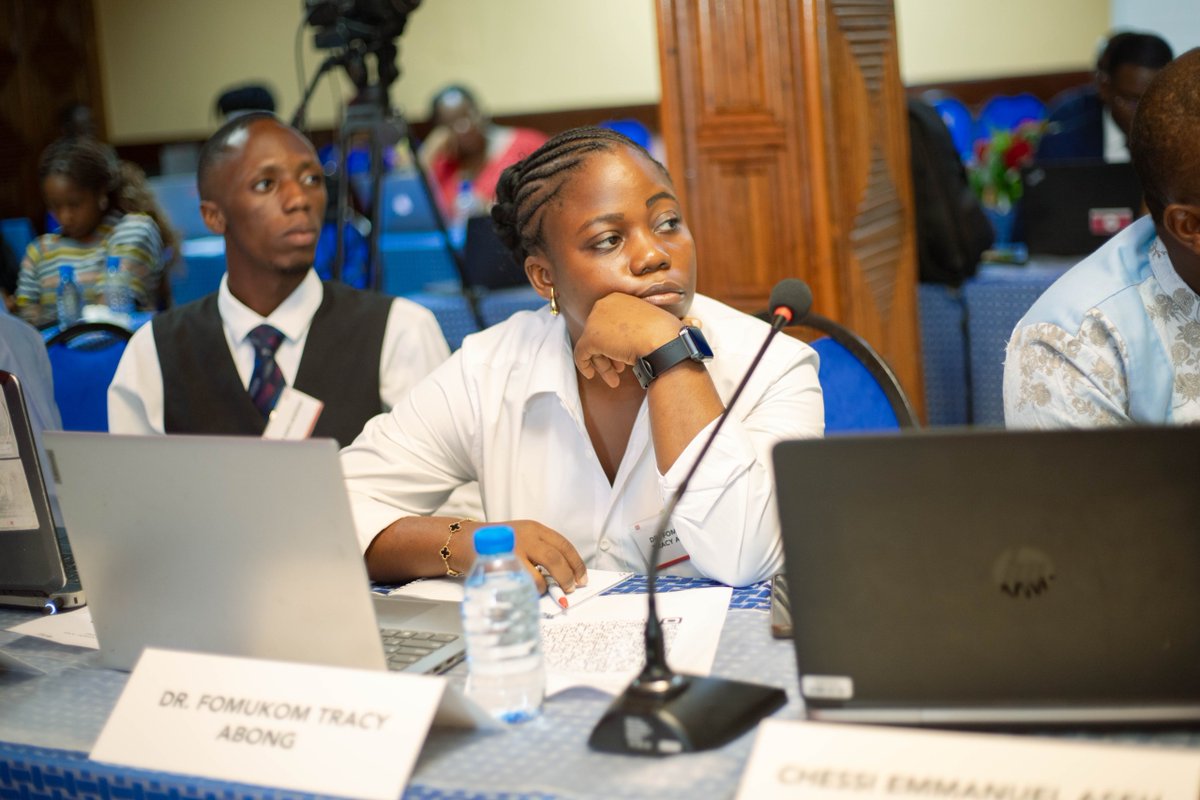
An enriching Q&A session with participants at the Scientific & Manuscript Writing Course! 📚
The insightful questions, #active engagement, and knowledge sharing reflected a #strong passion for research, scientific writing, and academic growth.
#ScientificWriting#Research
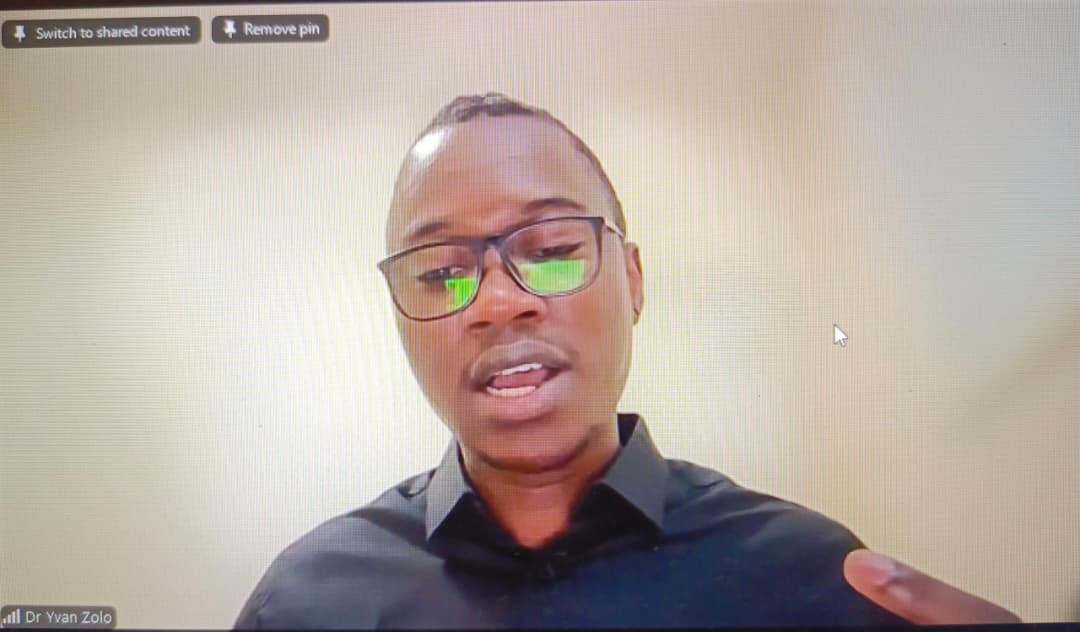
In his sessions on submitting abstracts, presenting research, and responding to reviewers, Dr. Yvan Zolo emphasized that strong #scientific#communication goes beyond producing research—it requires clarity, , and meaningful engagement with the academic community.
#Research
The Nkafu Policy Institute joined African think tanks in Rabat, Morocco, where Dr. @DenisForetia and Mr. Bruno Ittia advanced conversations on #legitimacy, #collaboration, and the evolving role of policy institutions in Africa.
https://t.co/Liq78Ten2I
Dr. Ignatius Esene highlighted that successful publication depends on more than good research—it requires clarity, structure, and a strong abstract. Editors look for well-written, focused, and well-aligned manuscripts.
#ScientificWriting#Research#Publication#AcademicWriting
Participants are presenting recaps of Day One, reinforcing key lessons through active discussion and peer learning, alongside deeper sessions on scientific writing and research communication.
#ScientificWriting#Research#CapacityBuilding#AcademicWriting
Day Two of the Scientific & Manuscript Writing Course is underway!
Following an engaging Day One, participants continue their learning journey with practical insights,hands-on sessions on scientific writing.
Stay tuned for more highlights
#ScientificWriting#Research
Day One of the Scientific & Manuscript Writing Course wraps up with engaging discussions, practical learning, and enthusiastic participation on scientific writing and research communication. 📚
Participants are already looking forward to Day Two!
#ScientificWriting#Research
Dr. Ronald Gobina emphasized that strong research alone is not enough. #Weak storytelling, #poor structure, and confusing presentation can reduce the visibility and impact of even the most powerful findings.
#ScientificWriting#ResearchImpact#ScienceCommunication
Dr. Constantine T. Asahngwa highlighted Mixed Methods Research (MMR) as the integration of quantitative and qualitative approaches to strengthen research. Data collection in MMR can be sequential, concurrent, or transformative.
#MMR#ResearchMethods#ScientificWriting
In his presentation, Dr. Constantine T. Asahnwa emphasized that a strong qualitative research introduction defines the problem, reviews literature, justifies the study, and clearly presents research questions — setting the foundation for the entire study.
#QualitativeResearch
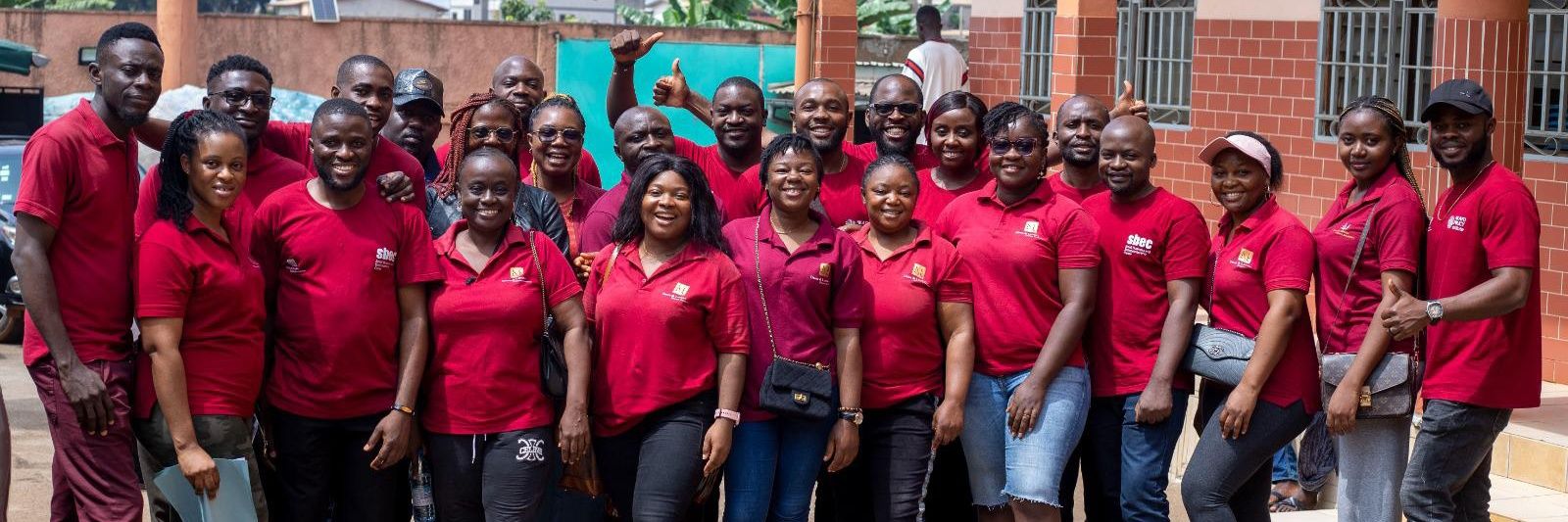
The Scientific & Manuscript Course is more than training — it’s active learning in action.
Engaged participants, sharp questions, and rich discussions are shaping the experience. 📚✨
#ScientificWriting#Research#Learning#CapacityBuilding
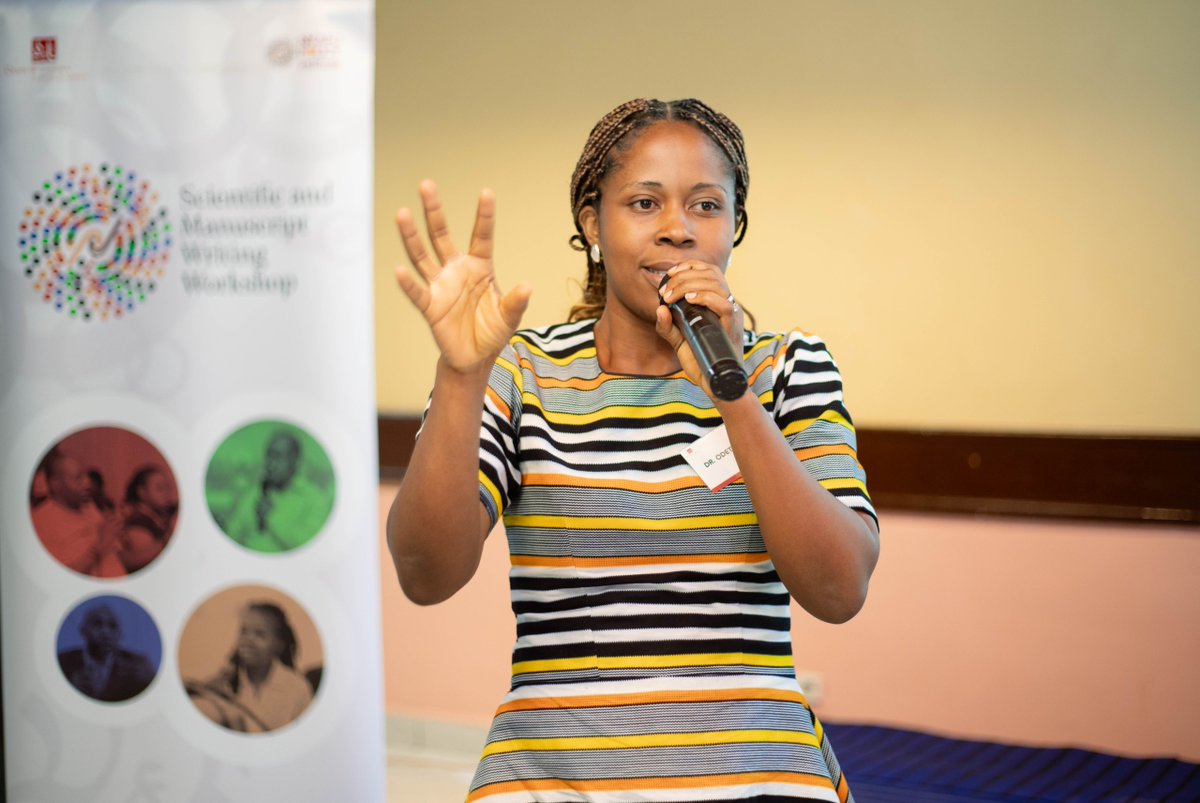
Dr. Kibu Odette highlights that choosing the right research topic is key to impactful writing.
A strong topic should be current, debatable, researchable, and relevant — while a good title should attract readers and improve visibility. 📚
#ScientificWriting#Research
“𝑰𝒇 𝒂 𝒔𝒕𝒐𝒓𝒚 𝒊𝒔 𝒏𝒆𝒗𝒆𝒓 𝒕𝒐𝒍𝒅, 𝒊𝒕 𝒈𝒆𝒕𝒔 𝒍𝒐𝒔𝒕 𝒊𝒏 𝒕𝒊𝒎𝒆.” — Dr. Ronald Gobina
Research only creates impact when it is communicated, published, and shared with the world.
Powerful reminder on the importance of knowledge transfer.
#ScientificWriting
“Producing research is not enough. If it is not well written, visible, and published, it can't influence policy or shape global conversations.” — Dr. Julienne Mesumbe
A powerful reminder on the importance of impactful scientific communication.
#ScientificWriting#ResearchImpact