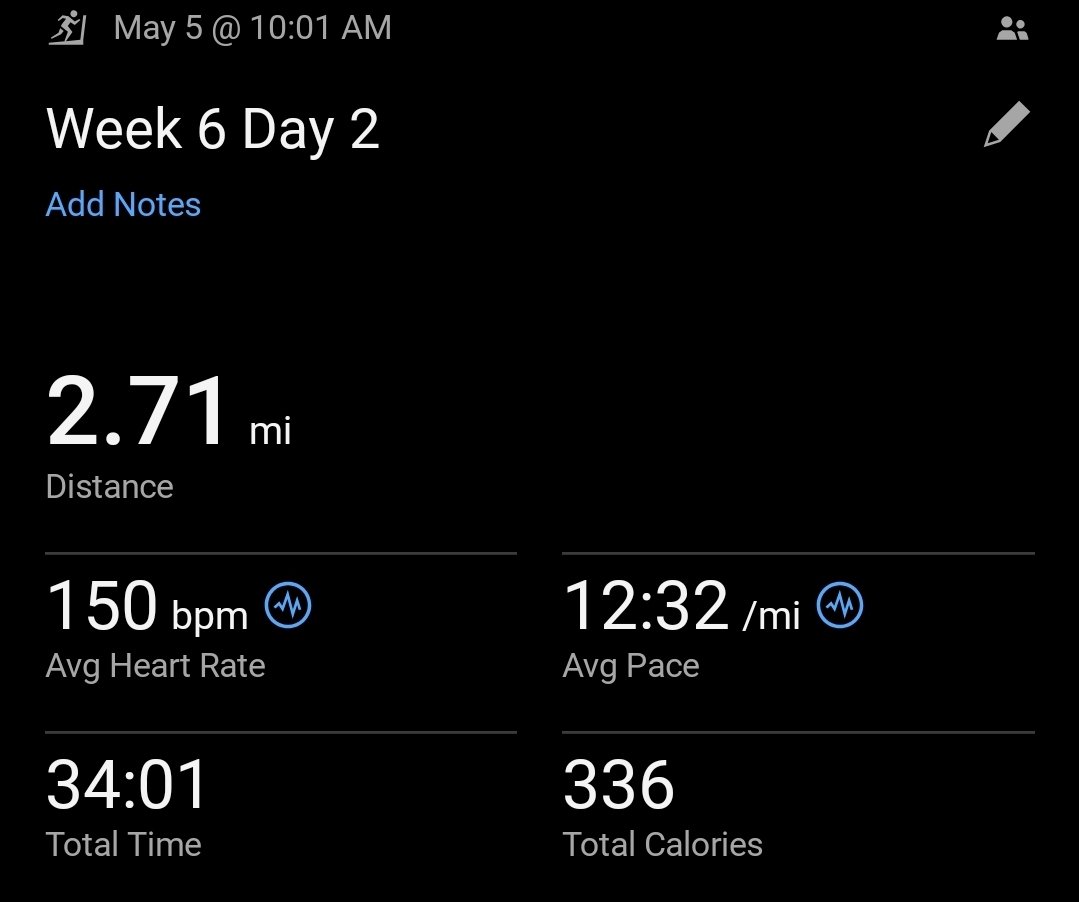
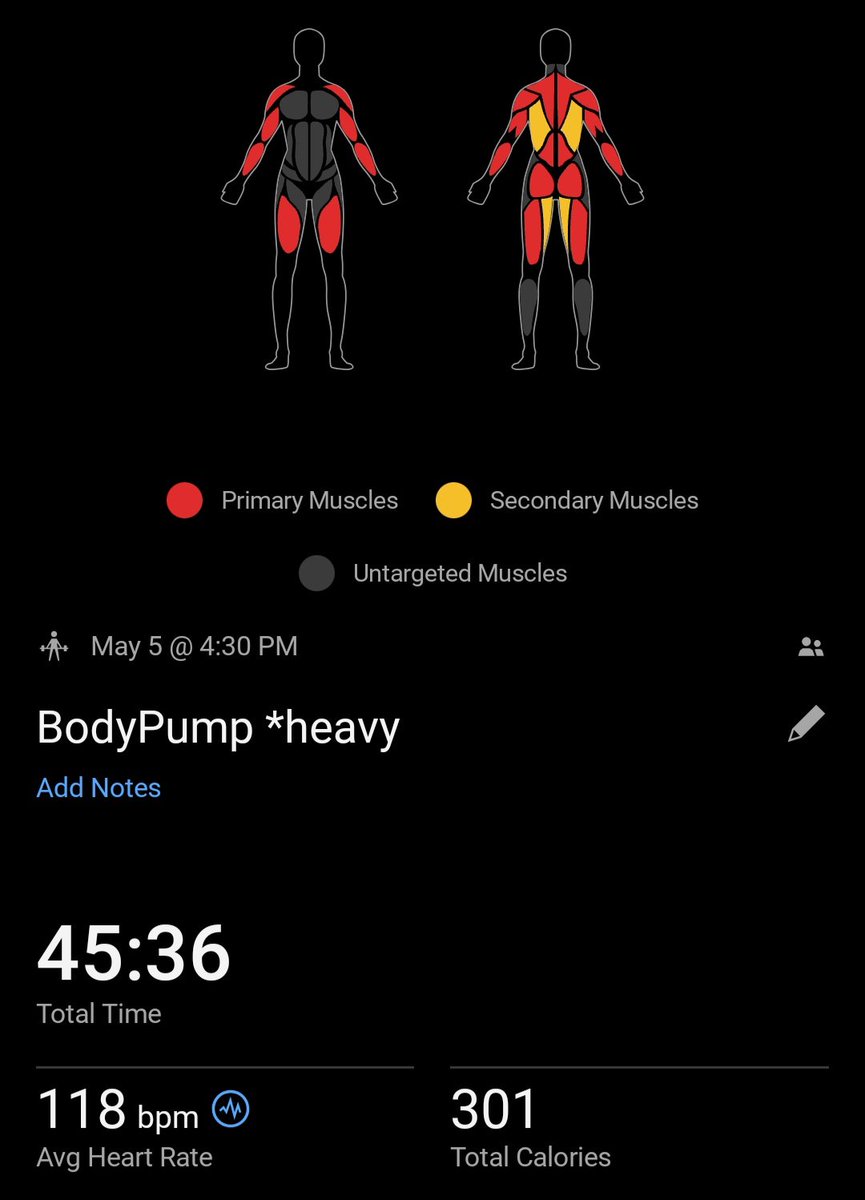
Another month down. Spring wrapping up. Time of reflection. Ladies and gentleman, change is in the air. Let's see where summer takes us. #MemorialDay#honor#3dayweekend
@badjulio I bought one pair of Nikes many many moons ago. And hated them. Never bought another pair. The only reason this company is still in business is because of Michael.
@NickChaps96 I remember going on it during my middle school field trip. But I have no documentation. I was so sad when I saw the skyway entrance in Fantasyland all empty the next time I was there.
The Gestapo had a name for their worst nightmare: "The Limping Lady." They distributed sketches of her across occupied Europe with a terrifying order: "She is the most dangerous of all Allied spies. We must find and destroy her."
What the Nazis didn't realize was that the master strategist they were hunting was a woman from Baltimore with a wooden leg. Her name was Virginia Hall, and she would spend the war proving that being underestimated is the greatest weapon a soldier can have.
Virginia didn't start out as a spy. She wanted to be a diplomat, but the U.S. State Department rejected her twice. First, because they didn't want to hire women, and second, because she lost her left leg in a hunting accident. She didn't let the tragedy stop her. She nicknamed her prosthetic leg "Cuthbert" and moved to Europe.
When the war began, she volunteered as an ambulance driver. By 1941, she was working for British intelligence. She was the first female agent sent into France. To get past the Germans, she pretended to be a reporter for the *New York Post*.
She was a ghost. She ran a massive network of resistance fighters, organized escapes for downed pilots, and gathered secrets on German troops. Even with a heavy, 8-pound wooden leg, she could change her identity in seconds. One day she was a young radio operator, the next she was an old milkmaid with a hunched back.
The Nazis were blinded by their own prejudice. They couldn't imagine a woman—especially one with a disability—could be so effective. Historian Craig Gralley noted that "None of the Germans, early in the war, necessarily thought that a woman was capable of being a spy."
But the net eventually began to close. The notorious "Butcher of Lyon," Klaus Barbie, realized who she was. In 1942, Virginia had to run. She chose the hardest path possible: a three-day trek across the frozen Pyrenees mountains on foot.
As she struggled through the deep snow, she sent a message to her bosses in London. "Cuthbert is giving me trouble," she wrote, referring to her leg. The headquarters, not realizing Cuthbert was a prosthetic, sent a hilarious and blunt reply: "If Cuthbert is giving you difficulty, have him eliminated."
She made it to Spain, then back to England, but she refused to stay safe. She joined the American OSS and went back into France in 1944. This time, she looked like an old woman. She dyed her hair grey and shuffled through villages, all while organizing 1,500 resistance fighters.
By the time D-Day arrived, Virginia Hall was acting like a guerrilla general. She didn't just watch the enemy; she fought them. She ordered her team to blow up bridges and derail trains to stop the German army from reaching the beaches of Normandy.
When the war ended, she became the only civilian woman to receive the Distinguished Service Cross. President Truman wanted a big ceremony, but Virginia refused. She said she was "still operational and most anxious to get busy."
Virginia Hall spent her life being told "no." She was told she couldn't be a diplomat because she was a woman. She was told she couldn't be a soldier because she had one leg. She ignored everyone and became the most feared woman in the world.
Often, the very thing people think makes you weak is exactly what makes you unstoppable.