This labour government has decided taxing imaginary things is a good idea.
But, if they get away with it and pass this law, they won't stop at taxing unrealised capital gains in superfunds over $3 million.
Their insane tax programme will be expanded.
This new cook-up is just a Trojan horse. It just attacks a very small and obscure area of the financial world. They expect very little resistance form the public, and very little opposition from the people paid to provide opposition.
Similar things have been done in the UK, and it has caused chaos. Millionaires, business people, entrepreneurs and productive people are leaving the country in droves. They’re running to places where they feel more welcome.
They take opportunity with them.
There are many areas where this dangerous new tax on a concept rather than actual money will have deep impact.
It hits the stock market, as well as property market which will in fact impact everyone’s super not just the wealthy.
Most importantly this will impact food production.
Big chunks of land tend to appreciate in value. The value increase has been accelerating as the value of the dollar declines.
This means family farms, held in super accounts, will be taxed heavily. Because value is relative and imaginary, there is no clear formula or predictability to the scale and timing of capital gains.
Somebody will have to pay the cash tax, on an asset not sold. The imagined gain. Ludicrous.
There are two ways this can be achieved, through using profits from operating the farm, or selling the farm.
So many family farms invest everything they have into fences, feed, seed, fuel and equipment. When conditions are good, there is some money to be made, when the two major supermarkets are not busy pummelling them.
There is even the odd export dollar.
But it is not as if it isn’t already hard enough for family farmers here in Australia. Between the droughts and flooding rain, they fight to keep their farm lands free of power lines and electricity windmills.
Fighting pests and regulations. Fighting to pay the energy bills. Fighting for access to water.
Now they will be fighting to pay for imagined gains with real cash.
This means an increase in the cost of food for the rest of us. That, and more corporatism in the farming sector, as more family farms are gobbled up by foreign corporations and big capital.
Bad leaders can cause shortages where there was once effortless abundance.
Albanese, Chalmers and friends are bad leaders. Short sighted and greedy. Playing divisive politics, as they seemingly tax the rich to give to the poor.
The reality is they will just destroy more decent Aussie family farms, and everything that goes with it. The rest of us will pay more for our food.
Australia can’t afford three years of this nonsense.
No farmers, no food.
I just want Australia back.
@AgroJAK@agrobaz@LavisPaul@theGRDC@CSIRO@kalyx@deltaag@VicNotill 2/2 buffering inputs with humic/fulvic, stimulating fungi in the rhizosphere, buffering and correcting soil constraints to improve root growth, and increasing the microbial life in the soil are all aspects to increasing soil carbon sequestration in 12 mths and long term.
@AgroJAK@agrobaz@LavisPaul@theGRDC@CSIRO@kalyx@deltaag@VicNotill I’d imagine it is using the whole 12 months to fix carbon in the soil. Residue conversion via cellulose digesting fungi not bacteria, balanced plant nutrition (not just NPK) to maximize photosynthesis, stimulating root exudates and root growth, 1/2
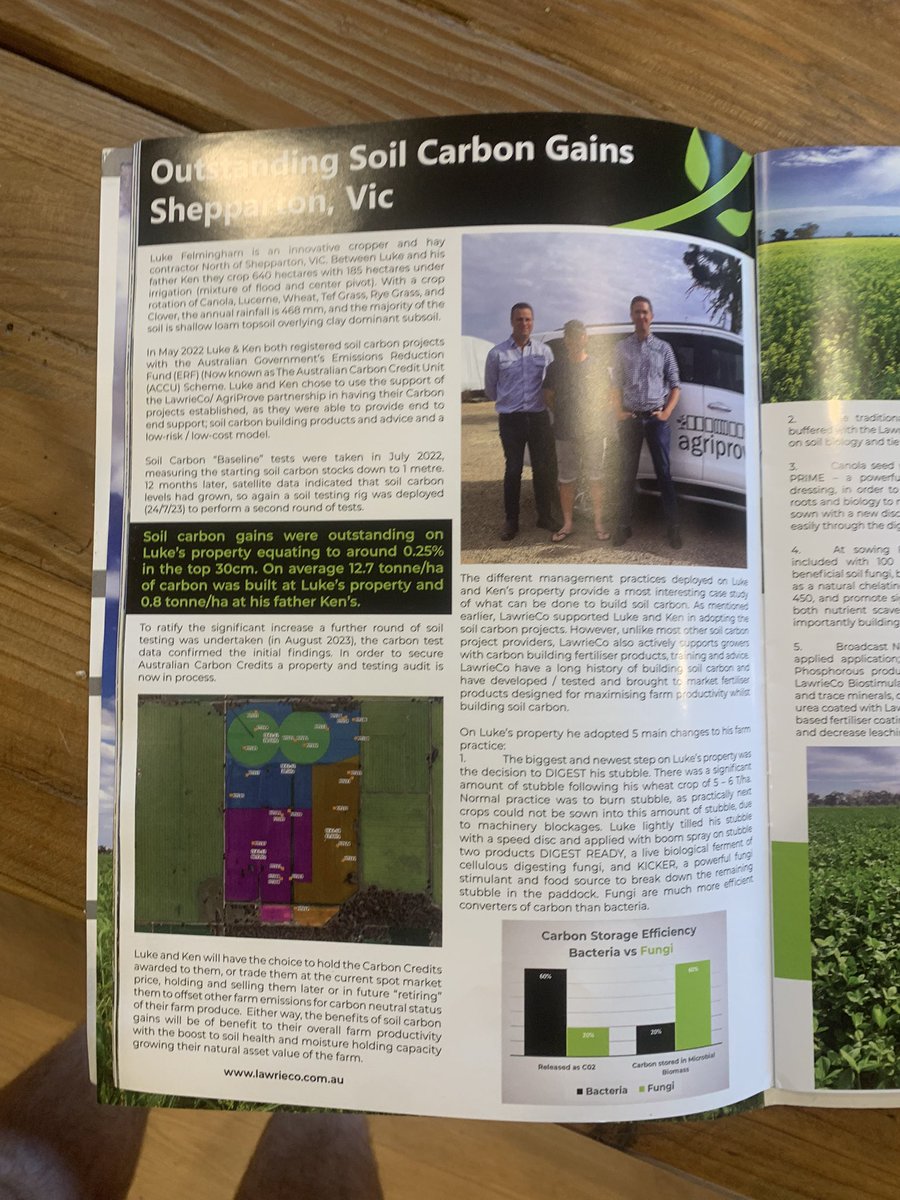
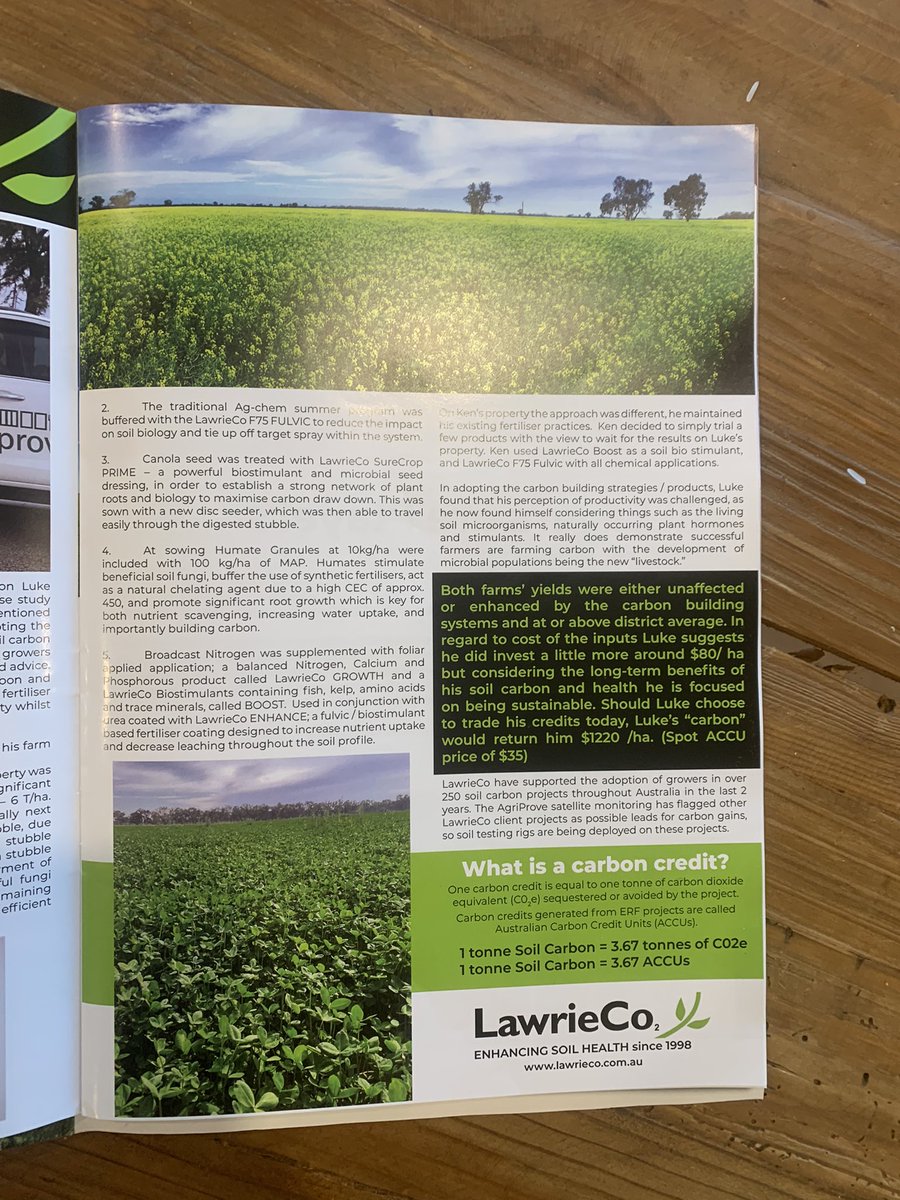
@agrobaz@AgroJAK@LavisPaul@theGRDC@CSIRO@kalyx@deltaag Published in Autumn ‘24 @VicNotill magazine. There is a lot more soil carbon building strategies than just simply digesting stubble, leading to big gains in short periods. Yes it’s part of it but not the only part. This result of 12.7t/ha at Luke’s was in a 12 month period.
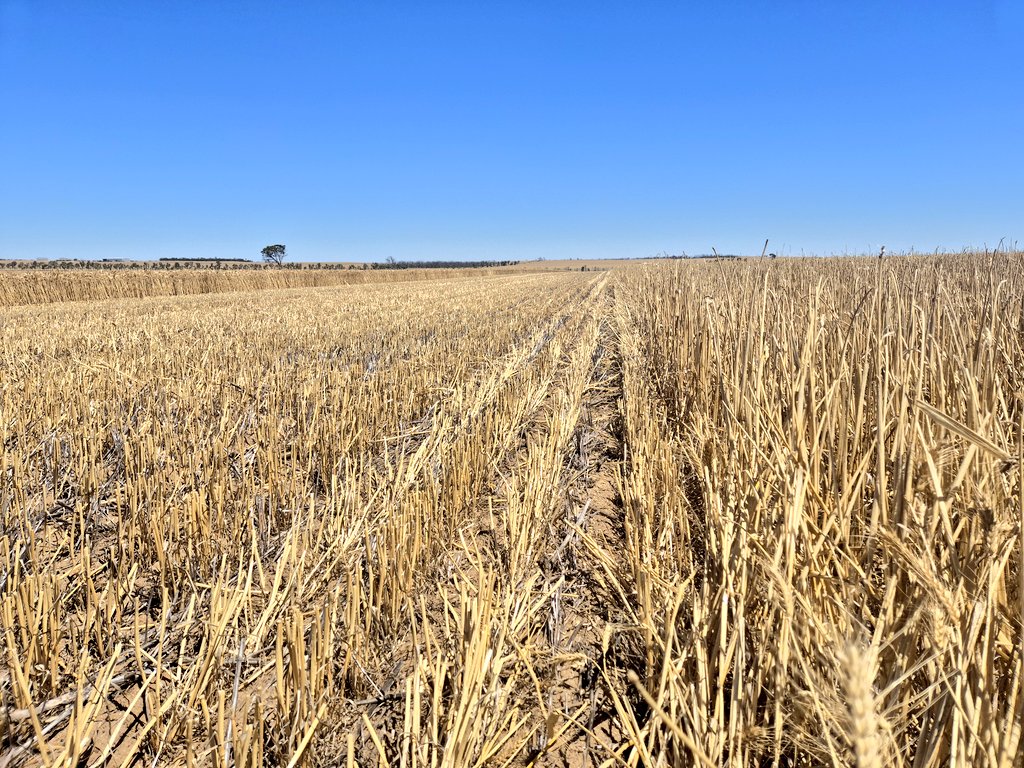
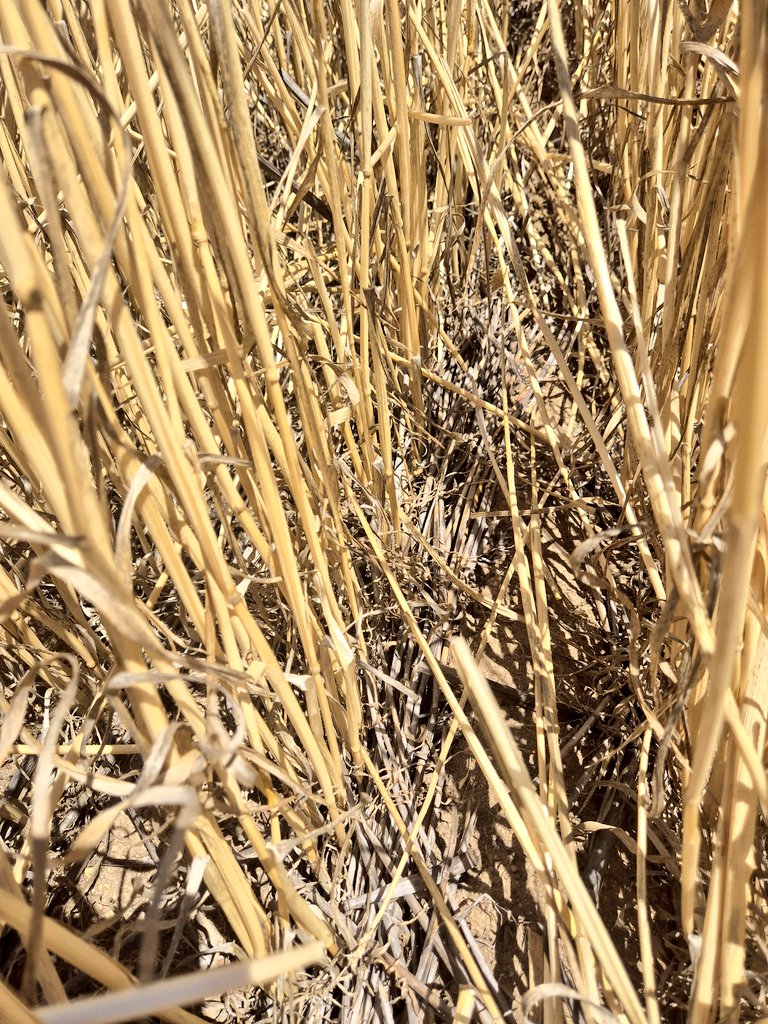
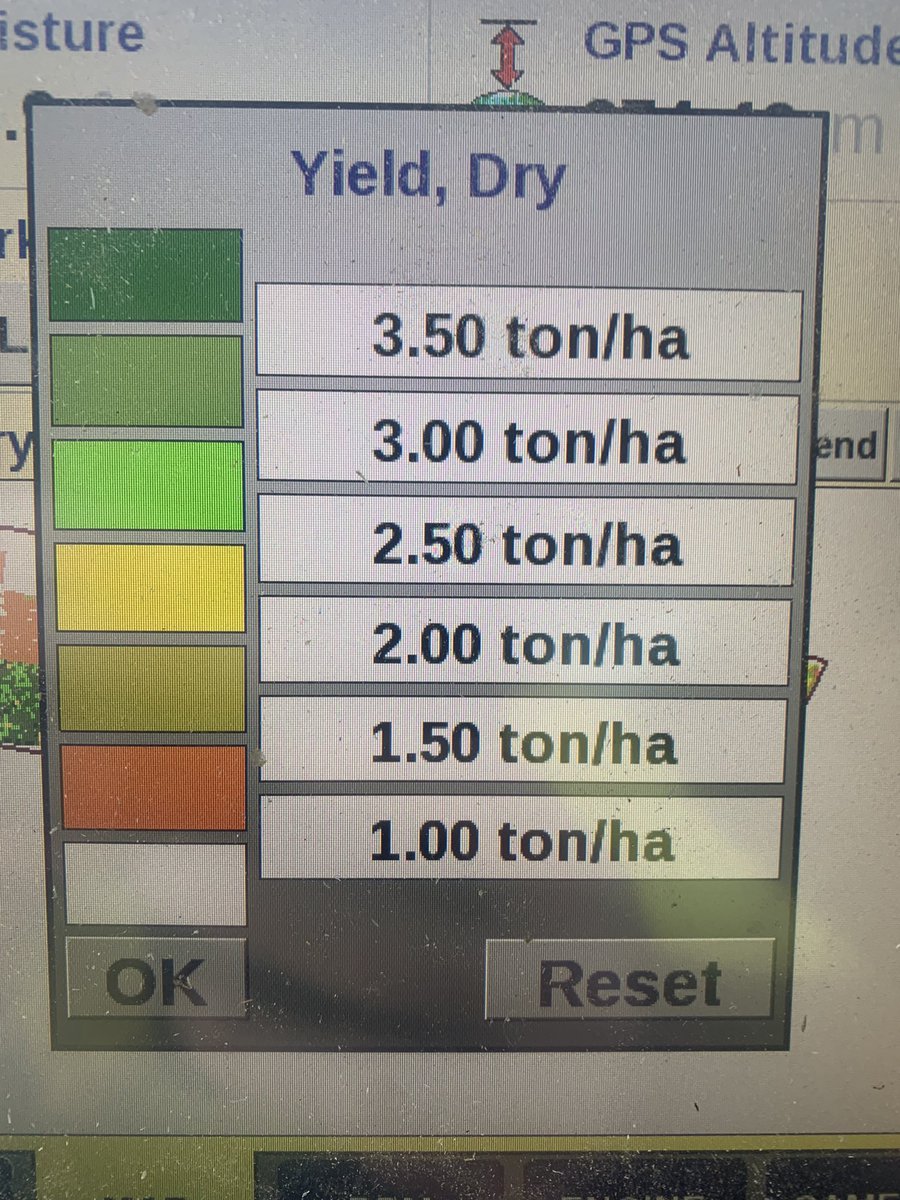
GRDC stubble height trial 3rd year results were very interesting: strip disc 4.22t/ha, draper disc 3.83t/ha, draper tyne 3.77t/ha. A warm year with summer rain and a dry finish with no frosts all worked in favour of stripper stubble this year. We have found the strip disc niche.
@brodenholland What was your plant population at 50kg mate? I weigh all our seed and see a big difference between varieties for 1000 seed weight. Beckom was 33g in the same year that Illabo and Anapurna was 45g.
@agrobaz@grantcropcircl1 I think if longsword wasn’t a feed only variety it would have had a lot of adaption to a lot of growing areas. I really liked it but the feed idea scared us off it. Now we are growing Anapurna it might be something to go back to again to try.
@CorbinSchuster We have two farms (about 75% of our land) in projects producing carbon credits and food. We will probably sign the last farm up too.
I have already banked carbon, I think it’s important to get a base line early for a starting point.
@brodenholland@agrobaz@charlieblack31 Understanding how silica and calcium work and fit into an overall nutrition system is essential to get the best out of them. Si and Ca are things that need to be planned as it is deposited into the growing cell walls. Less focus on nitrates as a plant N source is also critical.
@agrobaz@charlieblack31 Get the calcium and silica on foliar Baz for stem strength. Also getting calcium nutrition right has been shown to greatly reduce N requirements.
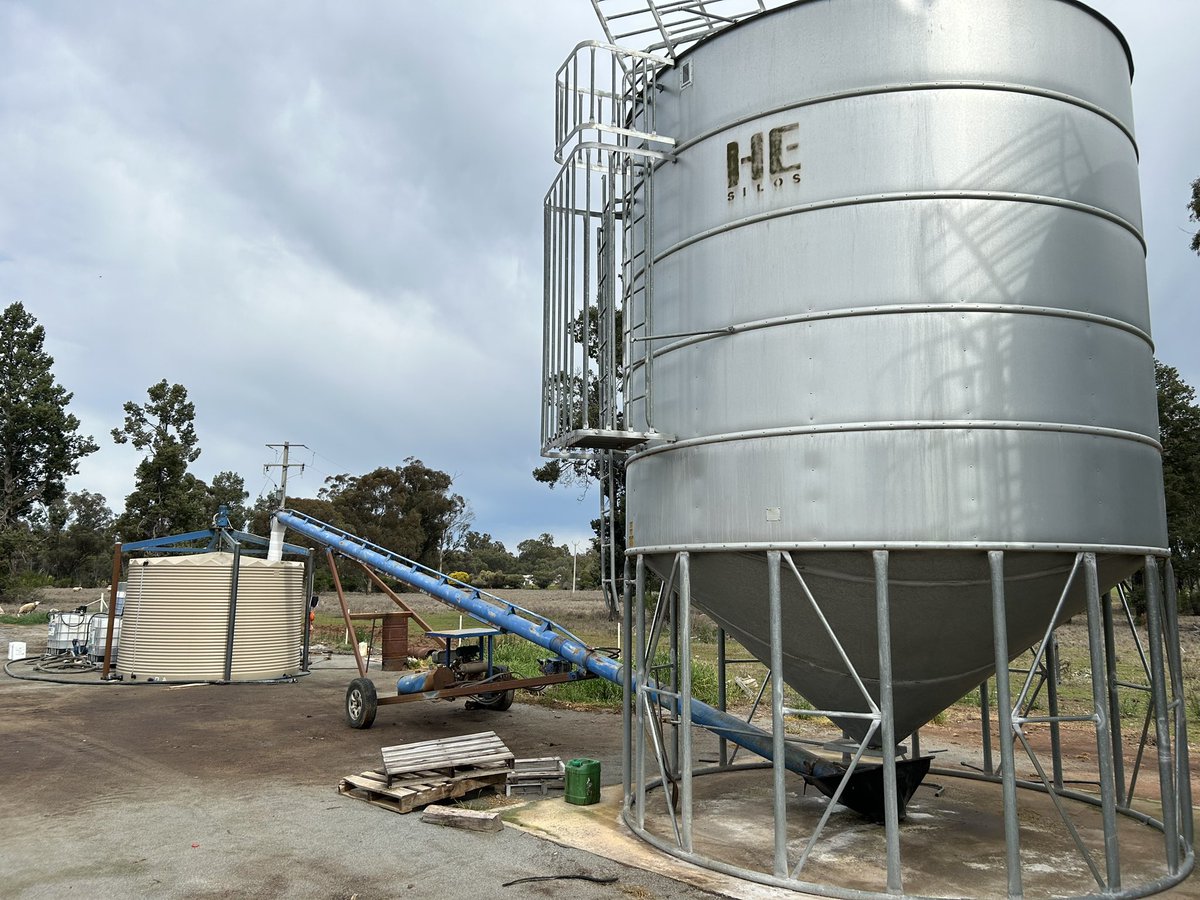
Many ask, so here’s how it’s done. This is the simple bit to greatly reduce #rotorloss in CR @NewHollandAG
This is one part of the improvement list. Basic setup & much better concaves are other parts. @harvestaire_pty