@David_Moscrop I'm not smart but even I know this doesn't make any sense to have a monopoly. Microsoft was denied for this very same reason in the past.
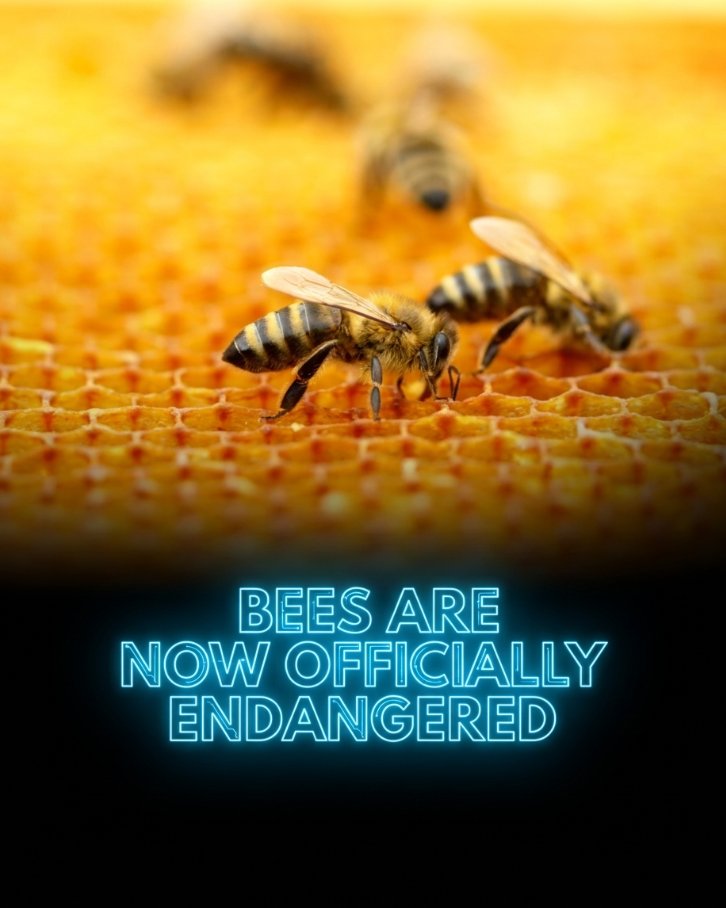
While grocery store shelves remain stocked with honey, the broader reality is that global bee populations are in severe distress. Official endangered designations for several critical bee species have marked a pivotal turning point for global biodiversity, threatening both natural ecosystems and international food security.
It is important to note that while not every single bee species faces imminent extinction, numerous primary pollinators have officially been added to environmental protection lists. These vulnerable insects range from the rusty patched bumblebee in North America to various wild honeybee species across Europe. Decades of unmitigated habitat destruction, widespread pesticide overuse, climate disruptions, and devastating disease outbreaks have combined to drive catastrophic population crashes among these native species. By issuing these historic listings, conservation agencies are establishing crucial legal protections that unlock essential government funding, drive massive habitat restoration initiatives, and enforce stricter regulations on harmful agricultural practices.
The stakes of this environmental crisis could not be higher for human survival and global economic stability. Pollinators play an indispensable role in global agriculture, contributing hundreds of billions of dollars to crop production every single year.
In terms of daily consumption, bees are directly responsible for pollinating roughly one out of every three bites of food that humans eat, including a vast majority of essential fruits, nuts, and vegetables. Because of this profound impact, conservationists emphasize that safeguarding endangered bees is no longer just an environmental aspiration. Instead, protecting these insects has become an urgent, non-negotiable priority to preserve global food security and maintain resilient natural ecosystems nationwide.