Even the smaller GPT-5 models are impressive. We dropped 5-mini into a complex “natural language to sql” task we’re building for a pharma services company at @FractionalAI. It outperformed o3, o4-mini, 4.1, and 4.1-mini in every one of our evals with no prompt tuning at all.
GPT-5 mini and nano have their own personalities. We tested it with agents solving real problems for enterprises at @FractionalAI - some quirks we noticed:
* They like complex wording and asking long, multi-part questions
* Nano has a tendency to generate would-be penultimate messages like “Before we wrap, do you have any further questions” and then continue down rabbit holes
* It is harder to convince mini and (especially) nano to use tools, and sometimes they would hallucinate capabilities they don’t have (“great, we’ll finalize feedback and share it over email”)
* Mini in particular tended to have a much colder, brusque tone than any of the other models
AI Voice Agents: The Good, The Bad, The Ugly
Catch our CTO, @SiegelEddie, at the @aiDotEngineer Summit as he breaks down the realities of building an AI voice agent to conduct research interviews
Thanks to @latentspacepod, @swyx, @ai_dot_engineer, and everyone who helped organize the event.
Watch here: https://t.co/aPJJ1DHE5Z
🚀 24 Gen AI Predictions for 2025
We asked the Fractional AI team what’s ahead for generative AI—from investments to applications and enterprise adoption. Here’s a preview 👇 (1/5)
AI makes mistakes. It hallucinates. It’s not perfect. But that doesn’t mean you can’t trust the systems it powers.
Reliable systems can be built with unreliable ingredients.
Here’s a practical guide on how: https://t.co/Ba92mecu7i
Proper scoping can make all the difference between AI projects that stall at POC and those that cross the finish line -- but getting scoping right is hard.
That’s why we wrote a guide to scoping your next enterprise AI project.
Access it here: https://t.co/UTlucbN6KU
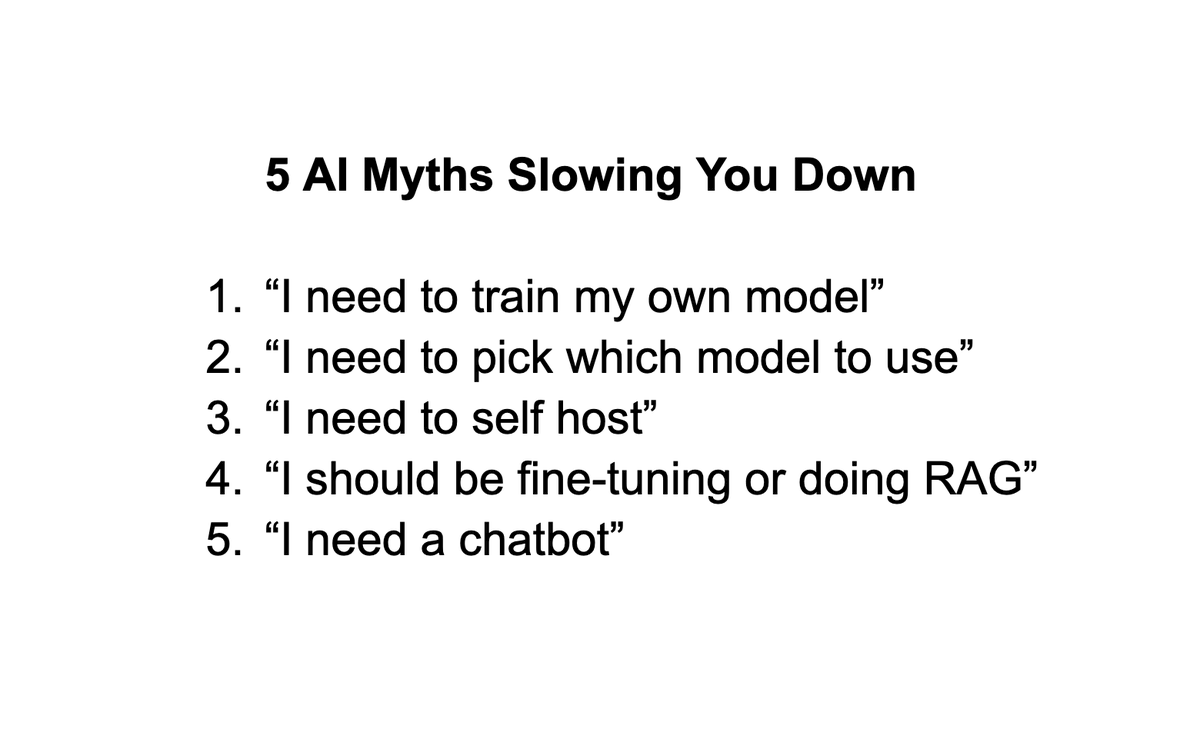
5 AI myths keeping companies from getting AI into production...and what to do instead.
The latest from our CTO and Co-Founder @SiegelEddie https://t.co/TLn47P8q0w
A lesson from a recent AI project for @zapier : find ways to automate the creation of your 'ground truth dataset'
Instead of manually building an eval dataset, we tapped into Zapier’s historical codebase — pairing resolved tickets with merge requests to automate ground truth creation. This enabled us to put together a robust evals suite (we used @braintrustdata ) without wasting engineering time.
How-to on the dev blog: https://t.co/tWBBQmft02
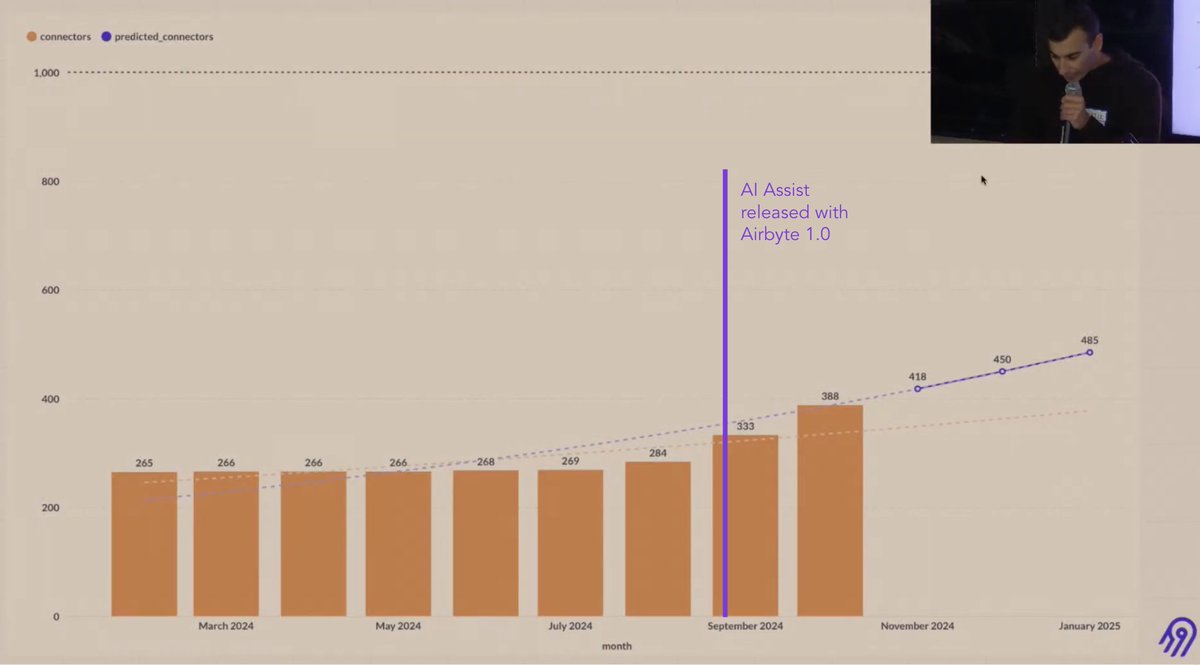
The impact of AI Assist since its September launch has been incredible: more connectors built, more time saved for data engineers.
Missed last month’s event where we broke how we built AI Assist with the @AirbyteHQ team? https://t.co/aMTZnYCimT
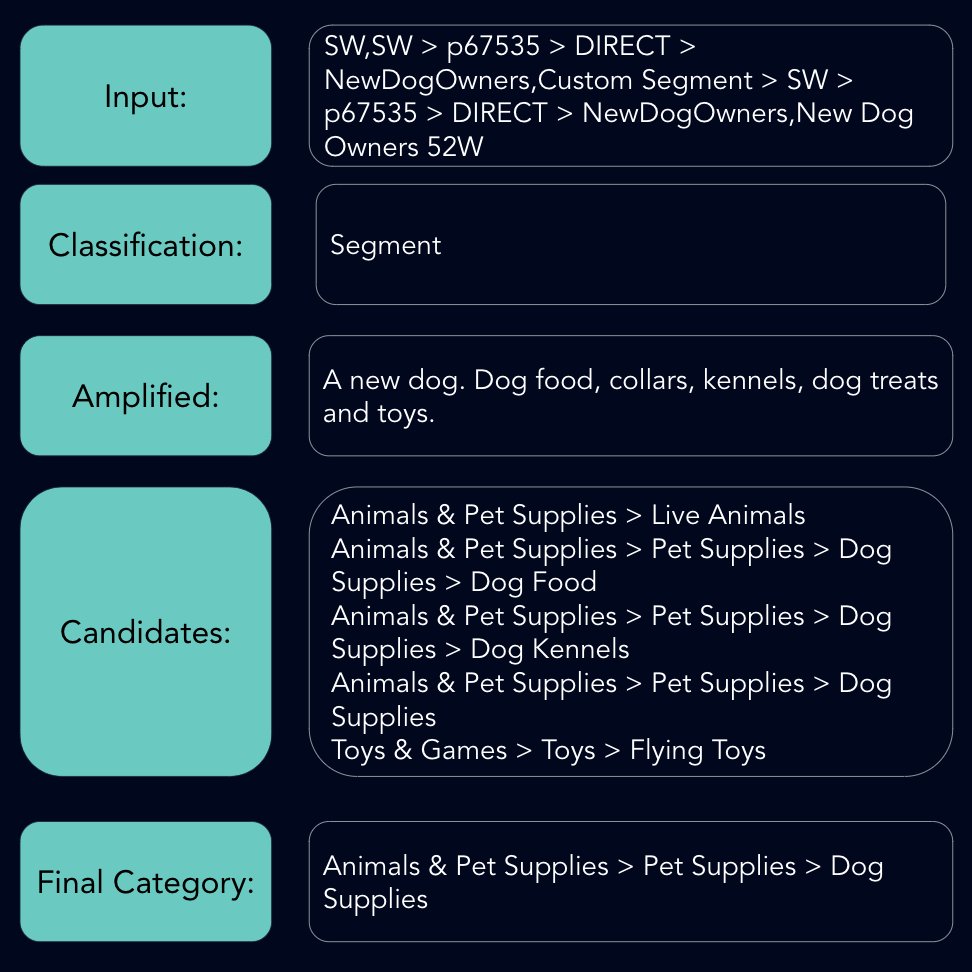
AI Case Study: How do you take a stream of unstructured data and turn it into something usable? Build an AI normalization system.
Here’s how we partnered with the Sincera team to unlock the value of their data.
https://t.co/wRxbOBK7YG
Private equity is poised to win the gen AI boom...if they don't sleep on AI transformation.
Our CEO, @ChrisTaylorSays shares a framework for getting started.
The biggest winners in generative AI will be:
1. NVIDIA & TSMC
2. The foundation model company that separates themselves from the pack. Currently this is OpenAI. Time will tell if they keep their lead or if the foundation models become commoditized.
3. Private Equity. The opportunity to buy businesses and transform them with AI is massive.
AI Case Study: How do you reduce hallucinations by over 80%? Start with a robust evals framework.
A look inside our project teaming up with @zapier on their awesome AI-powered API integration builder: https://t.co/bEUtL7sba5
Big thanks to @braintrustdata, our go-to evals tool!