Do you want to know how to make textbook exercises more engaging and inclusive? 🌟
Welcome to the 9th tip from Penny Ur's "100 Tips for Language Teachers"!
Tip #9: Adapt textbook exercises for open-ended answers. 👇 #LanguageLearningTips
*We're hiring!*
If you are an ECT or looking for a change, work with us in the third most improved school in the country!
- Fully resourced curriculum 📝
- Weekly CPD and fortnightly subject CPD 📖
- Newly refurbished labs 🔬
- Day off every fortnight 🛌
https://t.co/JoYXoHvsx5
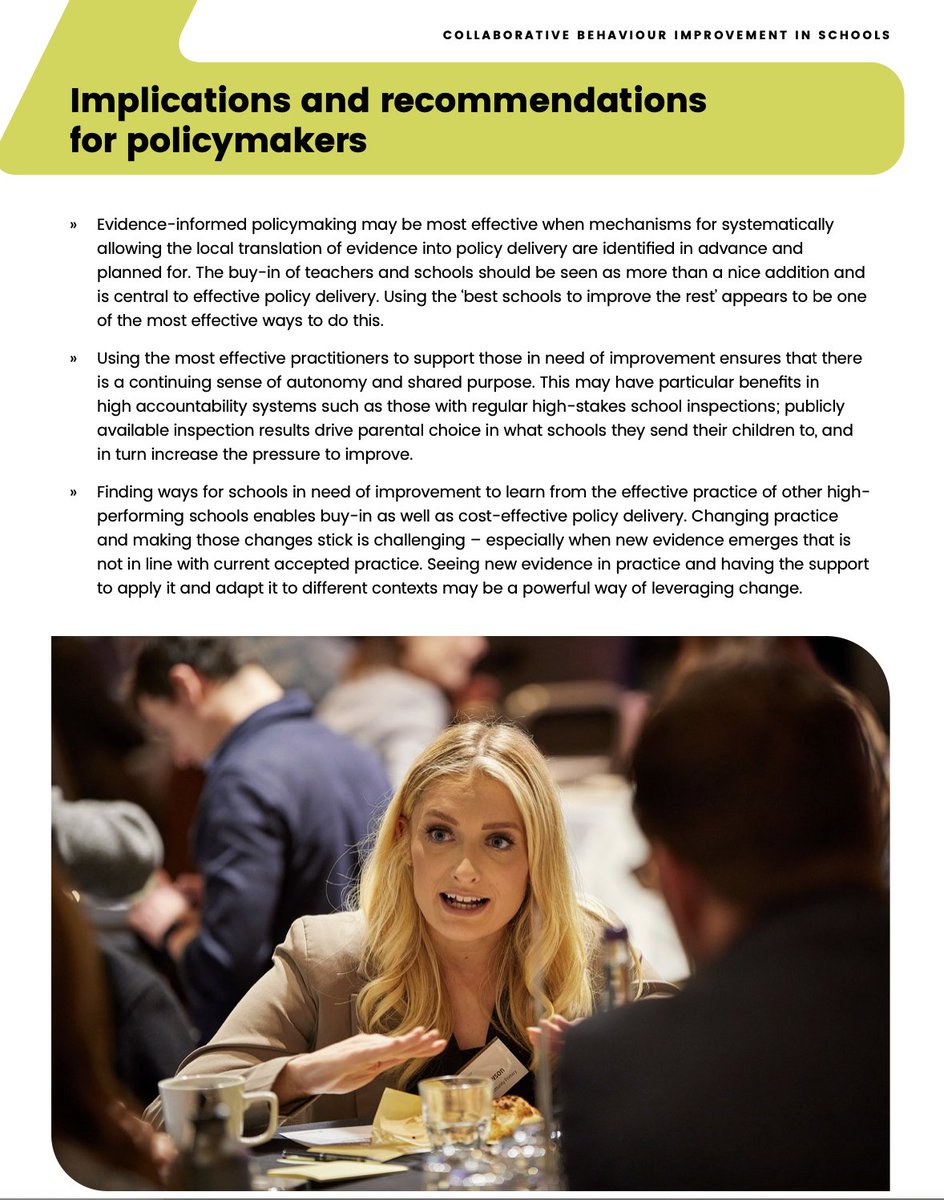
A great review of the Behaviour Hubs program: the theory of change, the strategy, what happened, and the brilliant impact it had on participant schools. Plus, recommendations for future programs https://t.co/SSFQH36bl3
🔄 When recycling tasks, vary them to avoid boredom:
➡️switch partners for pair work
➡️turn the task into homework
➡️modify it to be more open-ended
This keeps students engaged and aids in deeper learning.
🧠 My take:
Using a task just once is a missed opportunity. Research supports that repeated reading and task repetition leads to better learning. Modifying tasks allows students to review and consolidate their knowledge without getting bored.
♻️ Tip #10: A good textbook task is worth recycling. Repetition helps reinforce language learning. However, changing the task slightly is crucial to keep it challenging and engaging.
📚 Welcome to another tip from Penny Ur's "100 Tips for Language Teachers"! 🌟
This book is packed with advice on various aspects of teaching. Tip #10: Recycle good textbook tasks for review and reinforcement.
Keep reading to find out how! 👇 #LanguageLearningTips
Do you want to know how to make textbook exercises more engaging and inclusive? 🌟
Welcome to the 9th tip from Penny Ur's "100 Tips for Language Teachers"!
Tip #9: Adapt textbook exercises for open-ended answers. 👇 #LanguageLearningTips
The tip:
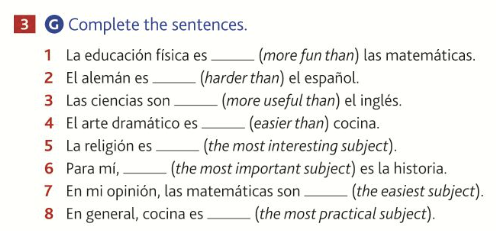
Textbooks often have close-ended exercises with just one correct answer. But we can make them more engaging by allowing multiple correct answers. 😱
This makes tasks more accessible to more students and sparks student thinking.
Here is an example of how it can be done:
For example, ask students to ignore the words in brackets and allow them to write their own words to make sense of the sentences. Or remove the words in brackets and the words after them and let students complete the sentence.