We are following the story of what happened in Herat and will publish our report soon.
My colleague @FreshtaGhani is inviting residents of Herat to share their accounts if they were at the site of the protest.
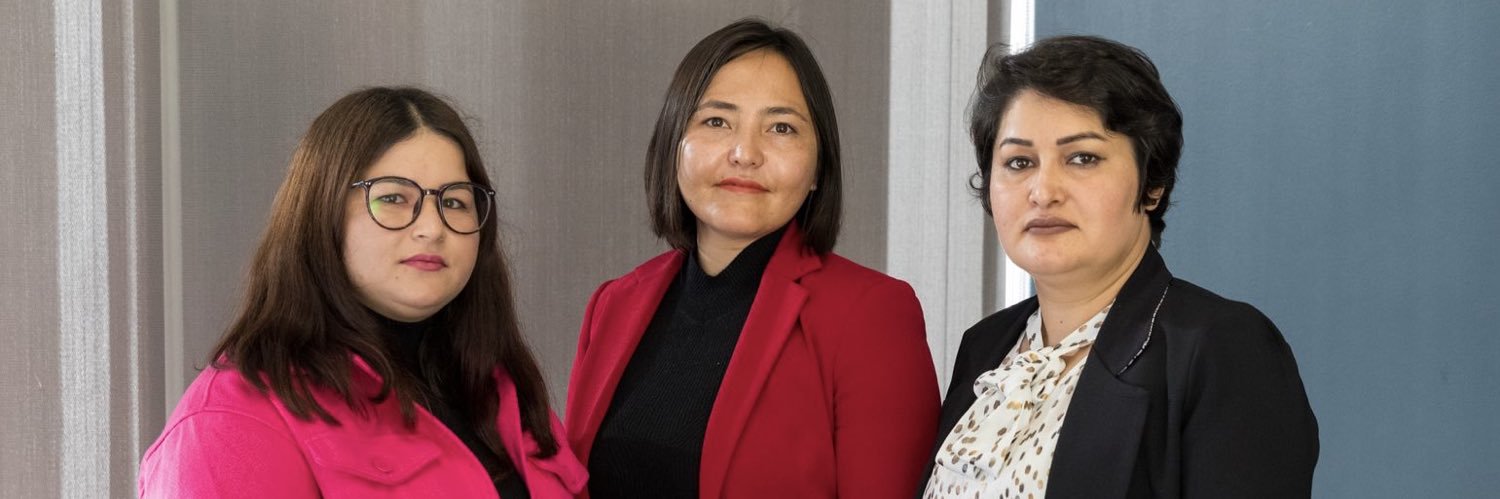
I have been asked to write a letter to Afghan women by the journalists of Zan Times, an Afghan women-led media in exile.
I accepted this invitation because the plight of women in Afghanistan matters.
https://t.co/uH7H9D96ug
Zulala Hashemi rose to public attention after appearing on one of Afghanistan’s most popular music competition programmes on Tolo TV, where she placed second among 12contestants. After the show ended, she disappeared from public view.
https://t.co/3cDYrJ7fZ5
For the past three years, 15-year-old Noria has continued her studies through educational radio programs. Her father, Haji Chinar Gul, is her greatest supporter.
“These online classes were my only source of hope”
The Taliban had ordered Afghanistan’s fibre-optic internet to be shut down. The restrictions follow a directive from the Taliban’s supreme leader, Hibatullah Akhundzada, to “prevent immorality.”
https://t.co/fCyJWodaFx
Celebrating three years of fearless reporting from Taliban-controlled Afghanistan.
Hear from our team at Zan Times about the journalism we do — holding the Taliban to account.
As we mark our third anniversary, stand with us. Share our story.
Show the Taliban: we are not alone.
Zan Times is deeply honoured to receive the 2025 Pen2Pen Örebro – Freedom of Expression Award, presented on World Press Freedom Day.
This award is a powerful tribute to the courage and resilience of Afghan journalists — especially women — who risk their lives to report the truth and hold power to account.
We are grateful to Pen2Pen Örebro for recognizing the importance of our work and for standing with Afghan women journalists at a time when the regime in power has declared war on women — and on the truth. Your solidarity means everything.
Zan Times was born out of desperation and anger — out of the urgent need to create a platform where women could report, speak the truth, and resist a regime responsible for the most severe women’s rights crisis of our time.
This recognition — and the 20,000 SEK prize — is more than an honour. It helps sustain our work and reminds us that we are not alone.
Thank you for standing with us.
We are working to keep the world informed about the worst women’s rights crisis of our time and its impact on 20 million women and girls in Afghanistan.
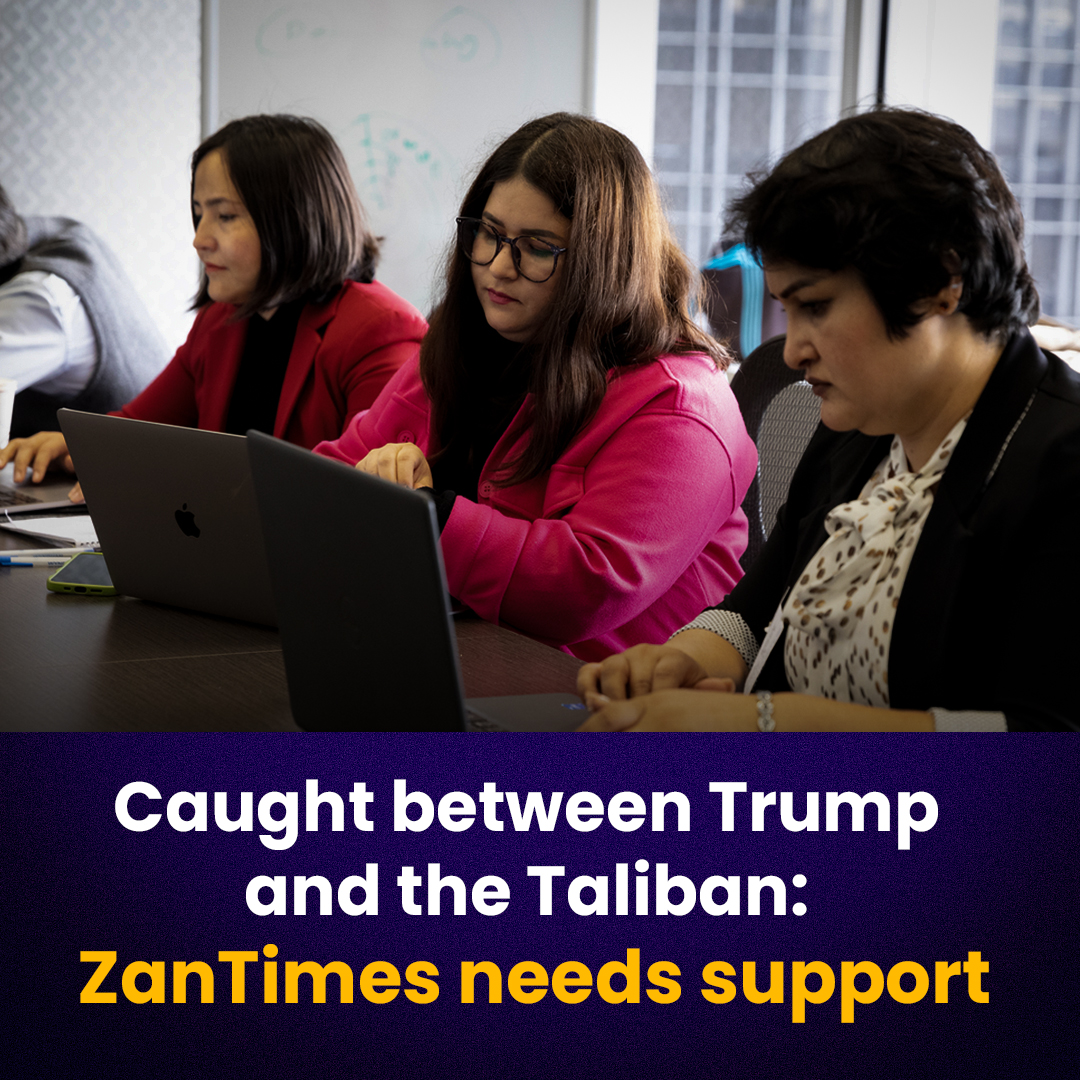
The recent funding freeze by the U.S. has affected us. We need your support to continue our work and document Taliban crimes.
Donate to our GoFundM: https://t.co/YDdBxTM09Q
Before the emergence of the modern education system and the rise of universities, madrasas were the main centres for learning, literacy, and nurturing elites. They were where people acquired the knowledge necessary for politics, administration, and culture. Sometimes, activities resembling those of universities also took place in madrasas when individuals, after completing their religious education, would turn their focus to research, experimentation, and theory-building. Relying on their madrasa-acquired knowledge, great scholars would occasionally emerge from the margins of these religious schools.
Read more: https://t.co/r6cpiTia3m
While the Taliban have banned all forms of modern education for women and girls — including secondary schools, universities, and even private classes — they are rapidly expanding one type of education: religious schools.
Read the full newsletter here: https://t.co/WxJMgEoWcm
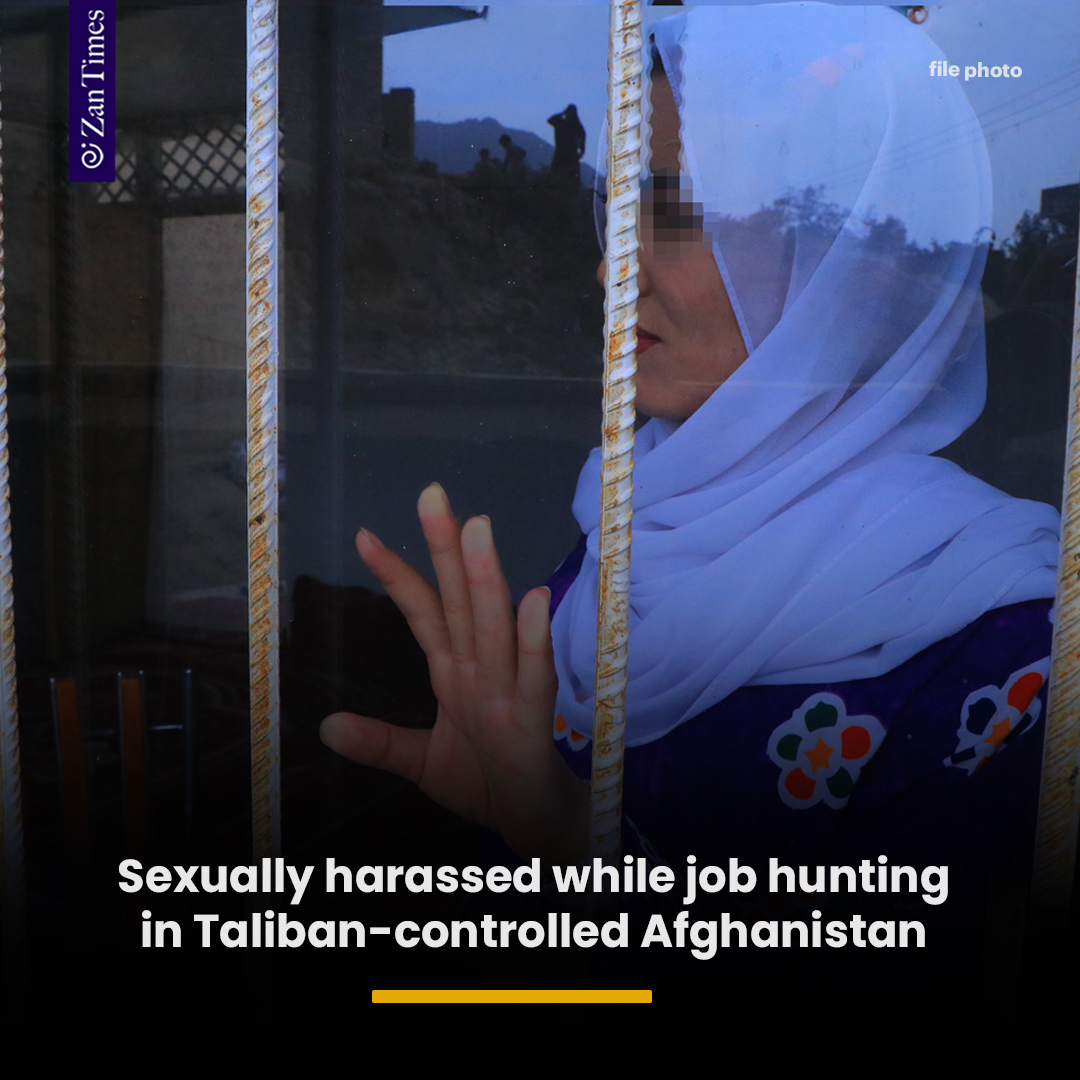
I had left home convinced that I was finally going to have a job and earn a salary. On my way back, my only wish was to return home. I told myself I would never look for work again. I would make peace with poverty.
My father’s words echoed in my mind: “You’re no longer allowed to work or study!”
There was a storm raging inside me. A voice within me whispered, “Your father knows his kind.” I thought about how the Taliban also came from among Afghan men and how many in our society were working with them.
Read more: https://t.co/PLOjuGUy2w
On International Workers’ Day, the most pressing issue for Afghans is unemployment and hunger. The International Organization for Migration recently reported that at least 5,000 Afghans have died on migration routes out of the country since 2014. The vast majority left Afghanistan in search of work. Tens of thousands of Afghan labourers have been killed or injured in workshops across Iran, Pakistan, Turkey, and other countries during this period. Many are subjected to torture, discrimination, and extreme exploitation. In some cases, they are treated as modern-day slaves as they are forced to work for months or even years without pay.
Read more: https://t.co/g79fArPumr
There’s no press freedom to celebrate in Taliban-ruled Afghanistan.
This #WorldPressFreedomDay, we at Zan Times remember what we’ve lost — and why we keep fighting to report the truth.
This WorldPressFreedomDay, stand with Afghan journalists: https://t.co/hdYopacJ58
#WPFD25
This is the story of Afghan women journalists who refused to let their voices go silent under Taliban rule even when media stations shut down, salaries cut, and their colleagues disappeared. During the last four years, Afghanistan’s women journalists have faced waves of repression, threats, bans, and censorship. Some refuse to stop. Determined to remain the voices of the people, they continue to work from inside their homes, using pseudonyms, and in the shadows of fear.
Read the full story here: https://t.co/KCHXHsgbiw
این روایتی از زنان خبرنگاری است که نگذاشتند صدایشان در حکومت طالبان خاموش شود، حتی وقتی ایستگاهها تعطیل، حقوقها قطع، و همکارانشان ناپدید شدند. چهار سال پس از روی کار آمدن طالبان، زنان خبرنگار با موجی از ممنوعیت، حذف، سرکوب، تهدید و سانسور مواجهاند.
https://t.co/0OoqYefGpX