🥇 Senior FTI trainer, Mark Reed, features on Clarivate’s 2025 Highly Cited Researchers list!
His new blog post unpacks what this says about research influence and offers links to training on writing 4* REF papers and inclusive stakeholder analysis.
🔗 https://t.co/f7t2x3lPwV.
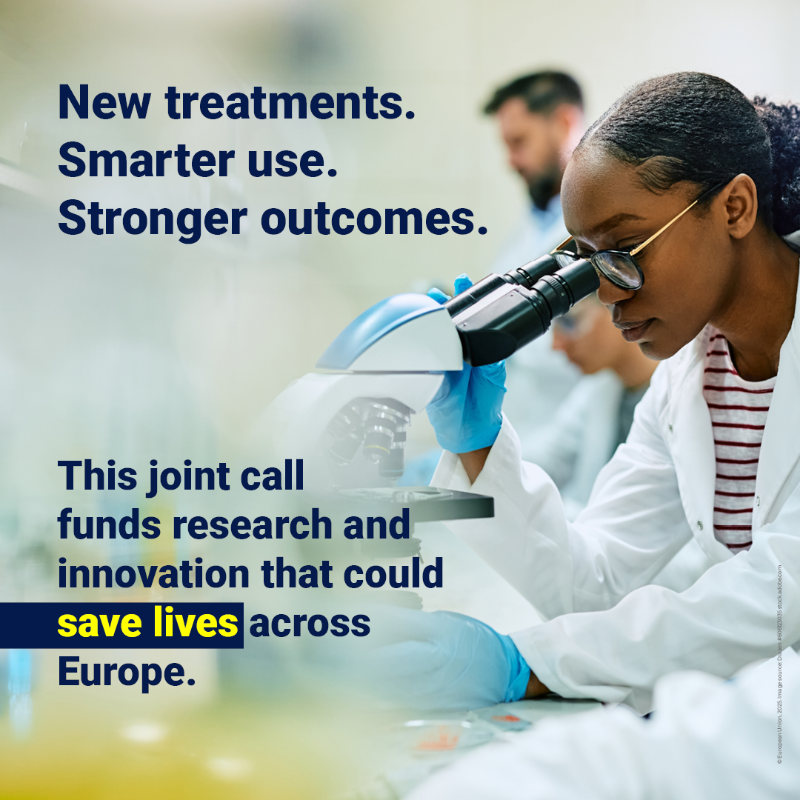
This European Antibiotic Awareness Day the EU turns resistance into resilience: the One Health #AntimicrobialResistance Partnership, launches its first joint transnational call to fund cost-effective treatments!
Webinar for applicants: 26 November.
Learn more ⤵️
#EAAThis European Antibiotic Awareness Day the EU turns resistance into resilience: the One Health #AntimicrobialResistance Partnership, launches its first joint transnational call to fund cost-effective treatments!
Webinar for applicants: 26 November.
Learn more ⤵️
#EAAThis European Antibiotic Awareness Day the EU turns resistance into resilience: the One Health #AntimicrobialResistance Partnership, launches its first joint transnational call to fund cost-effective treatments!
Webinar for applicants: 26 November.
Learn more ⤵️
#EAAThis European Antibiotic Awareness Day the EU turns resistance into resilience: the One Health #AntimicrobialResistance Partnership, launches its first joint transnational call to fund cost-effective treatments!
Webinar for applicants: 26 November.
Learn more ⤵️
#EAAThis European Antibiotic Awareness Day the EU turns resistance into resilience: the One Health #AntimicrobialResistance Partnership, launches its first joint transnational call to fund cost-effective treatments!
Webinar for applicants: 26 November.
Learn more ⤵️
#EAAD
England's heritage sector generates £45 billion annually, more than the aerospace, defence, and sports industries combined💰. Strategic investment in Britain's heritage can unlock numerous economic benefits.💸
Read our #BackingTheBedrock Report here 👉 https://t.co/7kV99XthtD
https://t.co/rqHU6I6Kgy I have started a blog to record the lesser known history and archaeology of the North East. The subject of the first post is the almost forgotten WW1 German POW camps in County Durham.@ChangingNetwork@neheritagelib@northerncurio@ProfTonyPollard
How do we develop and grow creative heritage, health and wellbeing? To find out, come along to this free online roundtable delivered by The Restoration Trust & the Culture, Health & Wellbeing Alliance.
📅: 22 July 2025, 10am-12pm
https://t.co/WTAKpW024T
A new blog post. June is MND awareness month so if you could share this post you’d really be helping. More awareness of what MND entails means more leverage for the community in all areas. Thanks for reading 😊 #mnd#toughdecisions#wouldyourather https://t.co/bjj0GI8i2A
Have you met Duygu Çamurcuoğlu? Duygu is the lead of our 'Career Advice Sessions’, a new initiative designed to support Students and Early Career members with their career development.
What levers & mechanisms can senior leaders use to enable change in a hierarchical system? The most commonly used are holding to account through regulation, performance goals & incentives. These often lead to superficial compliance through control rather than building shared purpose through collaboration & trust.
This new article describes the use of an "Explicit Psychological Contract" (EPC), a formal agreement that outlines the mutual obligations/expectations between two or more parties with differing levels of power. In this case, the EPC was between a national healthcare regulator & leaders of five hospital systems seeking whole, system quality improvement.
Insights:
1) An EPC acts as a powerful tool in fostering an adaptive, reciprocal, and trust-based relationship by clearly articulating mutual obligations.
2) When a breach of the EPC occurs, one or both parties assess potential risks and benefits for trust relations, and may choose to trigger (or not) a collective discussion to understand why.
3) The true power of an EPC is accessed only when the parties to it stick to the expected behaviours across time, especially in the face of adverse conditions, e.g. political instability & resource constraints:
https://t.co/o6ZOLh4XbF. Via @DrNicolaBurgess.
I needed to do something creative, so I took @historicengland's heritage at risk data set and made it useful via @PelagiosNetwork's Peripleo viewer https://t.co/K2sQqJSGaY A bit of R, a bit of web scraping, a bit of node and some open data to get to this.
In session 4 at #CoastalFutures25@AntonyFjrth from @historicEngland will illustrate the value of integrating marine heritage into coastal planning and restoration to enhance cultural and environmental outcomes🌊🎟️Get your ticket to watch online or in London: https://t.co/Qzm2iBSj6n
🤔Why get involved?
The Soil Farmer of the Year competition is all about celebrating good soil management and sharing experience and innovation. It's great fun, too!
Find out more👇 https://t.co/HIyKQ22XL3
#SoilHealth@InnovationforAg@CotswoldSeeds @Hutchinsons_Ag
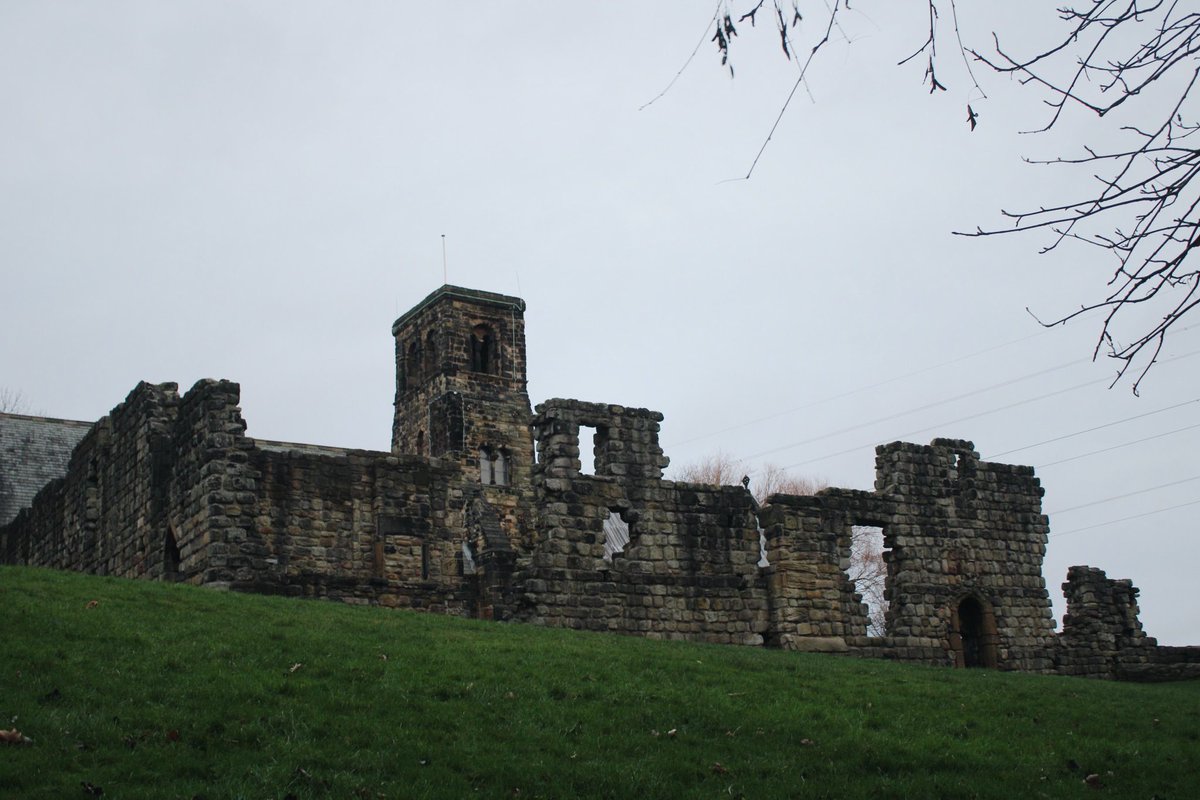
Evening! We couldn’t talk about St Paul’s without mentioning the monastery ruins directly next door.
Just like the church, these ruins are a patchwork of eras which were added onto each other until the suppression of the monasteries in the 16th century.
Though Bede resided here for most of his life, much of what we see does not date from when he took residence. Monastic life declined a little time after his death but was reestablished in the 11th century. It was Aldwin, the prior of Winchcombe, who devoted his life to the workings of Bede and restarted the monastery.
He reconstructed it in the style of the traditional Benedictine complexes with a central cloister, but only partly finished it before becoming the Prior of Durham. Thereafter, it was a poor and austere colony with only a few monks here. It wasn’t until the 13th or 14th century when most of the ruins we see came to fruition and self sustenance really began.
There was a farm here with a granary, mill and barn. A chapter house and kitchen stood on the east side which is part of what we see today.
Much of it was cleared as part of the wider dissolution in the 1530s, but parts were continually demolished through the centuries. It still marks one of the most remarkable religious sites in the whole of the north though, and I’m still yet to do the walk from Peter to Paul!
Today, @DCMS has published a new series of reports that help articulate the value of culture and heritage.
The research identifies the monetary value and health impacts of engagement with culture and heritage.
Read the report ➡️ https://t.co/QOiTsoeIM1
Now open: @HistoricEngland call for evidence, participants and case studies to develop a framework and linked taxonomies for better articulating the value of arts, culture and heritage on an economic platform.
More info here: https://t.co/5gyPOIDOnd
All love and gratitude to Sean Rafferty
What a lovely job he has done promoting great music on London and the UK for the last 27 years, with wit, panache and excellence. We should all be so grateful
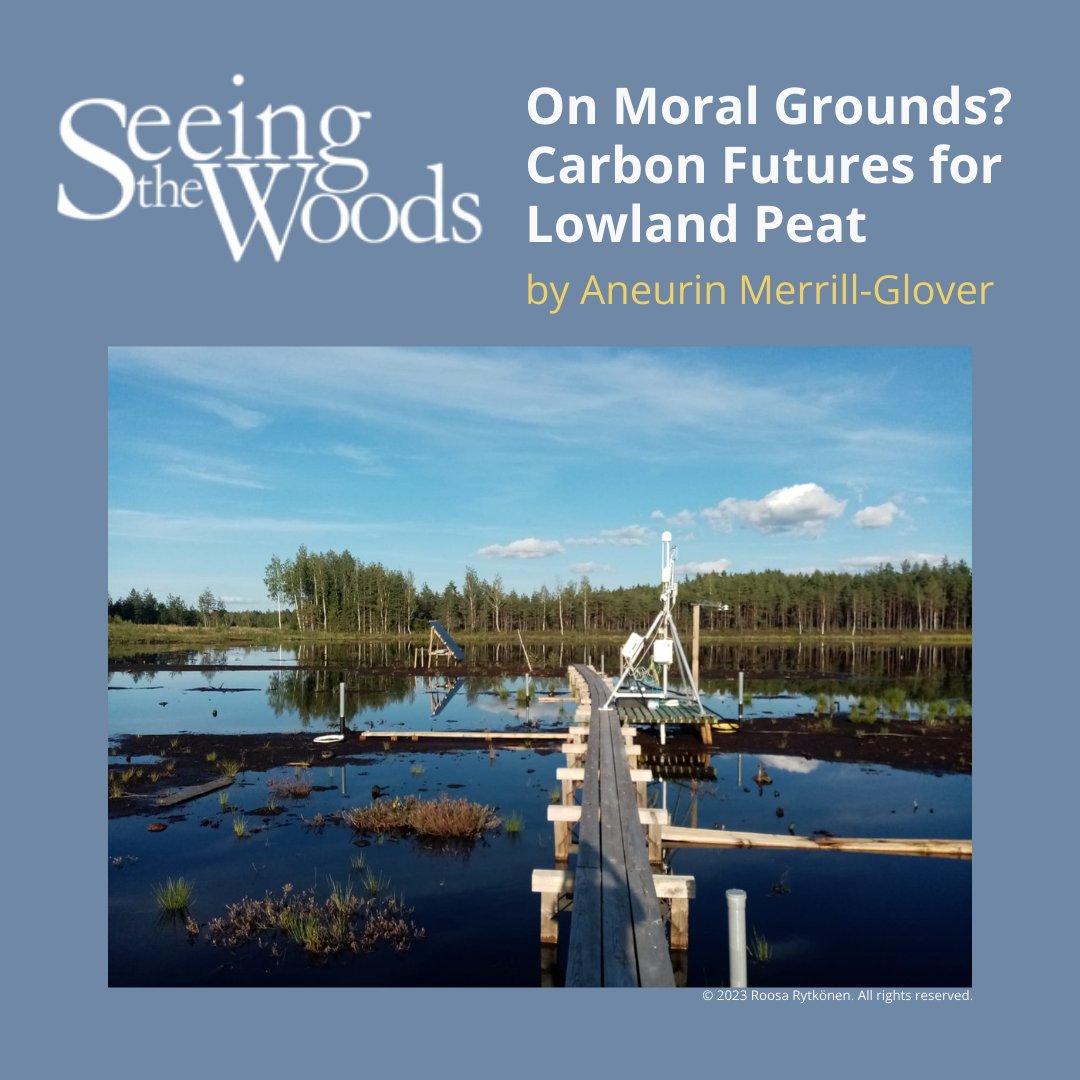
🥳Our second reading recommendation today is 𝘚𝘦𝘦𝘪𝘯𝘨 𝘵𝘩𝘦 𝘞𝘰𝘰𝘥𝘴' latest addition “On Moral Grounds? Carbon Futures for Lowland Peat” by former Landhaus Fellow Nye Merrill-Glover.
https://t.co/Lg9evnsG5L
#rccpublications#seeingthewoods#envhum#peatlands#wetlands
The November #ArchesProject bulletin is here! This issue highlights the release of Arches for HERs & the public launch of GLHER Online, plus a new Arches demo site, the October virtual developer meeting, community presentations & more: https://t.co/b2pjMX5SO6
Could you be the next NHSF Trustee?
We’d love to hear from you! Especially if you can help us diversify our income, develop our membership, and/or communicate the value of heritage science to a wider audience. Apply by 13 Nov 2024.
https://t.co/e3hNJSDiXu