Your tab. Your Space.
PULSE shares your Chrome tab’s audio into X Spaces. Adjust the level and stereo width, and use your mic when you want to speak.
Free to use. Desktop Chrome 120+. Manual install.
Download & setup:
https://t.co/voPhsgSSfr
PSA: https://t.co/kwL1ScmGHY is now open.
A live, open-data atlas of the threat landscape:
– Cyber attacks, ransomware & exploited CVEs
– Armed conflict & air/naval forces
– Live air traffic
– MITRE ATT&CK, mapped
Free. No ads. No trackers. Every source credited.
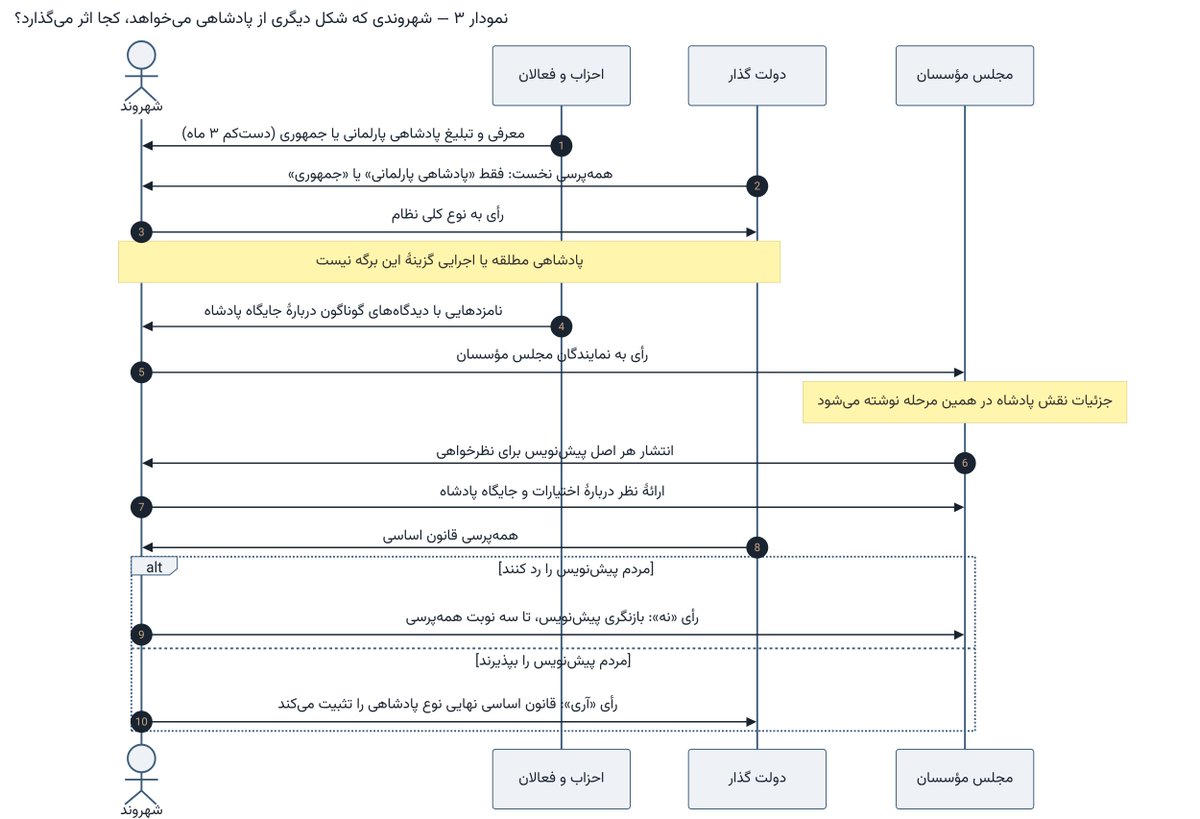
۱. دو همهپرسی جداگانه برگزار میشود، نه یکی. طبق کتابچه، ابتدا همهپرسی برای تعیین نظام حکومتی (پادشاهی پارلمانی یا جمهوری) برگزار میشود. سپس مجلس مؤسسان برای نگارش قانون اساسی جدید انتخاب میشود. بعد همهپرسی دربارهٔ قانون اساسی پیشنهادی انجام میگیرد و در پایان، انتخابات مهستان (پارلمان) برگزار میشود [۱][۲]. اگر نظام جمهوری انتخاب شود، انتخابات ریاستجمهوری همزمان با انتخابات مهستان برگزار میشود [۳].
۲. تنها گزینهٔ پادشاهی روی برگهٔ رأی، «پادشاهی پارلمانی» است. کتابچه برای همهپرسی نخست فقط دو گزینه نام میبرد: پادشاهی پارلمانی یا جمهوری [۴]. پس پادشاهی مطلقه جزو گزینهها نیستند. علاوه بر این، روی هر دو برگهٔ رأی متنی درج میشود که هفت اصل را پایههای تغییرناپذیر نظام حقوقی آینده اعلام میکند [۵]:
- تمامیت ارضی ایران و یکپارچگی ملت
- کرامت انسانی و حقوق و آزادیهای بنیادین، با الهام از استوانهٔ کوروش و بر پایهٔ اعلامیهٔ جهانی حقوق بشر
- دموکراسی با انتخابات آزاد، منصفانه و دورهای بر اساس «یک شهروند، یک رأی»
- حاکمیت قانون
- جدایی کامل دین از حکومت
- تفکیک قوا
- استقلال و بیطرفی دیوان (قوهٔ قضاییه)
۳. نگارش قانون اساسی بیشتر در فاز تثبیت انجام میشود، نه در فاز اضطرار. فاز اضطرار شش ماه نخست دوران گذار است و فاز تثبیت از ماه هفتم تا پایان دوران گذار ادامه دارد [۶]. دولت گذار باید همهپرسی نظام را حداکثر ظرف چهار ماه برگزار کند [۴]. انتخابات مجلس مؤسسان باید حداکثر دو ماه پس از دریافت نتیجهٔ همهپرسی برگزار شود و مجلس مؤسسان شش ماه برای نگارش قانون اساسی فرصت دارد [۷]. با جمع این مهلتها، بخش عمدهٔ نگارش پس از ماه ششم انجام میشود. کل این روند سیاسی ۱۸ تا ۲۴ ماه پیشبینی شده است. هر تمدید بیش از شش ماه به تأیید رؤسای سه نهاد گذار و رهبر خیزش ملی نیاز دارد، و تمدید بیش از دوازده ماه به همهپرسی [۸].
شکل پادشاهی را قانون اساسی تعیین میکند
طبق این چارچوب، جزئیات پادشاهی، یعنی جایگاه و اختیارات پادشاه، در قانون اساسی جدید تعیین میشود. کتابچه تصریح میکند که ساختار سیاسی پس از دوران گذار را قانون اساسی جدیدی مشخص میکند که نمایندگان منتخب مردم ایران مینویسند [۹]. مأموریت مجلس مؤسسان نیز نگارش قانون اساسی بر پایهٔ نظامی است که ملت در همهپرسی برگزیده است [۷]. حتی سوگند وفاداری ارتش، در صورت انتخاب پادشاهی پارلمانی، به «تاج، آنگونه که در قانون اساسی تعریف شده» خواهد بود [۱۰]. در صورت انتخاب پادشاهی پارلمانی، مجلس مؤسسان میتواند از قانون اساسی ۱۹۰۶ (مشروطه) بهعنوان مبنای نگارش استفاده کند [۱۱].
کسی که شکل دیگری از پادشاهی را میخواهد، سه راه برای اثرگذاری دارد:
- رأی دادن به نمایندگان همفکر در انتخابات مجلس مؤسسان. این انتخابات آزاد و مطابق استانداردهای دموکراتیک بینالمللی برگزار میشود [۷]. تعداد کرسیها و شرایط نامزدی را مهستان گذار پیش از همهپرسی نظام تعیین میکند تا مردم و احزاب با آگاهی کامل وارد گفتوگوی ملی شوند [۱۲].
- ارائهٔ نظر هنگام نگارش. مجلس مؤسسان موظف است هر اصلِ نوشتهشده را منتشر و بهطور گسترده پخش کند تا نظر مردم گرفته و در پیشنویس لحاظ شود [۱۳].
- رأی «نه» به پیشنویس. اگر مردم پیشنویس را رد کنند، ظرف دو ماه بازنگری میشود و همهپرسی دوم برگزار میشود. اگر باز هم رد شود، مجلس مؤسسان منحل میشود و مجلس تازهای ظرف دو ماه انتخاب میشود. این مجلس پیشنویس را ظرف دو ماه بازنگری میکند و همهپرسی سوم برگزار میشود [۱۴].
با این حال، این دامنه محدود است. در این چارچوب نمیتوان به پادشاهی غیرپارلمانی رأی داد، زیرا چنین گزینهای اصلاً روی برگه نیست [۴]. حق انتخاب آزادانهٔ نظام حکومتی نیز در خود کتابچه به همین دو گزینه تعریف شده است: پادشاهی پارلمانی یا جمهوری [۱].
منبع: کتابچهٔ «دوران اضطرار»، پروژهٔ شکوفایی ایران (NUFDI)، نسخهٔ انگلیسی بازبینیشده، فوریهٔ ۲۰۲۶:
https://t.co/F3CrVsiSiR
[۱] پیشگفتار شاهزاده رضا پهلوی، ص ii
[۲] بخش سیاسی، بندهای ۱۵.۶ تا ۱۵.۸، ص ۱۴–۱۵
[۳] بخش سیاسی، بندهای ۱۵.۸.۲.۲ و ۱۵.۸.۲.۳، ص ۱۶
[۴] بخش سیاسی، بندهای ۱۵.۶ و ۱۵.۶.۱، ص ۱۴
[۵] بخش سیاسی، بند ۱۵.۶.۳، ص ۱۴–۱۵
[۶] «دربارهٔ پروژهٔ شکوفایی ایران»، ص iv–v؛ مقدمهٔ بخش سیاسی، ص ۹
[۷] بخش سیاسی، بند ۱۵.۷، ص ۱۵
[۸] بخش سیاسی، بند ۲۰، ص ۲۳
[۹] مقدمهٔ بخش سیاسی، ص ۹
[۱۰] بخش نظامی و امنیتی، «جدایی ارتش از سیاست و ایدئولوژی»، ص ۲۸
[۱۱] بخش سیاسی، پانوشت ۱۳، ص ۱۵
[۱۲] بخش سیاسی، بند ۱۰.۴، ص ۱۲
[۱۳] بخش سیاسی، بند ۱۵.۷.۳، ص ۱۵
[۱۴] بخش سیاسی، بند ۱۵.۸.۱، ص ۱۵
@Farkhoush
It depends on the constitution, so vote for a constitution where King Reza Pahlavi II is the Head of State and the Commander in Chief.
Norway: Article 25 of the Norwegian Constitution explicitly states: "The King is Commander-in-Chief of the land and naval forces of the Realm." He is also explicitly designated as the executive Head of State.
Sweden: Following the sweeping constitutional overhaul of the 1974 Instrument of Government, the Swedish King is strictly the Head of State only. The Swedish Constitution completely stripped the monarch of the Commander-in-Chief title, transferring supreme military command directly to the elected Government.
In many parliamentary monarchies (such as Norway, Sweden, the Netherlands, or Spain’s regional/national list tiers), voters may vote for a closed or open party list.
Citizens vote directly for a specific individual candidate running to represent their local district or constituency.
Islamic regime foreign minister Abbas Araghchi met with the UK's feckless cowardly foreign secretary Ed Miliband at the UNGA.
I remind you earlier this year, the Islamic regime slaughtered tens of thousands of protesters — including children, and has continued to carry out executions of protesters every day since then. Ed Miliband thinks that’s fine, even though they kidnap Brits for hostage diplomacy.
Ron Prosor, Israels ambassadör i Tyskland, säger att Berlins judiska samhälle står inför «en omedelbar existentiell fara» efter valresultatet.
https://t.co/oM2qHD6VMr
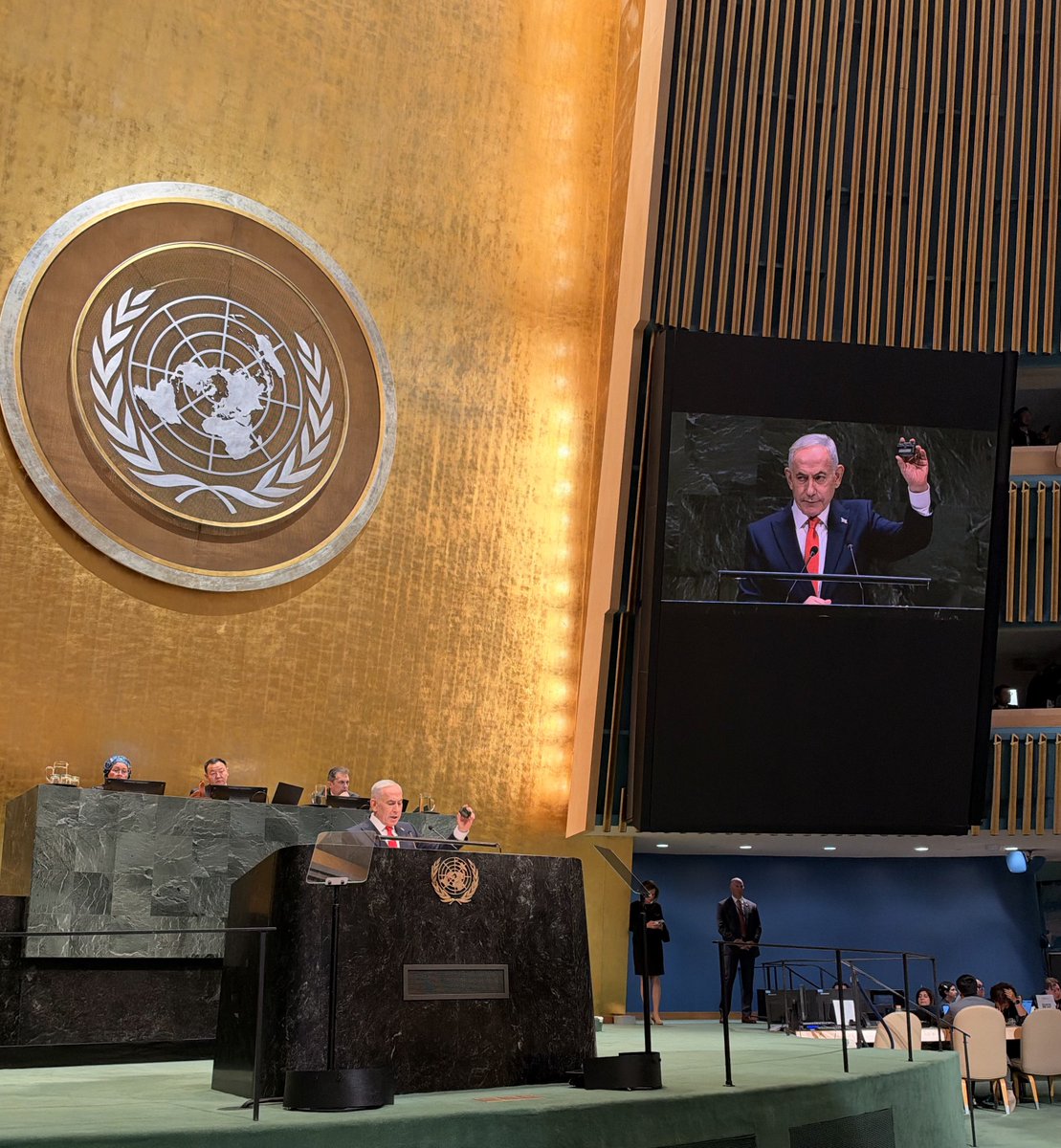
"If there are any other moral cowards who haven't yet left this hall, please do so now."
⠀
Israeli Prime Minister Benjamin Netanyahu opens his address to the United Nations General Assembly in New York with a sharp rebuke as delegates walk out of the hall in protest of his speech.
Keeping the Arctic secure 💪
Protecting Greenland and the High North is more important to the Alliance than ever ❄️
Arctic Sentry, NATO's vigilance activity, helps defend this region for our collective security ↓
👑 A Statesman’s Blueprint for Liberation: Highlights from His Imperial Highness Crown Prince Reza Pahlavi at the Concordia Annual Summit
Addressing world leaders, diplomats, and international policymakers at the Concordia Annual Summit in New York, His Imperial Highness Crown Prince Reza Pahlavi delivered a commanding, principled address outlining the definitive path toward a free, secular, and prosperous Iran.
Speaking not merely as the heir to Iran’s ancient heritage, but as a steadfast guardian of Iranian national sovereignty for over four decades and the leader of the Lion and Sun Revolution, Crown Prince Reza Pahlavi called upon the international community to abandon decades of failed appeasement and align decisively with the Iranian people.
---
Key Takeaways from His Imperial Highness’s Address:
🔹 From Pillar of Peace to Regional Disruptor
Before the catastrophic 1979 revolution, Iran was an engine of regional development, stability, and mutual respect—fostering peaceful alliances across the Middle East, from the Arab Gulf to the broader international community. HIH reminded the audience that four decades of extremist ideology turned a thriving nation into a sponsor of terror, proxy conflicts, and economic ruin.
🔹 South Korea vs. North Korea: The Stolen Potential
In 1978, Iran’s GDP doubled that of South Korea. Today, despite possessing 93 million highly educated citizens and vast natural wealth, the nation has been driven toward economic catastrophe by an illegitimate, corrupt mafia. A liberated Iran will reclaim its rightful place as the economic powerhouse of the region.
🔹 Stop Appeasing the Oppressors; Invest in the People
Western governments must recognize that the clerical regime’s ideological DNA cannot be reformed. True national security and global economic stability can only be secured by supporting the brave Iranian populace—particularly the Gen Z youth and women who risk their lives daily on the streets demanding basic liberty, equality, and dignity.
🔹 No Foreign Intervention Required
Crown Prince Reza Pahlavi emphasized that liberating Iran requires neither foreign boots on the ground nor American taxpayer dollars:
"The boots on the ground in Iran are the people of Iran themselves."
Over $100 billion in frozen regime assets—the rightful wealth of the Iranian nation—must be unlocked and repurposed to support the transition to democracy and civil reconstruction.
🔹 46 Years of Unwavering Patriotic Devotion
Recounting his readiness to fly as a fighter pilot for his homeland during the 1980 invasion despite being in exile, HIH reaffirmed his family’s lifelong covenant with the nation: a sacred duty that transcends politics, dedicated entirely to serving the people until Iran is permanently restored to freedom and justice.
🔹 A Vision for the Day After
Liberation is not just about dismantling tyranny; it is about rebuilding the future. A free Iran will instantly end regional missile proliferation, normalize international trade, help stabilize global energy markets, and turn urgent collective focus toward critical ecological challenges, especially the catastrophic water crisis threatening the plateau.
---
The Crown Prince once again proved why he remains the paramount symbol of national unity, legitimacy, and democratic renewal. The message to the free world is unmistakable: Iran’s future belongs to its people, and their victory is inevitable.
Javid Shah