Global Sanctuary for Elephants does not receive any government funding. GSE relies solely on individual supporters. If you are looking for other ways to help @GlobalElephants please consider the following alternative forms of giving:
https://t.co/Xyz0uU8dCz
To date, all of our elephant residents have been female Asian elephants. But, as you all know, we are working toward welcoming our first female African #elephants, Kenya from Mendoza in Argentina and Pupy from Buenos Aires. In addition to the uniqueness among the personalities of individuals, there are also significant differences between Asian and African elephants as species.
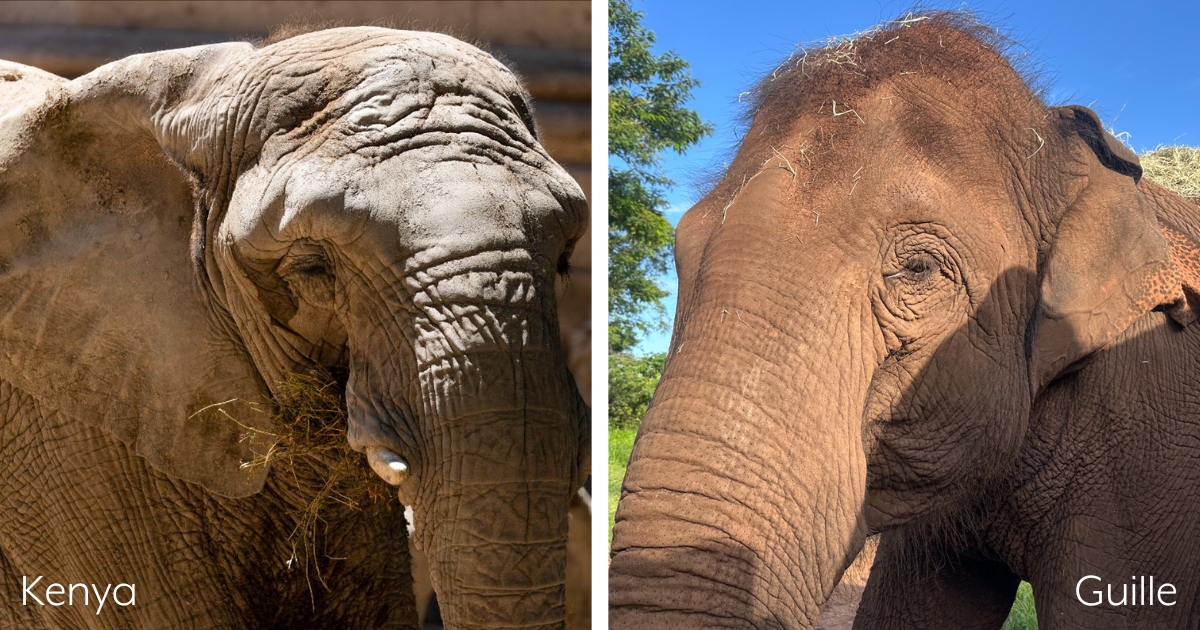
On a very basic level, there are physical differences between Asian and African elephants. Perhaps the two most obvious are their ears and tusks. Asian elephants have smaller and rounder ears than their African cousins, whose ears are larger and often compared to the shape of the African continent. All elephants use their ears to dissipate heat, but African elephants developed larger ears over time, due to the hotter climate of their natural environment. As for tusks, only male Asian elephants are able to develop tusks, but both male and female African elephants can have them. Female Asian elephants have what are called tushes.
Asian and African elephants also have specific head shapes. You have surely noticed that all of our current residents have what’s referred to as “twin-domed” heads, with a divot that runs down the middle; African elephants have rounded heads, without any divots. In general, African elephants are larger in physical size and weight than Asian elephants, which you will probably notice right away, once our new residents join us.
The species have a number of other unique qualities that we will explore as time goes on and we introduce our new residents. Each will have specialized diets, but they also have diverse qualities of their feet, tusks, number of toenails, ‘fingers’ on their trunk tip, teeth, lip shape, and skin texture. Still, they do share similarities, like their well-defined social structures in the wild. Both African and Asian elephants are matriarchal, with males eventually joining bachelor herds; they’re not always loners, as many used to believe.
There is no overlap in nature between the physical ranges of African and Asian elephants, so they do not live together in the wild. This is one of the reasons we have opted to build unique habitats for the specific types of elephants, to replicate their natural lives as closely as possible. There are also potential behavioral differences that would come into play, which has historically led to conflict. As with the arrival of any new elephant, the addition of African elephants to our current Asian group will bring exciting challenges and lots of unknowns. We are enthusiastic about the opportunity to expand our sanctuary family and to see how each individual grows into their new space.
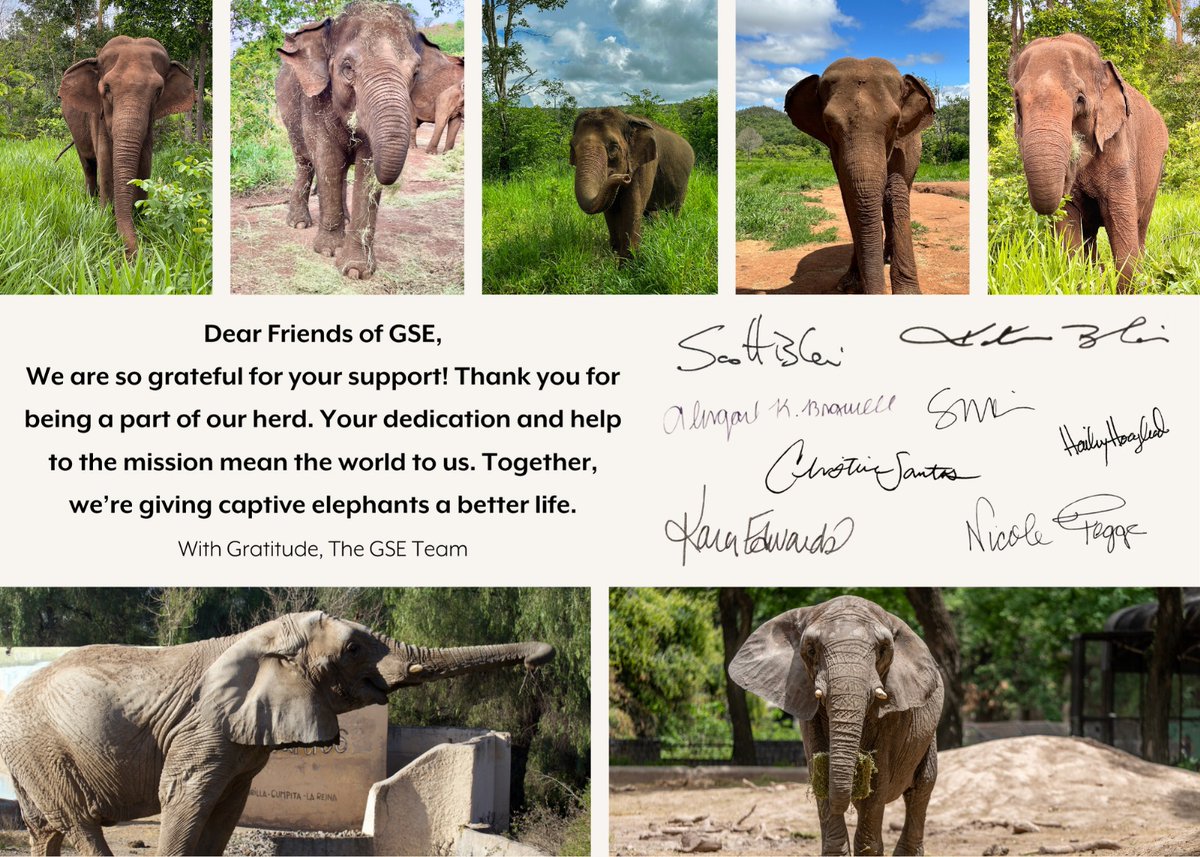
What other differences do you see in these photos of Kenya and Guille?
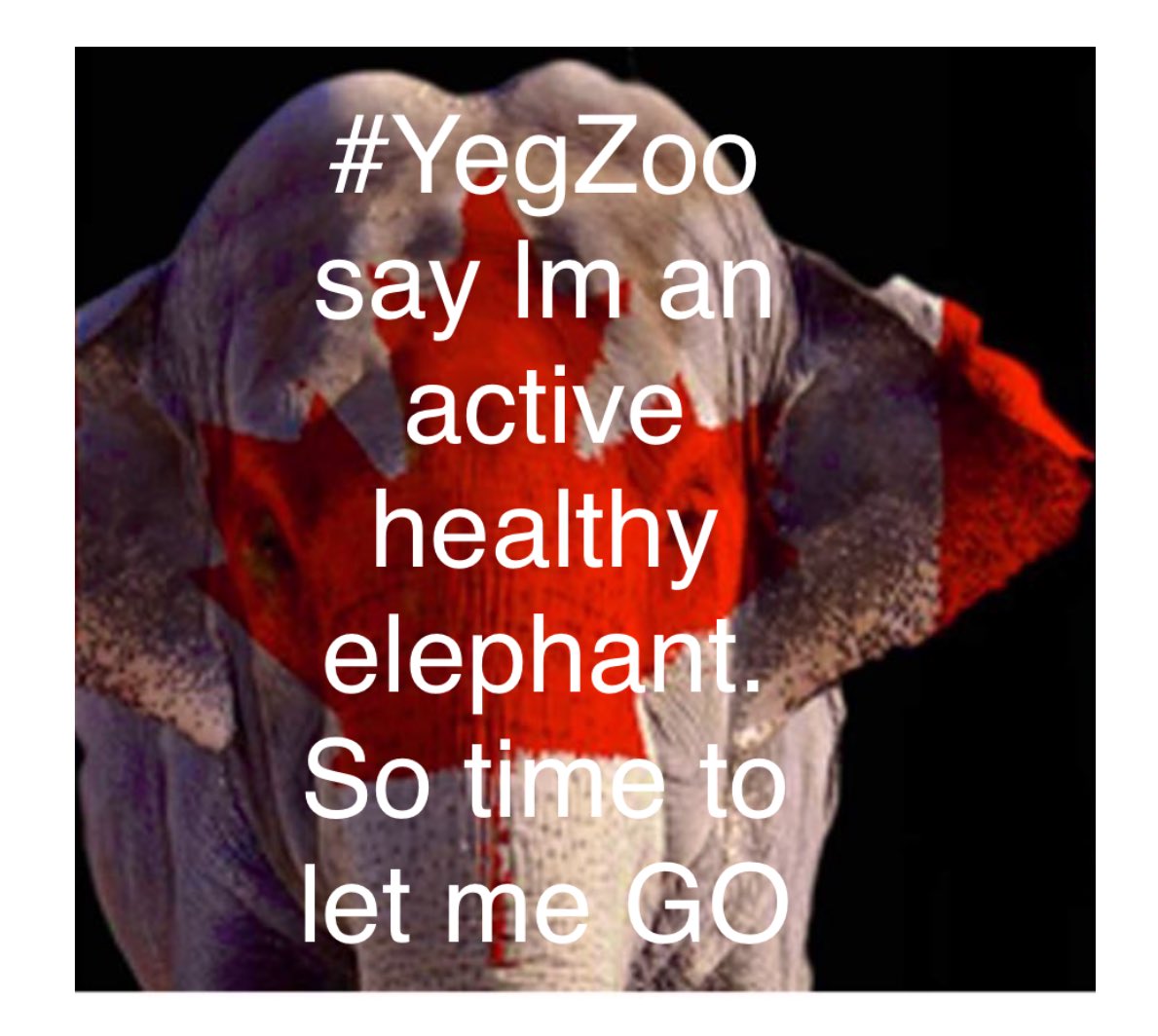
#Lucy's behavior has been tamed to fit in with #YegZoo but she remains genetically wild. @Mister_Regina@Cher this cannot go on. Lucy is well & active & deserves sanctuary! #LucyIsGood2Go
@AaronWardDene In past 2 years, several US zoos have retired🐘to AZA certified Elephant Sanctuary in Tennessee. They clearly have no concerns abt the sanctuary providing best possible habitat & care. Pls direct #YEG zoo to consult them, listen & make right choice for #Lucy.
.@YourAlberta🐘expert Daryl Hoffman confirms #Lucy would survive traveling to sanctuary. Her solitary life is unnatural, regardless of enrichment. Pls 🛑denying Lucy the chance for companionship, social bonds. #LucyIsGood2Go
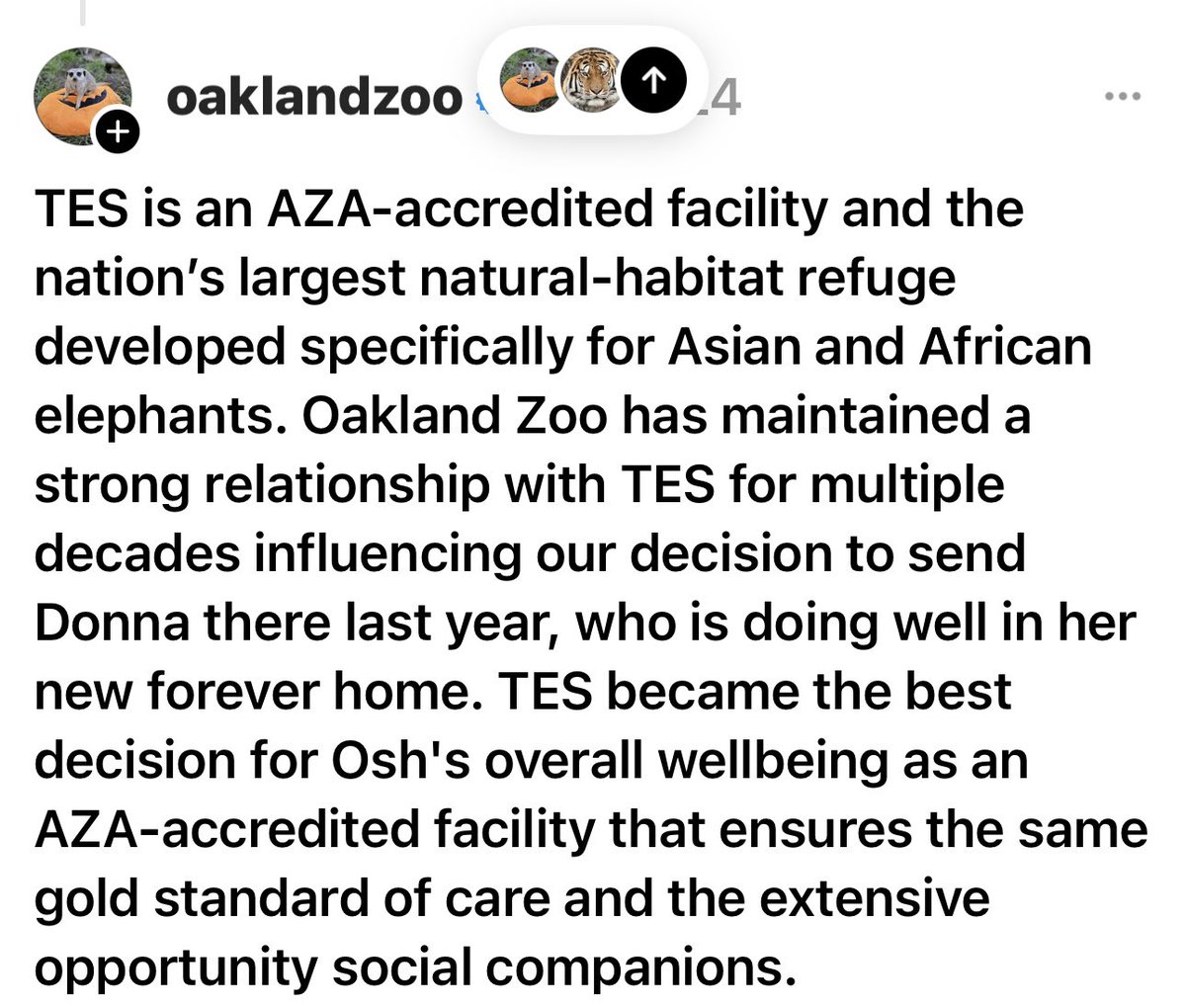
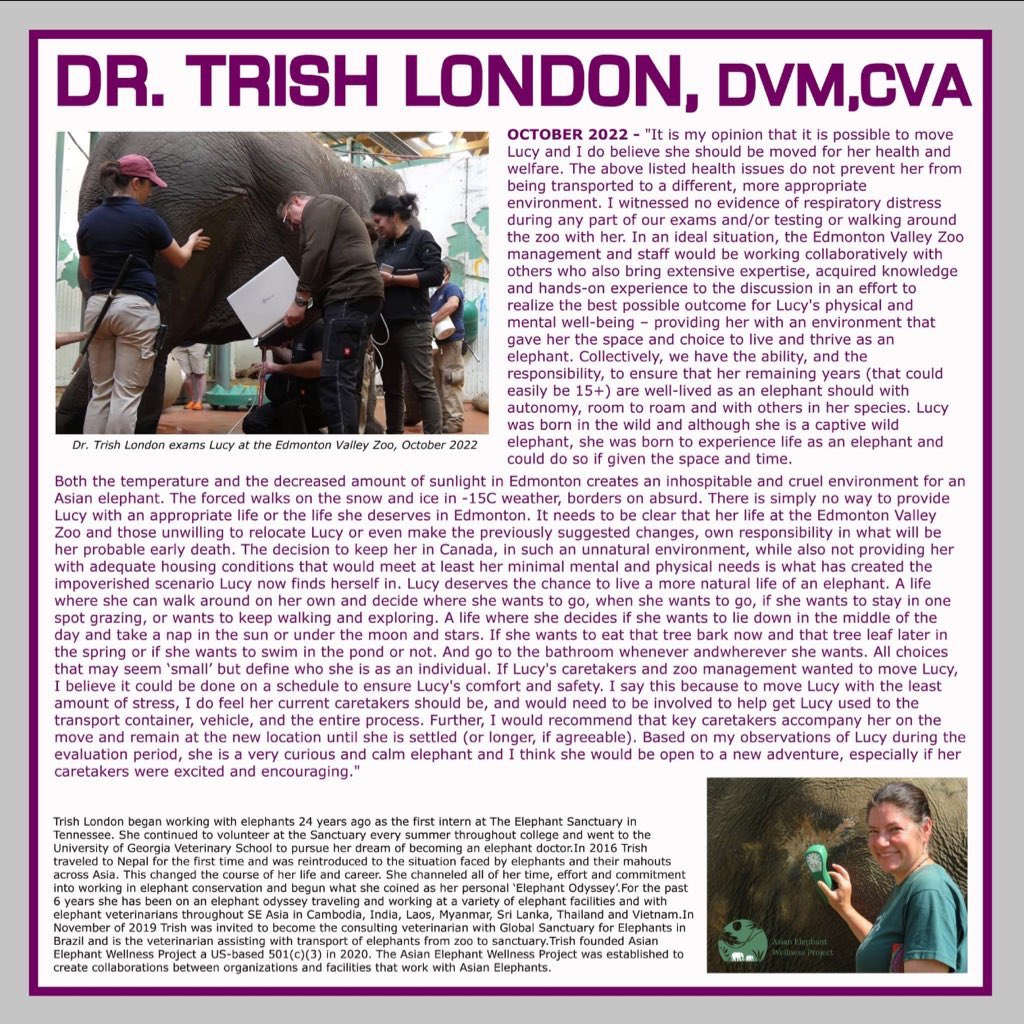
Last year Dr London recommended #Lucy move to TES a AZA zoo certified sanctuary with no suggested incidents of 🐘 EEHV so no concerns. 2024 report states #Lucy is active & healthy. Pls support her move! @YEGHugo@paigeeparsons#LucyIsGood2Go
.@michaeljanz 🐘 require brutal training to accept human contact. Even then they retain their natural instincts which are meant for the wild @VirginRadioYEG#Lucy would easily & quickly revert to her natural self in sanctuary. @kprincipeyeg#LucyIsGood2Go
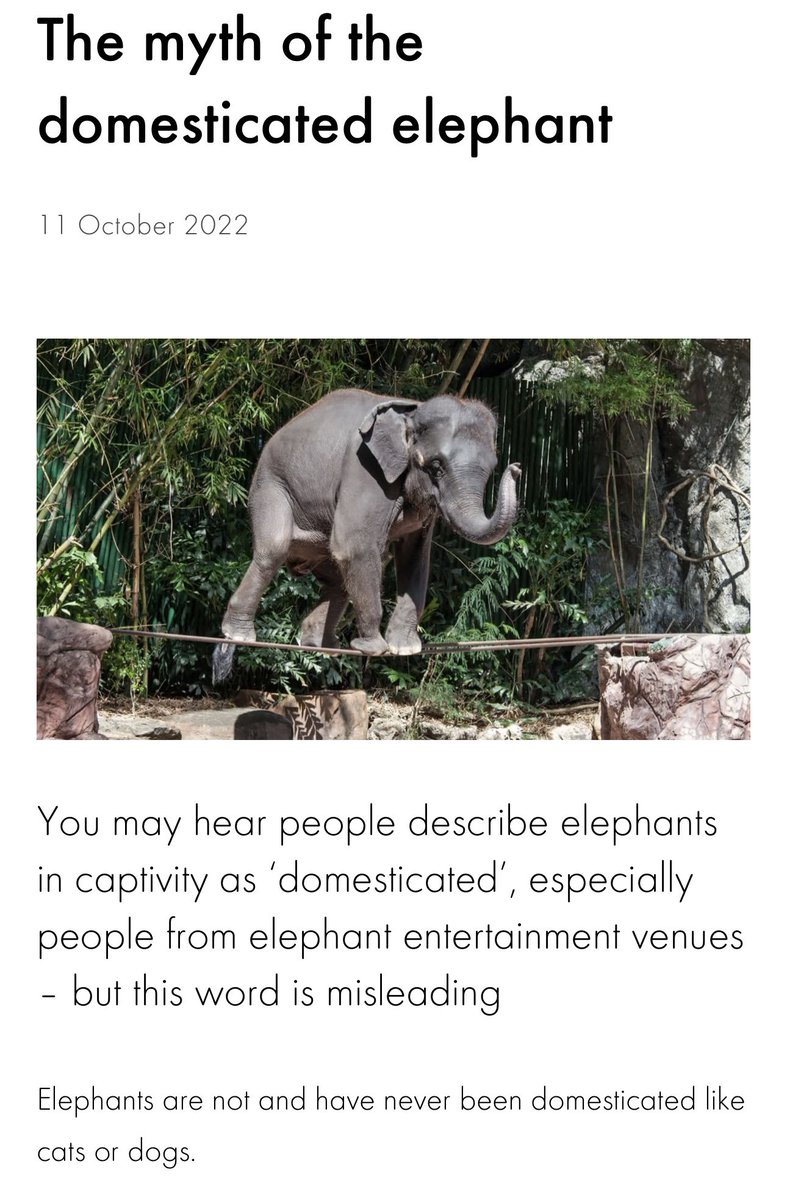
.@AaronWardDene Experts agree that to be domesticated, species must be selectively bred by humans for at least 12 generations. Clearly not Lucy's case! She is used to people now, but she would easily become used to elephants! @PLANYeg#LucyIsGood2Go
It's not possible for 1️⃣ individual wild 🐘 to become domesticated within their lifetime @Mister_Regina stand with us to reject #YegZoo keeping #Lucy. She is fit, healthy & ready to go to TES 🇺🇲 a AZA zoo certified sanctuary waiting #LucyIsGood2Go
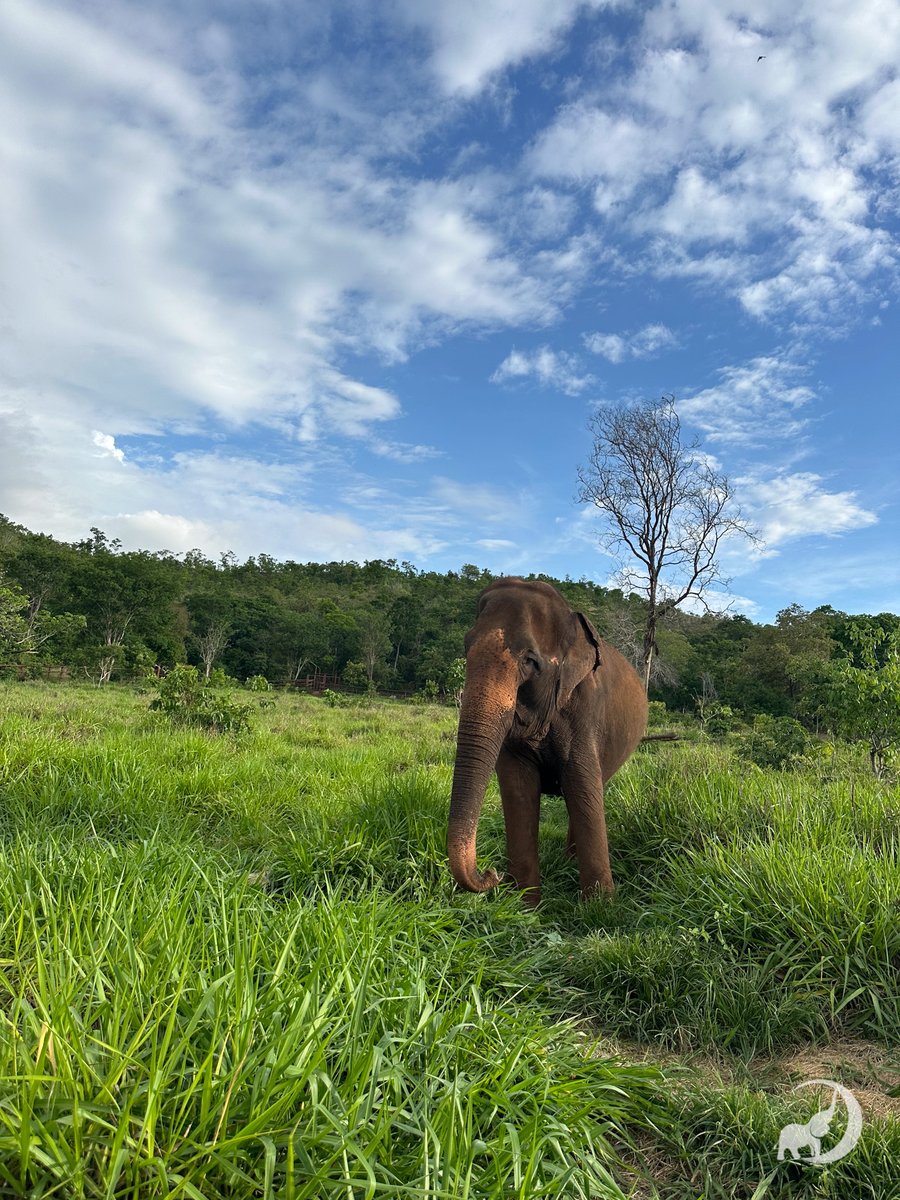
Rana enjoyed another lovely day at the sanctuary. Did you know that she's the sanctuary's oldest #elephant? We estimate her to be 65 years old, but she may be even older.
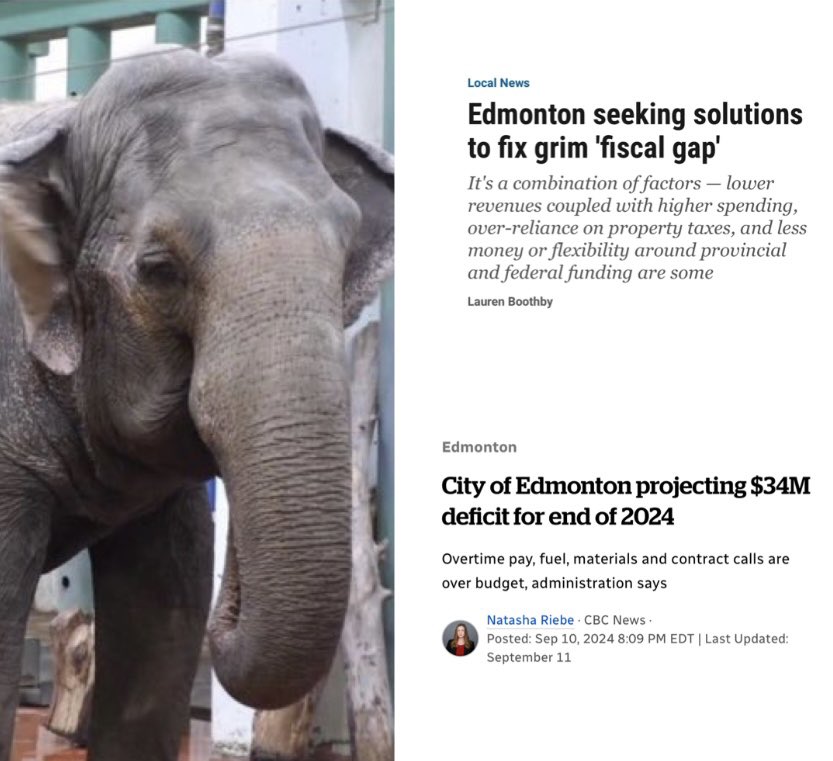
Please sign & share this NEW petition to send Edmonton's lone elephant Lucy to sanctuary in the US. Her health has improved and it is past time to let her retire to a more appropriate climate, habitat and companionship. #YEG#TAFL https://t.co/sJDrRZqvK7
@FriendsOfGSE I was ecstatic when I found this, after reading a FB comment in Spanish that it had arrived, but no further confirmation. So many worked for so long to get to this moment... many thanks to all!!!...
The GSE team is so lovely! We appreciate their kindness in creating this card for us. Please join us in supporting @globalelephants and the elephants in the best sanctuary in the world!
@FriendsOfGSE@GlobalElephants thanks to everyone who didn't give up on them & have helped so much all along... another anniversary of the original "Fences for Kenya" is upcoming, and couldn't have asked for a better "Big Reveal" for Giving Tuesday...
Amount Raised 👏👏👏
🚀$63,665.95🚀
As of 12/3/24 8:14 PM