Guanfacine XR is approved for adult ADHD in Japan, and new data tells us:
Benefits build steady, with sedation and dizziness the main risks.
Cardiac risks improved with time:
▪ Hypotension/bradycardia (4.5%)
▪ Syncope (0.2%)
Full report:
https://t.co/YSE7GSwmeo
Systemic interleukin-6 inhibition demonstrated treatment-sensitive outcomes and clinically meaningful effect sizes in patients with difficult-to-treat #Depression and low-grade #Inflammation. https://t.co/2SE401x2r2
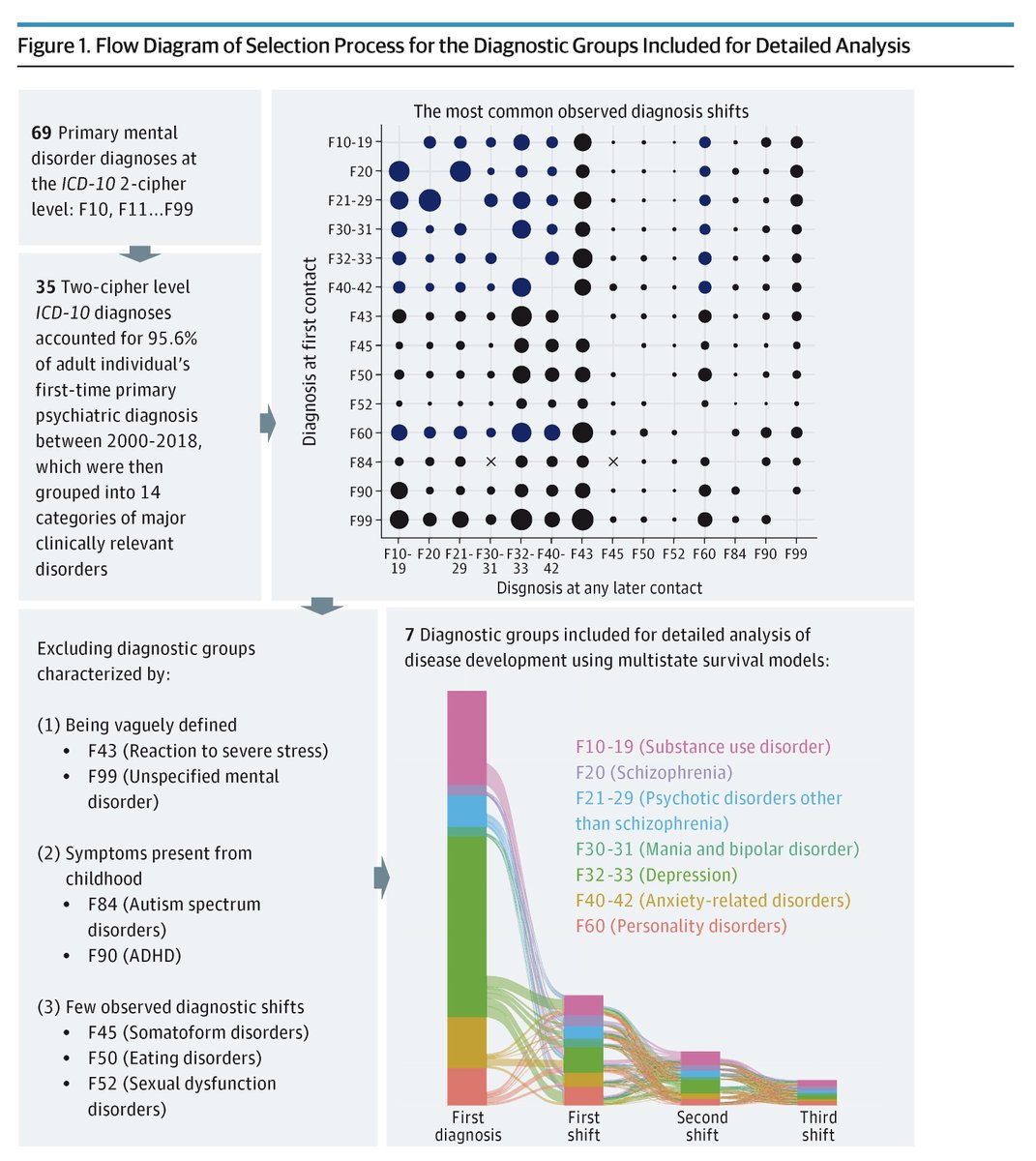
Disease development trajectories in #MentalDisorders vary by diagnosis at first contact, sex, and age, with younger patients exhibiting more diagnostic shifts and psychiatric contacts, highlighting the need for targeted preventive care. https://t.co/d1019rLTLu
Mental Health 'Awareness':
"1. lowers the threshold for what counts as a disorder.
2. trains people to scan their inner lives for symptoms and reinterpret normal distress as pathology.
3. Once someone adopts an illness identity, they behave in ways that confirm & deepen it".
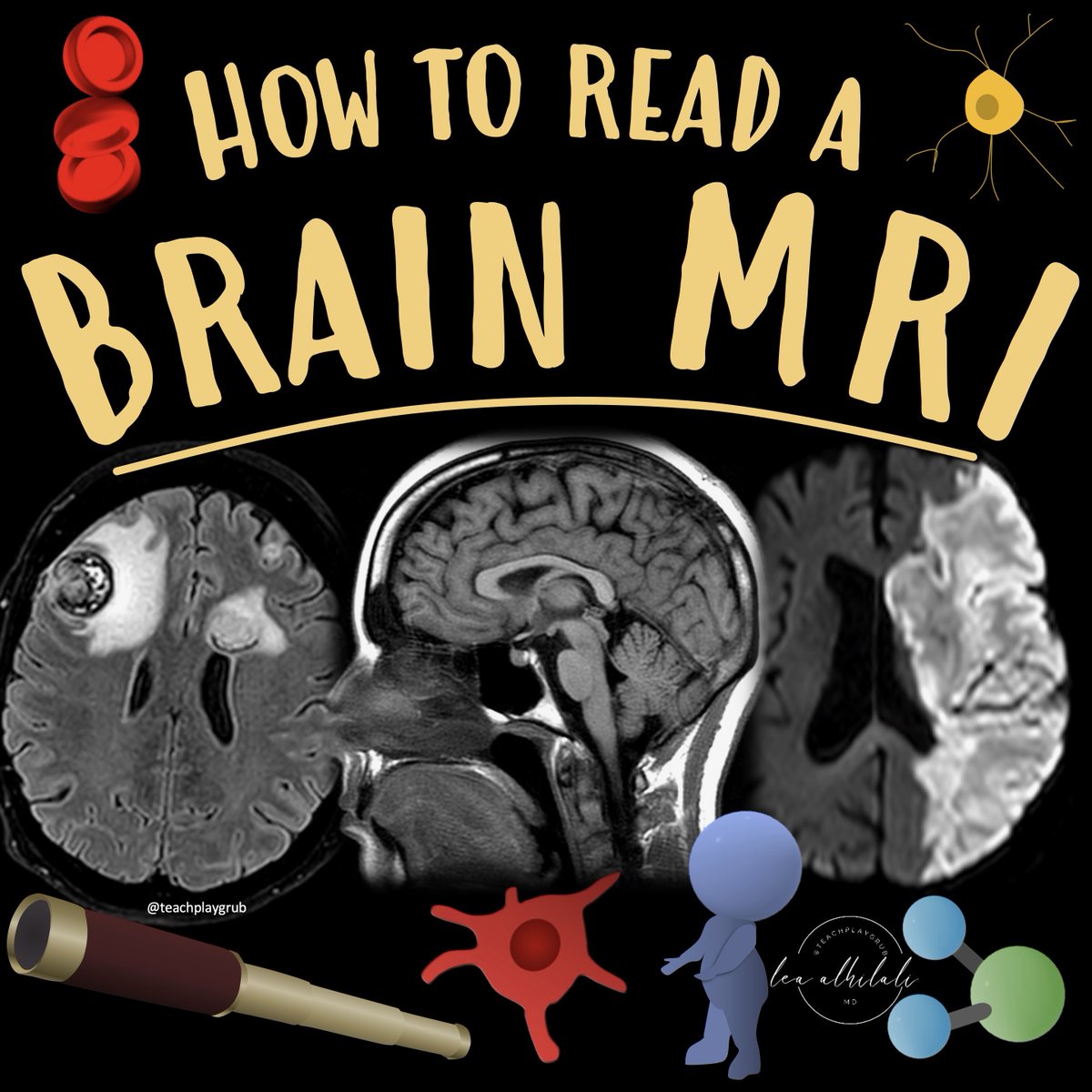
1/Do radiologists sound like they are speaking a different language when they talk about MRI?
T1 shortening what? T2 prolongation who?
Here’s a translation w/an introductory thread to MRI.
In major depressive disorder, the goal is not simply “less depressed.”
The goal is remission.
So when a patient improves but remains symptomatic, the question becomes:
Should we switch or build on the response through augmentation? 🧵👇
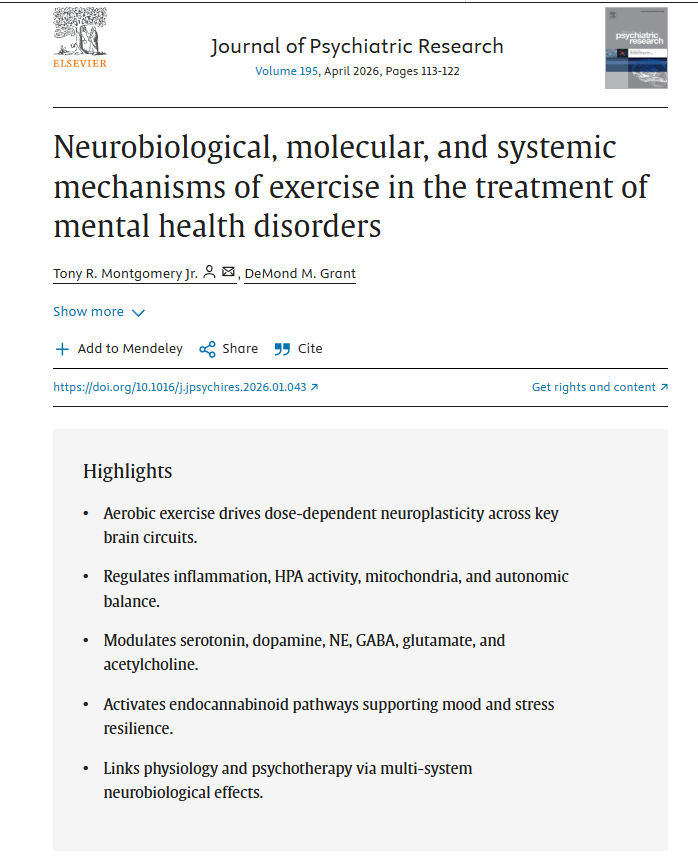
How exercise rewires BDNF, dopamine, and stress systems across the brain
Your brain does not respond to exercise the way you think.
It is not stress relief. It is a systems-level recalibration.
Aerobic load increases BDNF as a control signal. It drives synaptic plasticity, hippocampal neurogenesis, and rewires communication between the prefrontal cortex and amygdala.
At the same time, it is rebalancing your neurochemistry.
Dopamine adjusts motivation.
Norepinephrine sharpens attention.
Serotonin stabilizes emotional tone.
Not separately. As one coordinated system.
It is also suppressing chronic inflammation, restoring mitochondrial output, and tightening HPA axis feedback so your stress response stops overshooting reality.
This is why the effect rivals pharmacology.
You are not feeling better.
You are changing the operating conditions of the system that produces every decision you make.
Among outpatients with #BorderlinePersonalityDisorder, dialectical behavior therapy and schema therapy produced similar and substantial improvements in symptoms, functioning, and quality of life, with no significant differences in treatment retention. https://t.co/yvdveKFeTh
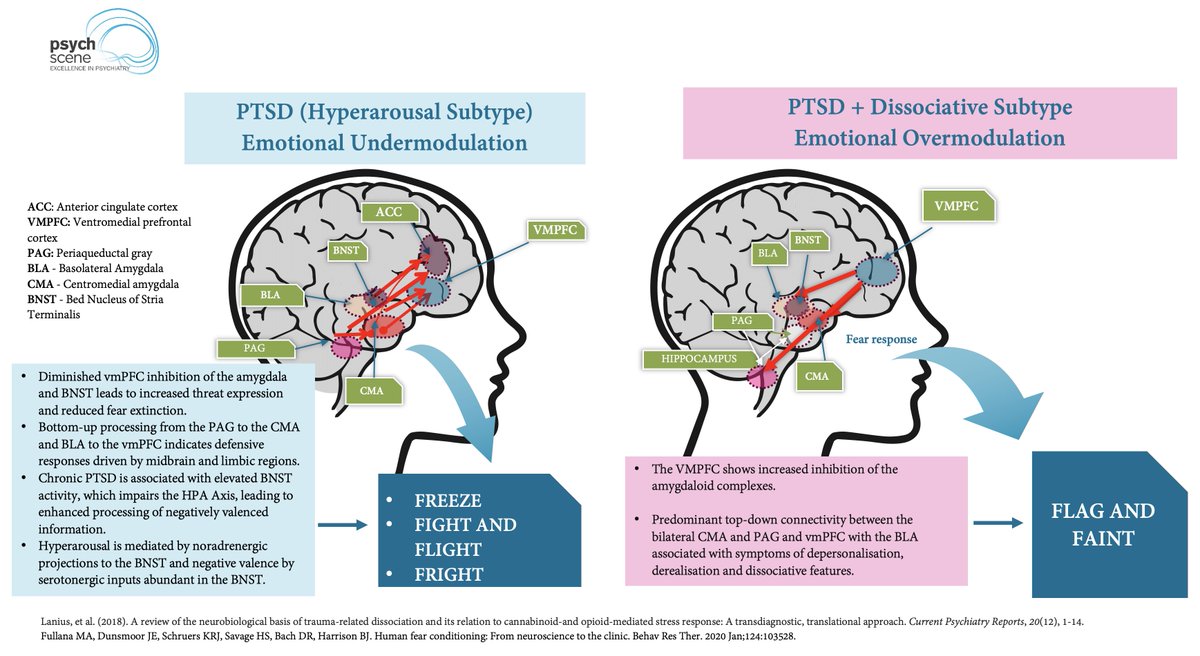
Not all PTSD reflects the same neurobiological pattern.
Some presentations are predominantly hyperaroused. Others are predominantly dissociative.��
This distinction has direct clinical implications:🧵👇
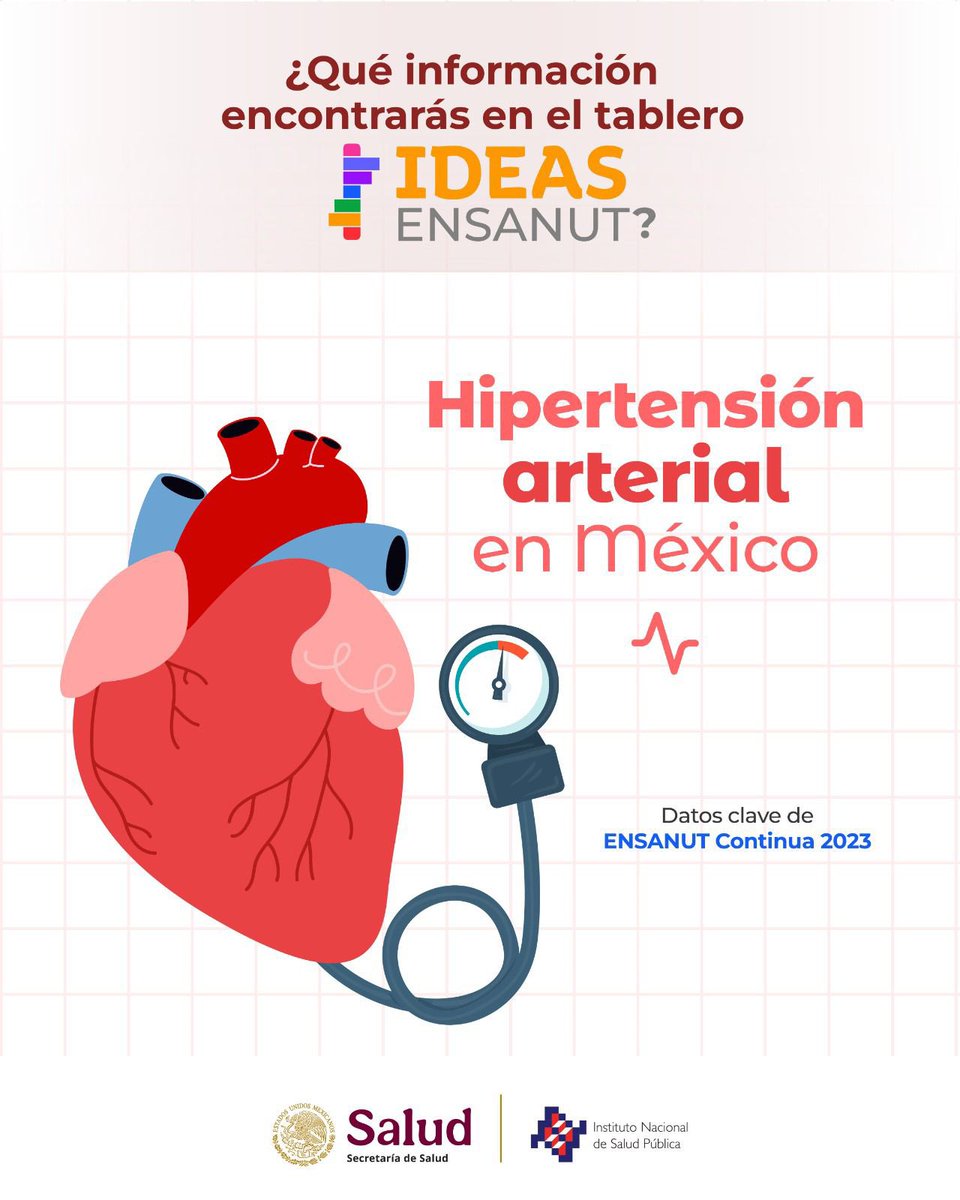
📊 De acuerdo con la ENSANUT 2020-2023, 1 de cada 3 personas adultas en México vivía con hipertensión:
43% no lo sabía
36% recibía tratamiento
21% tenía la presión arterial bajo control
🧵 Sigue el hilo 👇
Efficacy and Safety of Antidepressants in Post-Myocardial Infarction Depression: A Meta-Analysis 🚀
Key findings:
👉Significant reduction in depressive symptoms over time (SMD = -1.02)
👉No increased risk of all-cause mortality or cardiac events
👉No rise in rehospitalisation
👉Possible reduction in MI recurrence (HR = 0.79) and revascularisation rates (HR = 0.86)
GRADE:
👉Moderate certainty for improvement in depressive symptoms
👉Low certainty for cardiovascular benefits
Summary :
1️⃣Antidepressants are both effective and generally well-tolerated in patients with post-myocardial infarction (MI) depression, according to a meta-analysis of 12 studies.
2️⃣Treating depression post-MI is not only safe, but may also support cardiac outcomes.
The ABCD study is tracking nearly 12,000 young people over 10 years with brain scans & surveys - an unprecedented window into how early experiences shape later outcomes. Prof. Adriene Beltz shares what this means for #puberty research and #mentalhealth. https://t.co/poHfjTcFwl
Learn more about the nuances behind the intricate psychiatric-autoimmune overlap with our “Chronic Fatigue Syndrome (CFS) & Long COVID” course, an advanced clinical guide designed to bridge the gap between systemic immune dysregulation and neuroinflammatory phenotypes through the detailed examination of microglial activation and HPA axis dysfunction. Click the link below to access:
https://t.co/DSGryagcvK
Why Do Clinicians Often Miss Dissociative PTSD?
Most associate PTSD with autonomic hyperactivity: elevated startle response and amygdala-driven panic.
However, research indicates that for 30% of patients (Wolf et al., 2012), trauma manifests as silence, detachment, and numbness.
This refers to the Dissociative Subtype (PTSD-DS), a pathology of regulatory rigidity, where the brain severs connectivity to survive.
Here’s the neurobiological breakdown of this PTSD mechanism clinicians often miss: 👇���
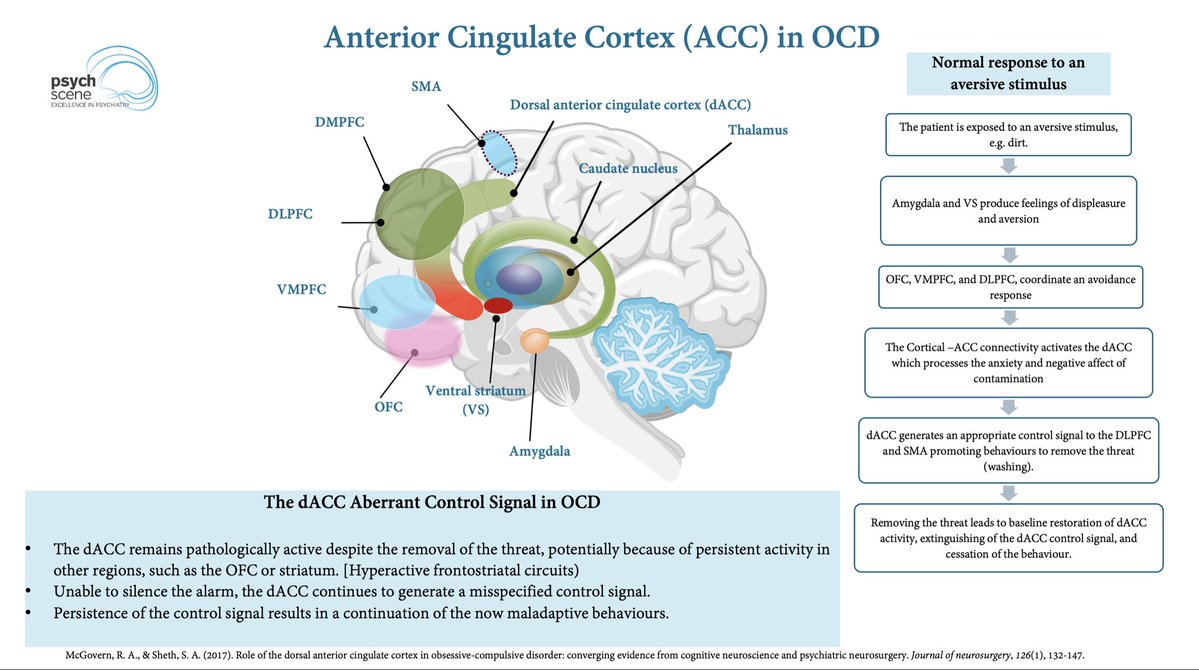
It actually becomes clearer when we think neurobiologically. And thus writing both a formulation plus labels provides a better understanding.
OCD, Tourette’s/tics and ADHD all sit on a spectrum of fronto-striato-limbic dysfunction, particularly within the cortico-striato-thalamo-cortical (CSTC) loops.
These circuits govern repetitive behaviour, response inhibition and the brain’s “task on / task off” switch.
Instability in the salience network (anterior insula–ACC) and frontostriatal circuits means that signals are mis-tagged as overly important, driving compulsions in OCD, tics in Tourette’s and off-task, impulsive shifts in ADHD.
A neurobiological formulation integrates these shared circuit vulnerabilities; the diagnostic labels are simply our attempt to ‘carve at the joints’.