Integrated Fukushima Ocean Radionuclide Monitoring (InFORM) Network: A radiation monitoring network to determine risk to Canada's oceans from Fukushima Daiichi
"Back in the ship's main lobby, Koehler shows me a small wooden cube. It represents the volume of uranium fuel needed to let the Savannah travel 454,000 nautical miles– enough to circumnavigate the world well over a dozen times." https://t.co/HEAunsukOj
Despite concerns from several nations and international groups, Japan is pressing ahead with plans to release water contaminated by the 2011 meltdown of the Fukushima Daiichi nuclear power plant into the Pacific Ocean https://t.co/XmZPQAeu12
@NoNuclearwater @JayTCullen @radchickyo@dtrhradio@DrDurnford@kevindblanch We would rather it not in the ocean. But plan to provide independent and transparent monitoring of the impact on marine and human health if the plan is implemented. You?
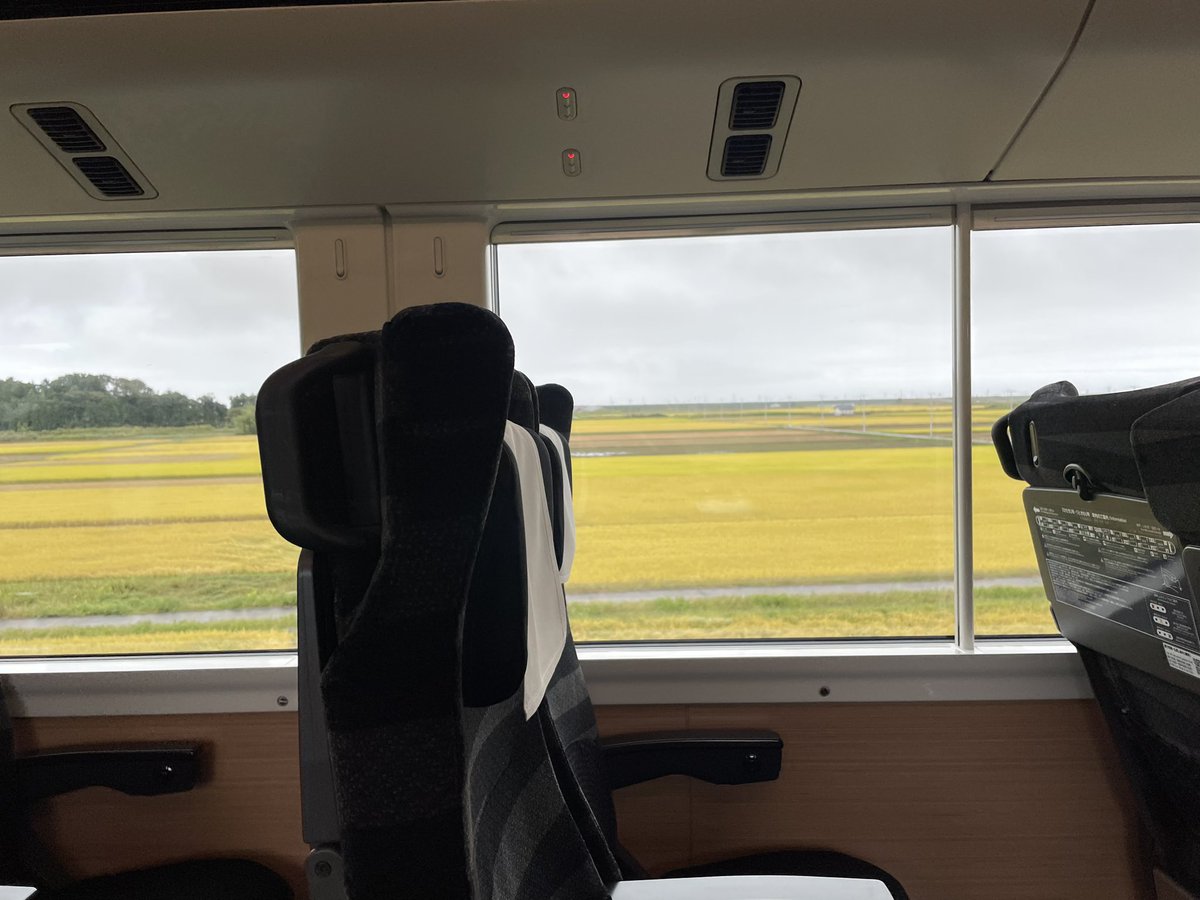
Travelling by train using the #joban line illustrates well the landscape transitions ongoing in #Fukushima prefecture 🇯🇵 - a thread from Sendai to Tomioka🧵⤵️ @MITATELab
New paper by a team of Japan researchers looking at the sub-Arctic area of the north Pacific. Study finds that radiocaesium from Fukushima Dai'ichi arrived in the Arctic Ocean by 2019, and has possibly been retained within the Bering Sea (albeit at very low levels).
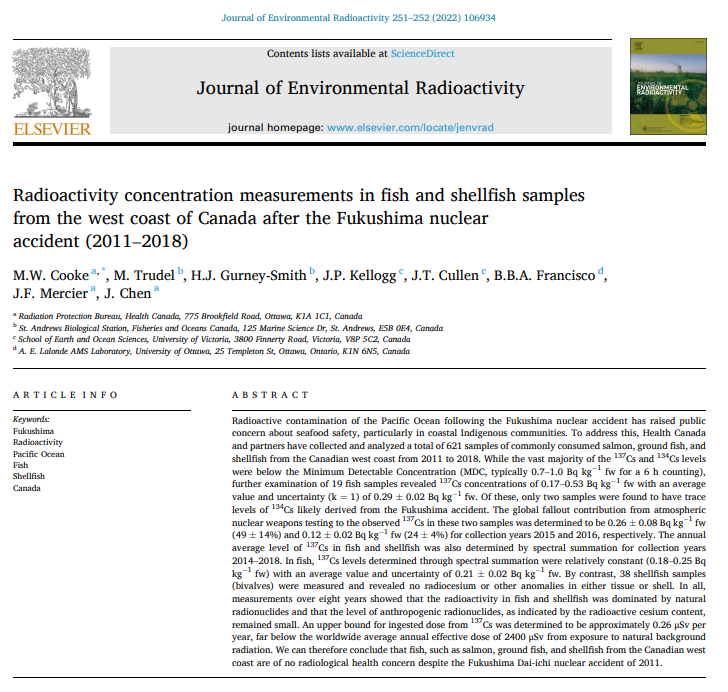
PAPER: @JayTCullen @DrJKellogg@jfmercier@FukushimaInFORM & @GovCanHealth@FishOceansCAN. 621 marine samples from Canada's west coast screened for radioactivity. Key conclusion: fish from Canada west coast of no radiological health concern post-Fukushima.
https://t.co/fIsSrLPoNb
@radchickyo It’s getting difficult to detect #Fukushima derived elements in the seawater off N. America although we continue to monitor. Not really possible to detect in our wildlife at any point in time. Will write a post summarizing for you and others who follow
@radchickyo Quite well thank you. Getting ready to publish all of our unbiased fish and some wildlife monitoring results from the project. I trust you are well.
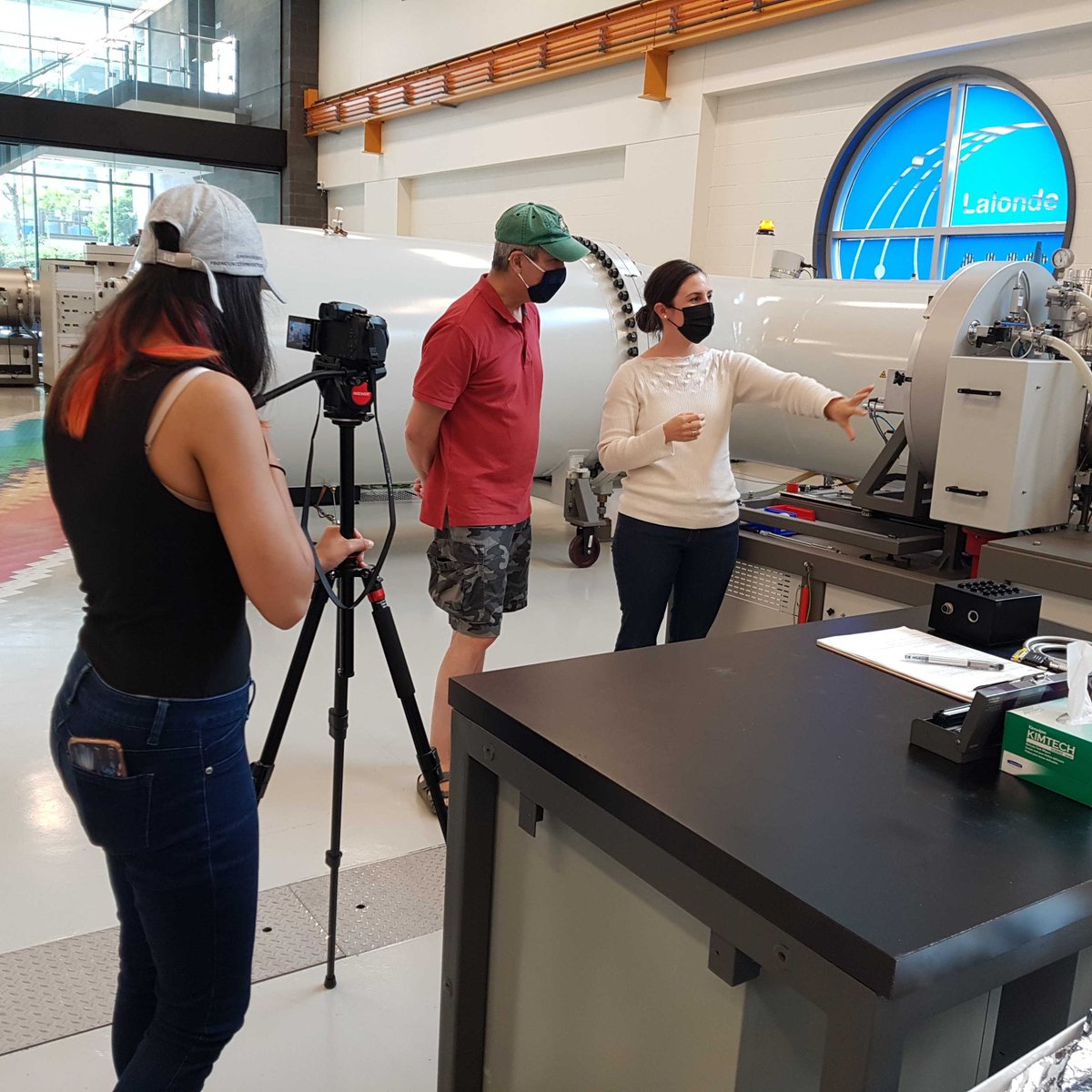
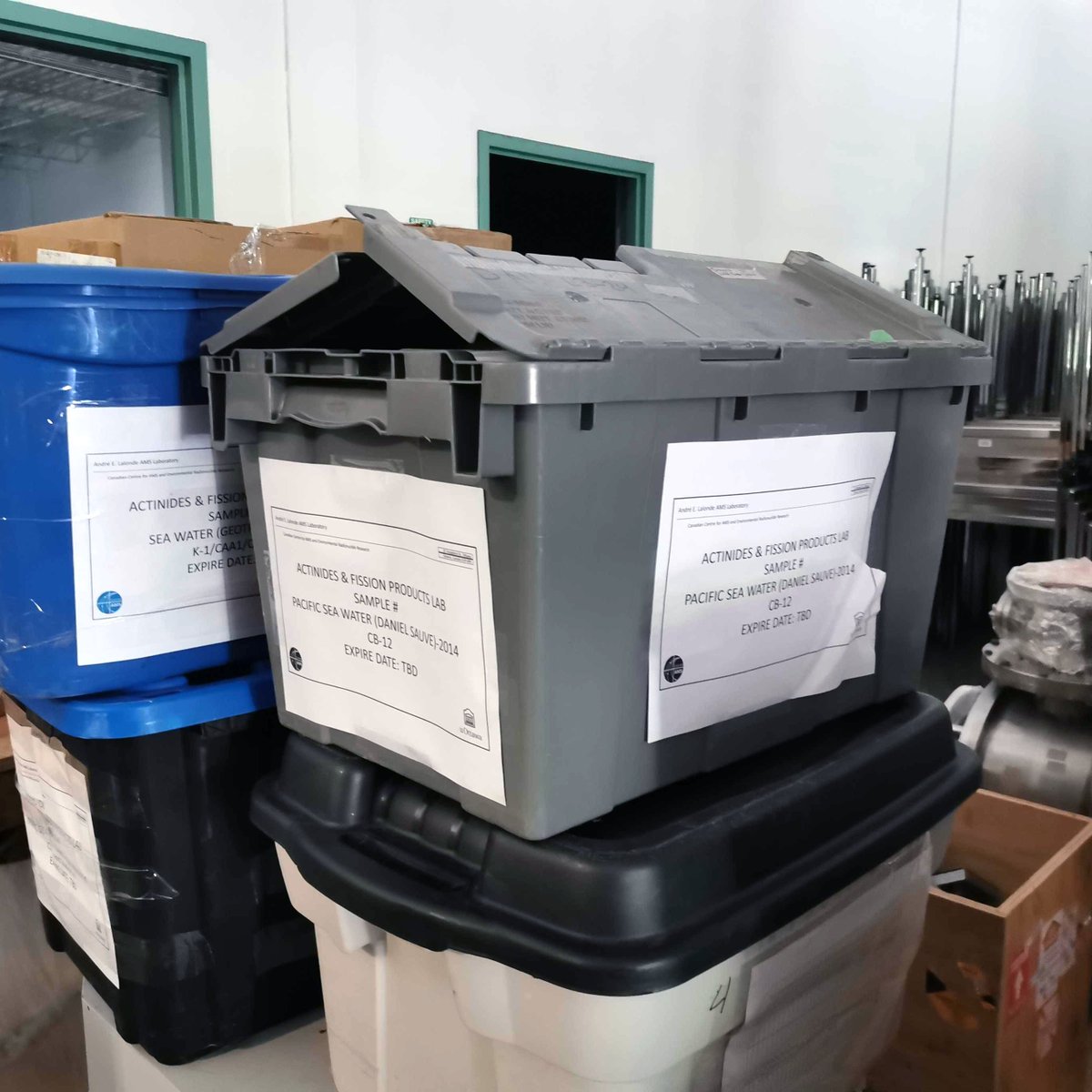
Our archive of Artic Ocean seawater samples has moved to its new home! AEL is analyzing these samples as part of the @geotraces study. We want to help understand the distributions of trace elements and isotopes in the ocean, and how they are affected by environmental conditions.