はじめまして。
Future Capital Lab(FCL)として活動を開始しました。
私は現役FASコンサルとして働く傍ら、投資・キャリア・政治経済について考え続けてきました。
近年、日本では円安・インフレが進み、かつての「良い会社に入り、真面目に働き、貯金をする」という生き方だけでは、豊かさを維持することが難しくなっていま��。
一方で、投資だけが正解とも思いません。
お金だけでなく、
知識、経験、人との繋がり。
人生には様々な「資本」があります。
Future Capital Labでは、
📈 Financial Capital
🧠 Human Capital
🤝 Social Capital
📖 Intellectual Capital
この4つの資本を軸に、
「どうすれば一人ひとりが教養を高め、豊かな意思決定を重ねながら、経済的にも人生においても自立できるのか」
を考え、発信していきます。
基本的には、毎週火・木・土にはXで、
毎週日曜にはnoteで、
投資、キャリア、政治経済について継続的に発信していく予定です。
未来は与えられるものではなく、自ら築くもの。
Building Future Capital.
I see Netflix’s decision to cut roughly 1,000 jobs as a potential positive for shareholders.
With an established subscriber base and recurring revenue, Netflix has room to improve operating margins and free cash flow by streamlining costs and reallocating resources toward higher-return opportunities, such as advertising.
Slower growth doesn’t necessarily mean weaker profitability.
Homeowners are locked into low-rate mortgages, while prospective buyers are priced out by high borrowing costs. If this stalemate breaks, price corrections may emerge first in markets where job losses, relocations, or inheritances force homeowners to sell, rather than through a nationwide decline.
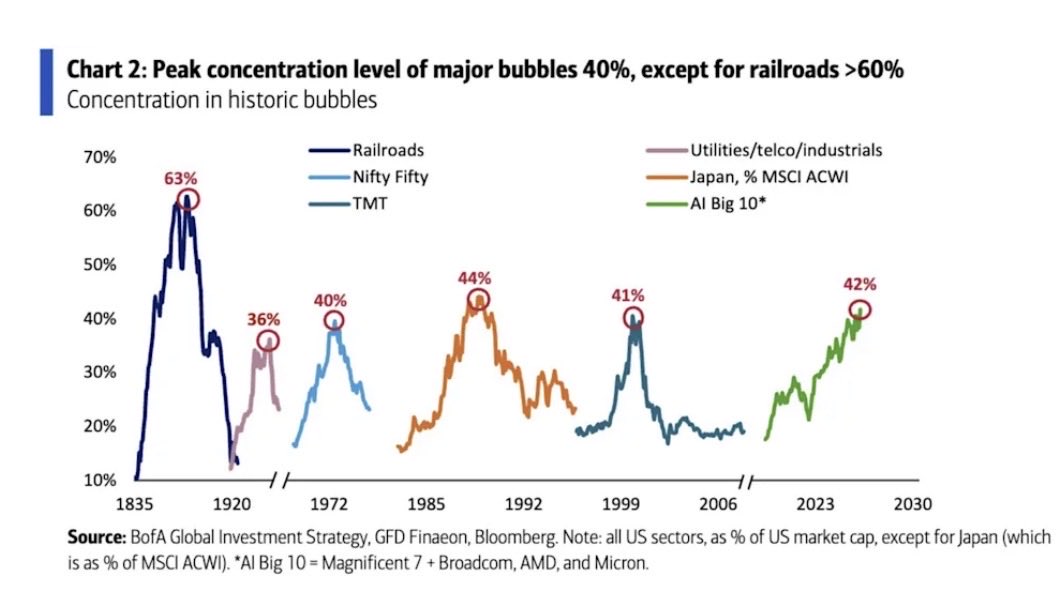
@elliottwaveintl While AI megacaps support the S&P 500, widening CCC spreads signal growing distress among weaker companies.
If credit stress spreads to higher-rated borrowers, the broader equity market may struggle to sustain its optimism.
A potential vicious cycle is emerging: rising interest rates weaken banks’ capital positions, constrain lending, and accelerate the deterioration of corporate earnings.
While AI megacaps continue to prop up the S&P 500, the selloff in bank stocks may signal a dangerous disconnect between equity valuations and the underlying economy.
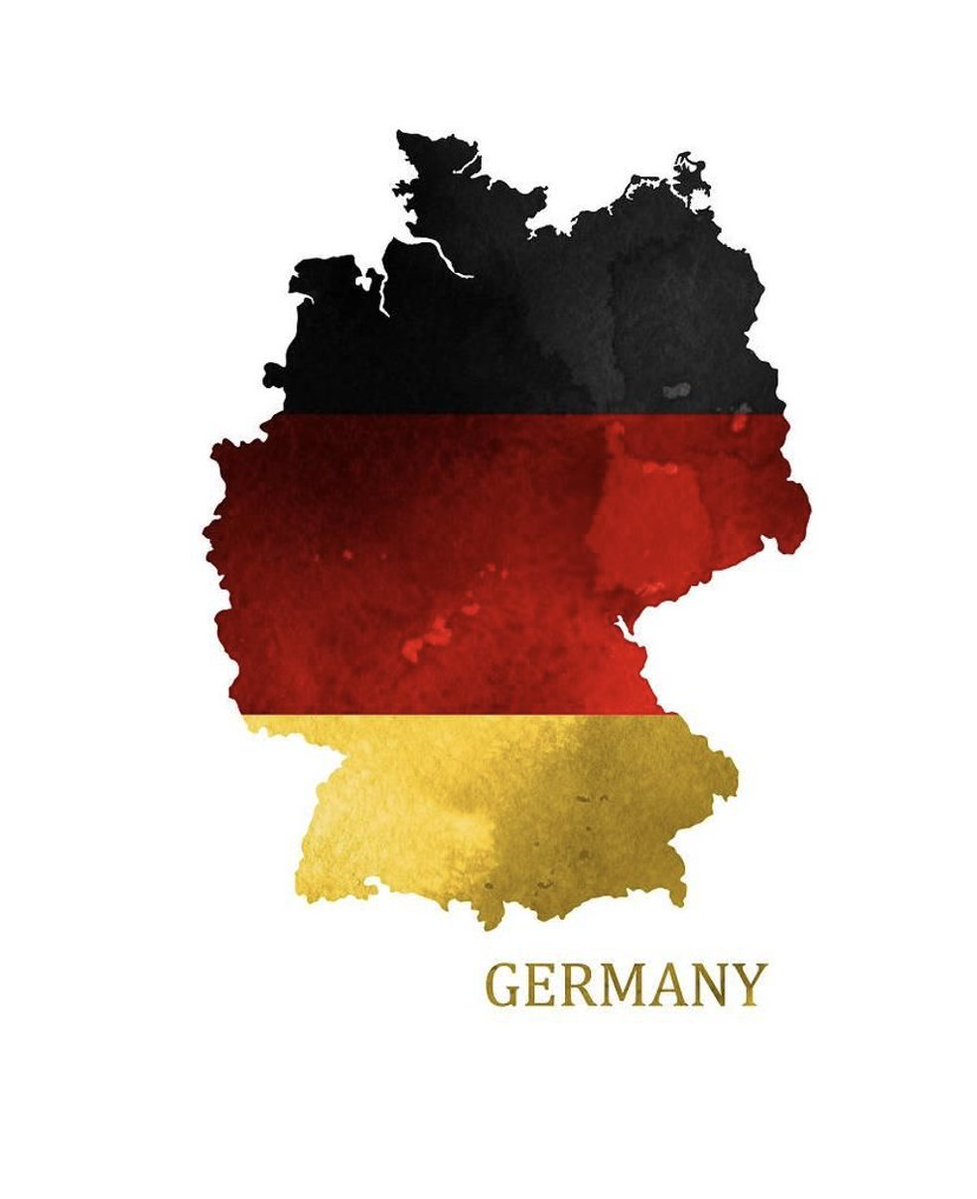
FSD NEWS 🇩🇪 Germany is considering approving Tesla’s FSD Supervised on its own national territory if an EU-wide consensus cannot be reached 🔥
Transport Minister Steffen Bilger confirmed that while an EU-wide framework remains the ideal route, Germany will explore its own path if European negotiations stall, prioritizing innovation and potential safety gains despite open technical and liability questions.
This unilateral move is legally possible under Article 39(5) of EU Regulation 2018/858, which allows individual member states to adopt provisional technology exemptions already granted by the Dutch vehicle licensing authority (RDW).
Because formal EU committee decisions have been delayed until at least December, taking this step would align Germany with a growing list of nations that have already opted in: 🇳🇱 the Netherlands, 🇧🇪 Belgium, 🇩🇰 Denmark, 🇨🇿 the Czech Republic, 🇪🇪 Estonia, 🇱🇹 Lithuania, and 🇸🇮 Slovenia.
Before giving any green light, the Federal Motor Transport Authority (KBA) plans to conduct independent vehicle tests. German regulators want concrete answers regarding driver-attention safeguards, legal liability, and an identified software flaw that can cause vehicles to exceed posted speed limits.
Going solo, however, comes with a ticking clock and significant legal exposure. If the European Commission ultimately vetoes the broader EU framework, any German national exemption would automatically expire after six months.
While conventional rules allow previously built vehicles to stay registered, it remains entirely unresolved whether Tesla would be legally forced to remotely revoke over-the-air software features from existing owners.
A national approval would also trap the feature inside German borders. Because neighboring transit hubs like France and Austria have not adopted the exemption, German drivers would face a fragmented patchwork where FSD operates domestically but must abruptly disengage the moment they cross an international boundary.