Just went through this post.
What stands out most is how quickly the kitchen environment is becoming more realistic and usable. Moving from a small seed set to actual fridge drawers, stoves, toasters, oven racks, and kettles makes a real difference when you’re spending time in post-training sessions. The scenes feel less like simplified demos and more like the kind of everyday household complexity the models actually need to handle.
The addition of joystick + keyboard teleop is another quiet but important upgrade. After long sessions, the smoother translation, rotation, and gripping controls reduce the friction that used to slow me down. Combined with the new object and target-area overlays, it’s easier to stay precise even in cluttered kitchens.
Seeing PandaOmron already running across these new tasks (with more embodiments coming) also signals that the platform is expanding coverage without waiting for everything to be perfect. That iterative approach matches the overall V2 philosophy - keep adding useful complexity and let contributors work with it.
Overall it feels like RoboCasa is shifting from “basic kitchen tasks” toward something closer to real household robot training data. Looking forward to spending more time in these updated scenes.
Axis Weekly
Last week, we expanded RoboCasa from a small seed set into a richer kitchen-task library.
We added high-quality household scenes, more robot embodiments, joystick-based teleoperation, and clearer in-viewport task guidance.
Key updates:
- RoboCasa scenes: New kitchen tasks cover fridge drawers, stoves, toasters, oven racks, and electric kettles.
- Embodiment coverage: PandaOmron now runs across the new RoboCasa tasks, with more robot types on the way.
- Teleoperation: Joystick and keyboard controls enable smoother translation, rotation, gripping, and appliance interaction.
- Task guidance: Object and target-area overlays make goals easier to identify in cluttered scenes.
Details below ⬇️
Sharing a personal perspective, not investment advice.
Cheoma is a stablecoin yield protocol building on GIWA Chain (the L2 from Upbit).
The core idea is simple: deposit USDC and target yield mainly from real-world GCC sukuk bonds, with a smaller market-neutral component. No lockups, and the design leans more toward capital shelter than aggressive DeFi farming.
What makes it stand out right now is the combination of:
Real-world fixed-income yield source
On-chain points that are expected to convert into community allocation
Permanent referral NFTs that keep earning a share of fees
Everything is still on testnet, so the actual delivered yield and long-term execution remain to be proven. But the attempt to bring sukuk-style income on-chain with lasting incentive design is a different approach from most pure crypto yield experiments.
Worth keeping an eye on as it moves forward.
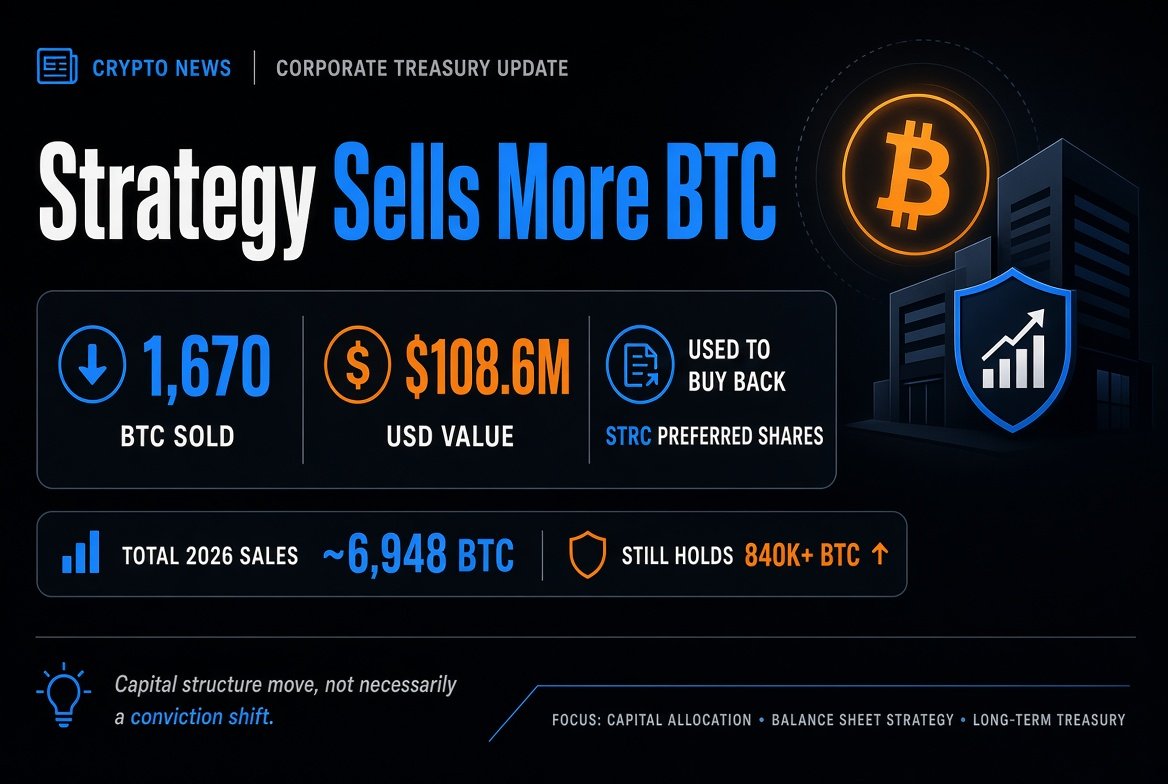
Strategy (formerly MicroStrategy) just disclosed another Bitcoin sale.
Between August 3-9 they sold 1,670 BTC for about $108.6 million and used the proceeds to repurchase their own STRC preferred shares. This marks the second consecutive week of selling and brings their total BTC sales in 2026 to roughly 6,948 BTC.
They still hold over 840,000 BTC, so the treasury remains massive. The move looks more like capital structure management (buying back preferred stock that pays dividends) than a change in long-term Bitcoin conviction.
Interesting signal: even the largest corporate Bitcoin holder is willing to sell some coins when it serves a specific balance-sheet purpose. Markets are watching whether this becomes a recurring pattern or stays limited.
BTC itself is still hovering near the $64k–$65k zone while ETF inflows remain relatively solid.
Sharing a personal perspective, not investment advice.
@PushChain is trying to solve one of the most persistent problems in crypto: fragmentation. Instead of building another isolated L1, it positions itself as a shared-state execution layer where you deploy once and users from many different chains can interact with the same app.
Strengths
- True “deploy once” model for Solidity contracts
- Users can come from EVM and non-EVM chains using their existing wallets
- Fee abstraction: pay gas in the native token of the origin chain
- Wallet abstraction (social login + major wallets)
- Shared state means the application logic stays consistent across users from different ecosystems
Trade-offs / Weaknesses
- New architecture still needs broad ecosystem adoption to become useful
- Finality and security ultimately depend on Push Chain’s own validator set
- Cross-chain settlement adds a layer of complexity and potential latency compared to pure single-chain apps
- Still early, many pieces (tooling, liquidity, real usage) are not mature yet
Potential benefits
- If it works as designed, developers stop maintaining multiple deployments and bridges.
- Users stop needing new wallets or gas tokens just to try an app.
-> That combination could meaningfully reduce friction for both sides.
Still exploring it...
Sharing a personal perspective, not investment advice.
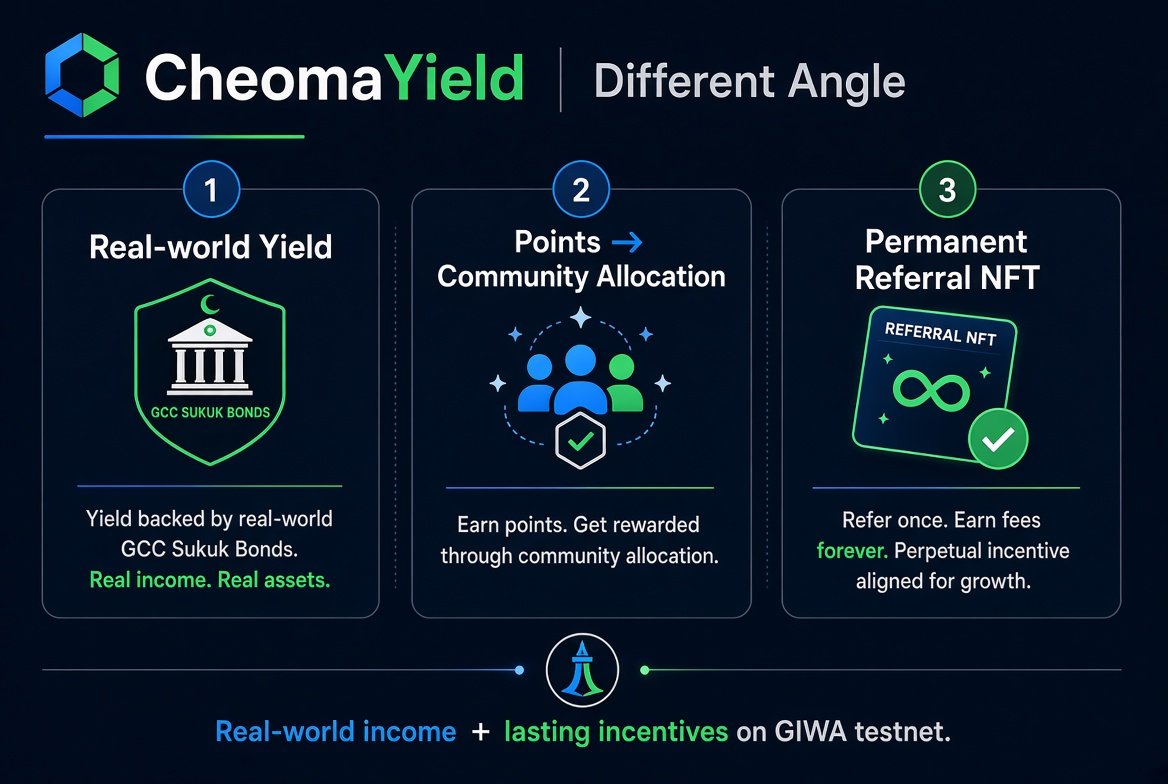
@CheomaYield_xyz - a different angle
Most new yield protocols on testnet focus heavily on the APY number. Cheoma is interesting for a different reason.
They’re trying to combine two things that usually don’t sit together cleanly:
Real-world yield (mainly GCC sukuk)
A points system that is explicitly tied to a future community allocation
On top of that, the referral design is structured as a permanent NFT. You mint a referral code and it keeps earning a share of the fees from people you bring in. That creates a longer-term incentive than the usual “refer for points this week” model.
It’s still early and everything is on GIWA testnet, so the actual numbers and execution still need to be proven. But the attempt to link real-world fixed income with on-chain points + lasting referral rights is a noticeably different approach from pure farming testnets.
Worth watching how they balance the two sides as they move forward.
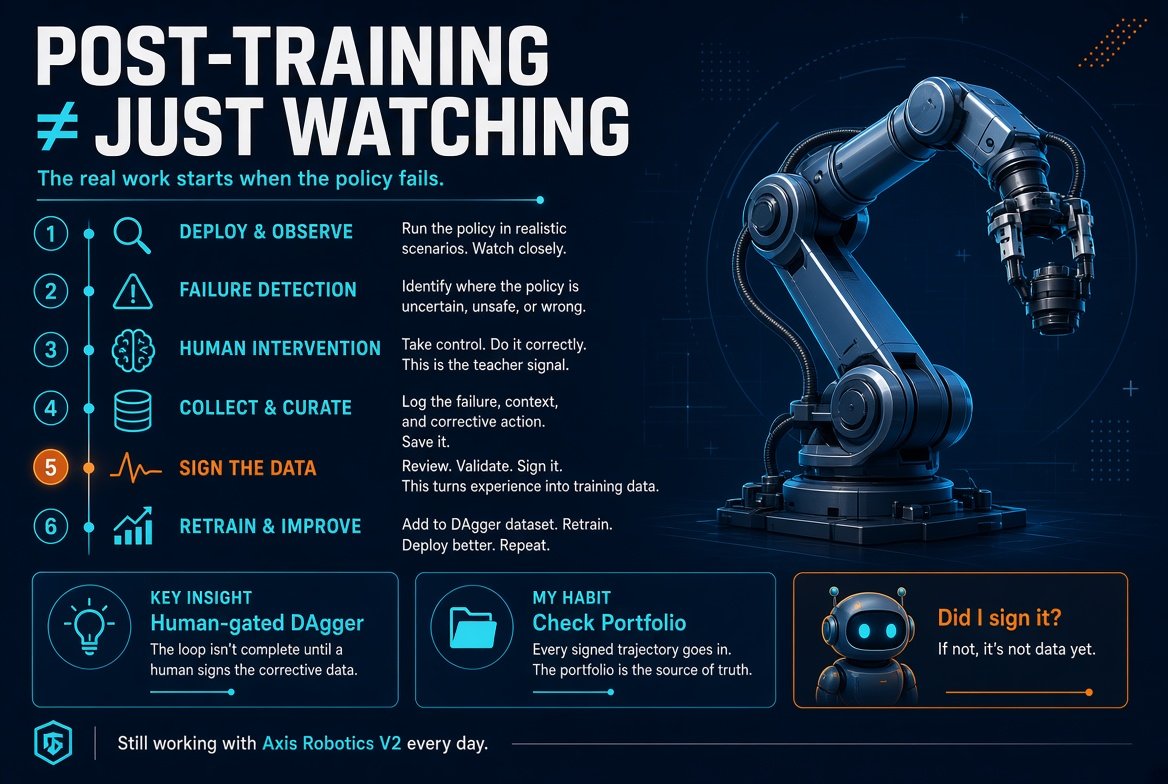
One @axisrobotics V2 detail that really clicked for me:
The real work starts when the policy fails.
You watch the robot run, spot the failure, and jump in with a correction. That small intervention is the signal that actually helps the model improve.
It’s not another full demo. It’s human-gated DAgger in practice.
After enough sessions, you start seeing the same failure patterns - and suddenly the scoring makes a lot more sense.
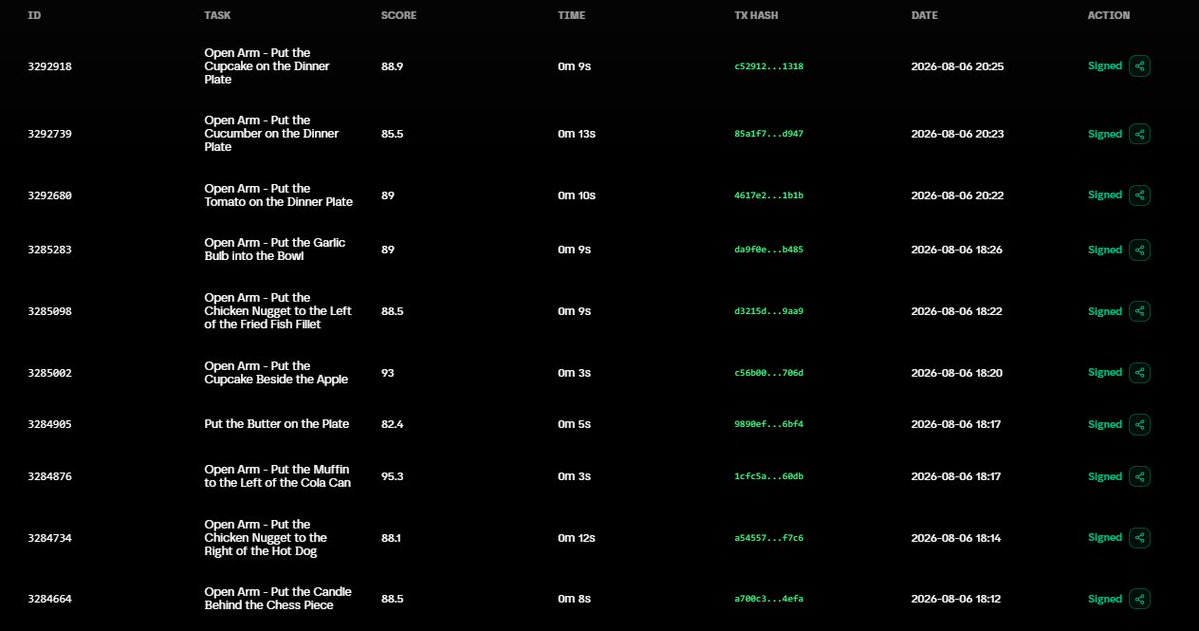
One rule I never skip now: sign everything.
End every session → open Portfolio → check for unsigned work.
Late signing is fine. Forgetting to sign means your corrections don’t count.
Small detail, big difference once you understand the full loop.
Still working with @axisrobotics V2 every day.
Sharing a personal perspective, not investment advice.
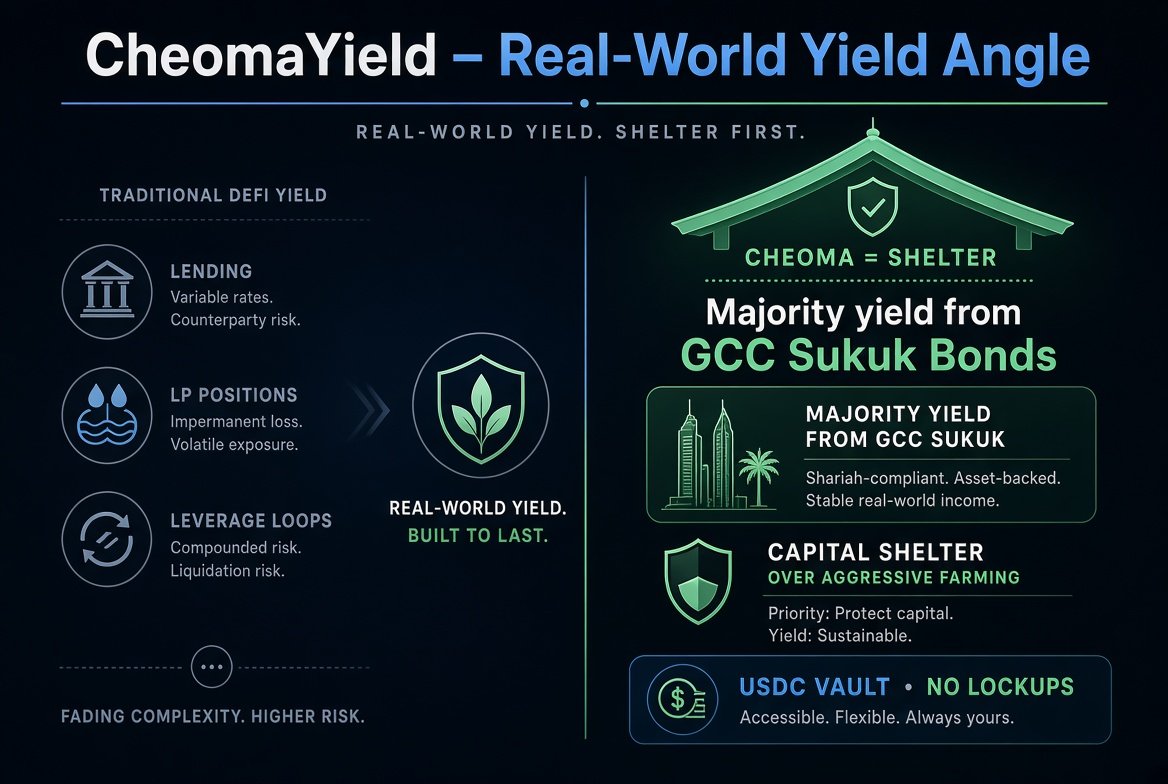
What stands out today is the source of the yield of @CheomaYield_xyz.
Most DeFi yield still comes from crypto-native strategies - lending, liquidity provision, or leveraged loops. CheomaYield takes a different path. The majority of the return is designed to come from GCC sukuk bonds (sovereign and corporate), with only a small slice allocated to market-neutral event contracts.
That changes the risk profile. You’re not mainly exposed to crypto volatility or smart-contract farming risks in the traditional sense. The core engine is tied to real-world fixed-income instruments from the Gulf region.
Combined with the “no lockup” design and USDC-only deposits, the product is clearly positioned more toward capital shelter than aggressive yield chasing. The Korean name “처마” (cheoma) literally means the eaves of a roof - the part that protects from rain. The branding matches the intent.
Whether the actual on-chain execution can consistently deliver the target return is a separate question. But the underlying idea - bringing real-world sukuk yield on-chain through a simple stablecoin vault - is a noticeably different approach from most yield products we see today.
1/ I’ve been deep in @axisrobotics for a while now, running tasks almost every day, and the difference from the earlier version is clear.
The biggest change is the closed loop. In V2 you still do the regular pre-training teleop tasks, but the real shift is the post-training side. A trained policy starts running, and you only take over when it fails. You’re not just generating demonstrations from scratch — you’re correcting the model’s mistakes in real time. That human-gated DAgger flow feels a lot more purposeful once you’ve done enough of it.
Sharing a personal perspective, not investment advice.
CheomaYield is a stablecoin yield layer built on GIWA Chain (by Upbit).
You deposit USDC into vaults. Target yield is around 13% APR, mainly from GCC sukuk bonds plus a small portion of market-neutral strategies.
No lockups - you can withdraw anytime. Testnet is already live.
Core idea is straightforward: park stablecoins, earn yield from real-world sovereign/corporate sukuk while staying on-chain.
You guys could try it now here: https://t.co/mWdyxdUPm3
X: @CheomaYield_xyz
Telegram: https://t.co/MQl5IEwPsZ
Bybit just took the fight to North Korea in court
Bybit has filed a civil lawsuit in the U.S. District Court for the District of Columbia against North Korea, its Reconnaissance General Bureau, and the Lazarus Group over the $1.5 billion hack from February 2025. The court has already granted a preliminary injunction freezing some of the remaining identifiable assets and allowed expedited discovery.
What’s striking is the numbers: Bybit says roughly 90% of the stolen funds are already untraceable after mixers, bridges, and OTC desks. Only a small slice is still visible, and even less has been frozen or recovered so far.
In my opinion, this is less about actually getting most of the money back and more about setting a legal precedent. State-sponsored hacking groups have operated with near-impunity in crypto for years. Seeing a major exchange push a formal RICO-style civil case against a nation-state is a signal that the industry is starting to treat these attacks as more than just “another exploit.”
Whether it recovers meaningful capital or not, the move itself raises the cost of doing this kind of operation. That alone is progress.
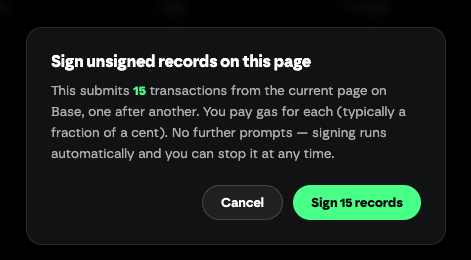
Bulk Sign is finally here on Axis Hub - and this is something I’ve been waiting for for a very long time.
Signing every single trajectory one by one was the most annoying part of the whole flow, especially after a long session. The idea of a one-click “Sign all” that batches everything on the page has been requested forever.
This is a clear proof that @axisrobotics is actually listening to what active contributors keep asking for.
Thanks to the team for prioritizing real UX pain points.