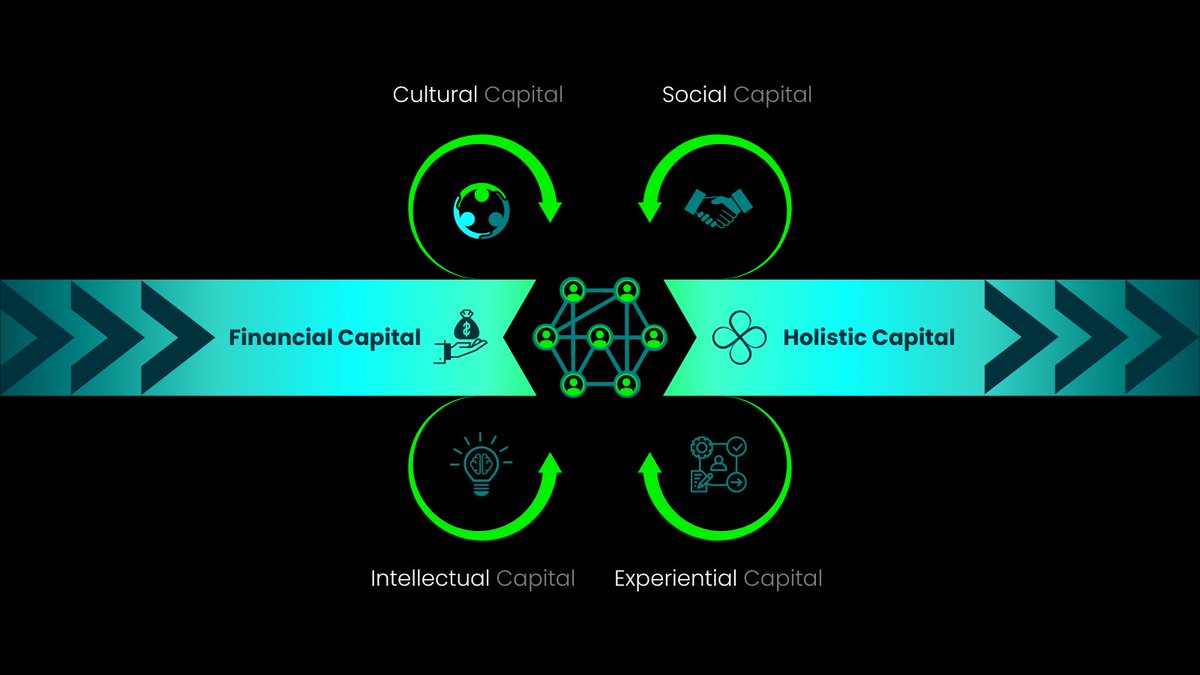
0.0 HOLISTIC INTEGRATION
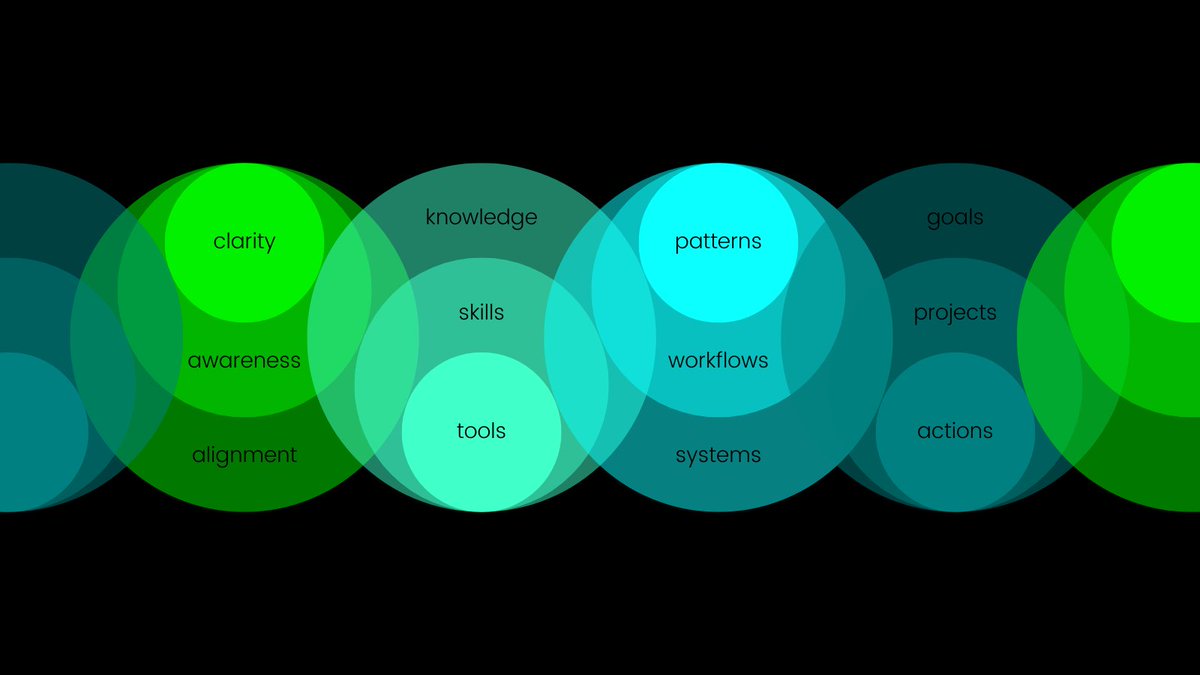
🌱 Day 1—Gain clarity, awareness & alignment.
💨 Day 2—Acquire knowledge, skills & tools.
🔥 Day 3:—Optimize patterns, workflow & systems.
🌊 Day 4—Advance goals, projects & actions...
When there’s a coordination failure, it’s usually because of a lack of communication.
And a lack of transparency. Coordination depends on all parties playing open cards and communicating effectively.
This can be hard to achieve, but very necessary.
🙏🏼 Deeply grateful for all the support received thus far, not only from donations but also for the meaningful comments left in our Notion page where we're updating our progress with #GG18
🟢 https://t.co/AJRbA0K9yA
(starting an ever-evolving thread to document the journey)
👇🏼
Long-term goals include an onchain certified framework for the future of work (like SCRUM but for DAOs and distributed communities,
https://t.co/b44TOXBHBf
Support us on #GG18 → https://t.co/31rRW2TdrC if you care about:
• Infinite Games
• Integral Theory
• Cyclical Growth
• Teal Management
• Holarchy Coherence
• Holonic Governance
• Holistic Coordination
• Continuous Improvement
• Future of Work, Education & Play
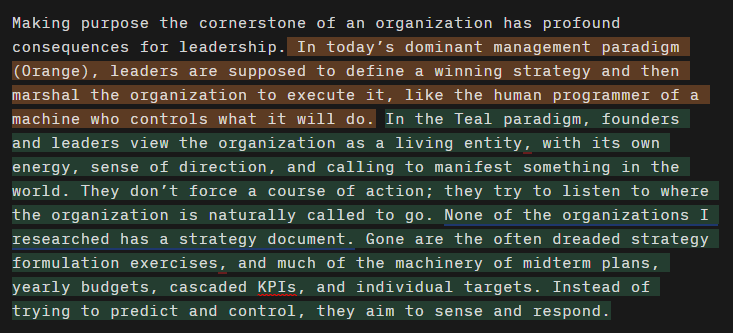
2/10 But in the #Teal paradigm, organizations are seen as living entities with their own sense of direction and purpose. Leaders listen to the organization and aim to sense and respond rather than predict and control.
1/10 The way we view leadership has profound impacts on the success of organizations. In the traditional Orange #paradigm, leaders are seen as the ones in control, dictating strategy and marshaling the organization towards execution.
https://t.co/SNW9LYW270
3/10: Teal organizations don't rely on traditional strategy documents or exercises. Instead, they trust the natural #energy and direction of the organization.
"Organic Governance", from the book "Bitcoin to Burning Man and Beyond".
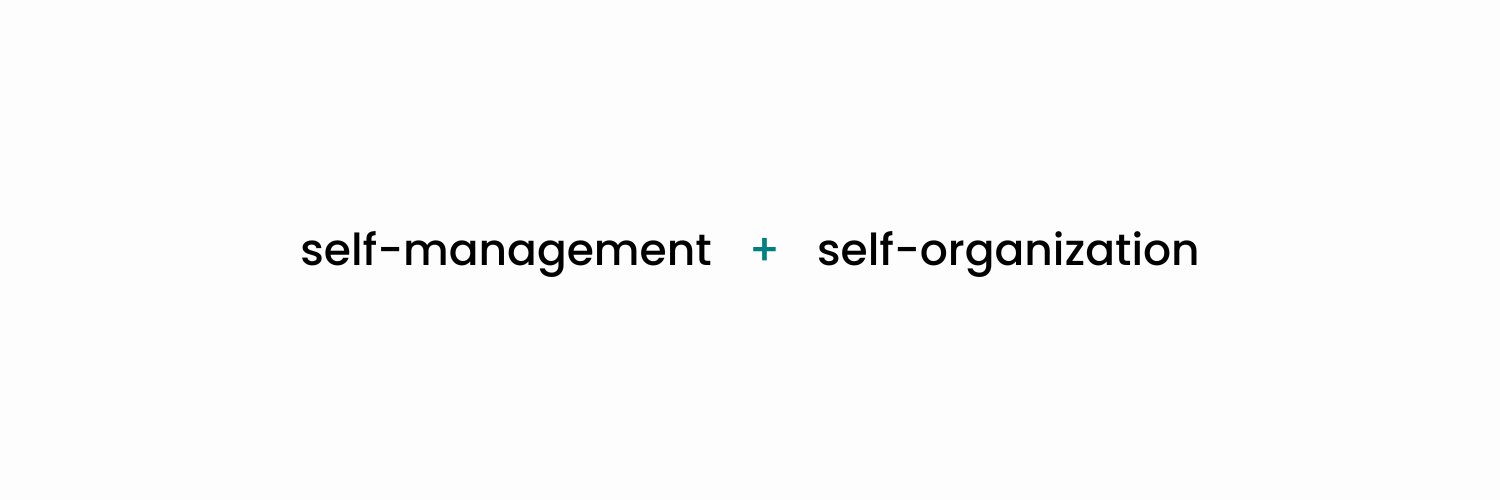
A paper about how to use the logic of holonic systems to build the capacity for self-organisation.
https://t.co/f9nOa6Bnig
Most DAOs will fail, just as most startups fail
Stop looking at failures as evidence that DAOs won’t work
Start looking at failures as opportunities to learn + build better systems





![8formsOfCapital's tweet photo. THANK YOU #GG18
$138.20 funding received from 64 Unique Donors in our 1st [Web3 Community and Education] round!
https://t.co/KaOvQYm1ys https://t.co/IgXCYcTEuw](https://pbs.twimg.com/media/F47hcFWbwAAs99g.jpg)