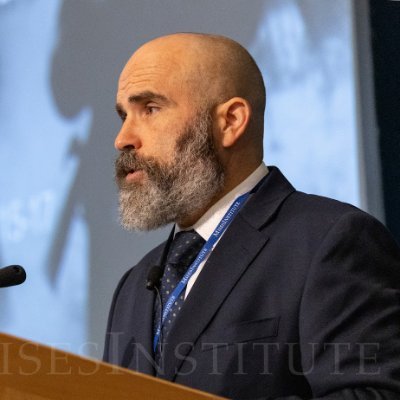
Pickering’s Law: If you ever find yourself thinking “It would really help my argument right now if I pretend to be an idiot!”, it’s time to stop and reconsider whether the point you’re arguing for is actually any good.
Journalists who interview other journalists about technology related legislation that threatens everyone’s right to digital privacy are going to get bitten in the ass when they realise that they, their whistleblowers and confidential sources will be forced to verify their real identities before they can communicate privately.
The British government is trying to outlaw online anonymity under the false pretext of child safety. None of this has anything to do with protecting children. I advised John Carr and the British government in 2012 during the first parliamentary inquiry into online child safety. He was the biggest lobbyist behind this agenda, yet he doesn’t know the first thing about the legislation he advocated.
I’ve been an expert in online child safety, content classification and moderation since 1996. I don’t know anyone else who started that early and went on to spend decades founding open standards and advising governments and organisations including IWF, CEOP, NCMEC and the US DOJ on child exploitation technology and techniques. I’m one of the two people who invented the very concept of classifying and labeling user accounts online.
As politicians like to say, let me be clear. Not a single politician or child safety advocate I’ve encountered is interested in protecting children. I’m 99.9% confident their real objective is to use child safety as an excuse to force compulsory identity verification on entire populations. This is the opinion of every technical expert you’ll find.
More than 25 countries now claim child safety is a top priority, judging by their legislative proposals, daily announcements and media coverage. Yet they continue to push identity verification instead of educating parents about the effective parental controls already built into smartphones.
People are already censoring themselves for fear of being investigated, arrested or banned for expressing their opinions in the UK. Compulsory identity verification will make that worse because everything people read, write and share online, and everyone they communicate with, will be linked to their real identities.
When you get banned, your real name gets blacklisted. You won’t be able to create a new account under a different email address.
What more does the government have to do before journalists start interviewing technical experts who can explain the consequences and properly inform the public?
If compulsory identity checks on services like eBay and Vinted aren’t already making journalists’ skin crawl, where exactly do they draw the line?
In case you missed it, here's the recording of @WeAreBrightBlue's Ludgate Lecture with Professor Tony Travers of the LSE, about the future of devolution in England. A fascinating conversation which I was privileged to chair.
⬇️⬇️⬇️
https://t.co/bfNPVRwaub
📣 TODAY Join @WeAreBrightBlue for our Ludgate Lecture at 1pm, chaired by @GDRPickering.
How will and should the PM proceed with devolution?
📺 Watch here: https://t.co/IHZGCUZUsr
📣 TODAY Join @WeAreBrightBlue for our Ludgate Lecture at 1pm, chaired by @GDRPickering.
How will and should the PM proceed with devolution?
📺 Watch here: https://t.co/IHZGCUZUsr
A damning example of useless regulation, predicted to be useless, at vast cost, predicted to be so. And getting the usual response from the architects to try harder rather than think again.
@koda0202 I think he’s saying the popularity of a tiny company like TJPW on Cagematch shows that Cagematch users don’t have the same opinions as the average fan. But he still thinks the few fans who watch many companies have better opinions than the millions who just watch mainstream stuff
“I suffered an injustice! Therefore, young people should suffer an even greater injustice.”
The mental consequences of having smoked too many jazz cigarettes back in the 60s, I fear.
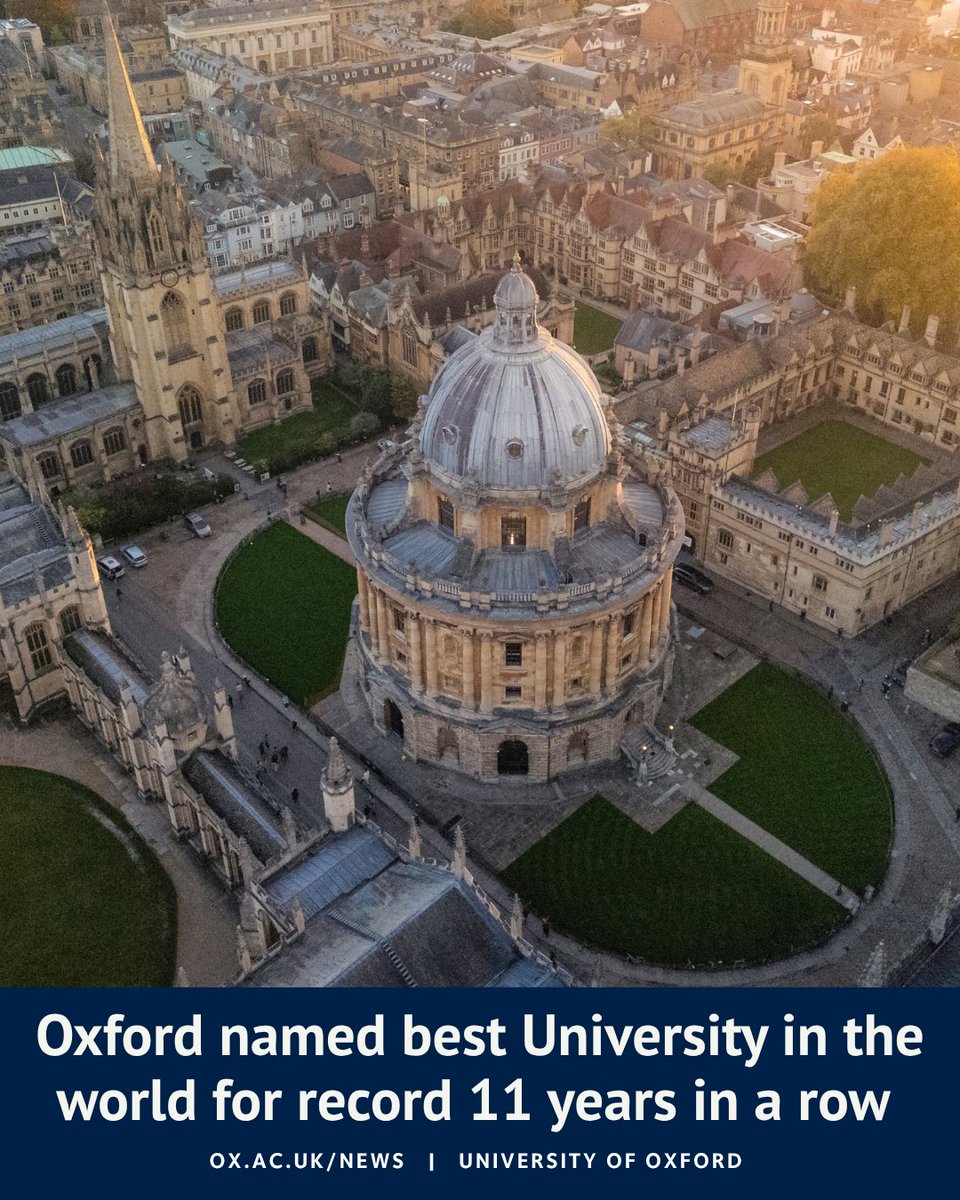
NEW: Oxford has been named the world’s number one University for a record-breaking 11th consecutive year in the @timeshighered World University Rankings.
Oxford has held the top spot since 2017 – the longest run at number one in the rankings’ history.
[1/3]
Ludwig von Mises was born 145 years ago today. The world is a very different place than it was back then, but Mises’s impact continues to be felt to this day.
🍷JOIN US for our Members' Meet-Up with @tomhfh!
👉 We'll be talking about THE FUTURE OF THE RIGHT
🪑 Our Senior Economist, @GDRPickering, will be chairing
We'll be bringing you live updates here 👇
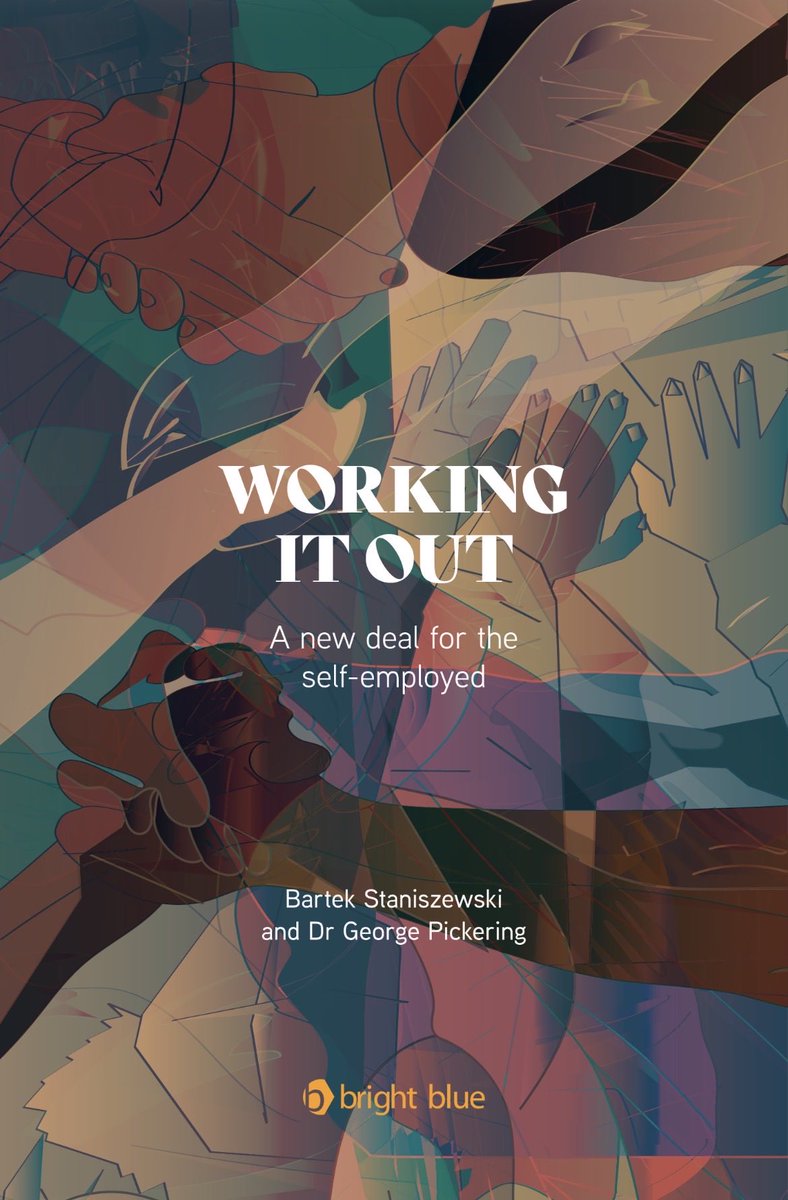
After months of brainy work from myself and @GDRPickering, I am very excited to finally have our definitive report on reforms to the safety net for the self-employed come out TOMORROW.
It follows polling, focus groups and tens of consultations and will expose how the current system is swindling both the self-employed who hate it and the employees who pay up for it.
📣 TOMORROW @WeAreBrightBlue launches one of our biggest and best reports to date - on a new deal for the self-employed.
🔵 Based on in-depth polling and focus groups with the self-employed
🔵 A new typology of the self-employed based on cluster analysis
🔵 A rigorous overview of the benefits and disadvantages of being self-employed
🔵 Justifies reform based on clear philosophical, economic, social and political criteria
The report proposes major changes to our social security system and tax system to ensure a fairer deal for everyone - the self-employed, employees and taxpayers.
Indeed, despite its radicalism, under our modelling, the vast majority of working taxpayers will either pay no more or less tax overall than they do now.
To celebrate the Year of Rothbard, we’re giving away some of his most radicalizing and influential books. Get your copy of our July offering, The Origins of the Federal Reserve, before July 31.
https://t.co/uA5Ir5ICq5
My argument here is basically an application of Ludwig von @mises brilliant 1951 essay ‘Profit and Loss’ to the AI bubble. In a free market, profits signal that a business is directing scarce resources toward the most urgently-felt needs of consumers.
https://t.co/ci0QuxLvPI
My latest for @TheCriticMag: Many argue that the AI boom is a “productive bubble”: it may be doomed to burst, but at least it will leave us with many useful data centres. But how do we judge what’s truly useful, and what’s a waste of scarce resources?
https://t.co/mSW0i4JMl8
My latest: Advocates of socialism-by-printing-press have been quieter in the post-COVID era, but it’s definitely not because they’ve been debunked by superior arguments. Opponents of MMT need more to say than just “But that would cause inflation!”
https://t.co/627NlkhIm4