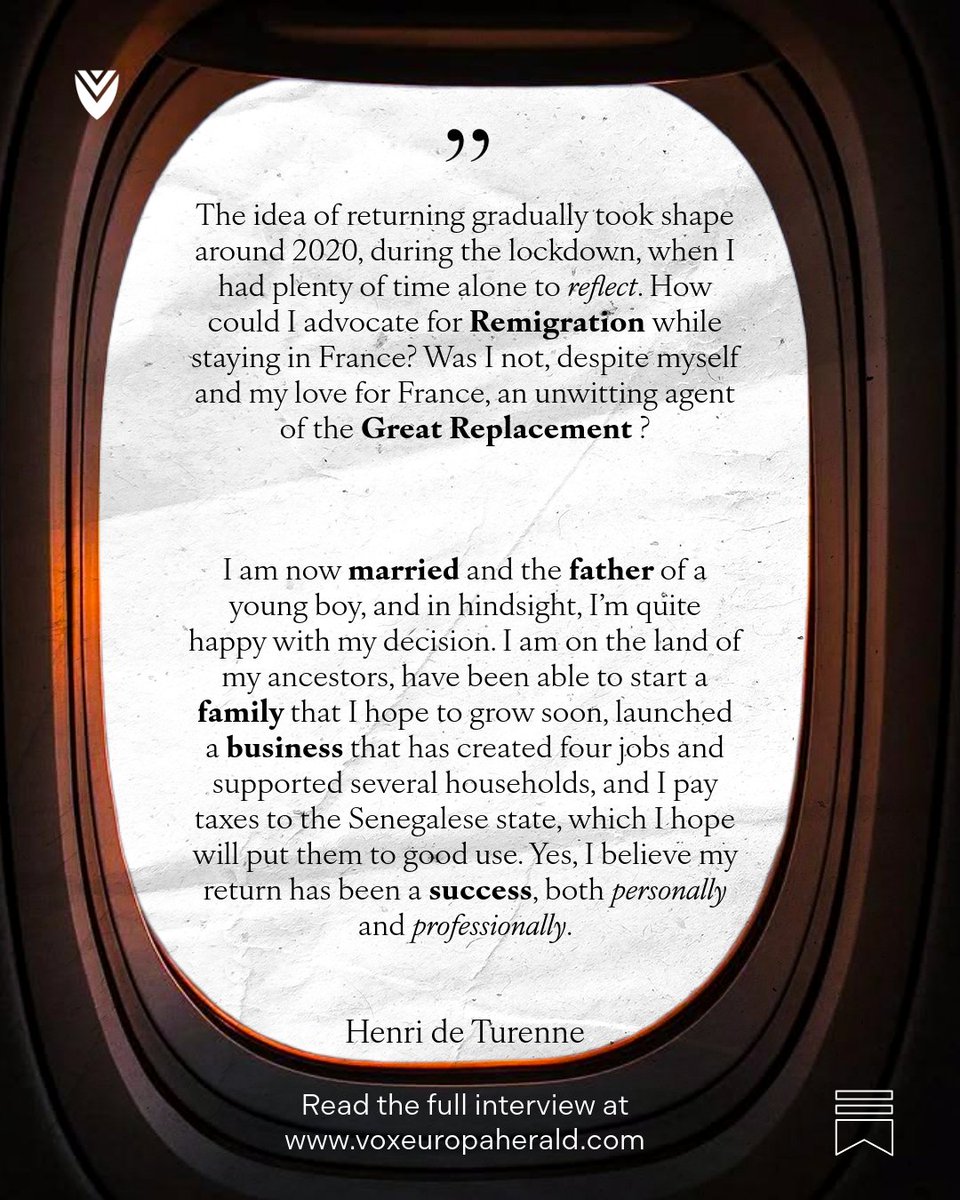
He embodies the journey from ideas to action… a man who chose to live by the principles he advocates, leaving France to build a life in his ancestral homeland 🇸🇳
🔗 Our conversation with @Henri2Turenne : https://t.co/THbdt7MAV5
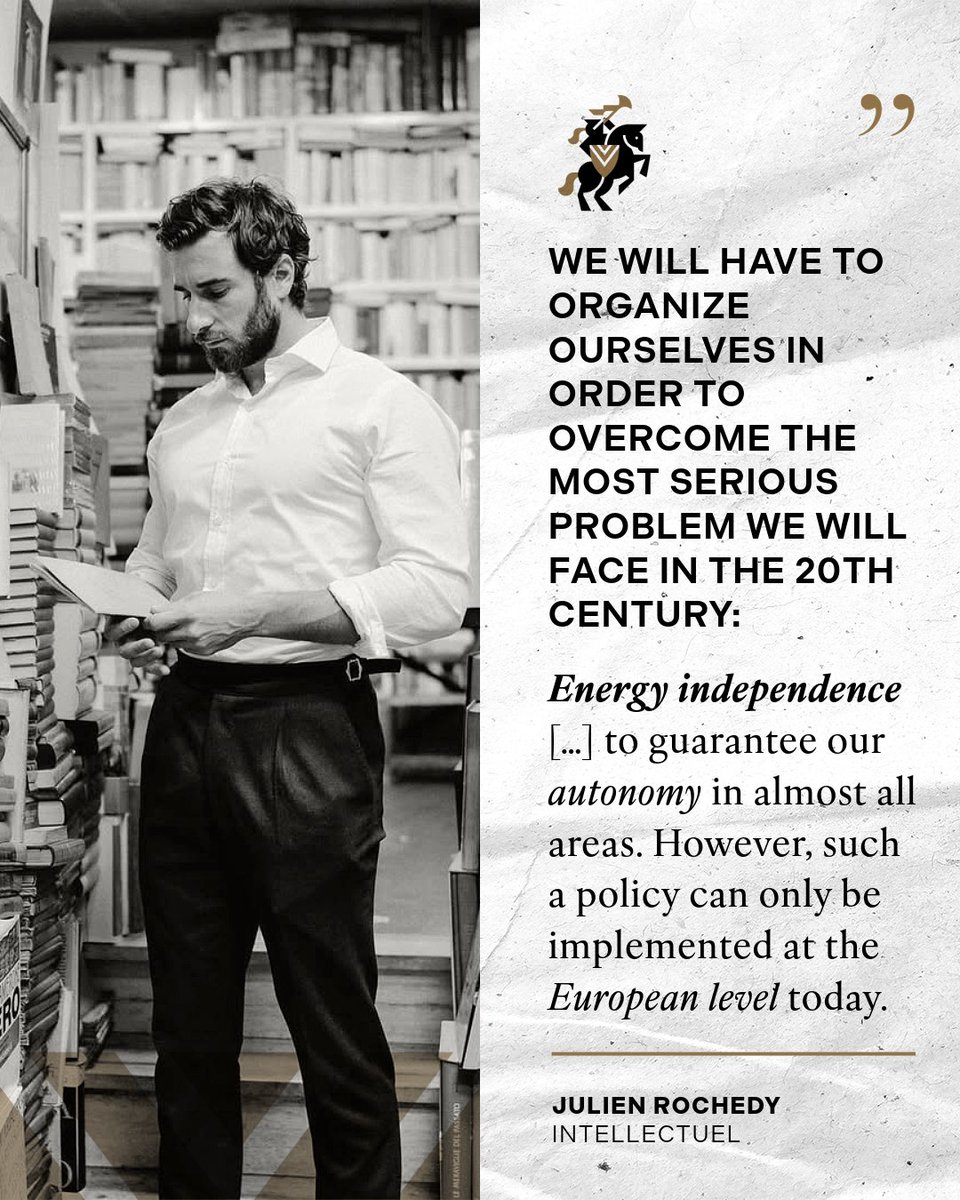
An interview with Julien Rochedy, essayist, editor, and former leader of the Front National youth wing—the intellectual voice shaking up the French right.
A frank discussion on Europe’s heritage, neo-feudalism, remigration, and the future of the continent
https://t.co/7mhsaZ0yqm
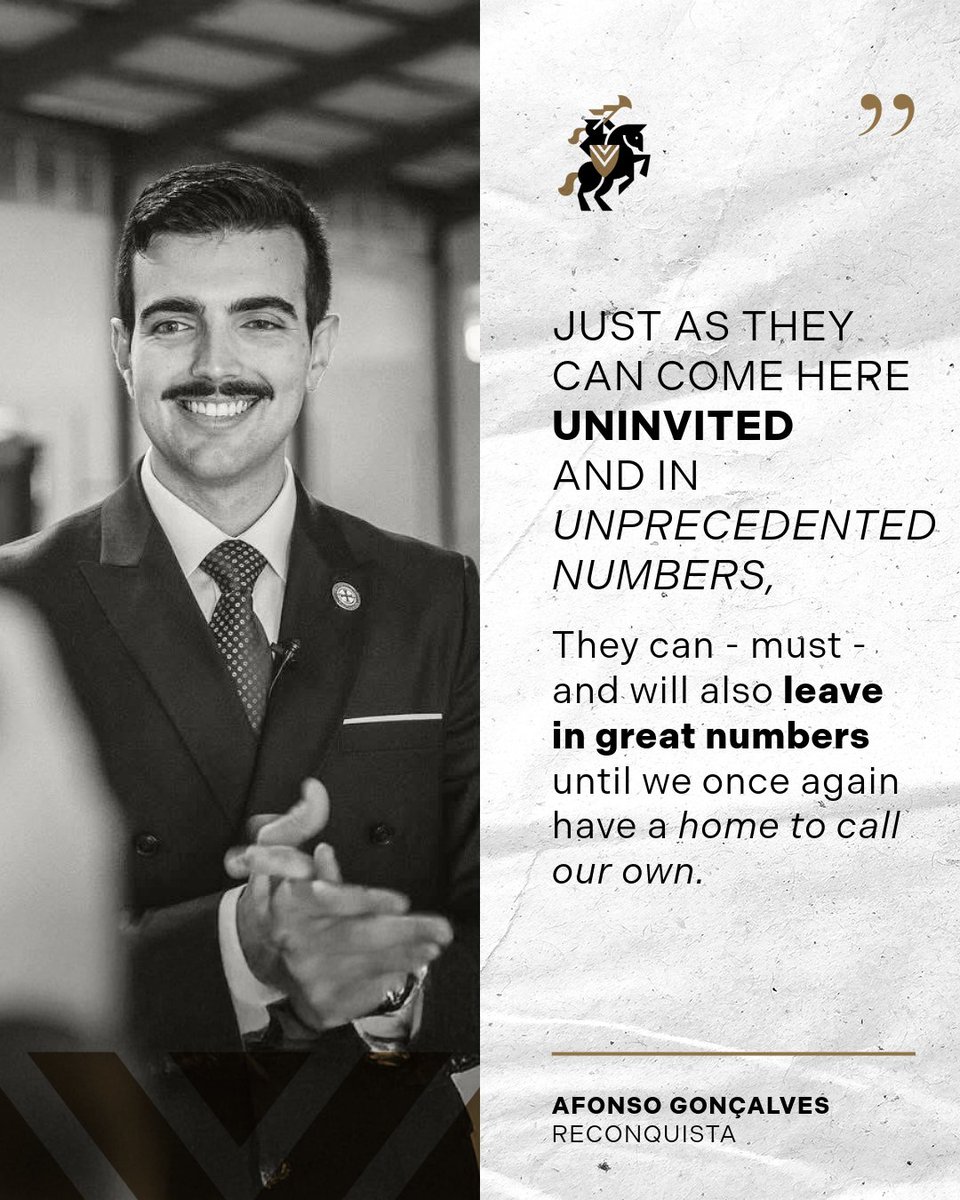
Interview with Afonso Gonçalves, founder and leader of @recon_pt : the rising metapolitical movement shaking Portugal. Raw discussion on activism, Chega, youth and Europe’s future.
Portugal for the Portuguese! 🇵🇹
https://t.co/YjMnAg4eQg
🇫🇷 | French police examine the aftermath of the grenade attack on the beauty salon in Grenoble.
The manager, Lina B., along with some of her relatives, were inside during the explosion.
Andrea Ballarati, pioneer of remigration in Italy and organizer of the Remigration Summit, speaks raw and unfiltered. Persecuted for "hate speech," he exposes Meloni's betrayal, lawfare against patriots, and the urgent need for remigration to save Europe.
https://t.co/EctMPbpV6W
THIS IS LIFE WITHOUT THEM !
When that day comes, we will sing the praises of our heroes, our women, and our lands. We are the generation that will take back our countries 🔥
🇪🇺 #Urgent | Chat Control: The Big Brother with which the EU could spy on everyone’s messages without a court order
The European Union is on the verge of approving one of the most intrusive pieces of legislation in its recent history: the controversial Chat Control. Under the pretext of fighting child abuse, the Commission led by Ursula von der Leyen is pushing a regulation that would force platforms such as WhatsApp, Telegram, Signal, or Messenger to automatically scan every message, photo, or video sent by European citizens.
Presented as an alleged protection tool, the project would open the door to something far more alarming: the total breakdown of digital privacy. By requiring the end of end-to-end encryption, all devices would be exposed to security flaws, vulnerabilities, hacks, and unauthorized access.
Europe would shift to an unprecedented model of mass surveillance, where every citizen is treated as a suspect. Meanwhile, the regulation contains a revealing exception: government communications would be exempt from scanning, creating a troubling “two-speed privacy.”
Although Germany temporarily halted its adoption, the proposal is still alive. And if it is eventually approved, Europe will have to choose between two paths: a free society or one overseen from Brussels, where the State can peer behind every screen.
The battle over our digital future has only just begun.