New instrument in Granada! 📡
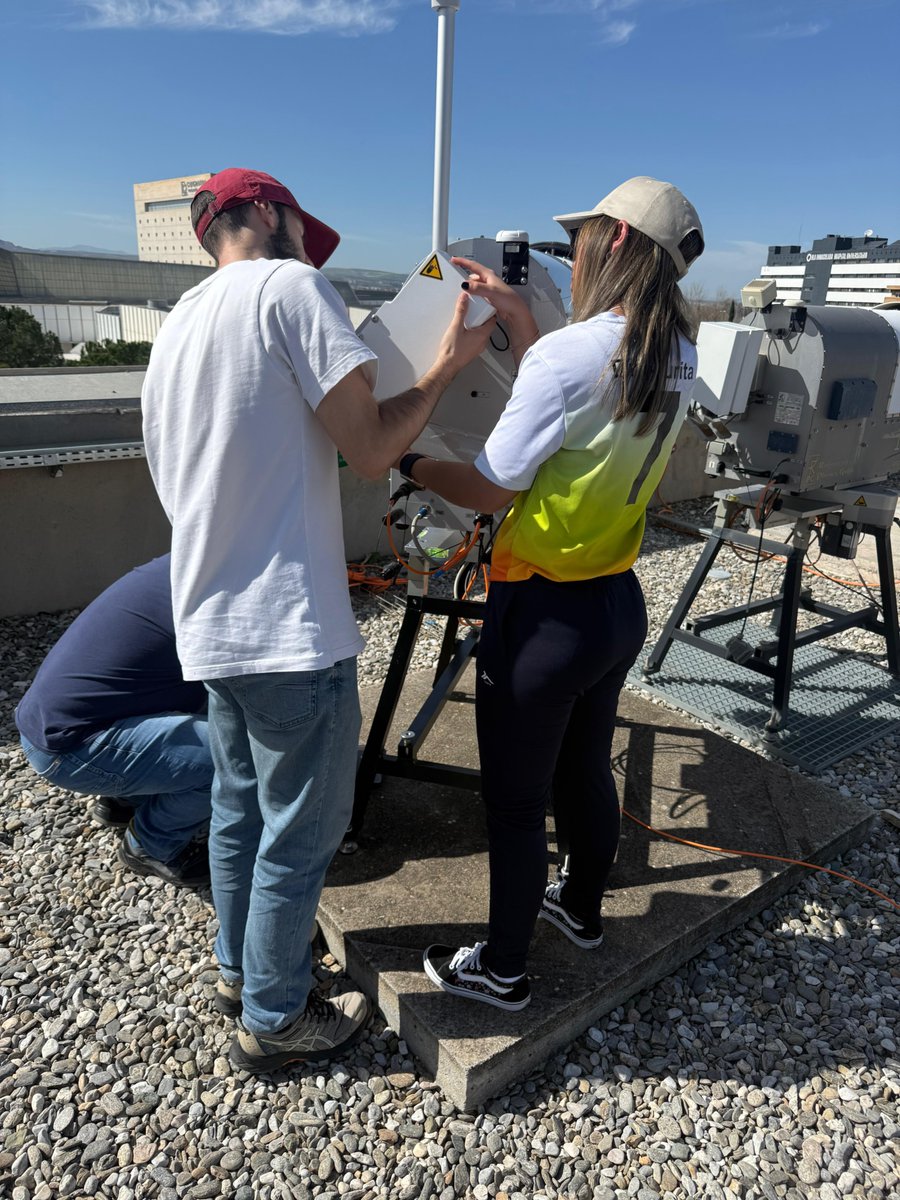
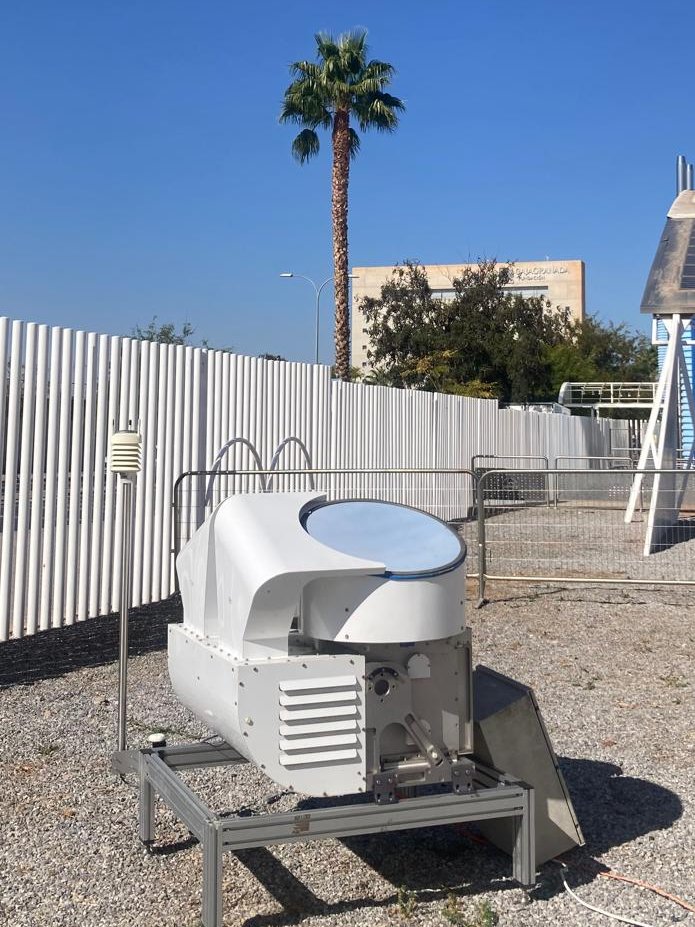
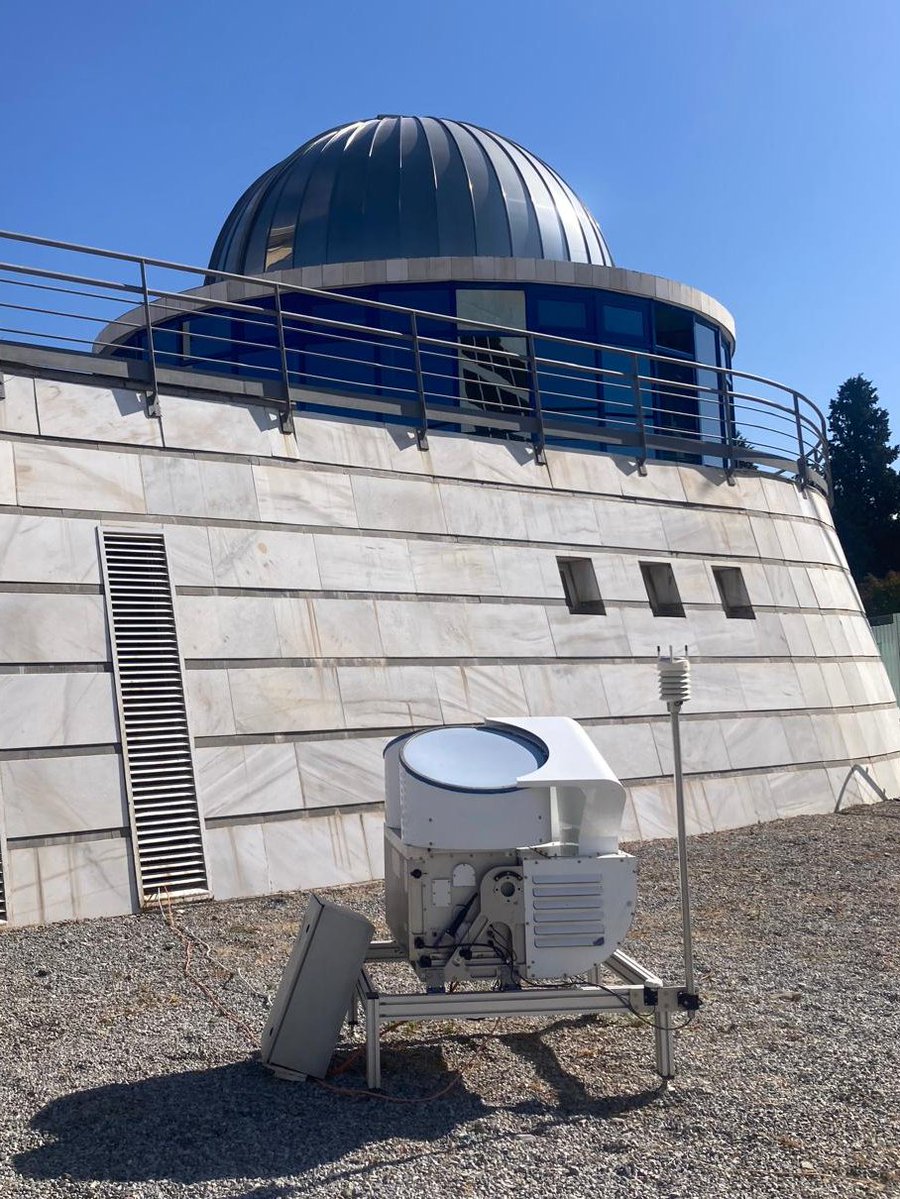
Last week we installed a microwave radiometer at the UGR Urban station. By measuring atmospheric microwave radiation, it helps us monitor temperature and humidity in the atmosphere in near-real time.
@iista_es@CanalUGR@fcienciasugr@ActrisSpain
Some pics from the two-month calibration campaign of our NEPHELE cloud radar with the BASTA reference radar in the framework of ACTRIS-CCRES. For those who don't know, CCRES is the ACTRIS's infrastructures focused on the study of clouds with remote sensing☁️ ##cloudwatch4science
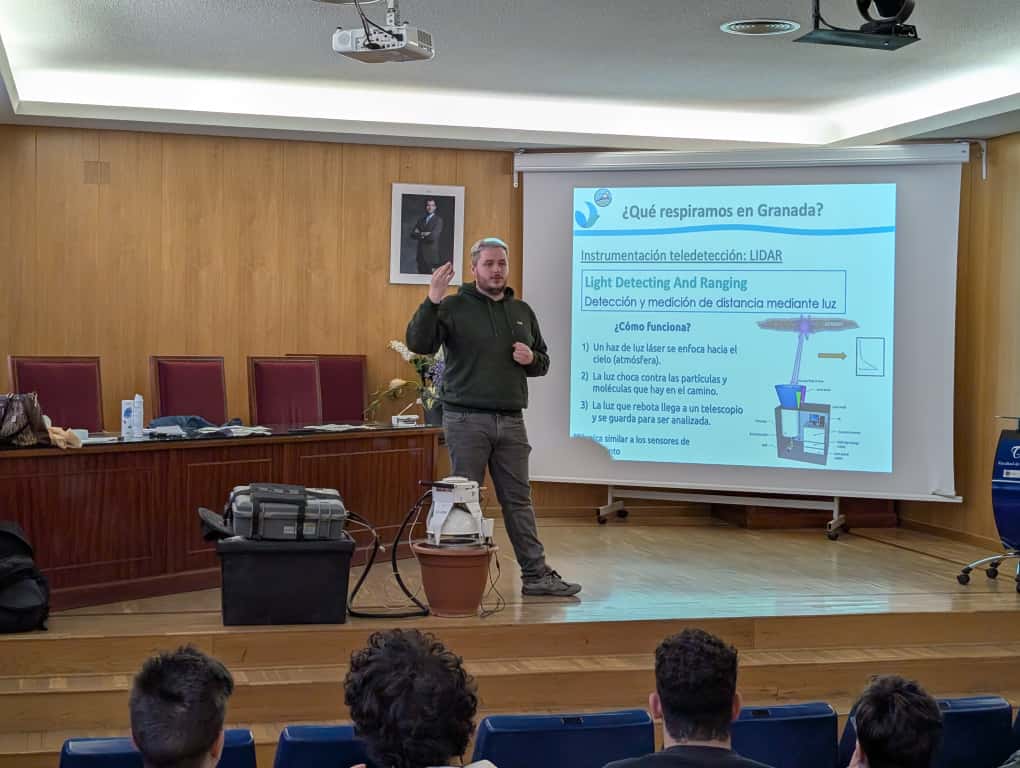
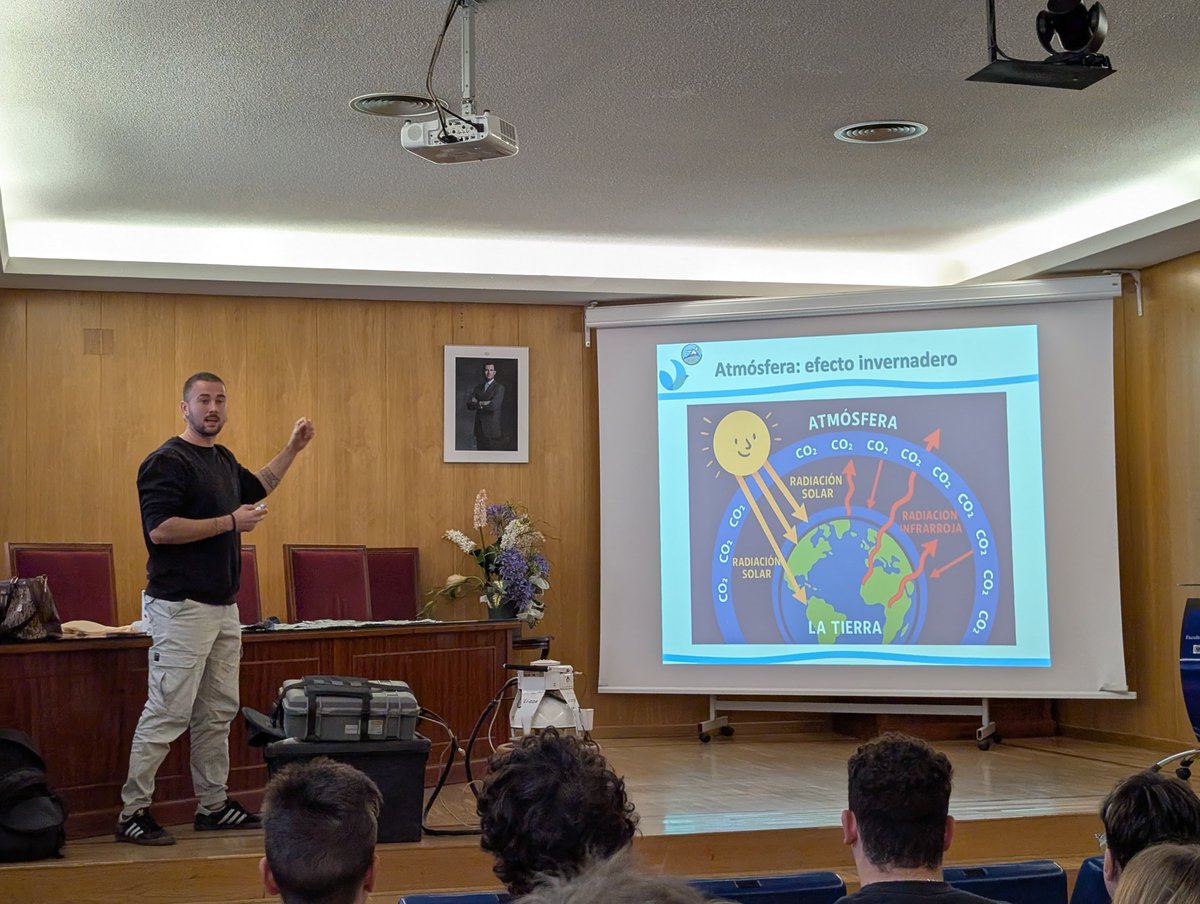
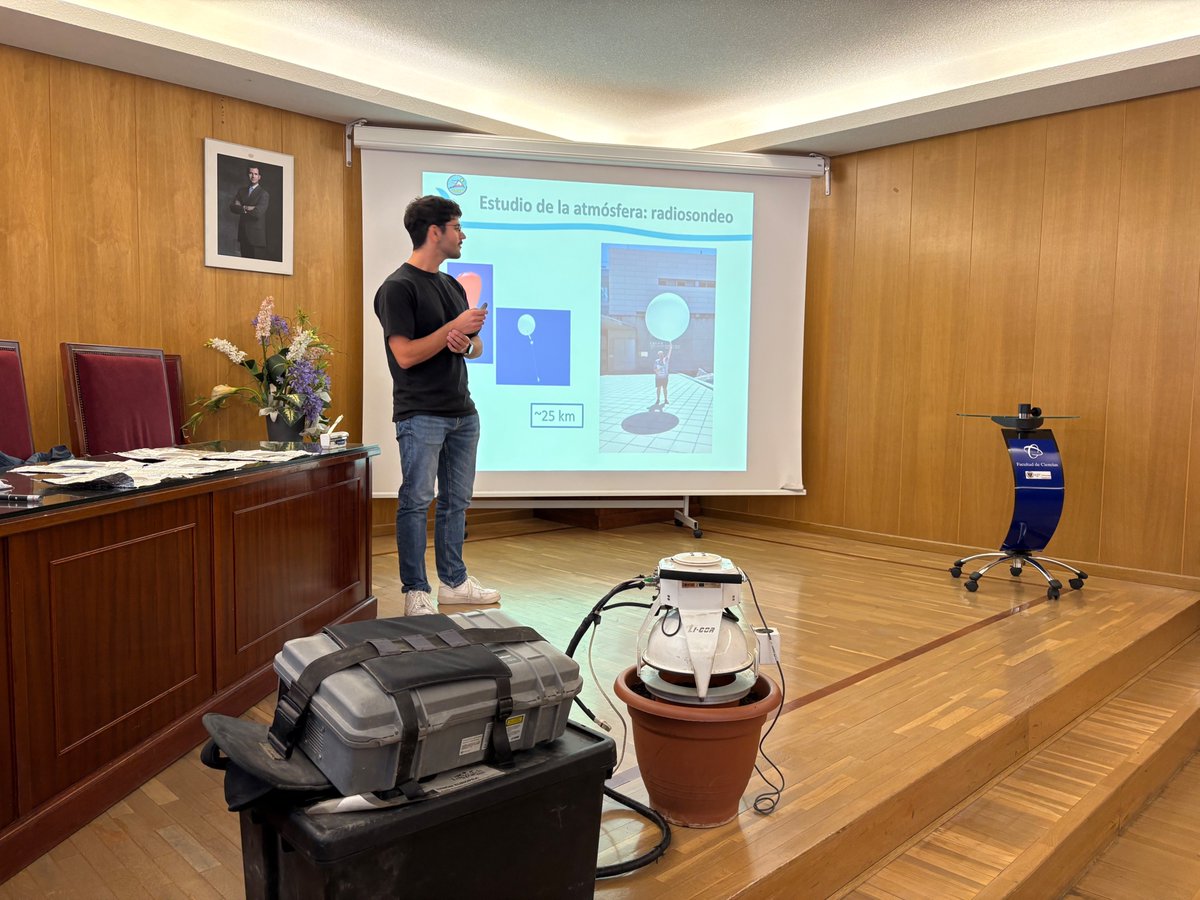
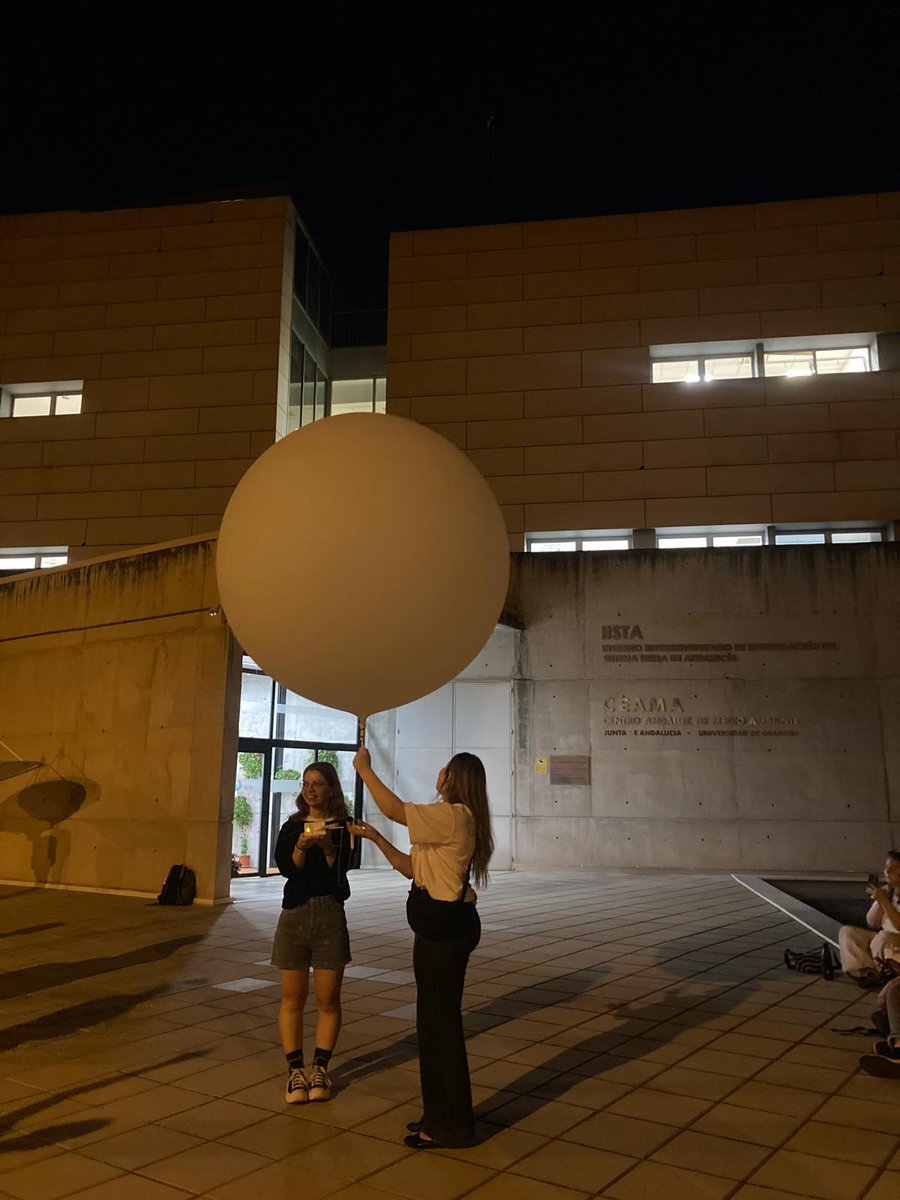
📢 El grupo GFAT participa un año más en la Semana de la Ciencia acercando la Física de la Atmósfera a estudiantes de instituto.
🌍 Charlas, experimentos y muchas preguntas: ¡gracias por vuestro entusiasmo y curiosidad científica! 💫
#SemanaDeLaCiencia#DivulgaciónCientífica#UGR
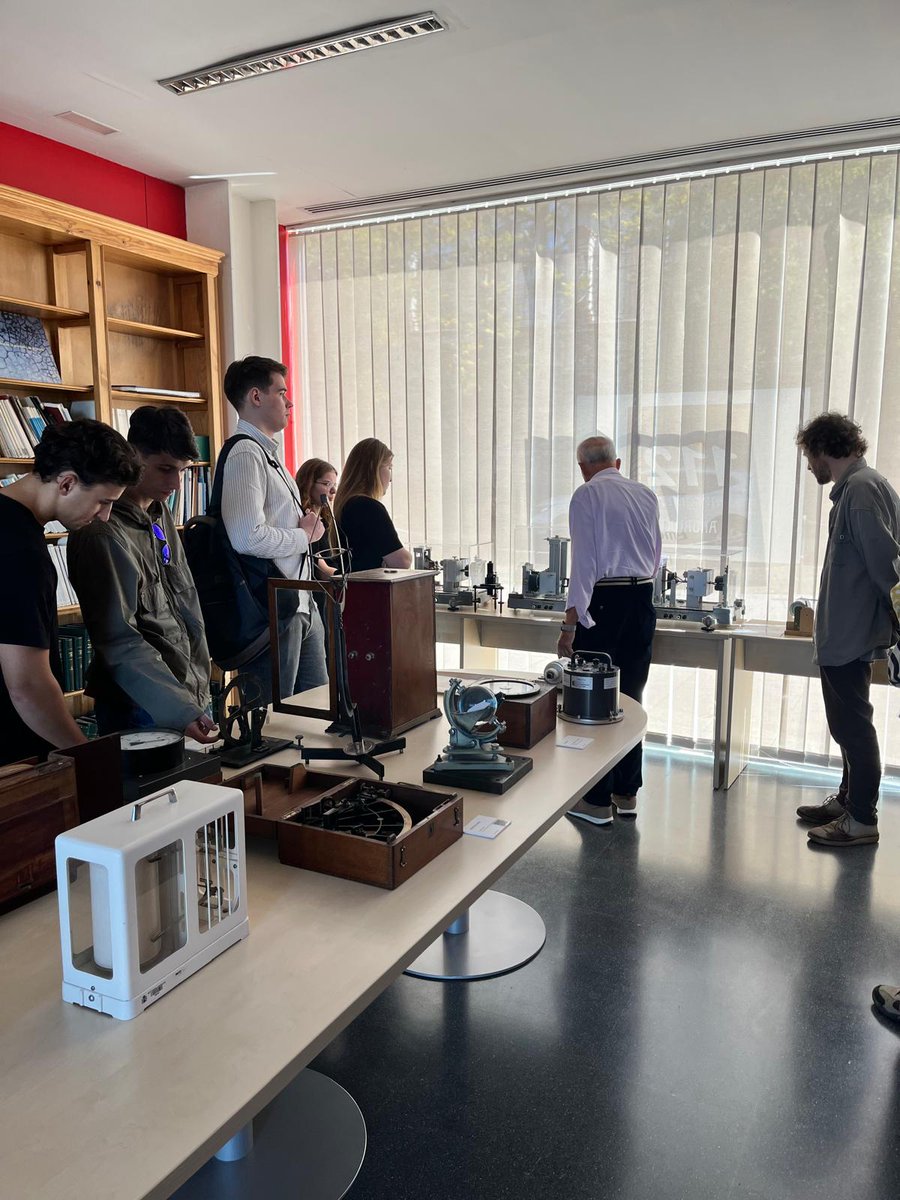
More pictures of last week's #ArqusTwinning activity! The students were visiting the Unit of Biological Quality of Air in the Dept. of Botany, the Historical Botany Garden, the Herbarium and the Andalusian University Institute for Geophysics and Earthquake Disaster Prevention
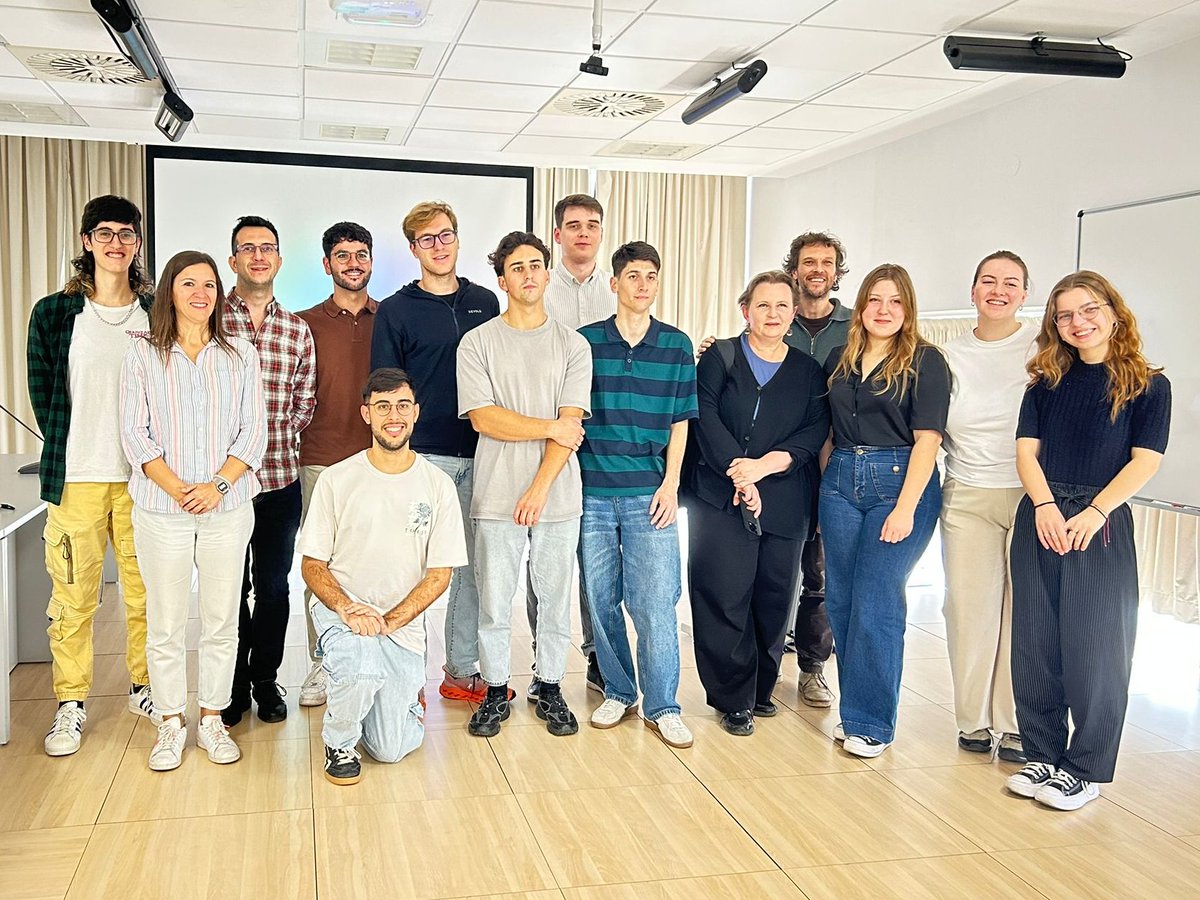
The #ArqusTwinning activity “Urban Green Transition Pathways: Experiences from Vilnius, Granada and Beyond” is now underway!
Students from UGR and Vilnius Univ.🇱🇹 explore urban green transitions, sustainability, and climate change.
#ArqusAlliance#Sustainability#ClimateChange
Did you know the difference between a weather radar and a cloud radar? Weather (or rain) radar detects raindrops (2 mm) so it only works when there is precipitation. Cloud radar is much more sensitive and it can detect tiny cloud droplets (0.02 mm) even when there is no rain!
Today we would like to give a special mention to the @ParqueCiencias for allowing us to install our cloud radar at their facilities to carry out a two-month calibration campaign. Thanks!
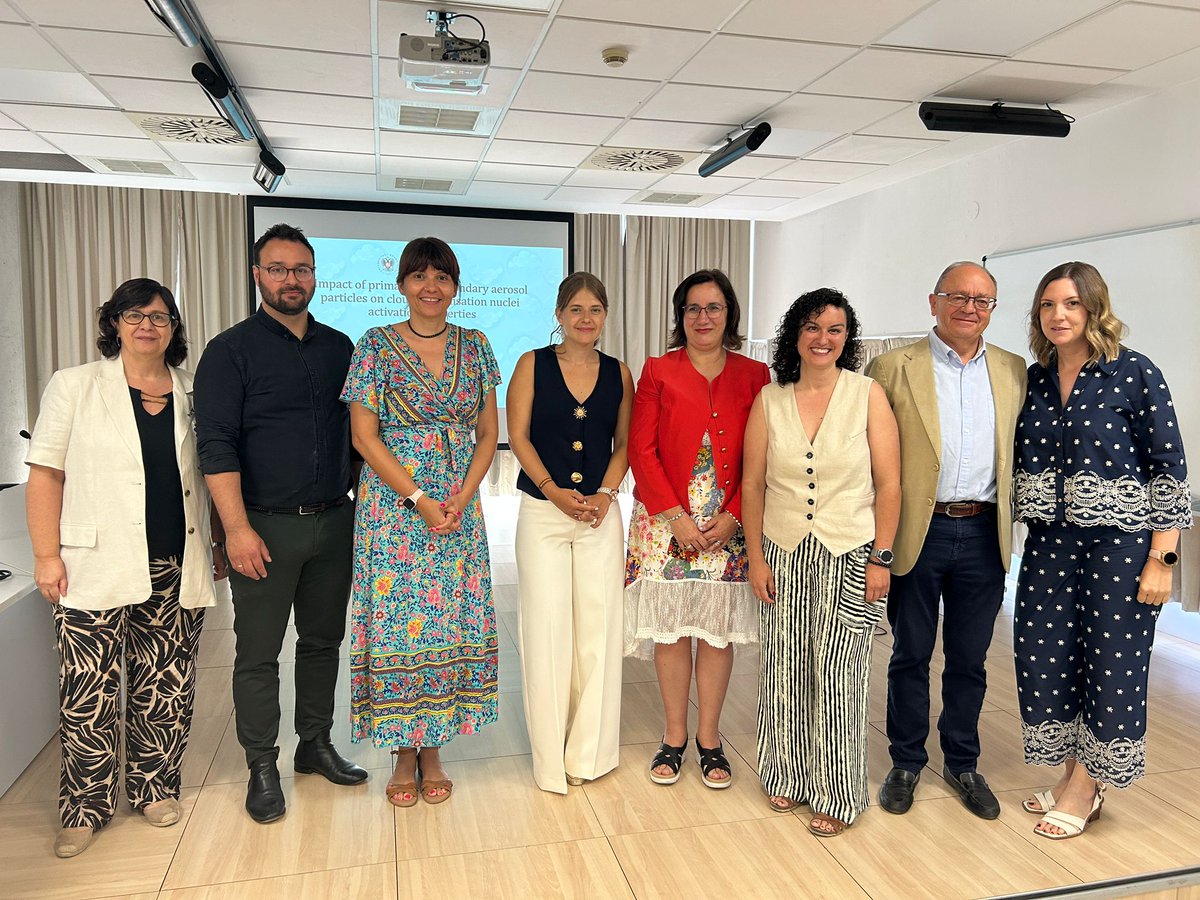
Congratulations to our new doctor, Andrea Casans. She successfully defended yesterday her PhD at @iista_es . Her thesis advances in improving our understanding of the activation ability as #cloud condensation nuclei of different aerosol particles #pollen#dust#NPF
This harmonized dataset contributes to enhance the spatial coverage of CCN measurements and will be very useful for model and satellite evaluations and CCN phenomenological studies.
✍️This recently published study compiled a harmonized dataset of cloud condensation nuclei (CCN), particle number size distribution, chemical composition and optical properties.
https://t.co/qOWjUadQQJ
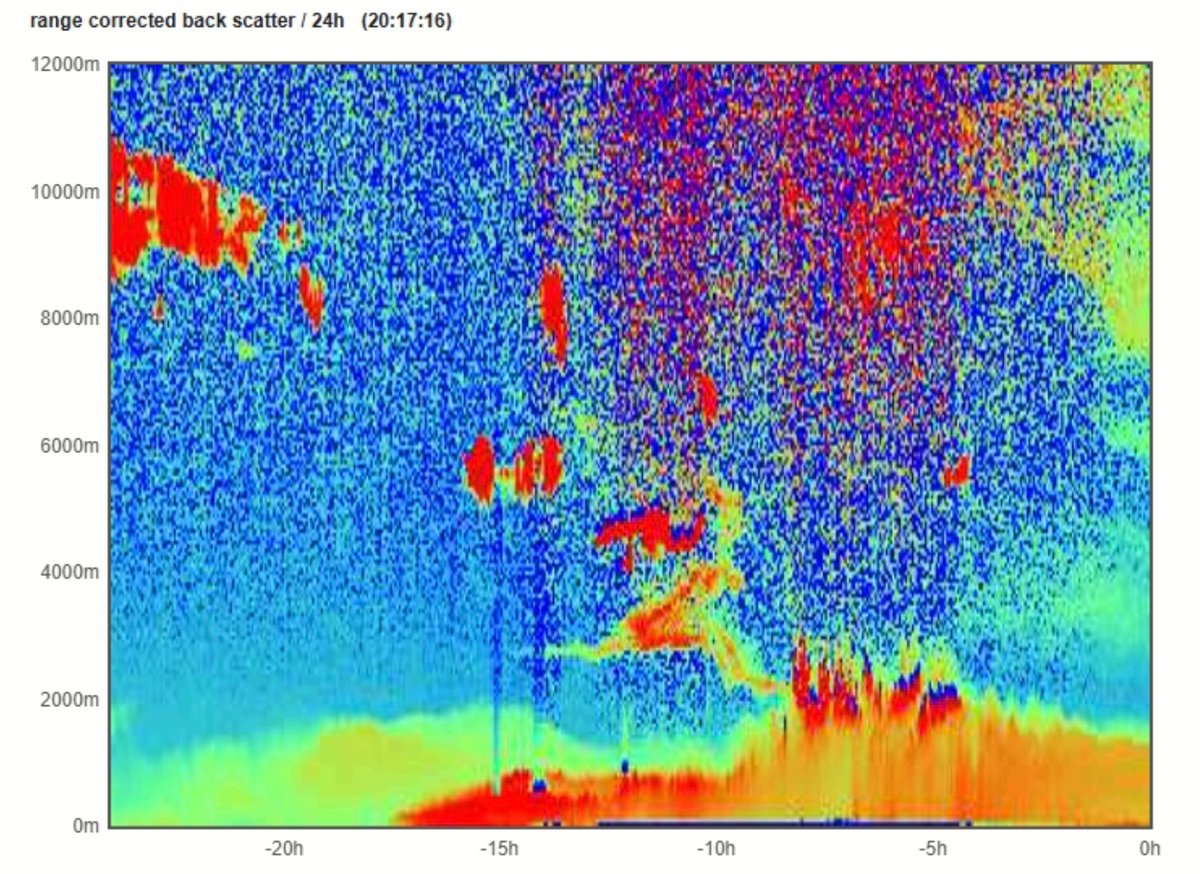
🚨🚨 A similar event is currently being observed over Granada! The image reveals an intense dust layer within the boundary layer, accompanied by a more widespread but less intense smoke presence extending throughout the entire atmospheric column.
🚨 An unusually intense aerosol signal was detected over Granada by our ceilometer, peaking around 9 km above the city! Such strong signals are rare at this altitude and indicate the presence of an elevated aerosol layer.
🚨 An unusually intense aerosol signal was detected over Granada by our ceilometer, peaking around 9 km above the city! Such strong signals are rare at this altitude and indicate the presence of an elevated aerosol layer.
🌍 The plume didn’t stop there and continued across the North Mediterranean, reaching Italy, the Balkans, Greece, and Turkey. This image by Copernicus Sentinel-3 corresponds to May 18, and a clear plume can be observed covering the whole Island of Sicily.