Watching our latest burial saga very keenly and asking myself very many questions about the overreach of employers.
Are we borrowing from GoK in deciding who buries, when, where, and picking up the tabs?
Are ethnic beliefs colouring HR practice under guise of empathy?
In those five minutes when I was first plunged into the reality of Dolly’s demise, what struck me deeply was this very graphic confirmation that we truly do inherit the music tastes of our parents. And if we are open to learning, we benefit from the discoveries of our children.
Oh!
“She's been there, god knows she's been there
She has seen and done it all
…
And she's a sparrow when she's broken
But she's an eagle when she flies”
🎶🎵
Thank you for the music, and the laughter, Dolly Parton.
Fly on home, peacefully, and sing with the choir of angels🕊️🙏🏿
If you can give, please do. If you can't, please share this thread. Every retweet reaches someone who might help.
Phone number:0795526072 (Mary Wanjiku)
Paybill:891300
Account:142489
Mchange Link: https://t.co/7rAqLSPlEA
Ngenia Boys performing Ngai Murathimi by Ruth Wamuyu, in the African Gospel Music category. Now THIS is what we call a top tier performance. Angali how the white gloves on the boys elevate the whole presentation everything is so clean and well coordinated.
Academics never really retire because mental labour— the work of ideation and interrogating phenomena— only ends when your brain atrophies or dies.
So let us agree that these old intellectuals willfully chose the wrong assignment.
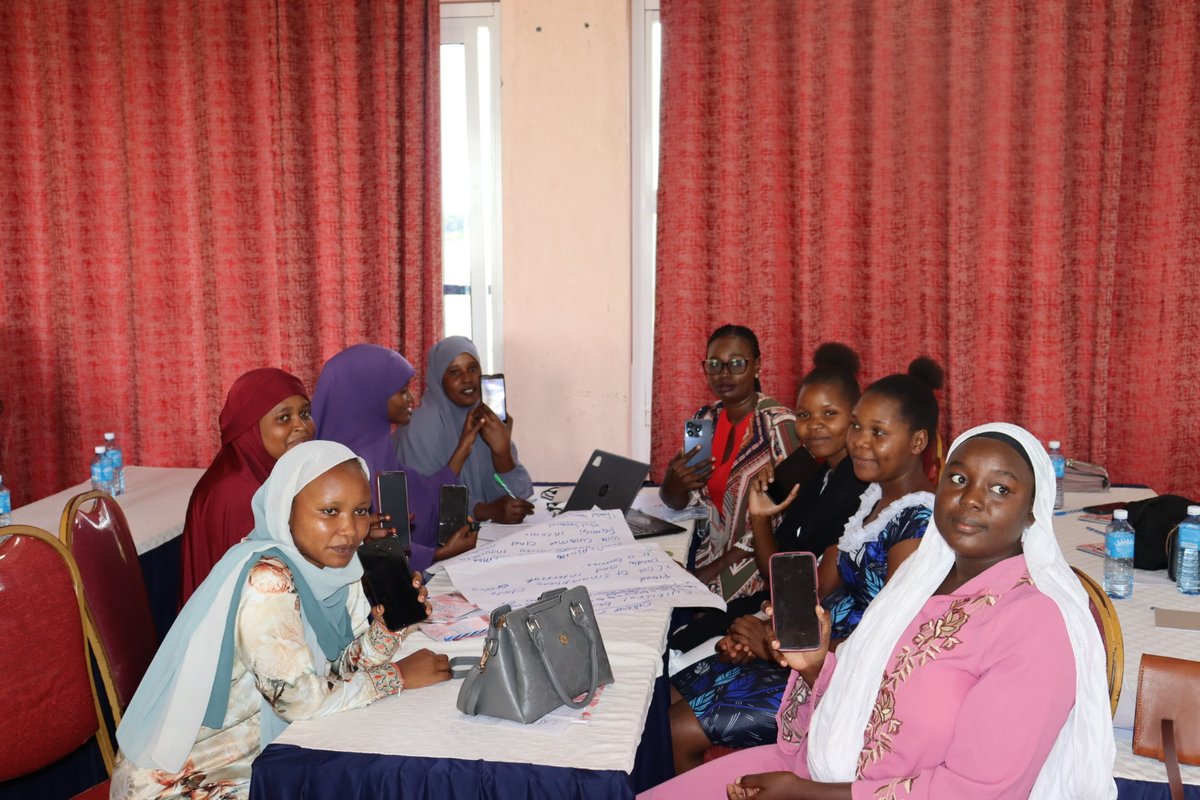
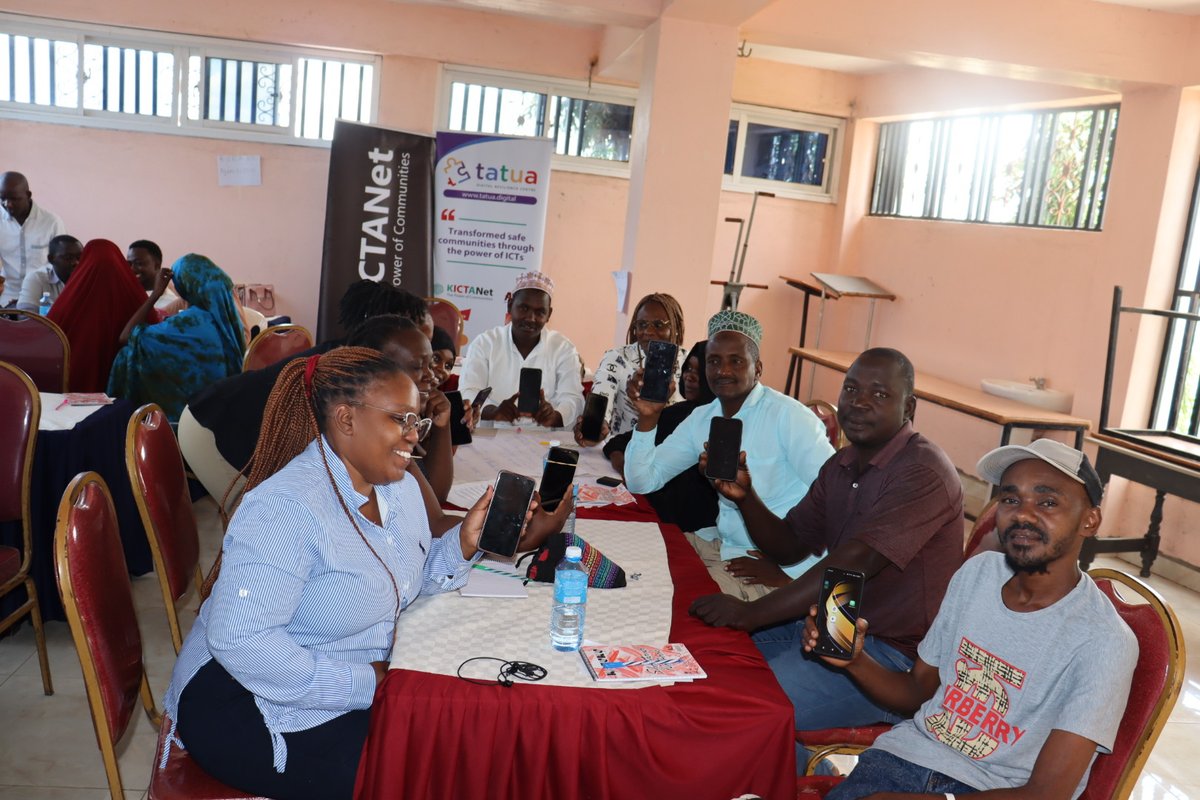
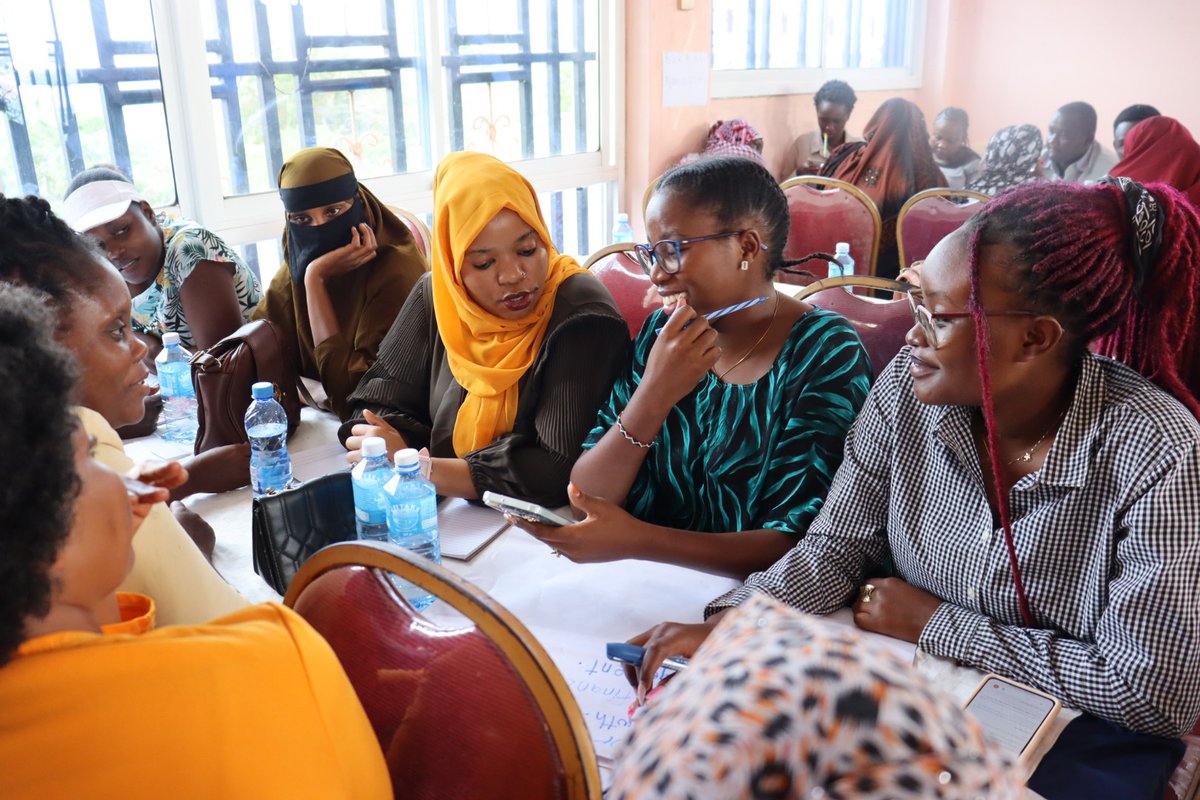
🚀 Highlights from Tana River | Mapping Our Digital Lives
📱 "Imagine two people with the same smartphone. One uses it only to make calls and send messages. The other uses it to access government services, grow a business, learn new skills, market products, connect with customers, and earn an income. The difference isn't the device it's the opportunity, confidence, and support to use it effectively."
This conversation was at the heart of our "Mapping Our Digital Lives" group discussions during the Intergenerational Dialogue in Tana River County under the #EmpowerHer Project.
Participants reflected on how they use digital tools, from mobile phones and laptops to search engines, AI tools like ChatGPT, and online learning platforms, in their daily lives.
Together, they looked into the barriers that prevent many women from becoming confident technology users, including cultural norms, affordability, digital skills gaps, connectivity, and online safety concerns.
Working in stakeholder groups, participants identified practical actions that can create lasting change:
📱 What can households do to support women's digital access?
🤝 How can communities encourage digital inclusion?
🏛️ What support is needed from county governments?
🌍 What role should KICTANet and partners continue to play?
The discussions reinforced a simple but powerful message: digital transformation is not just about access to technology, it's about empowering people to use it confidently, safely, and meaningfully to improve their lives.
#EmpowerHer #SheConnects#CARE#DigitalInclusion #WomenInTech #DigitalSkills #DigitalTransformation #CommunityDialogue #TanaRiver #KICTANet
We congratulate the Kenya AI Policy team on releasing the Draft National AI Policy. We are particularly pleased to see the Draft Policy take several pro-AI safety stances, including ⬇️ https://t.co/w6w72KQHia
"For civil society, cybersecurity is not an abstract exercise in navigating geopolitics." KICTANet CEO Dr. Grace Githaiga addressed the @UN Global Mechanism on ICT security on behalf of civil society this week in New York.
https://t.co/1urlu4XLV4
#Cybersecurity#HumanRights