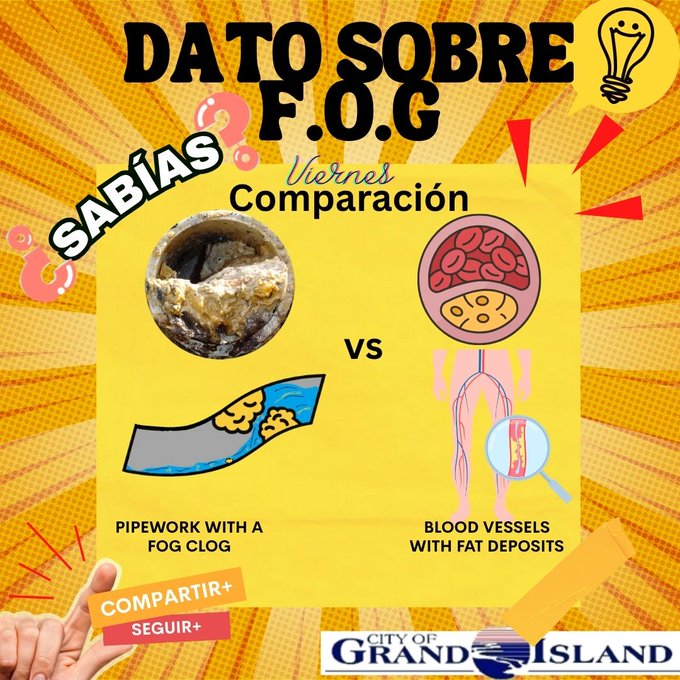
We dive deeper into how pipework can compare to our blood vessels. When there is a buildup from too much FOG in the system, it begins to deposit and narrow the flow of fluid through the network. Eventually, it will cause an expensive blockage!
Profundizamos en cómo las tuberías se comparan con nuestros vasos sanguíneos. Cuando se acumulan aceites (FOG) en el sistema, estos comienzan a depositarse y reducen el flujo de fluido a través de la red. Con el tiempo, esto puede causar una obstrucción costosa.
El agua de lavado de concreto puede dañar los drenajes pluviales y las vías de agua.
Nunca lave concreto hacia la calle o el drenaje pluvial.
Use un área contenida, deje endurecer el material y deséchelo correctamente.
Wet concrete wash water can harm waterways and storm drains.
Never wash concrete into the street, gutter, or storm drain.
Use a contained washout area, allow material to harden, then dispose of it properly.
What’s on the ground is in our water.
El agua limpia no pertenece al alcantarillado sanitario.
Las bombas de sumidero y drenajes de sótano deben descargar afuera — no en las tuberías sanitarias.
El exceso de agua limpia en el sistema aumenta el riesgo de respaldos de alcantarillado.
Cada gota cuenta.
Clean water doesn’t belong in the sanitary sewer.
Sump pumps and foundation drains should discharge outdoors to a lawn, storm drain, or approved waterway — not into sewer pipes.
Extra clean water in the system increases the risk of sewer backups.
Every drop adds up.
Ever wonder what happens after you flush?
SIgn up for a walking tour of the Wastewater Treatment Plant to see how wastewater is cleaned and returned safely to the environment. Staff will guide visitors through the process and answer questions along the way.
June 3 @ 5:30p
What’s a fatberg? It’s a massive buildup of grease, wipes, and debris in sewer pipes that blocks flow and causes backups and overflows. Protect your system: never pour grease down the drain and only flush the 3 P’s—pee, poop, and paper.
¿Qué es un fatberg? Es una gran acumulación de grasa, toallitas y desechos que bloquea las tuberías y causa desbordes. Protege el sistema: no tires grasa por el desagüe y solo desecha las 3 P—pipí, popó y papel.
What’s on the ground is in our water. Managing stormwater on your property helps reduce runoff and protect waterways.
Direct downspouts to landscaped areas. Use rain barrels. Keep water where it falls so it can soak into the soil.
Protect water and reduce water use.
Lo que está en el suelo termina en el agua. Manejar el agua de lluvia en su propiedad ayuda a reducir la escorrentía y proteger las vías fluviales.
Dirija las bajantes a áreas con vegetación. Use barriles de lluvia. Mantenga el agua donde cae para que se absorba en el suelo.
When grease mixes with wipes and other non-biodegradable materials, it forms massive blockages in sewer pipes. Keep it out: trash it, don’t flush it!
La grasa se mezcla con toallitas y otros materiales y forma bloqueos en las tuberías. ¡Tíralo a la basura, no al inodoro!
What’s on the ground is in our water. Fertilizer runoff can feed harmful algae blooms in our lakes.
Follow label directions. Use only what you need. Don’t apply before rain. Sweep stray granules back onto the lawn.
Protect our water by using lawn care products responsibly.
Lo que está en el suelo termina en el agua. El fertilizante puede alimentar floraciones de algas en nuestros lagos.
Siga las instrucciones del empaque. Use solo lo necesario. No aplique antes de la lluvia. Barra los granos del pavimento de regreso al césped.
FOG clogs in pipes are like fat buildup in blood vessels—both restrict flow and cause serious problems. Protect your pipes like your health: keep grease out of drains and prevent costly backups!
Los tapones de grasa en tuberías son como la grasa en las arterias—ambos bloquean el flujo y causan problemas. Protege tus tuberías como tu salud: ¡no tires grasa por el desagüe!
Lo que está en el suelo termina en el agua. Los contenedores desbordados pueden contaminar nuestras vías fluviales.
Coloque la basura en bolsas, amárrelas y mantenga las tapas cerradas. Ayudemos a mantener la basura fuera de nuestros ríos y océanos.