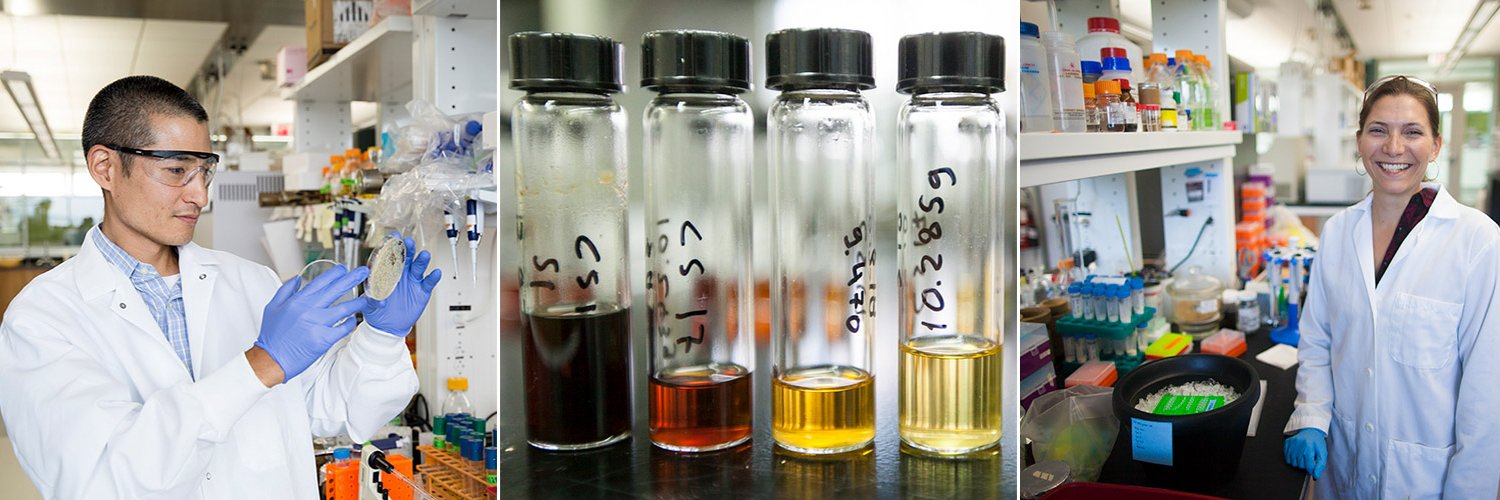
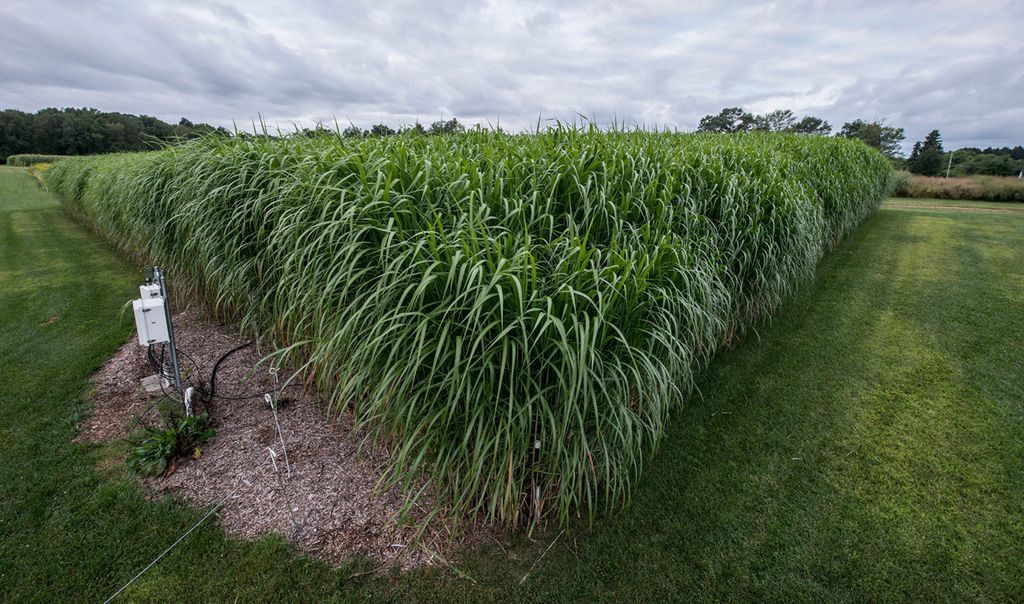
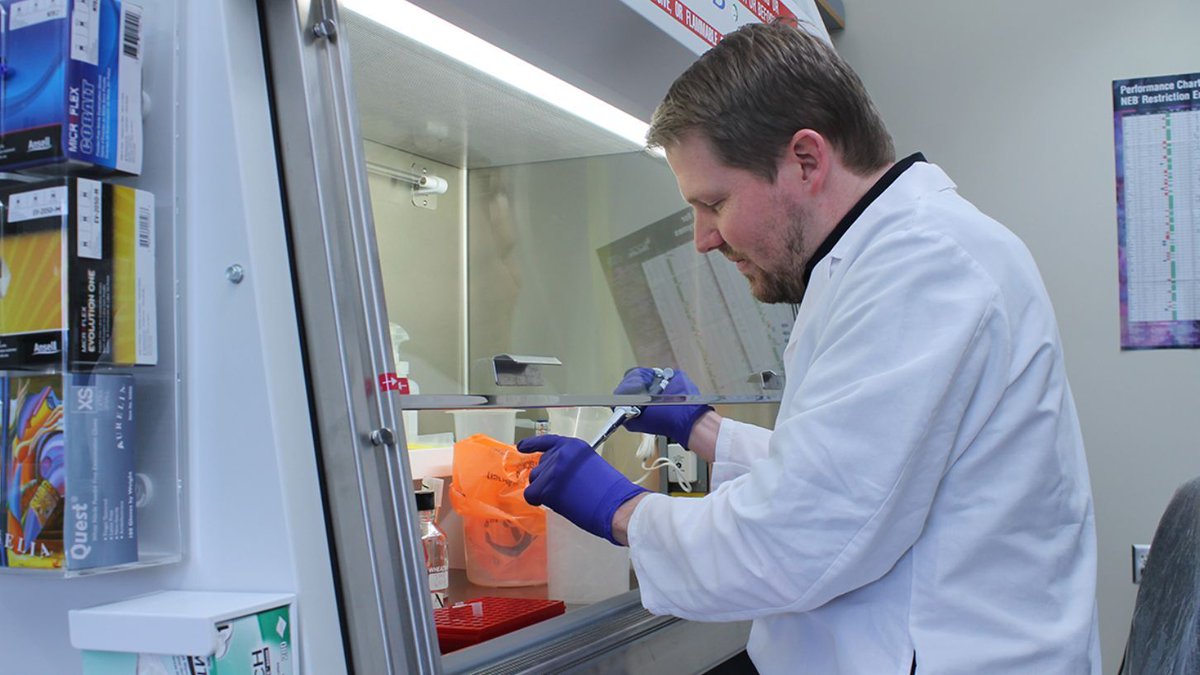
Big news! We are so excited to announce that @ENERGY has awarded #GLBRC and our partner BRCs 5 more years of funding to continue our mission of developing sustainable alternatives to fuels and products currently made from petroleum.
Learn more: https://t.co/1SumQc3J1X
Study identifies enzymes that could improve isobutanol production in Saccharomyces cerevisiae whilst reducing unwanted ethanol production.
Read more: https://t.co/nrNqbKMS9M
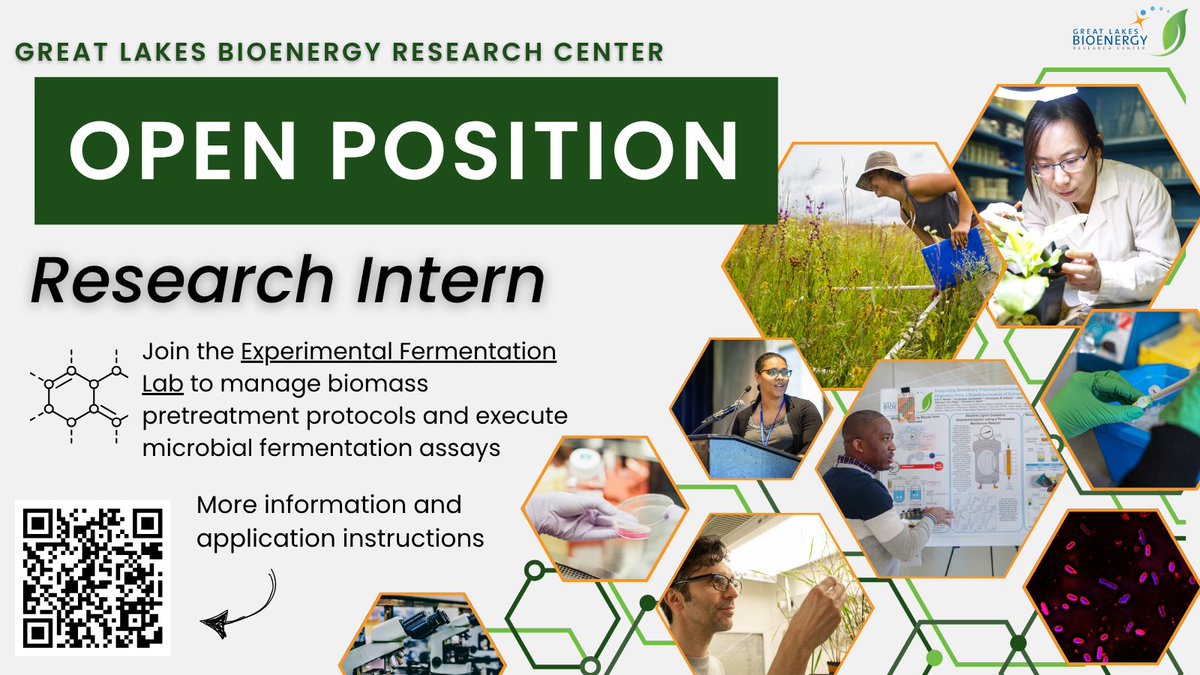
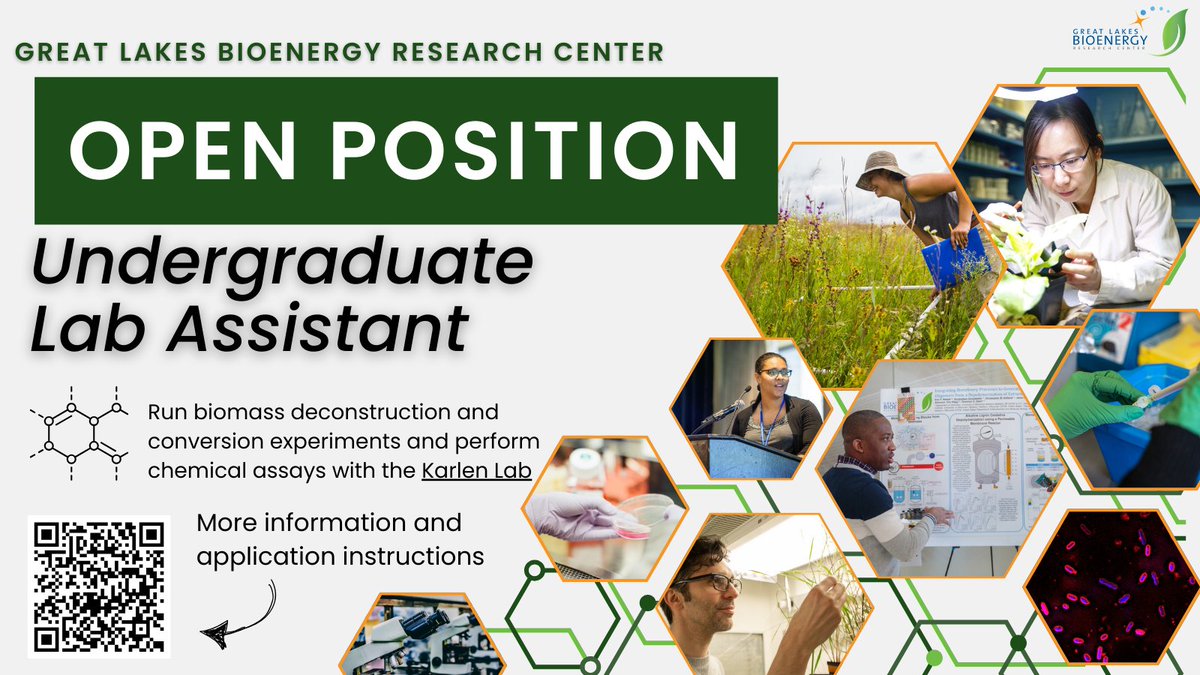
New Research Intern position open at the Experimental Fermentation Lab!
Under the mentorship of Kyle Probst, this role will be responsible for managing biomass pretreatment protocols and executing microbial fermentation assays.
More info: https://t.co/d9OW46h803
#intern#job
Multitasking microbes makes for smarter biofuels.
Scientists at the GLBRC engineered bacteria that make two products at once from plant waste, cutting costs & emissions.
This is a big step toward scalable, sustainable biorefineries. Read more: https://t.co/O9MqeyXVP3
Sometimes innovation is simple: just add water
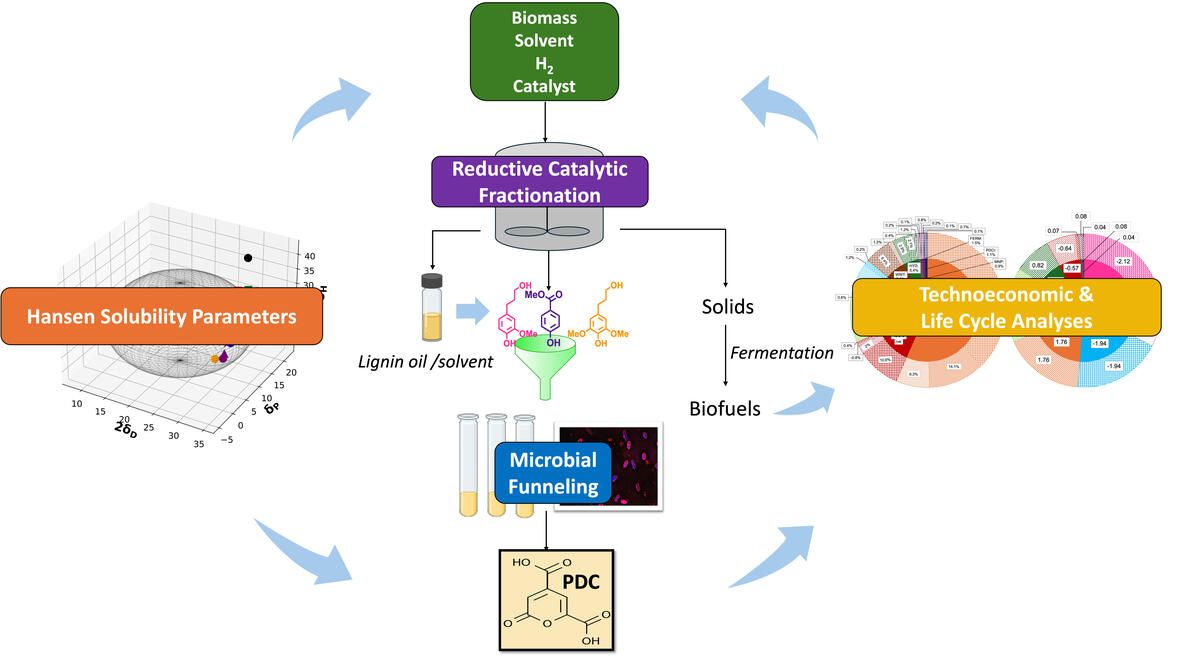
Building on previous work using RCF to deconstruct poplar, GLBRC researchers found that diluting solvents can improve efficiency in turning plants into bioproducts, lowering prices by 24%. Read more: https://t.co/Xgf3xyJ5BS
Brandon Kristy, a GLBRC researcher from MSU, has been selected for a DOE graduate student research program at the Lawrence Livermore National Laboratory!
Read more about Kristy and his research: https://t.co/0uJdJyb2V2
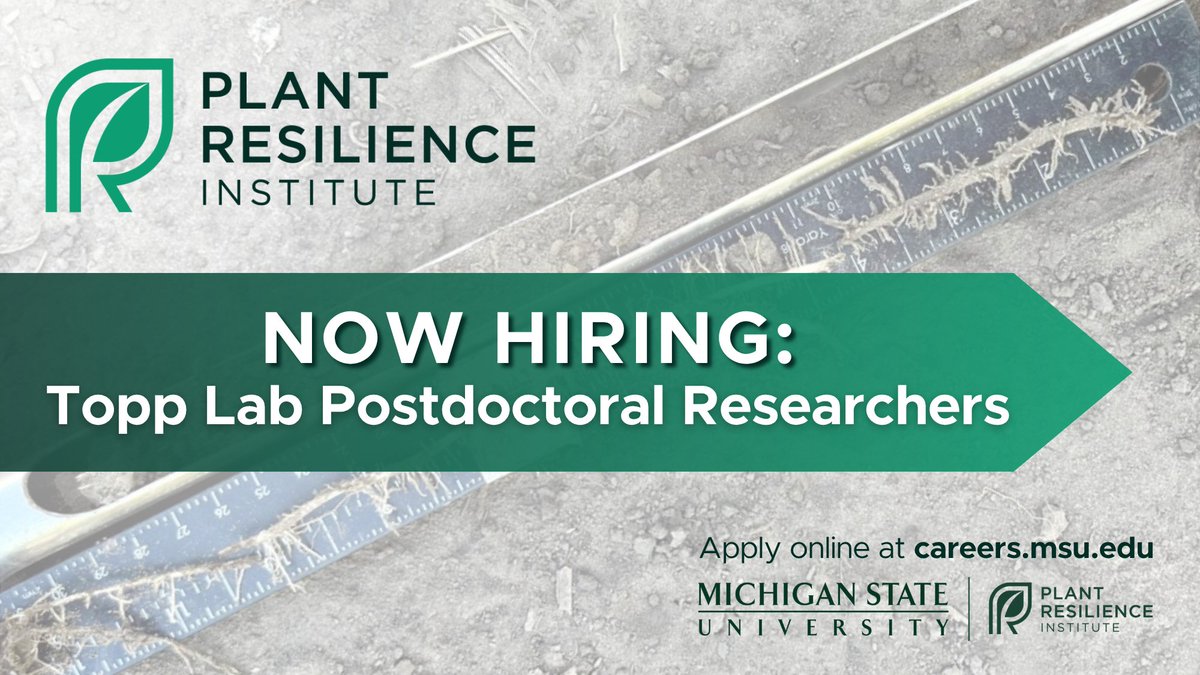
The Topp lab at MSU is recruiting multiple postdoctoral researchers across complementary areas of root biology, phenomics, and translational crop science! Learn more about the postdoc opportunities and apply now: https://t.co/OKRqjy6n47 #PlantScience#PlantSciJobs
When is the best time to replant bioenergy crops?
GLBRC researchers analyzed 200+ plantings of switchgrass and miscanthus and found that replanting at the right time can help maintain yields and maximize long-term profits for farmers. Read more: https://t.co/VQ6EzRtICj
GLBRC researchers developed toolkits using Mobile-CRISPRi and synthetic promoters to control gene expression in microbes like Zymomonas mobilis.
The goal: engineer strains that resist toxins and produce more bioproducts from biomass. Learn more: https://t.co/Vo5W1rGuXB
Research from the GLBRC explores how efflux pumps can balance energy efficiency and selectivity. The study found that more efficient pumps can expel a broader range of toxins, helping microbes better survive industrial fermentation processes. Read more: https://t.co/1vNWbIqkG9
New research from @michiganstateu's Bruno Basso and G. Philip Robertson uncovers a novel method to more accurately predict nitrous oxide emissions in agriculture. The findings were published in @PNASNews.
READ: https://t.co/yjutSubIXo
Join @UWEnergy for a March Madness-themed virtual bioenergy forum on March 24th! Speakers from @GLBioenergy representing four of the most promising bioenergy crops will face off in a bracket-style botanical showdown. Learn more and register to attend: https://t.co/sgIFMdw4N8
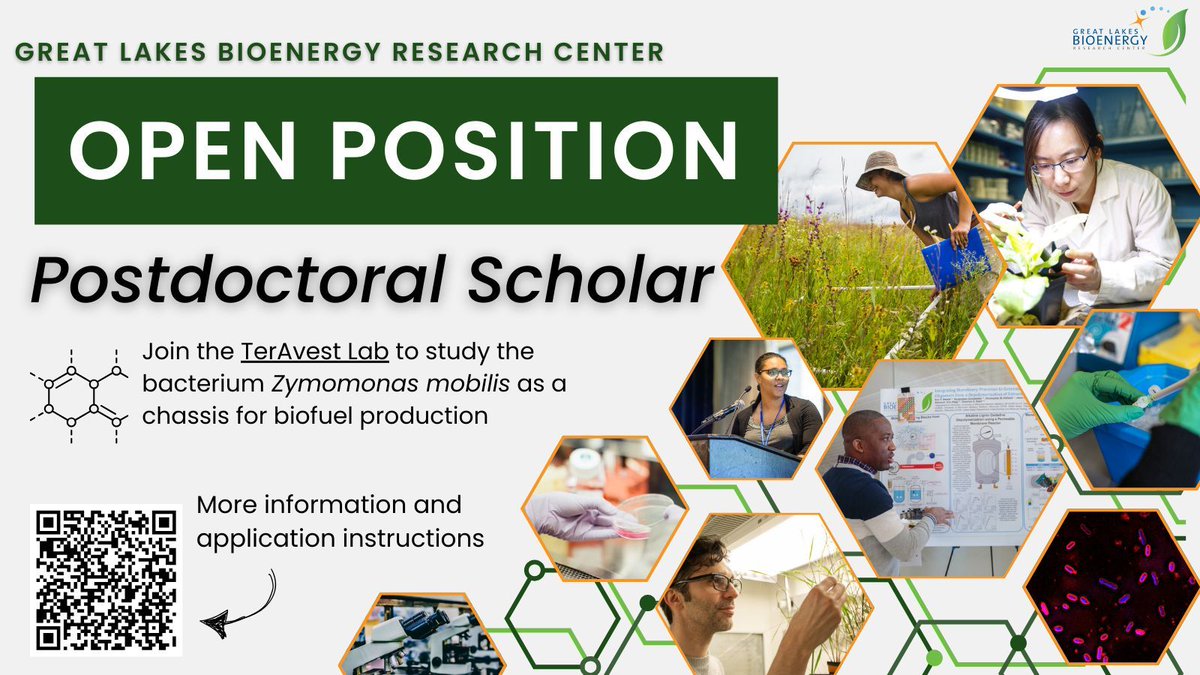
WE ARE #HIRING!!!
Work with GLBRC in the TerAvest lab as a postdoc! You'll get to study the bacterium Zymomonas mobilis and make a direct impact in the world of biofuels.
More information and application instructions: https://t.co/QsZNf28Oc0
#job#career#postdoc @MSUNatSci
A team including current and former GLBRC scientists has won the 2025 @WARF_News Innovation Award for engineering soybeans that naturally produce a red pigment and a brain boosting compound. Check it out!
https://t.co/BLAdsadyHn
#agriculture#uwmadison#ecofriendly#soy
We are thrilled to announce that Dr. Sarah Lebeis has been appointed as the next Science Director at GLBRC!
Read more about her experience researching how plants can recruit root microbes, survive stress, and boost resilience: https://t.co/OQa0ALvlbG
#msu#glbrc#soilscience
Plants under pressure: As CO2 rises and temperatures surge, scientists at the GLBRC are investigating how to keep food systems resilient.
Read more: https://t.co/nYoXswW9iH #agriculture#glbrc
Federica Brandizzi (@msubrandizzilab) is now the lead of @MSUDOEPlantLab ! Read more about this exciting transition on our website: https://t.co/EouCuUq1eA
Audrey Gasch's lab works with budding yeast, a model organism used to study and understand fundamental principles of how cells work. #WARF100@uwchancellor@uwgenetics@uwsmph@GLBioenergy https://t.co/d5DyfoHYh5
Meet Brayan Riascos-Arteaga, a PhD student at UW-Madison working on transforming manure fibers into renewable products. Check out his journey at https://t.co/MbZBHGxgV8 @UWEnergy