How do anti-amyloid therapies shape care in early symptomatic Alzheimer’s disease? Drs. Marwan Sabbagh and Danielle Cabral discuss amyloid biology, slowing clinical progression, treatment limitations, and practical considerations: https://t.co/TPlSQ3VioP #Alzheimers#CME
How common are neuropsychiatric symptoms in Alzheimer’s disease? Explore the prevalence of agitation and psychosis, their impact on patients and care partners, and approaches to objective assessment: https://t.co/DZrVZC4sma #AlzheimersDisease#MedEd
How does tardive dyskinesia affect patients beyond abnormal movements? Explore KINECT-PRO data on quality of life, functionality, and symptoms and consider how patient-reported outcomes can inform shared decision-making: https://t.co/EvT44zCLrK #TardiveDyskinesia
How can clinicians individualize treatment for young patients with generalized myasthenia gravis? Explore therapy selection, thymectomy, treatment monitoring, and why family input and daily functioning matter when evaluating response: https://t.co/jmQexNBl6D #MyastheniaGravis
What can patient-reported outcomes reveal about tardive dyskinesia? KINECT-PRO assessed quality of life using multiple validated PROs, providing insight into TD from the patient perspective. Tune in: https://t.co/9HUrV3AZSM #TardiveDyskinesia#PatientCare#Psychiatry
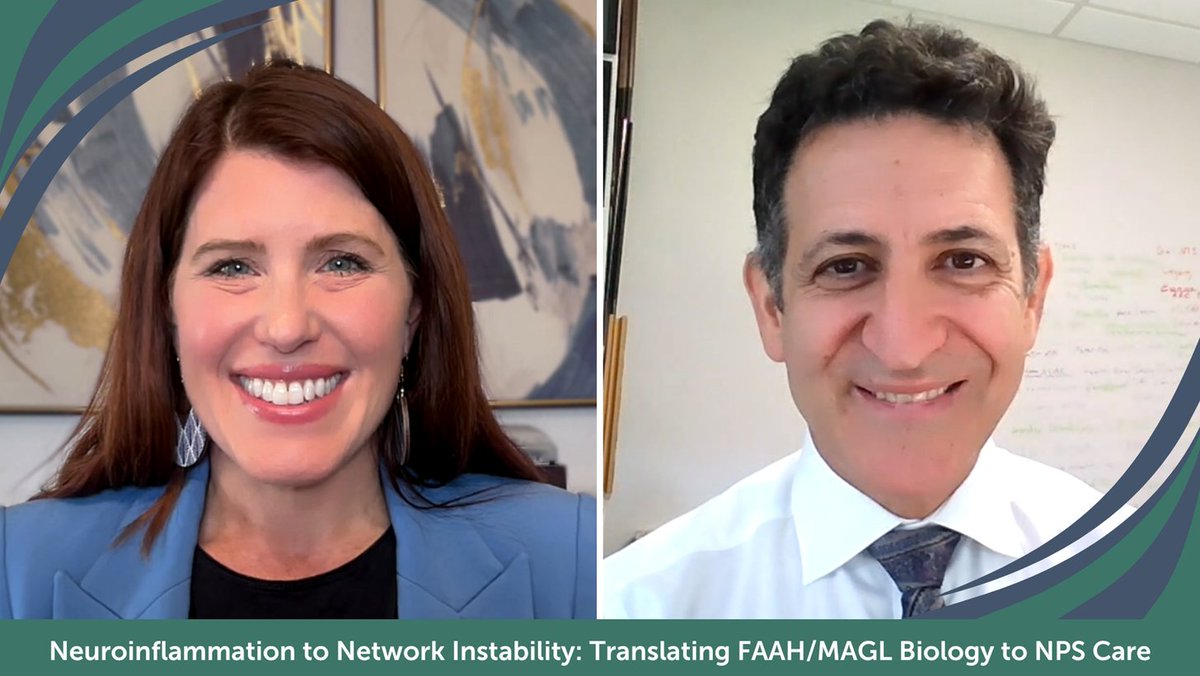
What drives agitation and anxiety in Alzheimer's disease? This program explores how disrupted brain networks, neuroinflammation, and synaptic dysfunction may contribute. Learn more: https://t.co/ESL54rNwJD #Alzheimers#Neuroscience#CME
How do you choose a VMAT2 inhibitor for a patient with tardive dyskinesia? Consider symptom severity, functional impact, current medications, and dosing flexibility when individualizing care. Learn more: https://t.co/BhpueAIoEU #TardiveDyskinesia
IV and subcutaneous anti-amyloid therapies share important safety considerations, including ARIA monitoring. As with IV treatment, careful patient selection, MRI surveillance, and patient education remain essential. Learn more: https://t.co/WtzbyQjcC4
When should patients with generalized myasthenia gravis receive another cycle of FcRn-blocking therapy? Understanding IgG recovery curves and symptom recurrence can help guide re-treatment decisions. Learn more: https://t.co/qMPRqjma3P #MedEd#Neurology#gMG
Learn how tools like the MG-ADL, MG-MMT, QMG, and MG-QoL15r can provide complementary insights into symptom burden, physical function, and quality of life to help guide treatment decisions in generalized myasthenia gravis: https://t.co/SJJzZlyzEO #Neurology
Agitation, anxiety, apathy, and psychosis are common features of Alzheimer's disease. Learn how disease biology and emerging research on the endocannabinoid system are expanding our understanding of these symptoms: https://t.co/wp26qpGxxK
Join Drs. Christyn Edmundson and Gil Wolfe as they discuss strategies to differentiate between the FcRn agents when deciding the best fit for any particular patient. They explore route of delivery, dosing frequency, and adverse reactions: https://t.co/D5kHRDc1R3
Corticosteroids remain a cornerstone in Duchenne muscular dystrophy (DMD) management, but evolving therapies demand a more nuanced approach. Explore how to proactively monitor and manage corticosteroid-associated side effects: https://t.co/Wd3drBwtj7 #Neurology
Emerging therapies for agitation in Alzheimer's disease are exploring pathways beyond traditional antipsychotics. Discover how ongoing research aims to address the underlying neurobiology of behavioral symptoms: https://t.co/1WnuMozmOu #Alzheimers
Diagnosing generalized myasthenia gravis goes beyond recognizing symptoms. Antibody profiling, age of onset, disease severity, and comorbidities all contribute to patient stratification and individualized management. Learn more: https://t.co/XAq9u7Q0jP
Stroke prevention has long involved balancing thrombotic risk against bleeding. Could factor XIa inhibition help separate these two challenges? Explore the science, clinical rationale, and evolving evidence: https://t.co/31tW0a2U9z #Stroke#Neurology#MedEd
Tardive dyskinesia management requires more than symptom control. Recent real-world data highlight the importance of treatment persistence, with differences observed in discontinuation and switching among VMAT2 inhibitors. Learn more: https://t.co/PvXYqZZebh #TardiveDyskinesia
Are all neuropsychiatric symptoms in Alzheimer's disease driven by the same brain regions?
This activity explores emerging evidence linking specific neuroanatomical changes to agitation, psychosis, hallucinations, and delusions: https://t.co/ER0vd6KaAf #Neurology
Could fluctuating ptosis or diplopia be an early sign of generalized myasthenia gravis? Early recognition may help reduce delays in diagnosis and treatment. Learn more:https://t.co/HqZKb5tivq #gMG#Neurology#MyastheniaGravis
Could a child presenting with unilateral ptosis be showing an early sign of generalized myasthenia gravis (gMG)? Explore key diagnostic clues that can help clinicians recognize gMG earlier and navigate diagnostic complexity across age groups: https://t.co/ZtWQIJ9E7y #Neurology