🇪🇹 BREAKING! War erupts again in Ethiopia as Tigrayan forces seize three airports
Ethiopia is sliding back into major conflict just four years after the peace agreement that ended the devastating Tigray war.
Tigrayan forces have seized the airports at Mekelle, Axum and Shire and launched offensives against federal forces, with fighting spreading into neighboring Afar and Amhara.
A senior TPLF official says they are now in a state of “full-blown war” with the Ethiopian government.
The escalation follows the effective collapse of the 2022 Pretoria peace agreement, with both sides accusing each other of repeatedly violating its terms.
The previous war from 2020–2022 killed an estimated 600,000 people, according to the African Union mediator.
Ethiopia may now be heading straight back into it.
🚨 BREAKING:
Norway calls for Israel to be completely isolated globally, demanding that it be punished for its role in spreading unrest and chaos worldwide.
🚨 NOW: President Trump is now in the air aboard Air Force One en route to Israel and Egypt
It’ll take 10-12 hours for Trump to arrive in the Middle East
Pray for our President’s safety while he’s abroad 🙏🏻
⛔️According to a Reuters investigation found that Ethiopia is hosting a secret camp used to train thousands of Rapid Support Forces terrorists.
⛔️According to sources cited by Reuters, the UAE financed the camp and supplied military trainers and logistical support.
⛔️Colombian mercenaries are training RSF terrorists there too — particularly in drone operations‼️
🇮🇷🇸🇦|Araghchi Met Bin Farhan. The Saudi Foreign Minister Did Not Come to Negotiate. He Came to Beg.
Why Is This Meeting Happening Now?
Not because Saudi Arabia wants peace. Not because Saudi Arabia respects Iran. Not because the "diplomatic consultations" in New York are productive.
Because Saudi Arabia is losing.
What Saudi Arabia Has Lost
◾Its oil infrastructure. Yanbu was hit. Ras Tanura was targeted. The East-West pipeline was shut down. Aramco facilities in Jizan and Najran were struck. The Kingdom's ability to export oil, its only source of wealth is under direct threat.
◾Its air defense. Riyadh was hit by drones without warning. The Patriot batteries stayed silent. The THAAD stayed idle. The E-3 AWACS is somewhere else. The most expensive air defense system in the world cannot stop Yemeni missiles.
◾Its military credibility. The army that spent $1 trillion is a "junk army" according to its own defense minister. Its mercenaries surrender. Its commanders flee. Its "ghost soldiers" exist only on payroll. Its Sudanese mercenaries are killed in their camps.
◾Its allies. The US refused to bomb Yemen for it. The UAE withdrew. Egypt sent words, not troops. Turkiye and Pakistan signed a defense pact but will not fight. France is sending "military assets" to protect oil, not to fight.
◾Its prestige. The "Vision 2030" is on hold. Foreign investment is frozen. Schools are closed. Airports are disrupted. Citizens are panicking. The crown prince's promises are exposed as empty.
What Saudi Arabia Is Asking For
The meeting in New York is not about "bilateral relations." It is about:
◾A ceasefire in Yemen. Saudi Arabia cannot win. It cannot sustain the war. It needs to stop the bleeding.
◾An end to the attacks on its oil. The Yemeni strikes on Yanbu, Ras Tanura, Jizan, and Riyadh are devastating. Saudi Arabia needs them to stop.
◾ A face-saving exit. The crown prince cannot admit defeat. He needs a deal that looks like "diplomacy" rather than surrender.
◾Iran's help. Iran is the only country that can pressure Yemen to stop. Saudi Arabia knows this. So it is asking Iran to use its influence to stop the attacks.
But what is Saudi Arabia offering in return?
◾ Not an end to the blockade on Yemen. It has not offered that.
◾Not an end to its alliance with the US. It has not offered that.
◾ Not an end to its support for anti-Iran forces in Iraq, Lebanon, and Syria. It has not offered that.
◾Not an end to its normalization with Israel. It has not offered that.
Saudi Arabia wants Iran to stop its allies from fighting while Saudi Arabia continues to do everything Iran opposes. That is not a negotiation. That is a demand for surrender.
What Iran Is Saying
Araghchi is not begging. He is not asking for a deal. He is listening. He is testing. He is watching Saudi Arabia squirm.
Iran's position is clear:
◽End the war on Yemen.
◽ Lift the blockade.
◽Stop serving the US.
◽ Stop supporting Israel.
◽Stop supporting anti-Iran forces.
Until then, the attacks will continue. Until then, the oil will not flow. Until then, the air defense will keep failing. Until then, the crown prince will keep panicking.
-
The Deeper Truth
Saudi Arabia is a US protectorate that pretends to be independent. It has US troops on its soil. It has US weapons in its arsenals. It has US advisers in its ministries. It has US intelligence in its command centers.
The US told Saudi Arabia to fight Yemen. Saudi Arabia complied. The US told Saudi Arabia to isolate Iran. Saudi Arabia complied. The US told Saudi Arabia to normalize with Israel. Saudi Arabia was about to comply.
And now the US has abandoned Saudi Arabia. It refused to bomb Yemen. It refused to defend Riyadh. It refused to save the oil. It told Saudi Arabia: "This is Europe's fight, not ours."
So Saudi Arabia is alone. It is losing. It is desperate. And it is meeting Iran not as an equal, but as a defeated party.
The crown prince can call it "diplomacy." He can call it "dialogue." He can call it "regional cooperation." But it is not. It is defeat. And the whole world knows it.
[Yak-141] Le 26/09/1991. Premier atterrissage sur le pont d'un avion VTOL ; le Yak-141.
Porte-avions Amiral Gorshkov.
2 moteurs de sustentation RD-41
un moteur de sustentation/croisière R-79 (R-79V-300)
(c) Airwar
عاجل صور توضح قوة الضربه اليمنيه الموجه إلى منشأت البترول وصناعات الكمياويه في عمق السعودي بصواريخ عاليه الدقه تصيب أهدافها وتشعل الحرائق فيها. ويتوقع خلال الساعات القادمه هنك موجة ضربات كبيره بكل الأراضي السعوديه
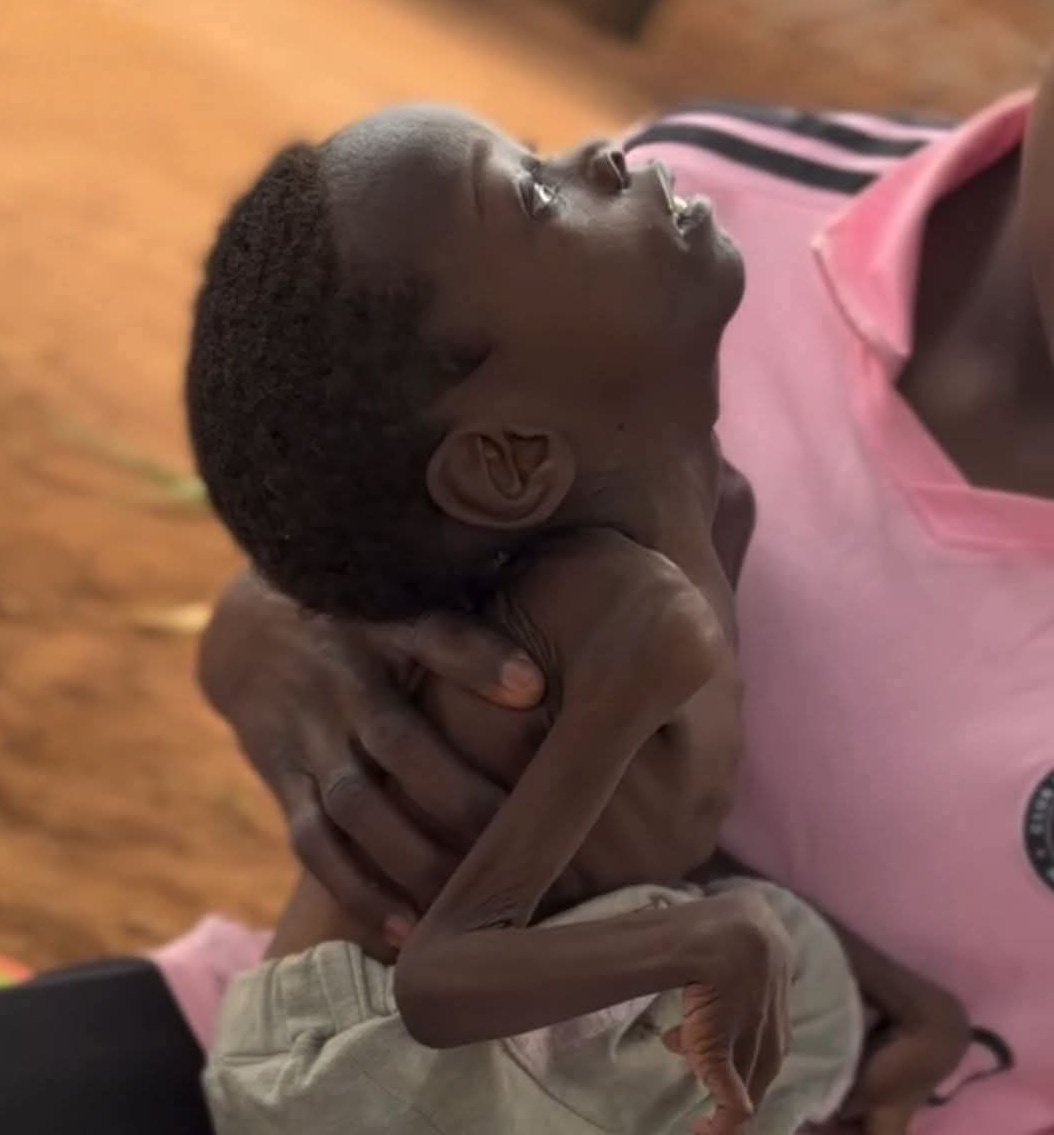
طفلٌ بالكاد بقي على قيد الحياة، يُنتشل من تحت الأنقاض بعد أن حوّلت الغارات منزله إلى ركام .
أيُّ إنسان يمكنه أن يرى هذا المشهد ثم يمضي وكأن شيئًا لم يحدث .
هذا ليس مشهدًا يُشاهَد … هذا وجعٌ يُسقط القلب من مكانه .
لا والله … لن ننسى، ولن نسامح .
BREAKING:
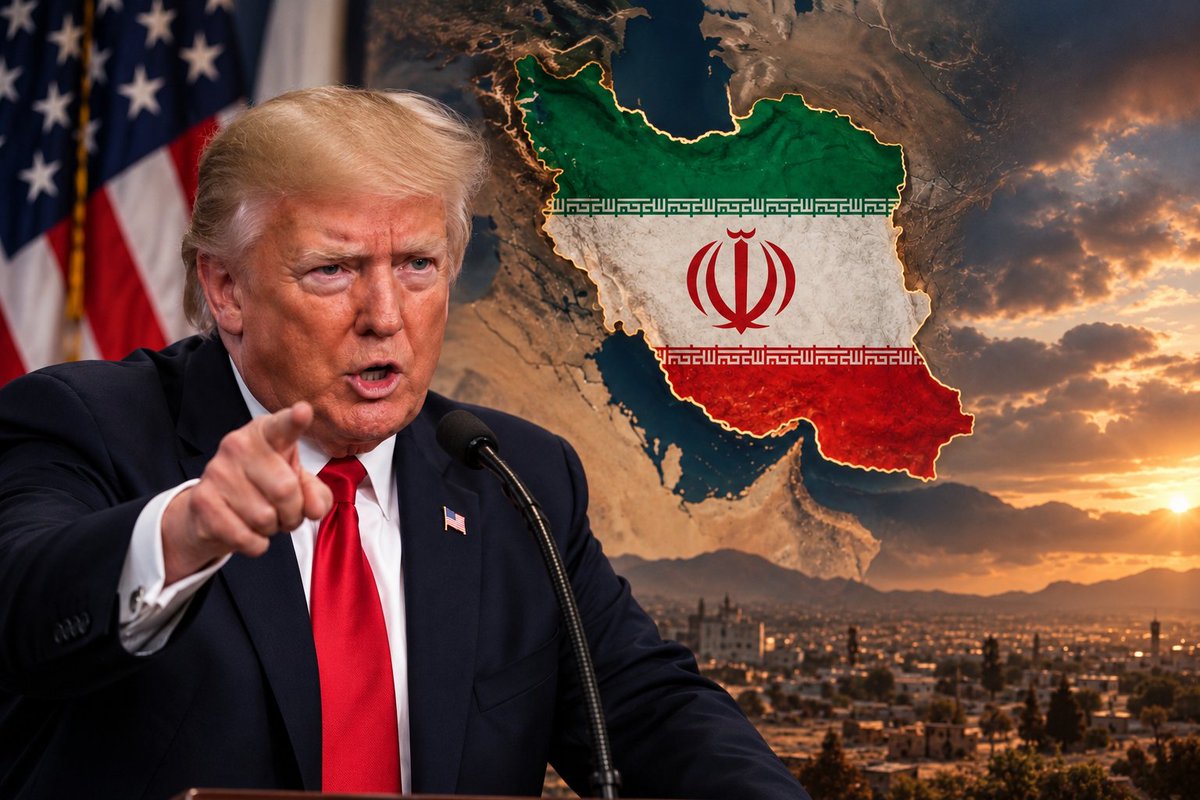
US president Trump has rejected Iran's proposed seven-day ceasefire and privately told aides he expects to resume bombing Iran after the November midterm elections, according to the WSJ.
US has told Iran and mediators that Trump does not plan to end the blockade, believing continued economic pressure could force Tehran to accept Washington’s demands.
Meanwhile, the US navy has moved some of its warships farther away from Iran and into the Arabian Sea, keeping them out of range of Iranian missiles.
The scale of any future strikes remains unclear, and officials say Trump's position could change in the coming weeks.
🇮🇶🇸🇾|After the Strait of Hormuz was blockaded, Iraq opened an overland oil route via Syria while simultaneously closing its airspace to Iranian aircraft.
🛢️The closure of the Strait of Hormuz severed the route for approximately 90% of Iraq's oil exports. For a country where 95% of fiscal revenue depends on oil, this posed an existential threat. Consequently, Iraq rapidly reactivated overland routes that had been dormant for over a decade.
◾Routes and Capacity: The primary routes run through the Al-Waleed/al-Tanf crossing in western Iraq and the Rabia/al-Yarubiyah crossing in the north. Currently, 500 to 700 tankers travel daily via Syria's al-Tanf crossing to the Mediterranean port of Baniyas. At peak times, this figure has reached as high as 1,300 tankers.
◾Two-Way Energy Corridor: This route serves not only as a lifeline for Iraqi exports but has also evolved into a two-way corridor. Qatar's UCC Holding has signed an agreement to ship gasoline back to Iraq via the port of Baniyas, and the first convoy of 77 tankers has already departed.
◾Long-Term Strategy: Iraq is also negotiating with Syria to construct a crude oil pipeline with a daily capacity of 2 million barrels, aiming to completely eliminate its reliance on the Strait of Hormuz.
✈️ The Logic Behind Closing Airspace to Iran
In stark contrast to the overland breakthrough, Iraq has strictly adhered to U.S. directives in the aviation sector by closing its airspace to Iranian aircraft.
◾Total Flight Suspension: Effective September 23, 2026, Iraq's four major airports, Baghdad, Najaf, Erbil, and Sulaymaniyah, have completely suspended all flights to and from Iran.
◾Context of Implementation: This move was made to comply with a threat of sanctions from the U.S. Treasury Department, taking effect on September 23, stating that any entity providing services to Iranian aircraft would be cut off from access to the U.S. dollar system.
◾Key Details: Najaf Airport is the primary destination for Iranian flights in Iraq and a central hub for Shiite pilgrims. The decision to halt flights there was issued via a direct "official directive."
⚖️ The Arithmetic of Survival for an Occupied Nation
This bifurcated stance, simultaneously attempting to break free while submitting to authority, stems from the fact that Iraq lacks full sovereignty.
Dual Military and Financial Shackles: U.S. troops remain stationed in Iraq, the country's oil revenues are held at the Federal Reserve Bank of New York, and its banking system is entirely exposed to the U.S. dollar clearing system.
Strategies Under Pressure: Overland routes are a response to physical blockades, while the aviation ban represents a capitulation to the financial noose. Unable to confront the U.S. militarily or financially, Iraq is forced to sustain itself through the most rudimentary means, trucks, when its economic lifeline is threatened with severance.
Iraq's situation illustrates the classic dilemma of an occupied nation: you possess oil but lack access to shipping lanes; you control your airspace but lack sovereignty. The oil tankers on the roads represent a struggle for survival, while the closure of airports to Iranian aircraft is the political price that must be paid for that struggle.



![La_souris_DA's tweet photo. [Yak-141] Le 26/09/1991. Premier atterrissage sur le pont d'un avion VTOL ; le Yak-141.
Porte-avions Amiral Gorshkov.
2 moteurs de sustentation RD-41
un moteur de sustentation/croisière R-79 (R-79V-300)
(c) Airwar https://t.co/F4RkDvW6QK](https://pbs.twimg.com/media/HTHpXmxWEAA1Icx.jpg)