#BookWormSat 📚 #NationalPetDay 🐾
The chilling folklore of Black Shuck, East Anglia’s legendary spectral hound! 🐾👻
Massive black dog with fiery red or green eyes roams Norfolk & Suffolk roads.
Sixteenth-century omen of death.
In 1577 Bungay church, it burst in, killed two, left scorch marks still visible.
🐕 #BlackShuck #EnglishFolklore 🇬🇧
#BookChatWeekly 📖🐈
✨R-The Reverend Abraham Fleming penned in 1577, the description of Black Shuck in his brochure termed, ‘A Straunge and Terrible Wunder.’ (Old English)
#BookWormSat📚 #NationalPetDay😺
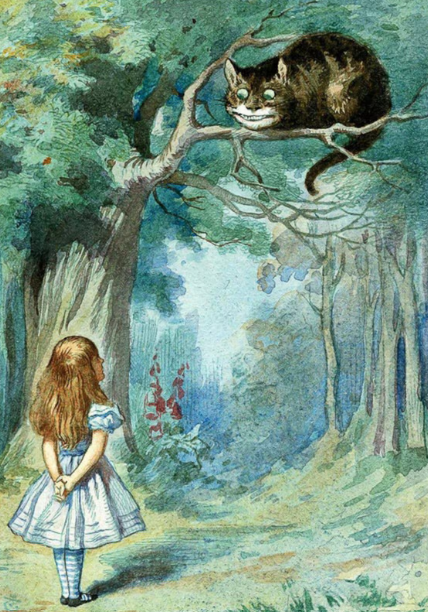
We're all mad here. I'm mad. You're mad."
"How do you know I’m mad?" said Alice.
"You must be," said the Cat, "or you wouldn't have come here."
— Cheshire Cat, Alice’s Adventures in Wonderland by Lewis Carroll (Charles Lutwidge Dodgson).
Children’s fantasy, published 1865 England. Victorian Oxford cornerstone. 📖🐱
#AliceAdventuresinWonderland
#BookChatWeekly 📖🐈 #Caturday
🎨Sir John Tenniel circa 1910.
#BookologyThursday 📚
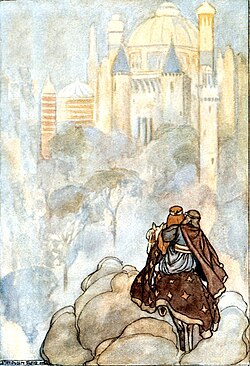
Memorable places in folklore: Tír na nÓg—the Irish Land of Youth, where no one ages and sorrow cannot follow beyond the western sea. 🌿✨
A realm of beauty, music, and endless feasting… yet time waits for no one who leaves it.
“There is a country where all things are fair.”
— W. B. Yeats, The Wanderings of Oisin
#BookChatWeekly 📖🐈 #TirnaNog #IrishFolklore 🍀 #LandofYouth
🎨Oisín and Niamh travelling to Tír na nÓg, illustration by Stephen Reid in T. W. Rolleston's The High Deeds of Finn (1910)
#BookologyThursday 📚🧚♀️🌄
Memorable places in folklore: beneath the hills of Ireland, Scotland, and England lie the fairy mounds—sí and sìthean—hollow places of earth and stone where the Aos Sí dwell, hidden from mortal sight. 🌄🧚♀️
Not portals, but overlapping worlds, where time bends and feasts shimmer just beyond reach.
Sources: Robert Kirk, The Secret Commonwealth; Katherine Briggs, An Encyclopedia of Fairies
🎨 'Silbury Hill, 'by Paul Nash circa 1922.
#Bookologythursday 📚 #Mounds
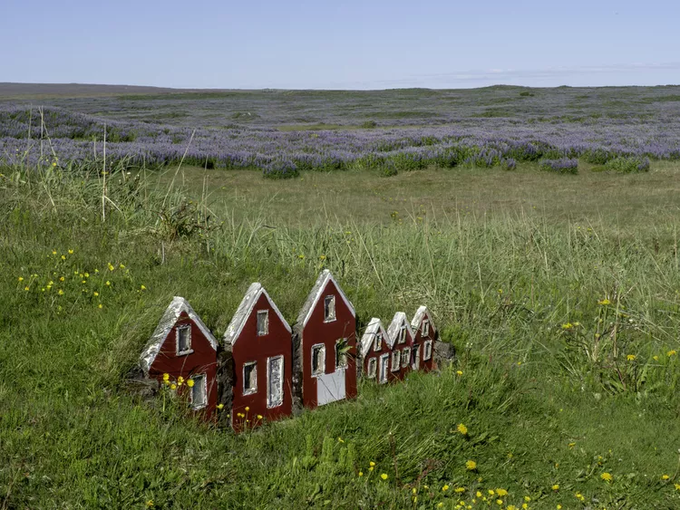
In Icelandic folklore, the Huldufólk (“hidden people”) dwell within ancient mounds and rocky hills, their unseen homes woven into the land itself. ⛰️
These quiet dwellers of stone and earth are said to live in harmony with nature, shaping customs, respect for the land, and enduring lore. 🌄
Below Photo: little houses - called alfhól - are built for the Huldufólk, the hidden elves.
Photographer Matthias Hauser. 📷
The #Huldufólk remain a living legend of Iceland’s heritage. 🇮🇸
#BookChatWeekly 📖🐈 #Huldufólk
#IcelandicFolklore 🇮🇸 #Elves 🧝♂️🧝♀️🧝
#BookologyThursday 📚🚪🍽️
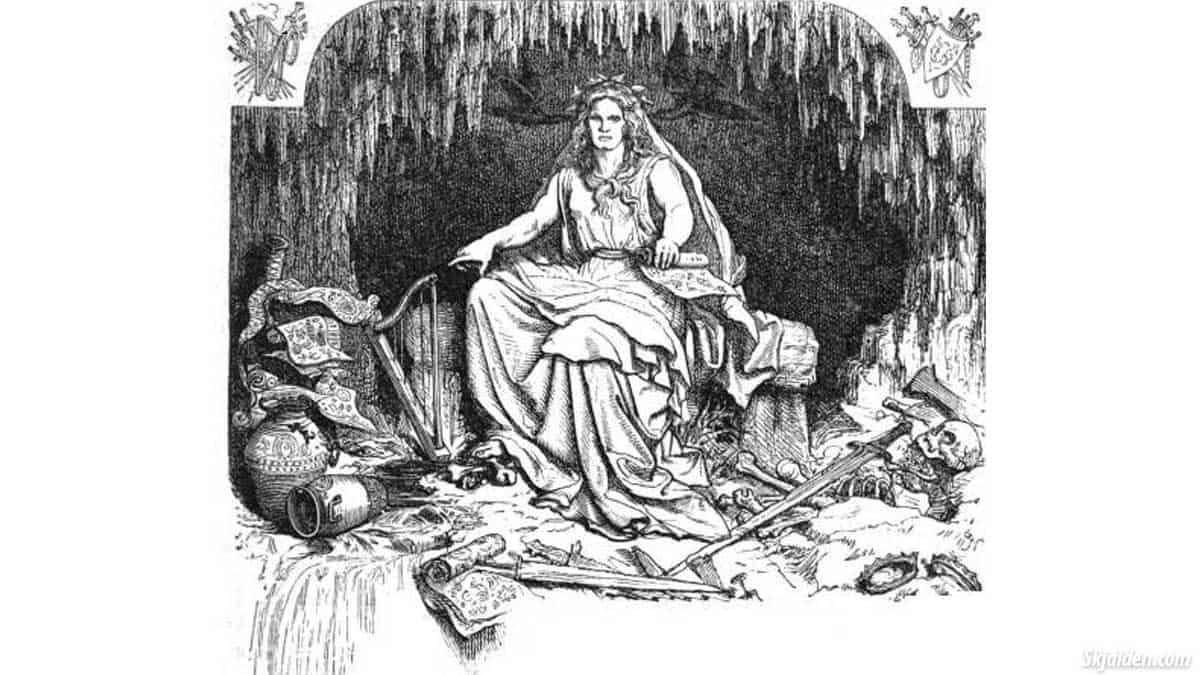
In Norse mythology, Hel’s hall Éljúðnir (“damp with sleet”) in Helheim contains grim symbols: a dish called Hunger, a knife Famine, a bed Sick-bed, curtains Bleak Misfortune, and a threshold Stumbling Block.
Source: Snorri Sturluson, Prose Edda (Gylfaginning).
#BookChatWeekly 📖🐈#NorseMythology #Helheim #Éljúðnir
🎨Carl Emil Doepler (1824–1905).
#BookologyThursday 📚
Deep in Slavic woods lurks Baba Yaga's hut—a living trap on massive chicken legs. It wanders, creaks, turns its door to intruders: welcome or devour. Cozy hearth and deadly snare.
#BookChatWeekly 📖🐈
#SlavicFolklore 🧙♀️ #BabaYaga#Hut 🛖🐔
#WyrdWednesday
Theme: Rhyme & Riddles
In 1937, J.R.R. Tolkien published The Hobbit—full of riddles in the dark!
The Hobbit (Riddles in the Dark):
“What has roots as nobody sees,
Is taller than trees,
Up, up it goes,
And yet never grows?” (Answer: Mountain)
—The Hobbit, Gollum’s riddle
#BookChatWeekly 📖🐈
🎨1942: Children's Book Club edition's— dust jacket
#WyrdWednesday 📖
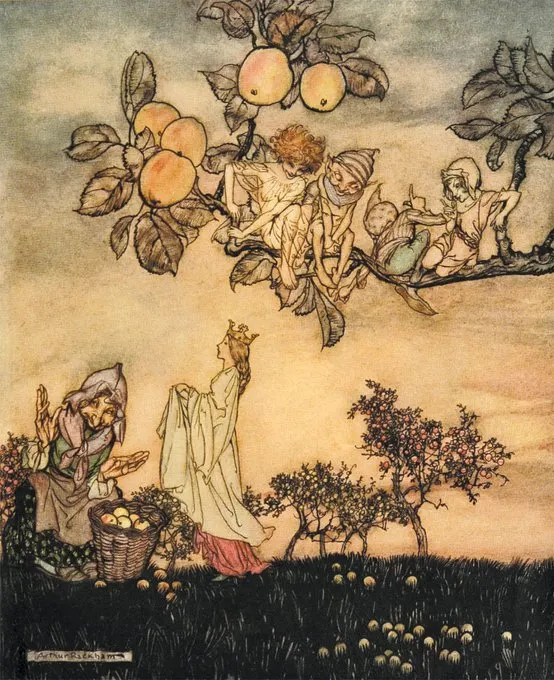
Poetic magic from Christina Rossetti’s Sing-Song (1872):
“Delicate and dainty thing!
For the fairies you were fashioned;
Than a flavour so impassioned
Pine and grape no richer being.”
🎨 "A Dish of Apples" by Arthur Rackham (1921), for Eden Phillpotts' book. 🍏📗
#BookChatWeekly 📖🐈
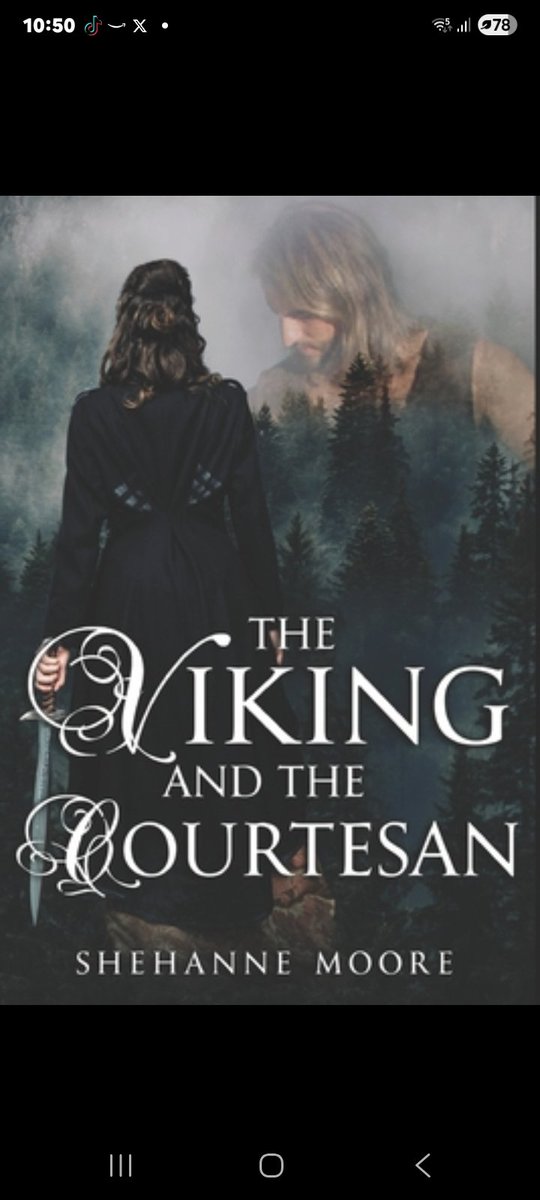
#WednesdayReads#BookReview#writingcommunity@ShehanneMoore#Smexy#Romance
The Viking and the Courtesan by Shehanne Moore is a bold, smexy clash of fierce hearts and dangerous desires, where passion burns as hot as the Viking’s temper ⚔️🔥
A richly layered romance packed with tension, drama, and characters who ignite the page from start to finish.
Shop https://t.co/qKXwaKhvlV
#FairyTaleTuesday🌬️🧙♀️
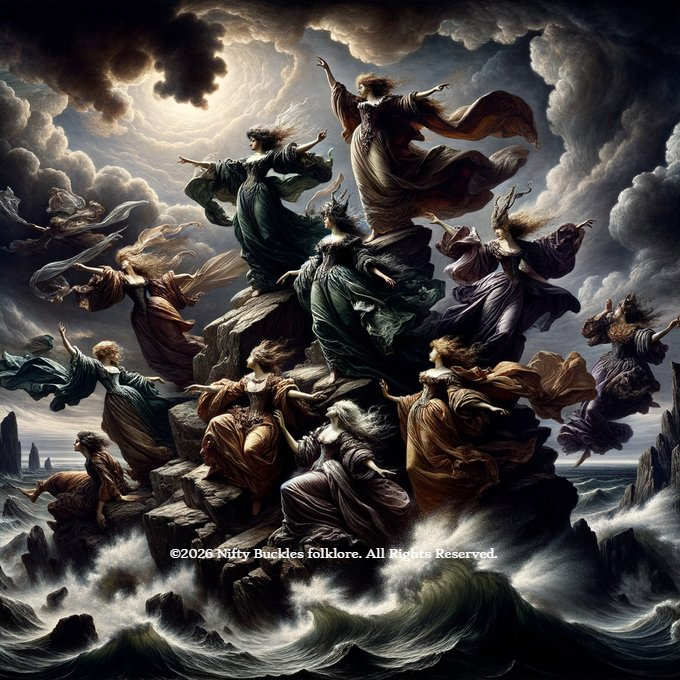
Have you heard the folklore of Jersey’s Storm Witches of Rocqueberg? ⛈️🌬️🧙♀️
These witches harnessed wind and gales at Witch Rock (Rocqueberg), summoning storms to protect their lands and ward off intruders.
They were believed to dwell near Witch Rock in Jersey's Channel Islands, summoning the elements to ward off intruders and maintain the balance of nature.
Their mythical mastery over the air symbolizes the raw, uncontrollable force of nature, inspiring stories of awe and reverence for generations.
Channel Islands legend of nature’s raw power.
#FairyTaleFlash ✨#StormWitches 🌬️🧙♀️
#FairyTaleTuesday 🌬️🐈🐩🌧️
Library of Congress (Everyday Mysteries):
“Odin, the Norse god of storms, was often pictured with dogs and wolves, symbols of wind. Witches rode brooms during storms with black cats as signs of heavy rain.
Thus, ‘raining cats and dogs’ for wind (dogs) + rain (cats).”
✍️(Also cited in History Extra, Old Farmer’s Almanac, and etymology studies.)
#FairyTaleFlash ✨ #Weatherlore #RainingCatsandDogs 🌧️🐈🐩
🎨1820 satirical print "Very Unpleasant Weather, or the Old Saying Verified. Raining Cats, Dogs & Pitchforks!!!" by George Cruikshank.
#FairyTaleTuesday 🐦⬛ #Crows
In Appalachian folklore, low-flying crows signal coming illness.
A crow calling three times over a house foretells death.
🐦⬛Crows singing before other birds means rain.
✨Never kill a crow—bury it wearing black if you do. 🌧️🪶
#FairyTaleFlash ✨#Appalachianfolkore
🎨Vincent van Gogh – Wheatfield with Crows (1890)
#FairyTaleTuesday 🧙♂️🌧️⚡️
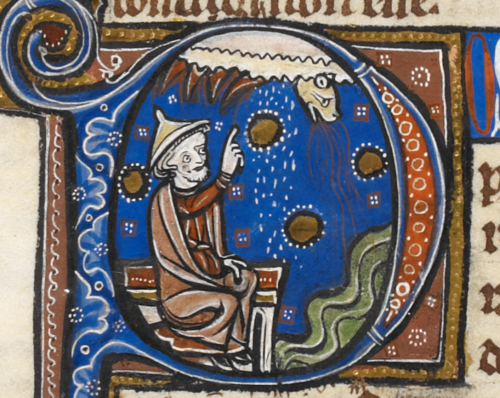
In Carolingian Europe, tempestarii—storm-raising magicians—were blamed for conjuring hail, thunder & lightning with Magonian cloud-sailors who stole crops. “Some say that by their evil deeds, they can stir up the air and send down hail... take away produce and milk...”
— Agobard of Lyon, De Grandine et Tonitruis (815). ⛈️
#FairyTaleFlash✨ #StormMagicians🧙♂️
🎨The image is a historiated initial "P" from a medieval manuscript of Aristotle's Libri Naturales. This manuscript was created in England (potentially Oxford) during the third quarter of the 13th century.
#FairyTaleTuesday 🌩️🪶#StormBirds
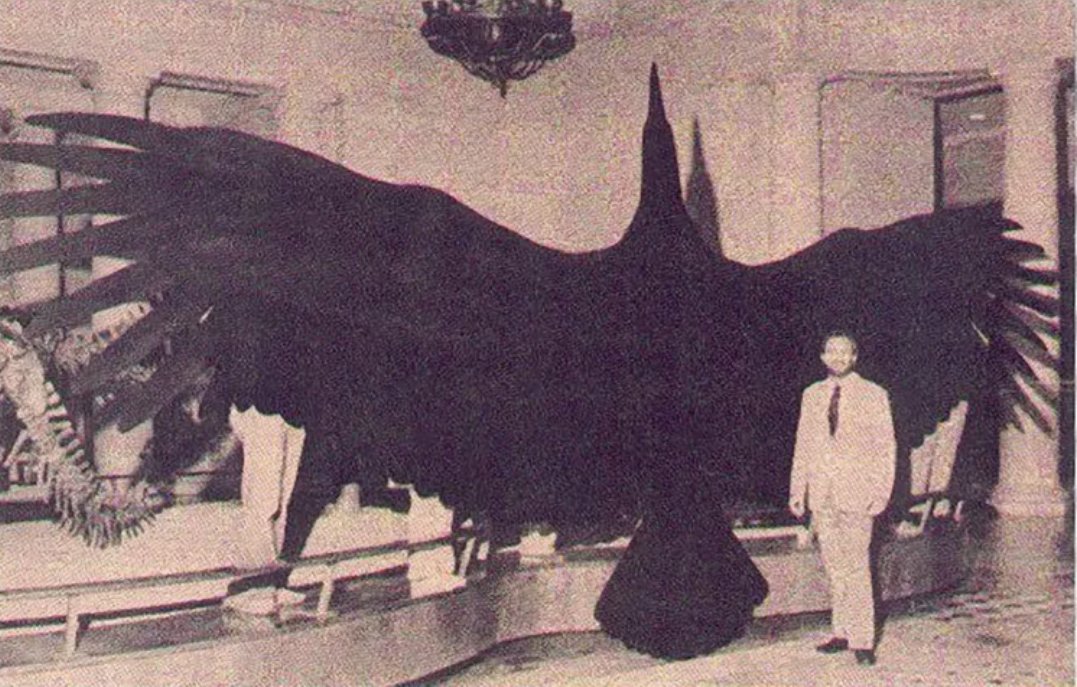
In Native American folklore, the Thunderbird controls rain, thunder & lightning: its wings beat thunder, eyes flash lightning, bringing life-giving storms. 🌩️🪶
#FairyTaleFlash ✨#Thunderbirds 🌩️��
Read more: https://t.co/bmgxV1ToeZ
📸Large model/silhouette of Argentavis magnificens (extinct giant teratorn bird, often mislabeled as Thunderbird) on display at Los Angeles County Museum.
Late 20th-century exhibit photo; man in suit for scale. Getty images.
#MythologyMonday 🐣✨ – BABY ANIMALS!
In Hans Christian Andersen’s beloved tale *The Ugly Duckling* (1843), a mother duck’s eggs hatch into fluffy ducklings… except one—large, gray, and awkward. 🐥
Mocked and chased by the farmyard, the lonely cygnet endures a long, bitter winter, feeling like he doesn’t belong. ❄️💔
But when spring arrives, he sees his reflection… and discovers he’s become a graceful swan. 🦢✨
A gentle reminder: even the “ugliest” baby animal may be a swan in disguise. True belonging blooms with time. 🌸
#BabyAnimals #TheUglyDuckling #FairyTales #BookChatWeekly
🎨 Michael Hague
#MythologyMonday 🐺
🐐 – BABY ANIMALS!
In the Grimm tale The Wolf and the Seven Little Kids, a mother goat leaves her young kids at home with one warning: beware the wolf.
But the cunning wolf disguises himself and tricks his way inside… 🐺
One by one, the little kids are swallowed—except the youngest, who hides and survives. When their mother returns, she outwits the wolf and rescues her children. 🐐✨
A dark but powerful reminder: even the smallest voices must learn caution—and courage can still bring them home. 🌙
#BabyAnimals #BrothersGrimm #FairyTales
#BookChatWeekly 📖🐈 #Wolf #kids