Interdisciplinary research on marine conservation | Coastal livelihoods & artisanal fisheries | PhD student @CE3Cresearch | Also at @gporrinos.bsky.social
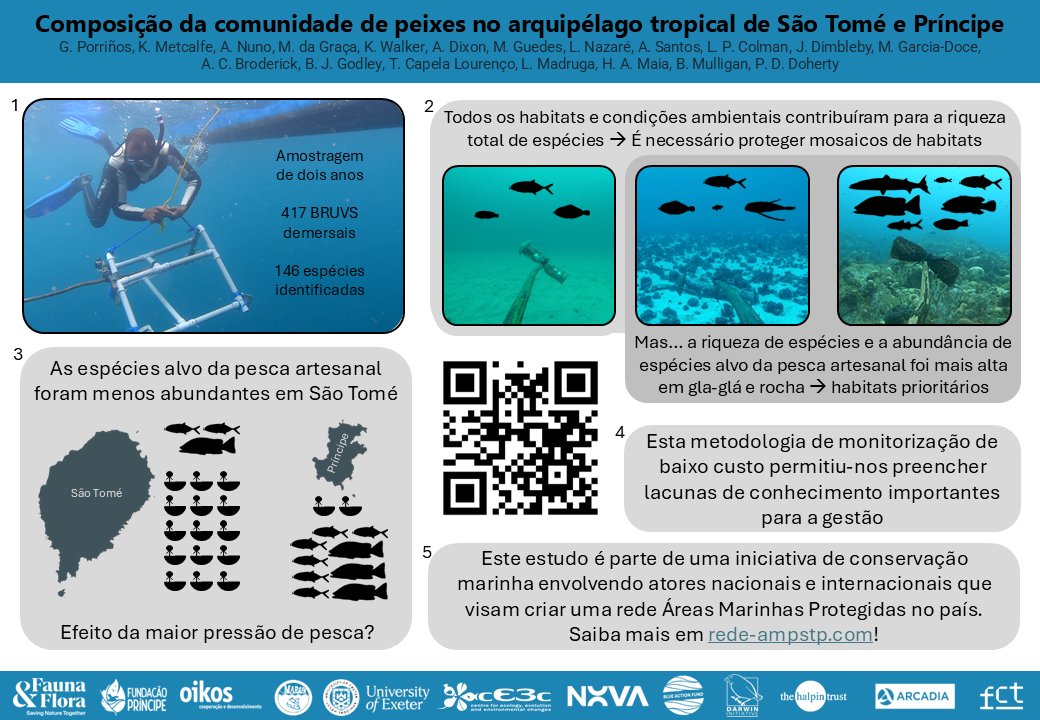
Our #BRUVS study in #SãoTomé and #Príncipe has just been published! This study is the first #BRUVS survey in this data-poor archipelago, with 400+ deployments in two years!
Link to #OA paper ⬇️
https://t.co/DYqhcShTEK
A thread of main findings (with fish videos!) 🐠
(1/9)
📢 Exciting PhD opportunity at the University of Liverpool!
#Predatory fish declines in coral reef ecosystems and their socio-ecological implications, in partnership with Bangor University and CORDIO East Africa.
🗓️ Apply by 8th Jan 2024
🔗 Details here https://t.co/0Ij8OJAiMv
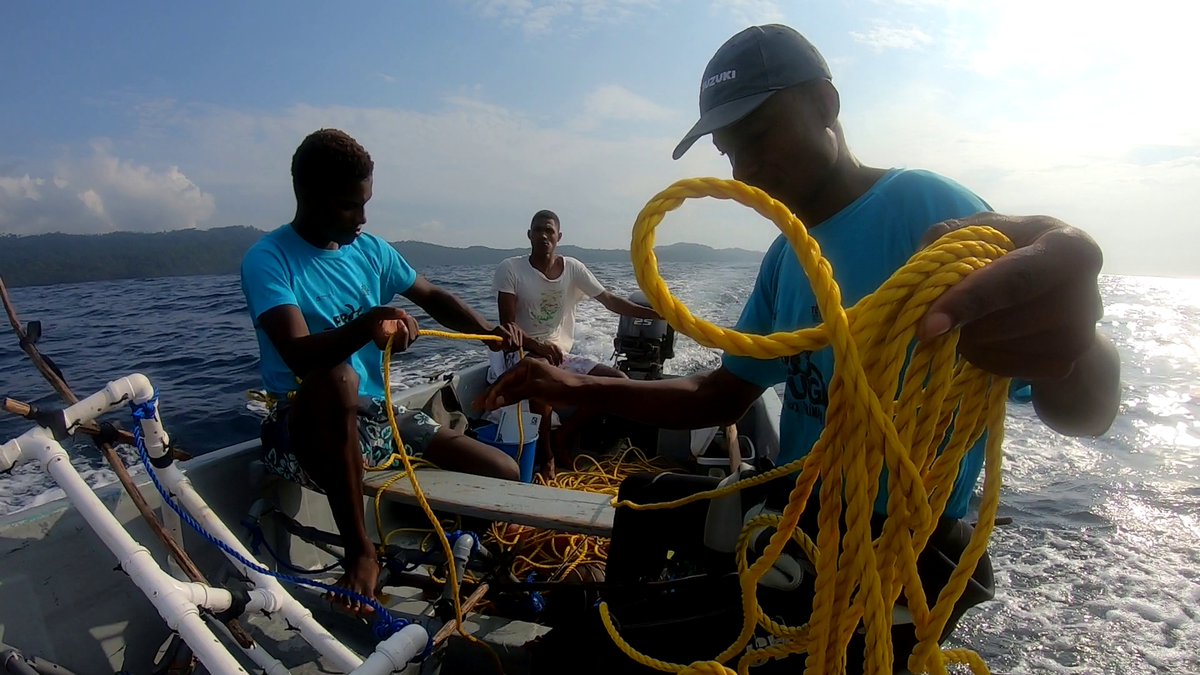
With support from the project #FISH4ACP, the Fisheries Directorate of #SãoTomé and #Príncipe is implementing smartphone questionnaires to collect fisheries data 🐟
Training and testing just finished and data collection will start soon!
Los científicos advierten contra la falsa creencia de que los árboles y otras plantas que crecen en los cauces compliquen la situación en caso de grandes avenidas de agua. “En la dana de Valencia se ha demostrado que los amontonamientos han sido de coches” https://t.co/VtmWjPTPaM
📣 We encourage you to submit abstracts to our session "Marine ecosystems: human impacts, adaptation and mitigation" until December 20th #AEETSIBECOL2025
Un niño de una familia con estrés económico que a los 7 años tiene un rendimiento cognitivo alto, a los 18 ya lo tiene más bajo que un niño de familia más favorecida que partió de un CI medio.
La genética se ve sobrepasada por un ambiente desfavorable.
https://t.co/9OzmKj85ho
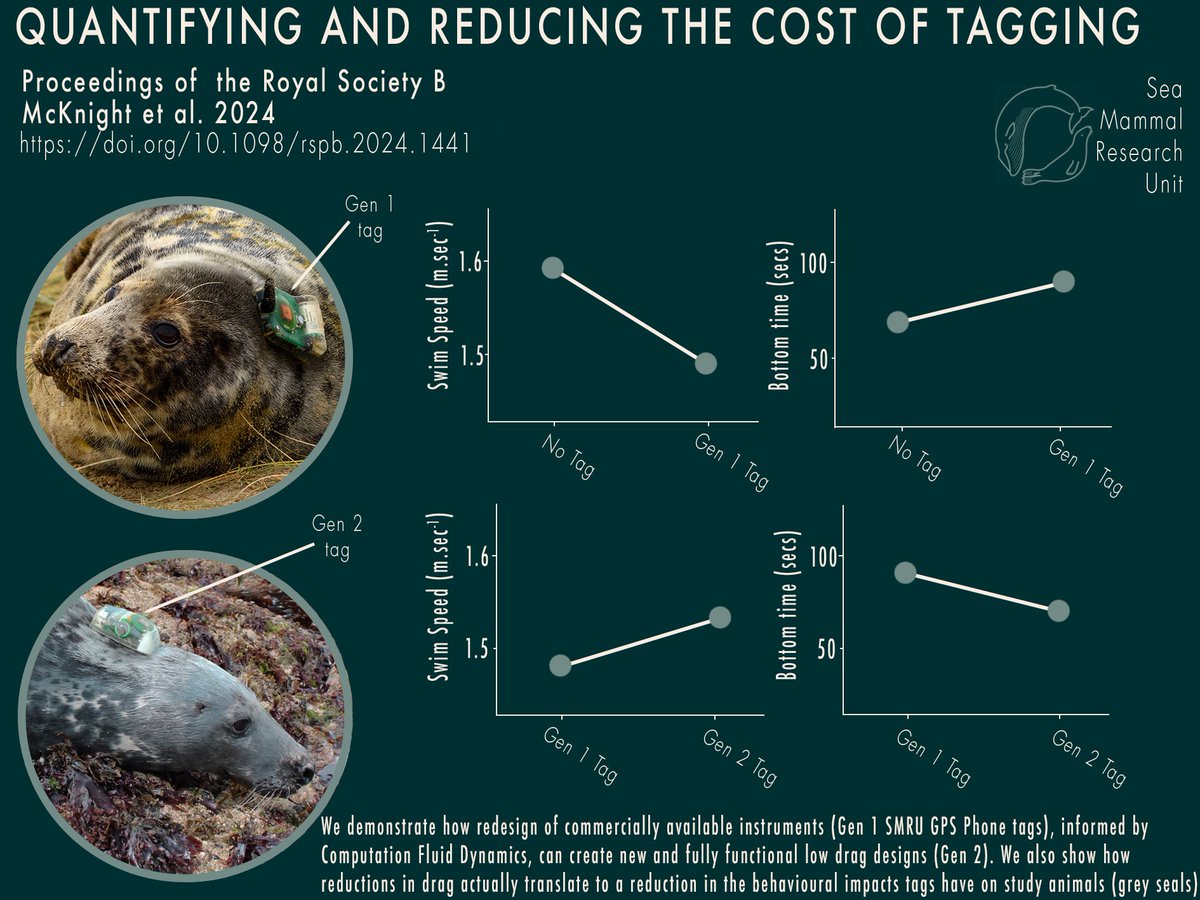
🚨New paper alert!🚨 Groundbreaking study led by SMRU @JChrisMcKnight2 and colleagues from @SMRU_Instrument tests the drag effects of GPS tags on seal behaviour and redesigns them to improve hydrodynamics https://t.co/CGyrW5JfOK…
Por esto no puedes dejar los cauces de los ríos como un lavabo. Porque el agua corre a gran velocidad y ESE es el problema. Que no es igual que te impacte a 30 km/h que a 90 una masa de agua descomunal.
Our #BRUVS study in #SãoTomé and #Príncipe has just been published! This study is the first #BRUVS survey in this data-poor archipelago, with 400+ deployments in two years!
Link to #OA paper ⬇️
https://t.co/DYqhcShTEK
A thread of main findings (with fish videos!) 🐠
(1/9)
Este foi um estudo altamente colaborativo envolvendo parceiros locais e internacionais visando criar uma rede de AMPs no arquipélago. Saiba mais em https://t.co/rrPHNCKplg!
@FundaPrincipe@FaunaFloraInt#MARAPA#Oikos @ExeterMarine financiado por @BlueActionFund @ArcadiaFund
9/9
O nosso estudo com #BRUVS em #SãoTomé e #Príncipe acabou de ser publicado! Este estudo é o primeiro levantamento com BRUVS no arquipélago, com 417 pontos amostrados em dois anos!
Link ao artigo #OA ⬇️
https://t.co/DYqhcSirui
Sumário dos principais achados com vídeos de 🐟!
1/9
Finalmente, encontramos uma abundância extremamente baixa de tubarões tanto em #SãoTomé como no #Príncipe (0,05 tubarões por hora), muito menor do que outras ilhas oceânicas do Atlântico!
(8/9)
This was a collaborative study involving local and international partners aiming to establish a network of MPAs in the archipelago. Know more in https://t.co/rrPHNCKplg!
@FundaPrincipe@FaunaFloraInt MARAPA Oikos @ExeterMarine funded by @BlueActionFund, @ArcadiaFund@UKBCFs
(9/9)
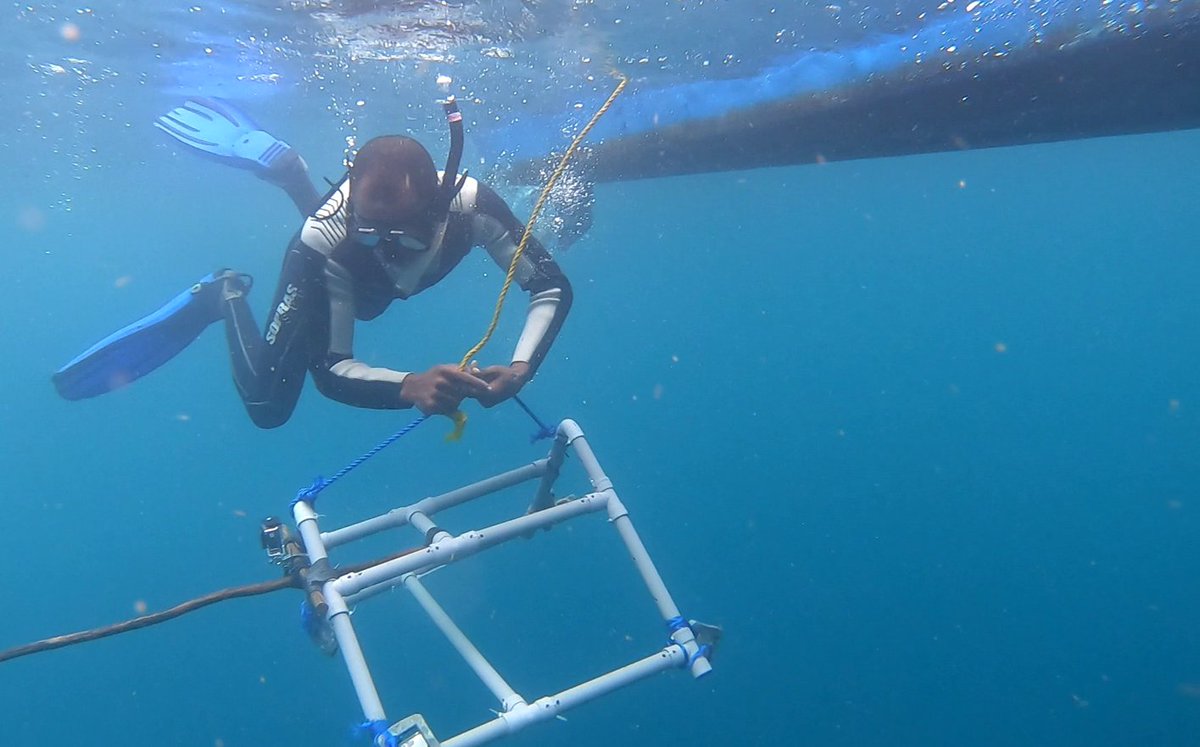
To fill the lack of ecological data in the archipelago, we deployed 400+ benthic #BRUVS, aiming to:
1) Characterise fish species composition in #SãoTomé and #Príncipe
2) Understand the effect of environmental variables relevant for marine planning on fish communities.
(4/9)
Finally, we found an extremely low abundance of #sharks in both #SãoTomé and #Príncipe (0.05 sharks per hour), much lower than other Atlantic oceanic islands!
(8/9)