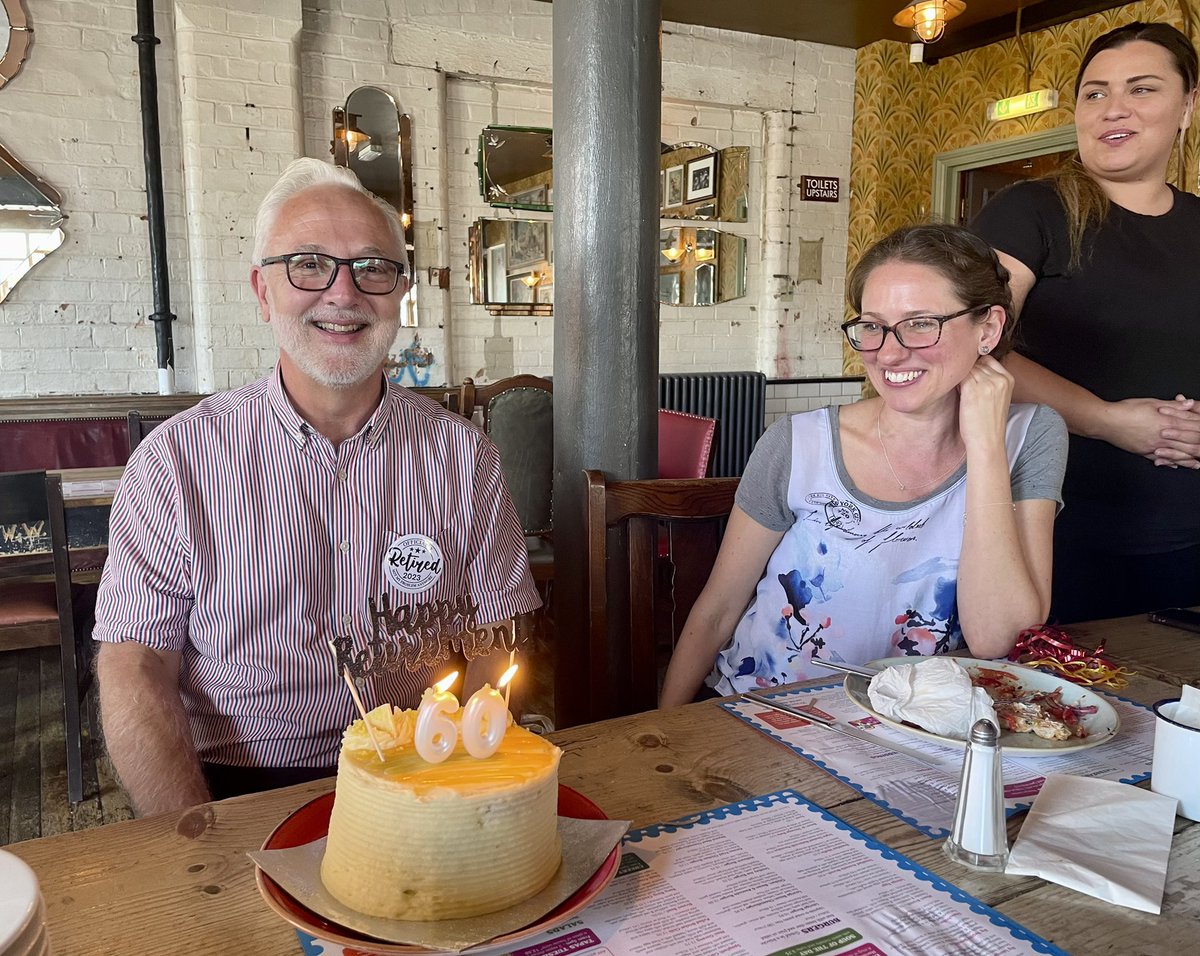
Happy retirement to Andrew Seaton, Director of Quality Improvement and Safety Director. He leaves an enormous legacy, including the amazing @GSQIA which has supported many thousands of colleagues to develop the skills and knowledge of improvement science. #ThankYou@seaty63
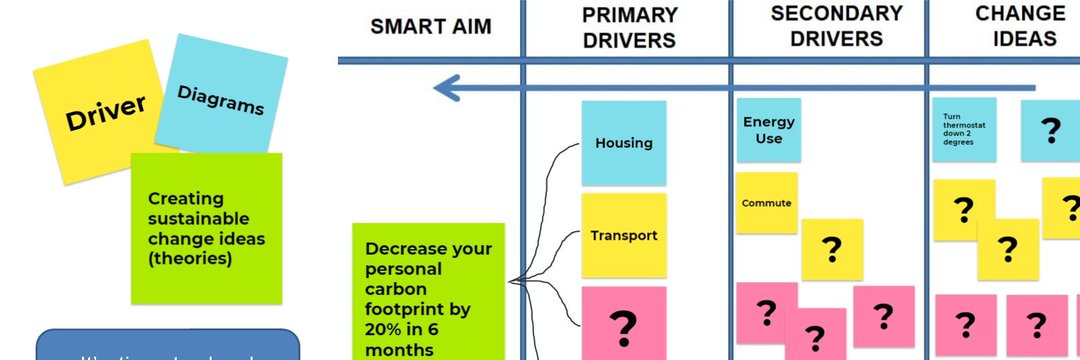
So I’m passing on the responsibility for GSQIA as I retire and look for new adventures, it’s in good hands with Victoria Collins @QI_AEPurcell@RachelPoulter5 who will take it onto new heights, you can guess what my leaving gift was 😂
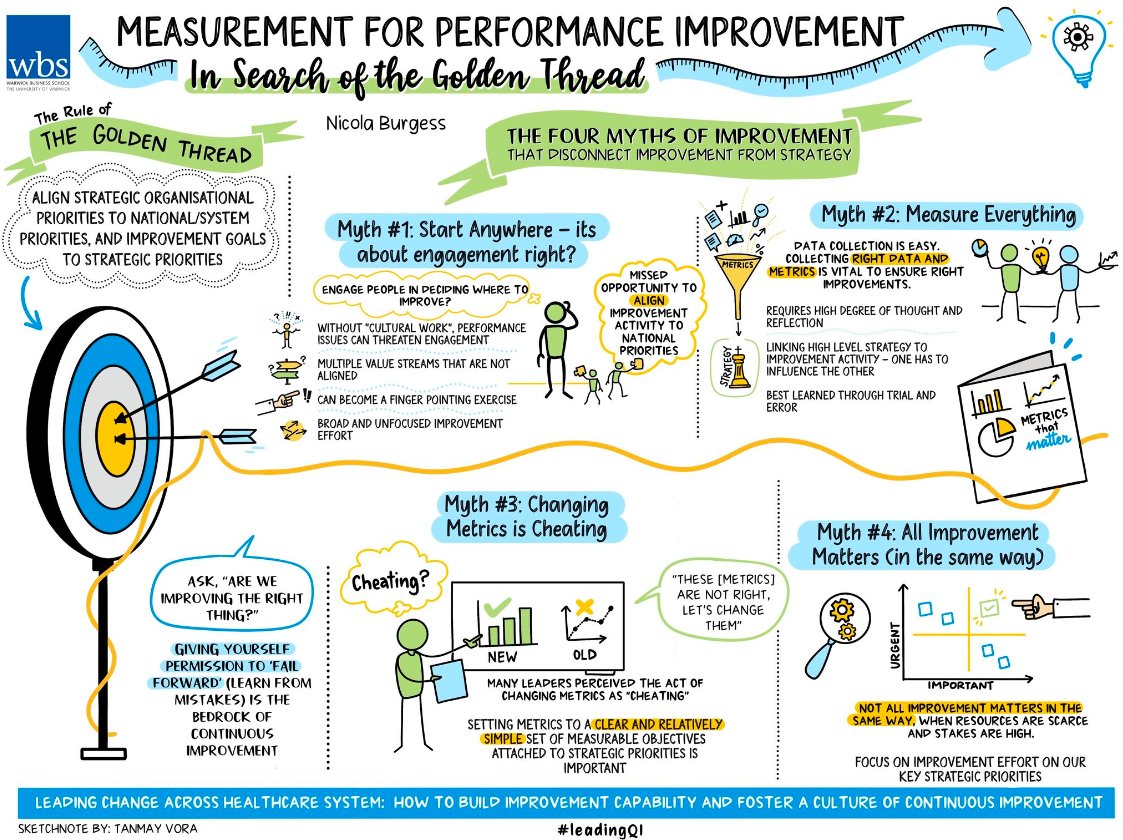
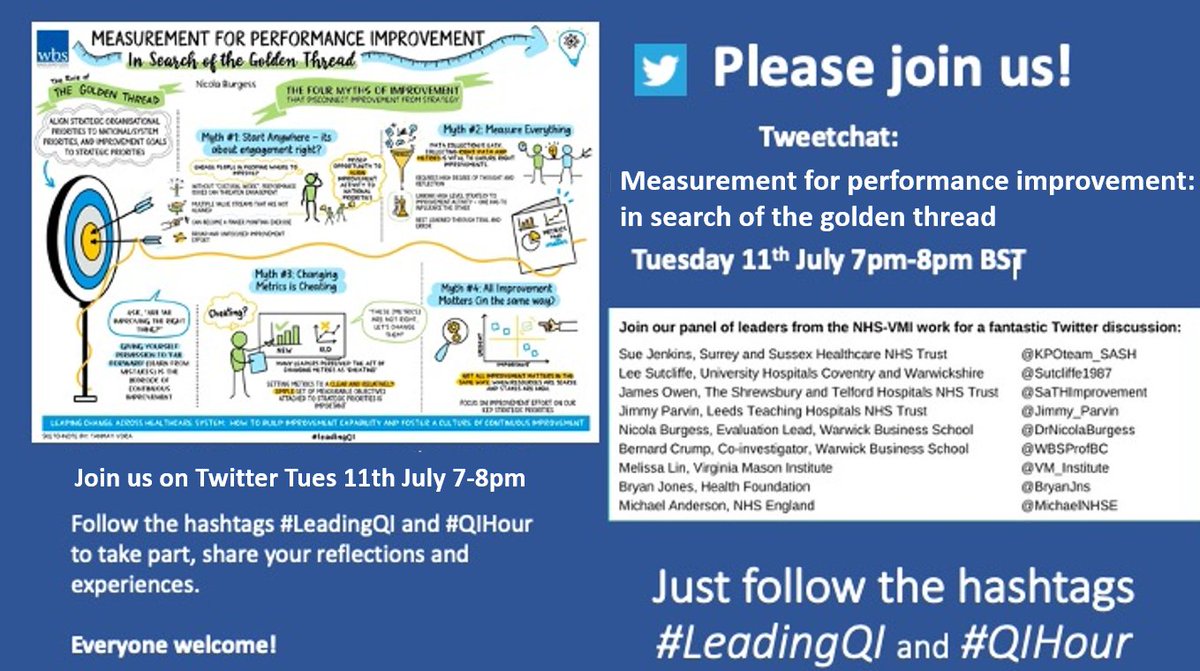
Participated in the 6th and final Tweetchat, which focused on The Rule of the Golden Thread, Measurement for Performance Improvement
You can search #LeadingQI for the session!
Older session summaries can be found here: https://t.co/UnmKYy41Xf
#performanceimprovement#tweetchat
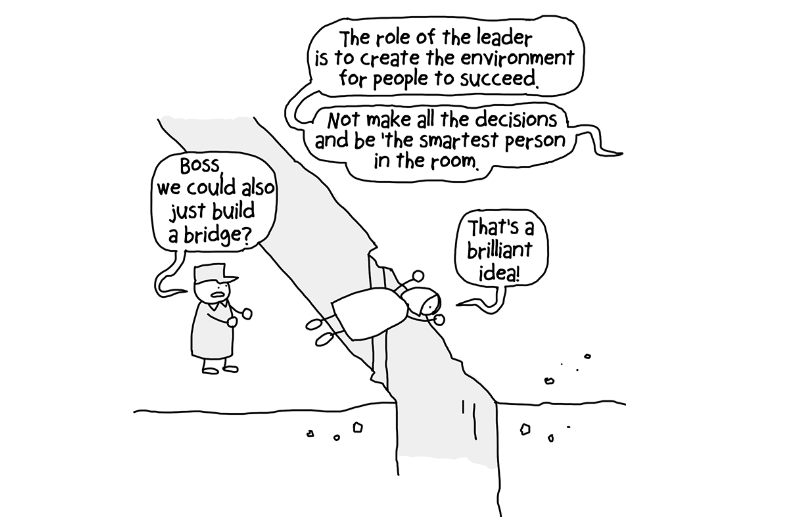
As a leader it is our responsibility to ensure we provide opportunities for the quiet to provide their input. How can you provide space for all to contribute in your next meeting? #meetingleadership
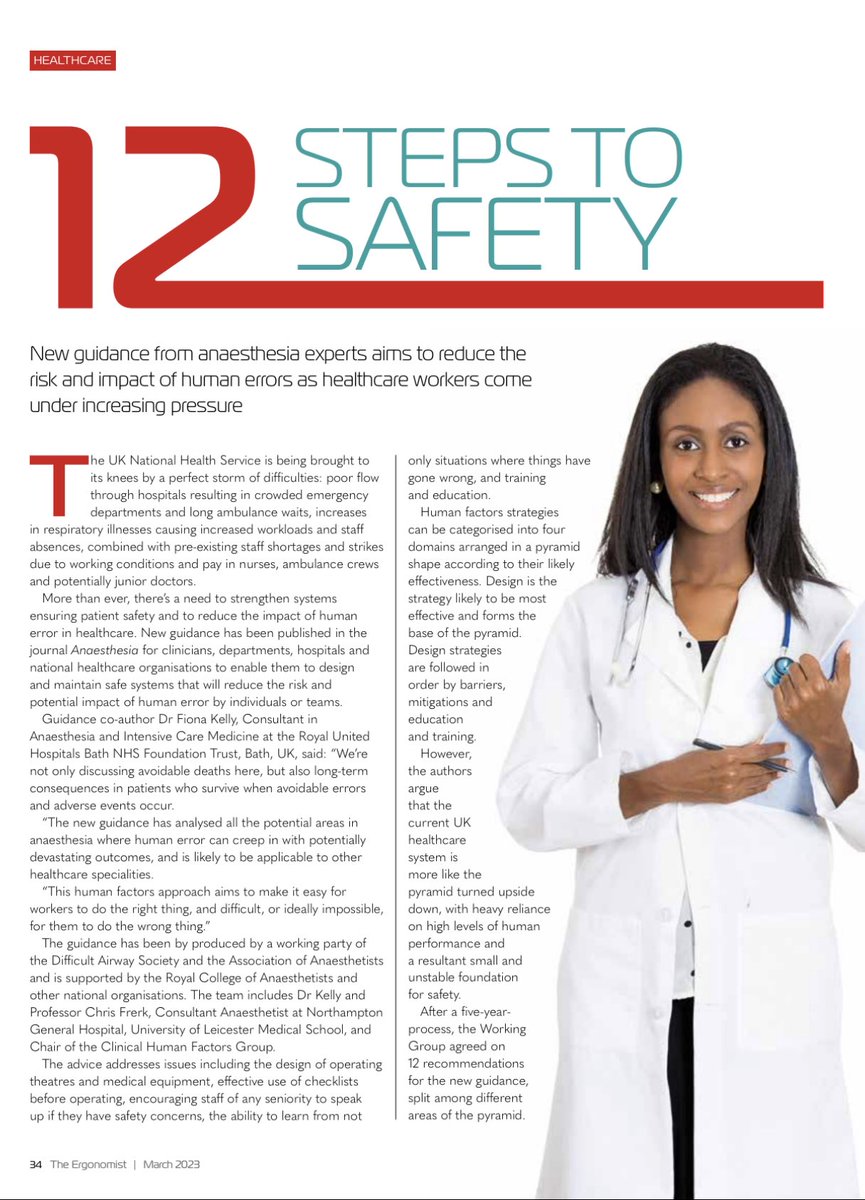
12 STEPS TO SAFETY
The Ergonomist, Mar 2023
New guidance from anaesthesia experts aims to reduce the risk and impact of human errors as healthcare workers come under increasing pressure. Adopting a human factors approach has been on the national agenda for more than 10 years.
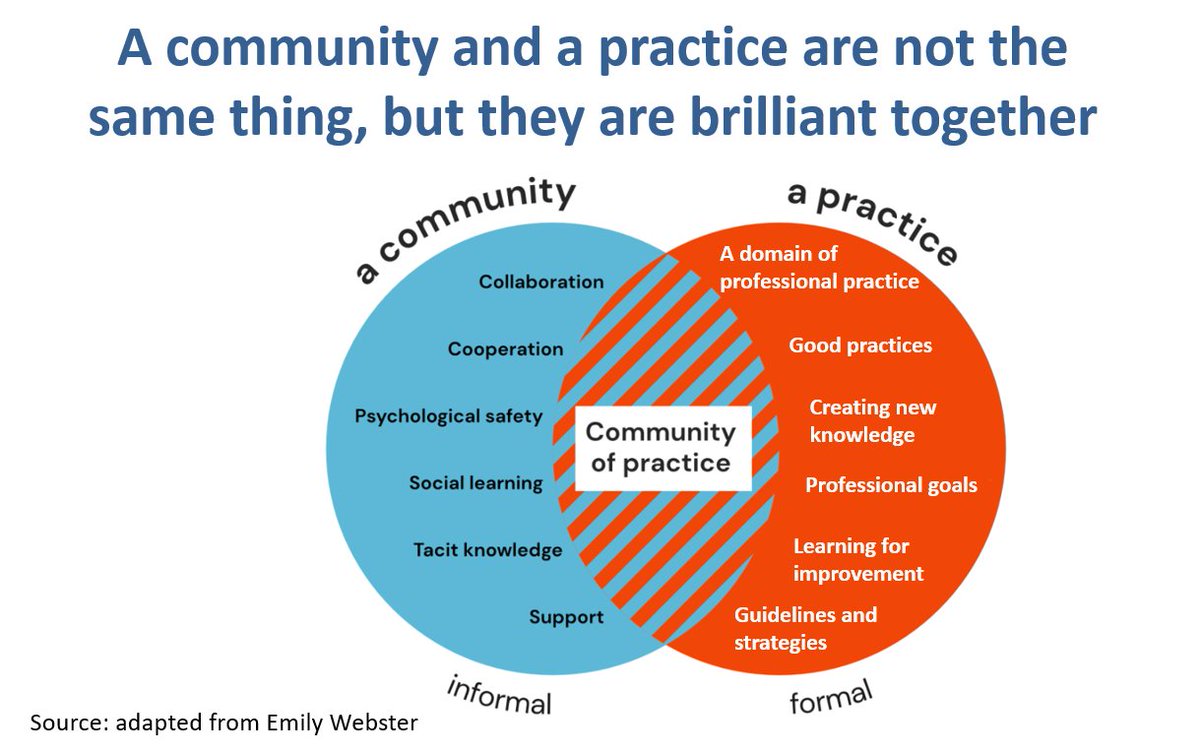
It's often lonely being a change agent. Communities of practice (CoPs) can give us a sense of belonging, support & courage. We don't need permission or formal power to create a CoP; just to connect with people who share our passion. Here's a straightforward guide to CoPs: https://t.co/wg54i4d8NH Via @Management30@FerraroRoberto
The final tweetchat in our 'Six lessons for leading improvement' campaign is happening tomorrow night Tues 11th July 7-8pm (BST). The topic is "measurement for performance improvement". Please help us to make it the best one yet! Everyone is welcome, even if it's your first ever tweetchat. Just follow hashtags #LeadingQI #QIHour at 7pm tomorrow. Inspired by the latest blog from @DrNicolaBurgess@WarwickBSchool https://t.co/xb49iuJsz4
What you can achieve when you give competent people autonomy rather than try to impose unnecessary hierarchy on them. Learning from the way that Formula One transformed itself & its performance: a graphic story from @voinonen. It's brilliant & very funny: https://t.co/GlF2LJPWQn
#High5Friday#QITwitter
🪻@gsqia Human Factors course
🌻Fantastic single handed care meeting @ljmlangford - ex by ex have the very best inputs
🌷Videos of Celebration event on QI Intranet page
🌺Great session with SLT team @Alex_Harper19
💐Digging into data around MH LengthofStay
If you are building an improvement system or work in one already have a good look at this, the blogs and the evaluation report #learning#QITwitter#QIHour
Over the past nine months, @DrNicolaBurgess has created seven brilliant blogs on learning about leadership for improvement from the evaluation of the NHS-Virginia Mason Improvement Programme. I've collated them as a series of seven consecutive posts on my LinkedIn account. You can find them here: https://t.co/SXUvmv9LN3 The graphics are by @tnvora. Thanks to @MrSteveLeach for putting all seven graphics on a single page.
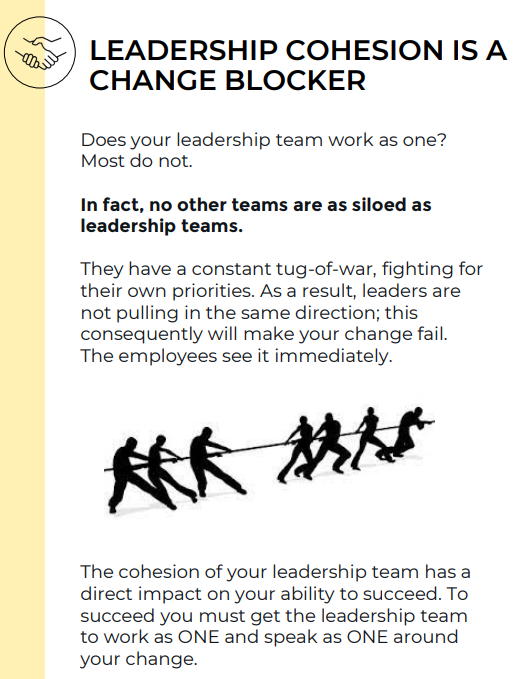
The Danish group @InnovisorInc has identified "6 change blockers" based on analysis of networks/influence/change with organisations in 70+ countries. The 6 blockers are:
1) Leadership cohesion - leadership teams are more siloed than any other kind of team
2) The fragmentation or even disconnection of internal teams
3) Misalignment between the senior team & the people in the organisation who are most influential
4) Disengagement & lack of commitment to the change from employees
5) Lack of leadership follow through
6) A project team that has not been set up for success
https://t.co/jgfrUse99U Thank you @JeppeHansgaard
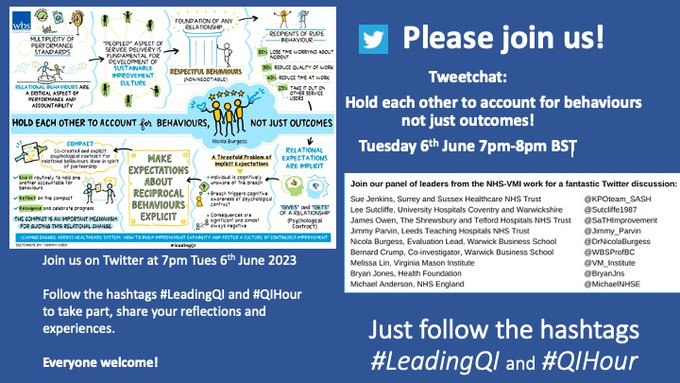
There's been massive interest in "hold each other to account for behaviours, not just outcomes", the latest sketchnote & blog from @DrNicolaBurgess. Tweetchat on this topic next Tues 6 June, 7-8pm BST. Everyone welcome. Just follow the hashtags #LeadingQI #QIHour at this time. Latest blog: https://t.co/wvEoS6Whpc
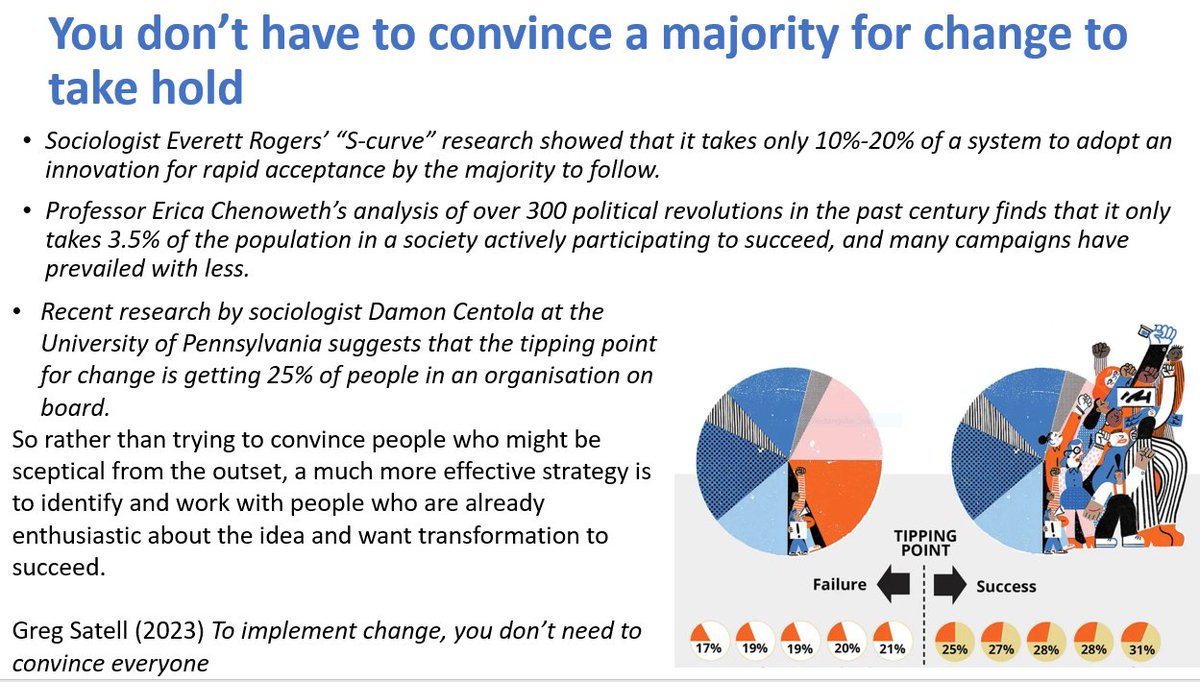
Have a good idea for change/improvement? If you take a business case to senior leaders (requesting funding & an organisation-wide approach) you're more likely to activate resistance than to win over a majority. More effective is to identify people already enthusiastic about the idea and work with them to create/test changes: https://t.co/MKTnqxMp2U By @Digitaltonto
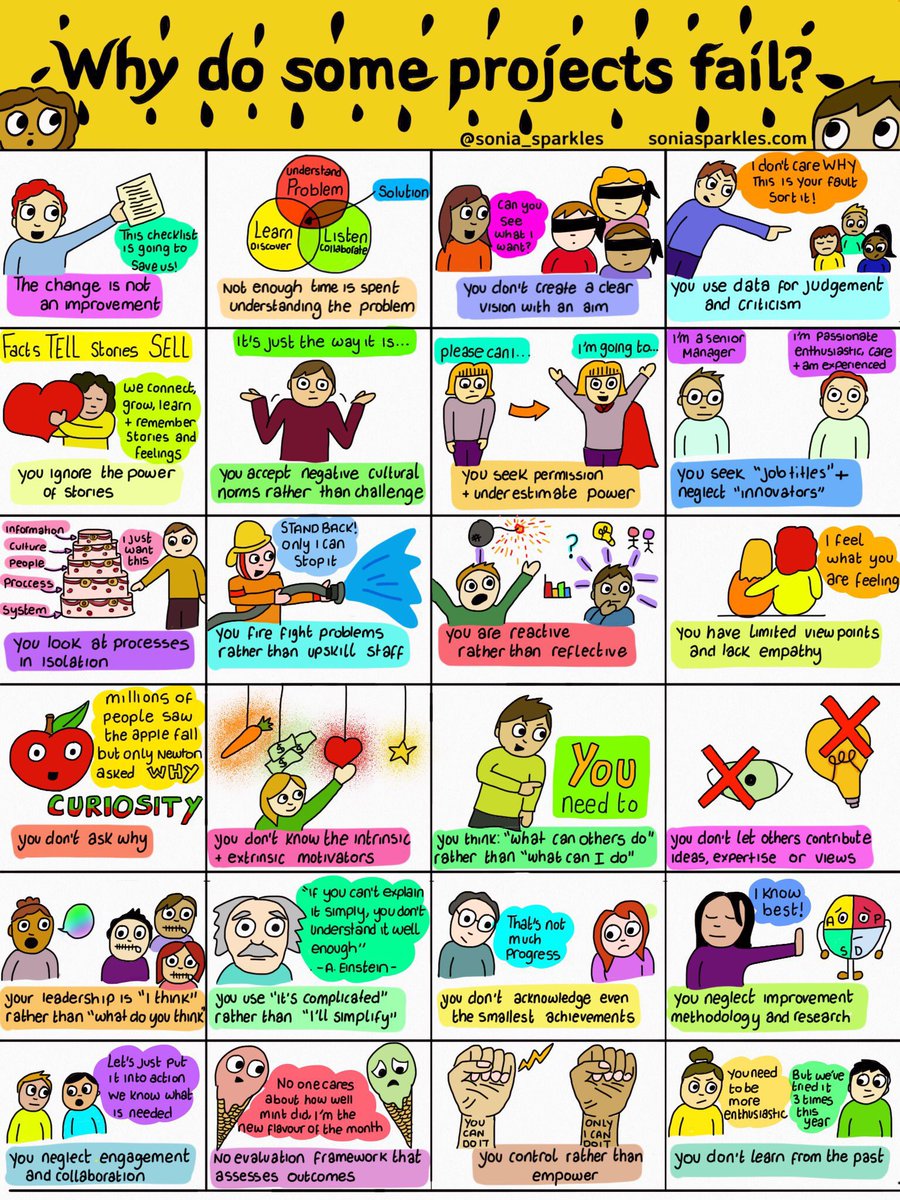
Cultural, behavioural & emotional aspects on why some projects fail.
This is why we need to focus more on improvement culture - not just improvement knowledge/tools