Project working with farmers on Mullet Peninsula & Erris coastal mainland helping rare Great Yellow Bumblebee formally an EIP now working with LIFE on Machair
@GYB_Project were delighted to be instrumental in setting up the Mullet Bioblitz back in July with funding from @MayoCoCo Biodiversity officer and Údarás na Gaeltachta. Great video from @TeemLens
The Mullet Peninsula Bioblitz 2025, supported by Mayo County Council Biodiversity Office via NPWS Local Biodiversity Action Fund and Heritage Council Local Biodiversity Action Plan Funding was a wild success!
Over a buzzing weekend in July with expert talks, and hands-on wildlife recording, participants helped document the rich biodiversity of the Mullet Peninsula. From coastal plants to rare insects, experts and community groups came together to celebrate and record our natural heritage, with an encouraging display of citizen science.
Thank you to the Great Yellow Bumblebee Project and Belmullet Tidy Towns, for taking the lead in organising. Your observations make a difference!
#BiodiversityMayo #WildAtlanticWay #CitizenScience #ExploreMayo
As cattle return to the machair for winter grazing, their grazing is essential for creating favourable conditions for flowers to return next year. However, some seeds can be unwanted. Here we can see burdock seed heads doing a great job at dispensing itself via grazing cattle!
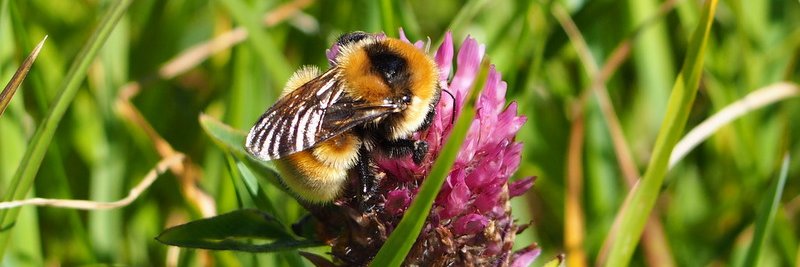
Similar to the Scottish populations of Great Yellow Bumblebees, Irish populations are now pretty much restricted to the Mullet Peninsula and Erris Coastal
This bumblebee disappeared decades ago from England and Wales and is now Scotland’s most threatened bumblebee ⚠️
Once found across the UK, the Great Yellow bumblebee is now found in the far north and west of Scotland – and only in very small numbers.
1/5
Join our team!
We are currently setting up a panel for the position of:
- Project Manager - Lough Carra Life Project
Closing date for application: Thursday, September 18th
Full particulars and application form can be found here: https://t.co/x23qIzxoxo
High tide this morning at Belmullet, Co. Mayo, Ireland. Not a day to forget your waterproofs.🌊💦🌊
#stormerin#belmullet#comayo#ireland
RTs appreciated as ever. 😊
Biodiversity Tip No. 23
A positive grassland indicator plant used to assess if grassland is in ‘good’ condition, a sign that the grassland is semi-natural, not managed intensively and it has received only small amounts of fertilisers, herbicides, and other improvements.
In Blacksod Bay, Co. Mayo, a live stranding hotspot, common dolphins live strand year after year. Local volunteers give everything — but they need the right tools.
Help fund Ireland’s first Dolphin Rescue Trailer. 💙🐬
👉 Please support
https://t.co/ug4VDahaFe
We are inviting people who swim at beaches, lakes and rivers to help identify areas that should maintain existing bathing waters designations and areas that are commonly used for swimming but not identified at present.
Closing Date: Sept. 26th
More info: https://t.co/K9n8IR9t10
Dunlin Headstarting 2025 – Part 3: Release pen build – Co. Mayo
The Breeding Waders EIP and LIFE on Machair teams were hard at work building a release pen for the headstarted Dunlin on a stunning machair site in Co. Mayo.
🎥 In this video, Mark Reed from LIFE on Machair gives you a quick overview on the construction of the pen.
🙏 Huge thanks to the landowner for generously allowing access and supporting this vital conservation work.
This is a retrospective series, documenting the journey from egg collection in May to release in July. Follow along daily to see how it all unfolded.
@agriculture_ie@fotawildlife@NPWSIreland@LIFEonMachair
To celebrate @HeritageWeek 2025 and its theme 'Exploring Our Foundations', our Farmland Officer Ruth Wilson looks back at the tradition of haymaking on farms, which has taken place in Ireland for centuries & forms part of our cultural and natural heritage https://t.co/F8IaKzqzKf
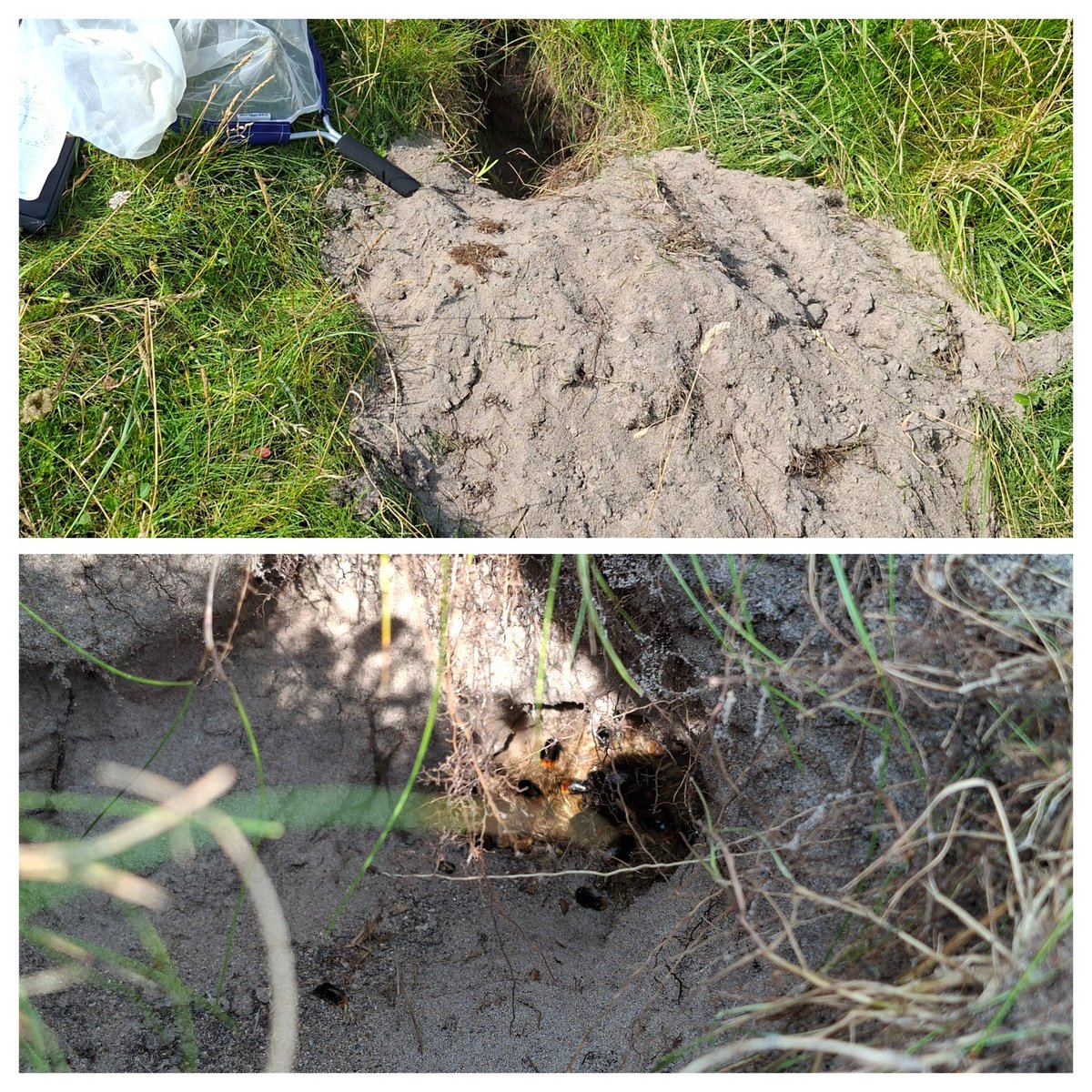
Sometimes bumblebee nests get predated. Here a Lapridarius/ Red tailed bumblebee nest which appears to have been predated by a fox. Bees appear to be trying to make repairs. If you read 🧵 you'll see how much was dug out.
Biodiversity Tip No. 20
Species-rich wet meadows and pasture can provide a more varied herbage ➡️ beneficial to grazing livestock as it provides them with a greater variety of vitamins, minerals, and nutrients than ‘improved’ grasslands which support only a handful of species.