Underground Ghost Town – once housed up to 20,000 people :
In 1963, a man renovating his house accidentally punched a hole in a wall. But behind it he discovered an untold archaeological treasure. At first he thought his house had been used to block an underground passage.
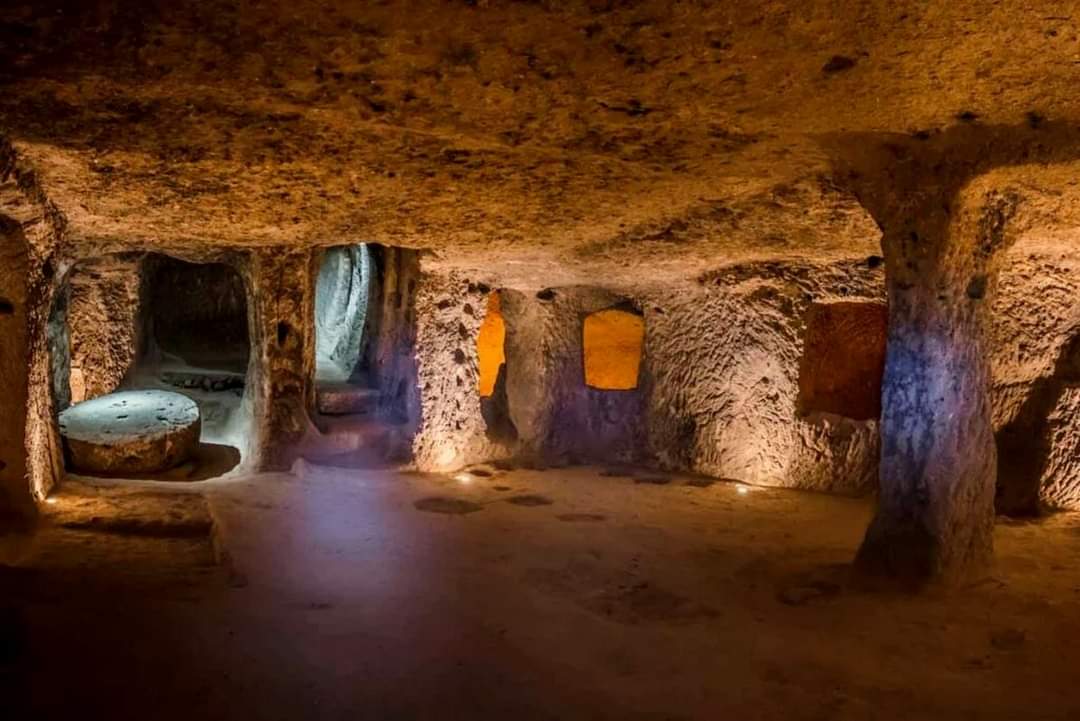
He took a sledgehammer and started knocking down the wall. The opening widened. The man went inside and started searching. Investigating, he found several halls and chambers. Surprised he followed the hidden passage he had found which led him to a room and more passages. He continued to explore and found a complex system of tunnels and caves and eventually a vast underground city, carved out of volcanic rock.
Man had discovered the ancient underground city of Derinkuyu. Most deeply dug city in Türkiye. Its true extent would only become known a few years later, with subsequent excavations. It was once a thriving metropolis and is one of many similar underground complexes found in Cappadocia. The area is one of most beautiful areas of Turkey, known for its characteristic "fairy chimneys". They are tall, conical rocks formed over millions of years by natural processes.
Most of them are concentrated in the Valley of the Monks, in Göreme, but also elsewhere. The landscape is of dazzling beauty. However, the exotic beauty is not on the surface. It has depth. It extends about 80m below the surface of the earth and is one of most mysterious and impressive technical achievements of the country. Of course today, it is a tourist attraction.
Derinkuyu, an ancient multi-level underground city near the modern city of the same name, which is built at a depth of 85m. At its peak it is large enough to accommodate tens of thousands of people. Apparently thousands of people lived there, with their animals and food stores, which means that Derinkuyu is one of the largest underground residential complexes that have been found both in Türkiye and in the world.
The city itself could be closed from the inside, with large, rolling, stone doors, and each floor could be closed off separately from the other. At its zenith, the city could accommodate up to 20,000 people and had facilities to provide amenities for its residents, amenities that were also found in other similar underground complexes in Cappadocia. Grape presses, olive presses and stables, cellars, warehouses, restaurants and chapels were found.
Unique in Derinkougiou is a complex located on the second floor of the city. It is a huge room with a vaulted ceiling, which is believed to have been used as a religious school. It has adjoining rooms which are open, for people who wanted to study. The size and complexity of the complex is impressive, but what is even more awe-inspiring is the date when historians believe construction work began. The caves, they say, may have been originally built in the soft volcanic rock of the Cappadocia region by Phrygians in 8th-7th Century BC.
Derinkuyu was once connected to Kaymakli, another underground city, which was further away. The connection was underground with tunnels, which were about 15 kilometers long. The findings in this section of land belong to the Middle Byzantine Period, between 5th-10th Centuries CE. The cities were used over the following millennia by the Christian locals as protection against Mongol and Arab invasions. When the Ottomans finally conquered what is now Turkey, Derinkuyu was used as a place to hide refugees from the Turkish Muslim rulers who settled there. Even into the 20th century, the Greeks of Cappadocia and the Armenians used the underground cities to escape the persecutions that occurred at times.
In 1969, the site was opened to visitors, and by 2016, about half of the underground city had become accessible. Today, the entrance costs about 300 Turkish liras, about 9 euros. That's how much it costs to explore one of the most beautiful, yet hidden, gems in Türkiye.
- Subscribe for Weekly Newsletter -
https://t.co/QSjn4yGpeh
#archaeohistories
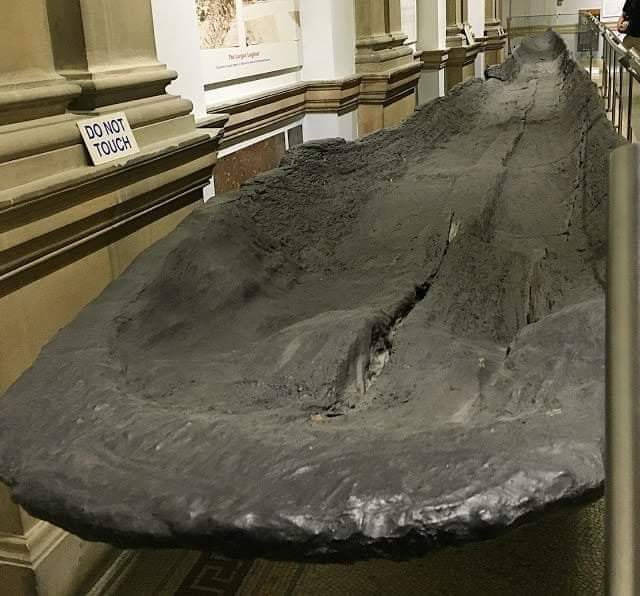
This logboat was carved about 4500 years ago from a giant oak trunk, using stone axes and fire. It measures over 14m long and is 1 m wide.
The so-called Lurgan canoe was discovered in 1901, in a Co. Galway bog in Ireland.
#archaeohistories
Nothing has changed 😉 - #Egyptian flip flops: a pair of sandals made of woven reed and palm leaves. Dating around 1000 BC.
On display at National Museum Copenhagen.
For #AncientSiteSaturday a glimpse into a tomb of the #Roman period in Corinth/Greece. One of the terracotta sarcophagi has the shape of a bed and is painted in bright colours: a woman's head is resting on a pillow, her body is covered with a blanket. The details are amazing: 1/2
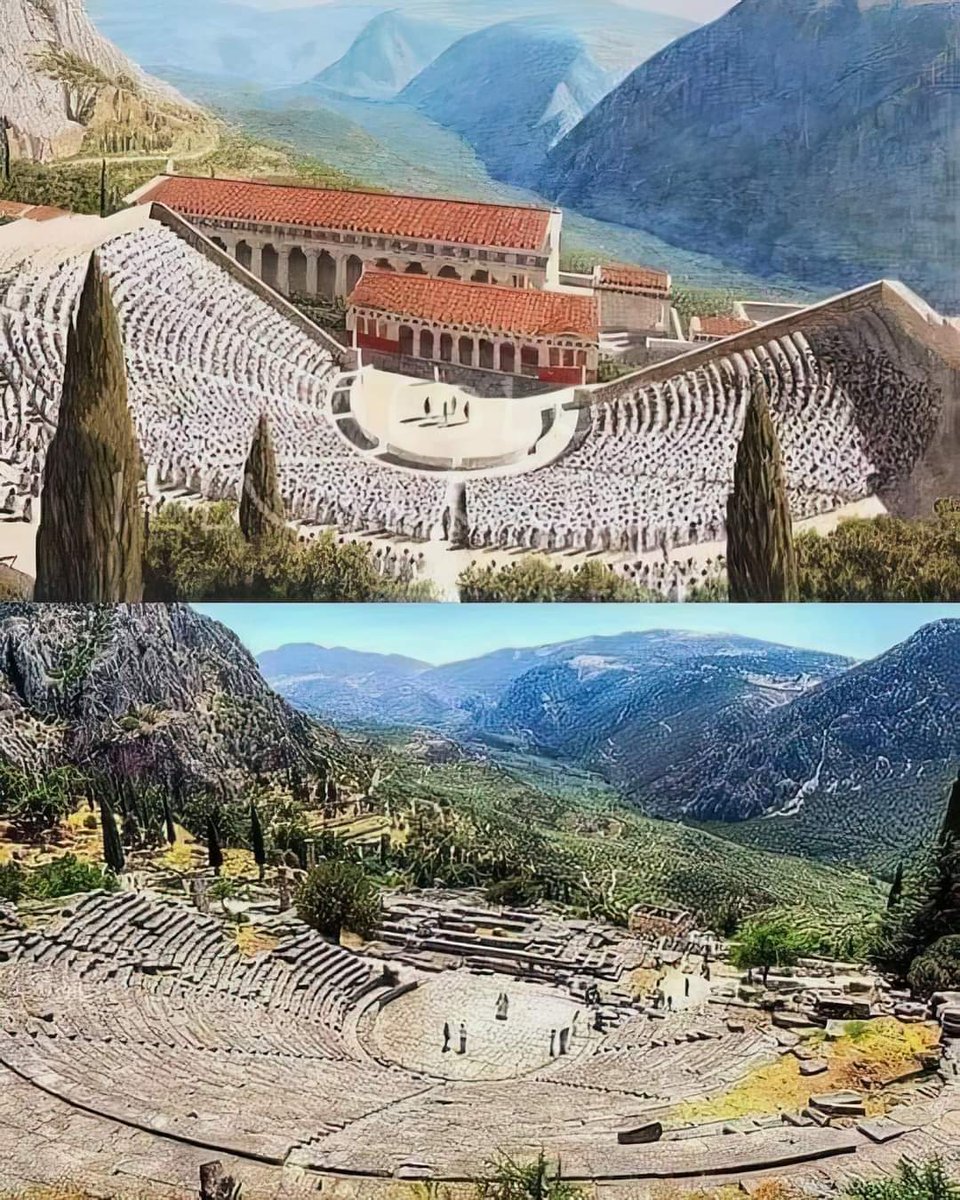
Then vs Now :
Ancient Theatre of Delphi, Greece; has been built on same hill as Temple of Apollo, but it is located further above it. Its situation gave audiences a great view of entire sanctuary and above 'Olive Tree Valley'. Dating back to 4th Century BC, theatre was constructed using limestone of Mount Parnassus.
The 35 rows of theatre could seat nearly 5000 people, who in ancient times enjoyed plays, poetry readings and musical events during the various festivals that took place periodically at Delphi. The lower tiers of seats were constructed in Hellenistic and Roman periods. Theatre went through many reformations. However, it has kept its basic structures: stone seats, a round-shaped stage and an orchestra.
Today, it hosts many ancient plays and other cultural events, mostly in summer.
- Subscribe for Weekly Newsletter -
https://t.co/QSjn4yGpeh
#archaeohistories
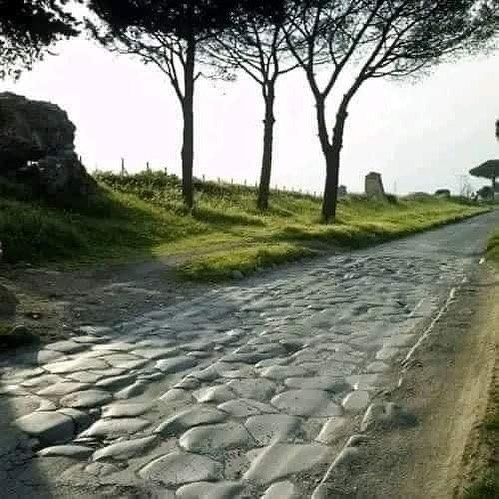
Hay una singular carretera en Roma llamada la Vía Apia, que fue construida en el 312 a.C. por Appius Claudius Caecus y todavía sigue en uso en la actualidad. Si has caminado por ella, habrás estado sobre siglos de historia.
Cuando este olivo nació, hace 4.000 años, alrededor del 2.000 años antes de Cristo, en China alguien estaba descubriendo el bronce, y el último mamut estaba siendo cazado por humanos. La séptima dinastía de Egipto había terminado y en Creta, el rey Minos inició la construcción del palacio que inspiraría el mito del Minotauro y su laberinto...
En el mismo período que este árbol germinó fue cuando nuestra especie descubrió la existencia del vidrio. El árbol, que está en Grecia, vio al hombre caminar desde la Edad del Bronce y llegar a la era atómica, y hasta hoy. Él vio el mundo cambiar, vio reyes, déspotas, políticos, poetas, guerreros y profetas levantarse y morir. Él pasó por muchas, incontables guerras... y todavía sigue dando aceitunas cada temporada.
These two bullets collided in the battle of gallipoli in 1915, the chances of this happening are 1 in a billion. Name something more unlikely to happen…
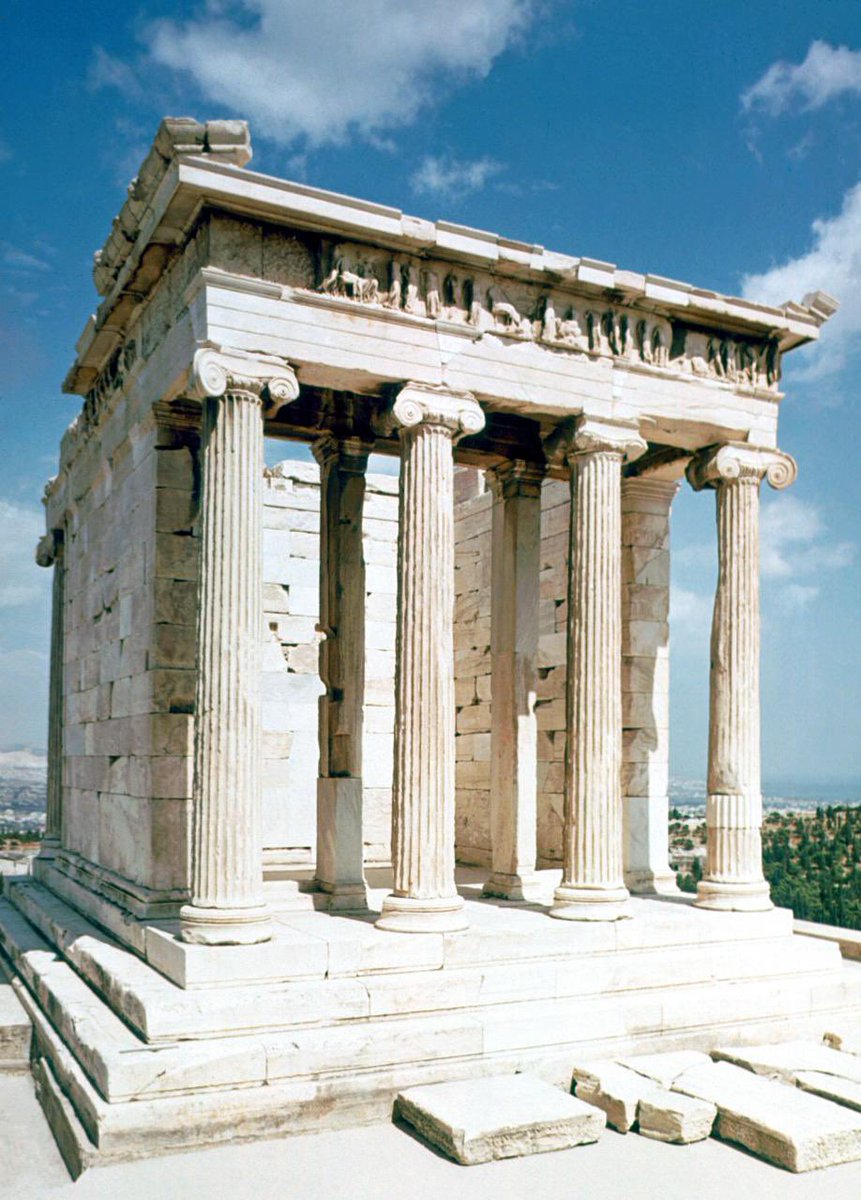
🏛 Dorique, ionique et corinthien, nous connaissons les principaux ordres architecturaux de la Grèce antique. Mais quand et où sont-ils apparus ?
Réponse sous ce tweet🧶
*Sondage sur votre ordre préféré à la fin du fil*
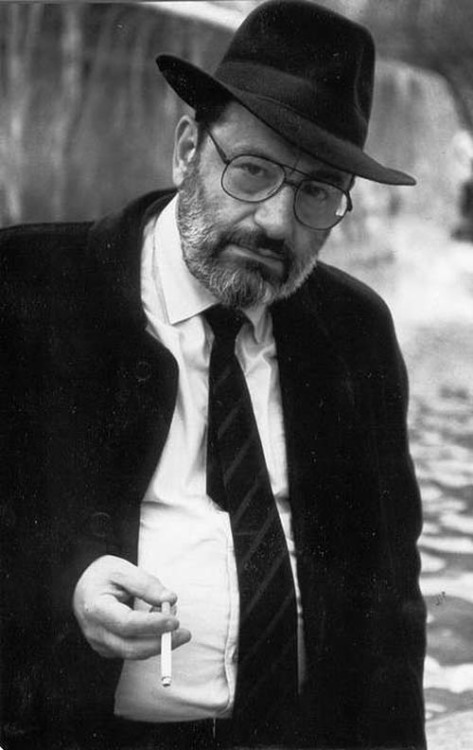
«Дарить надежду собственному народу — именно для этого нужен враг. Говорят, патриотизм — последнее прибежище подонков. Не имея моральных принципов, мерзавцы обычно заворачиваются в знамя». Умберто Эко (1932—2016).