Maths Learning Champion at Sheringham Community Primary School @OFFICESPS delivering maths interventions for KS2, running maths related clubs and garden club
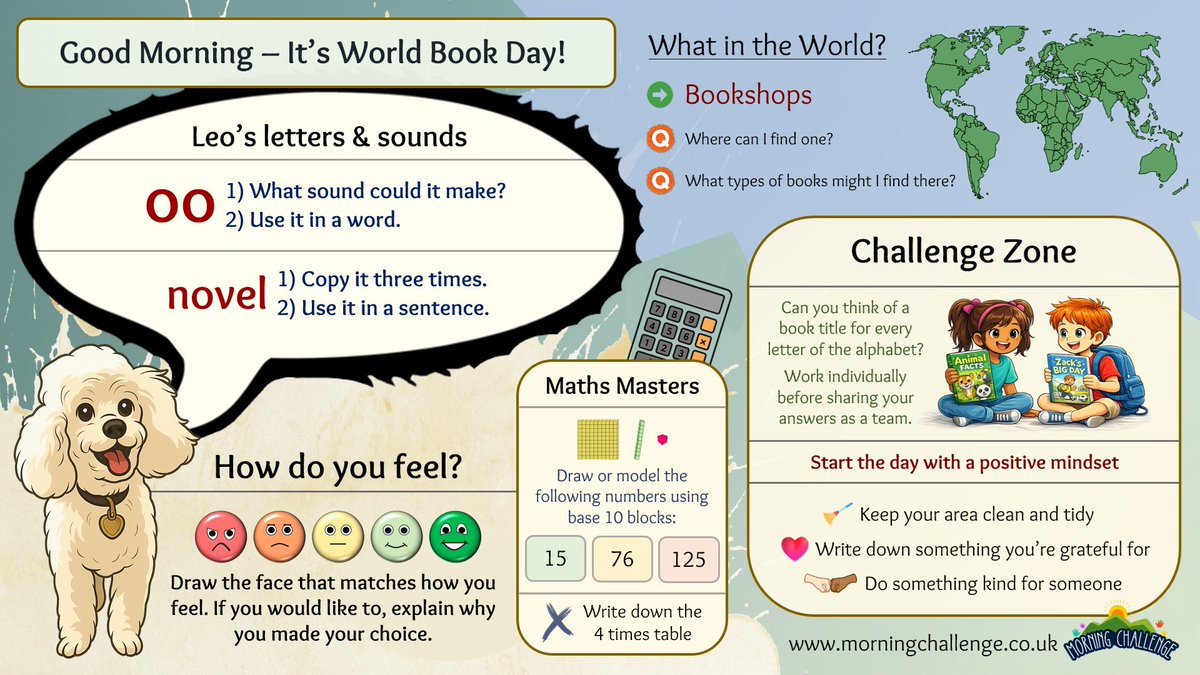
FREE 🆓 World Book Day Morning Challenges & fully-resourced lessons - Primary teachers help yourselves! Please share with primary staff and on socials ❤️🥳✌️📚🌍 - https://t.co/sJAyYAFeHq
💌♥️Giveaway alert♥️💌
We're giving away a copy of 'Scottish Folk Tales of Love' and a bespoke bookmark. Simply follow us, @THP_Folklore and like this post to enter. #Giveaway ends on the 5th of February at 12pm GMT and is UK only. Good luck! 🩷 #giveaway#bookgiveaway
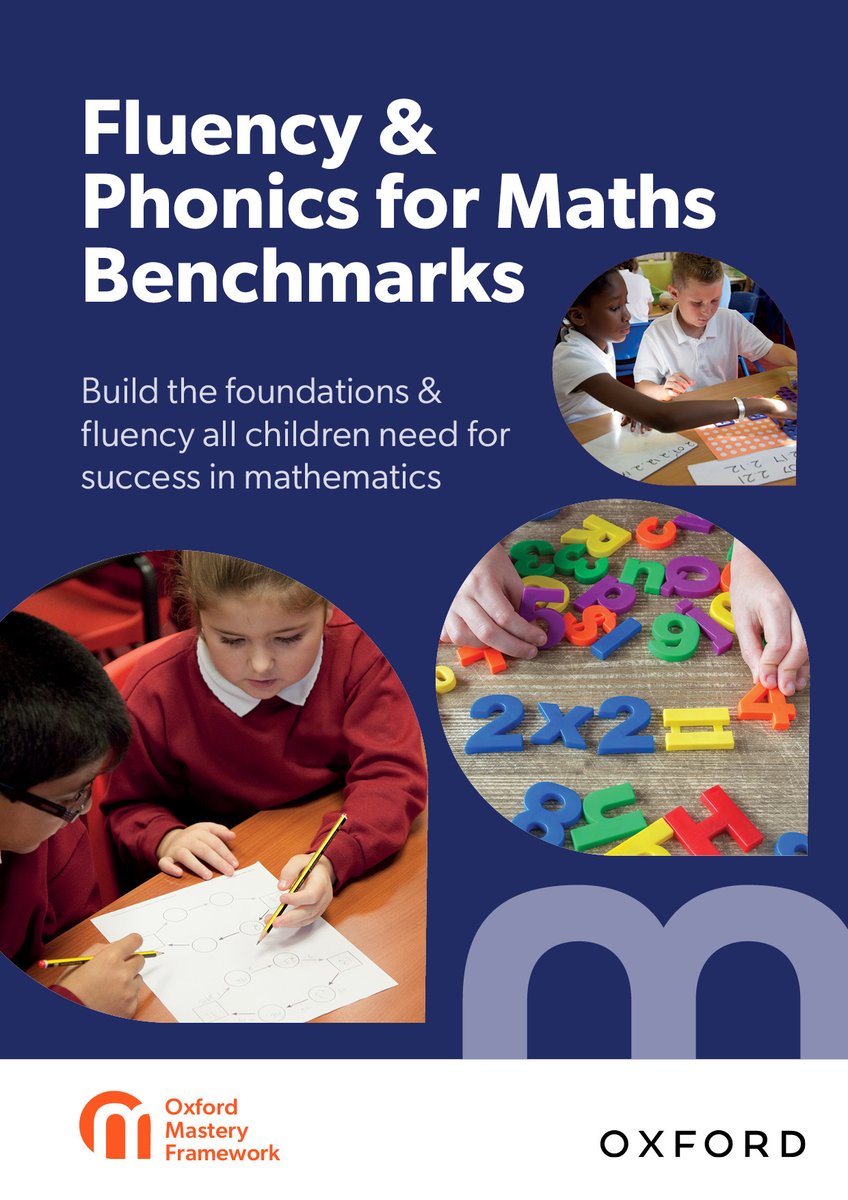
📢 We're excited to launch our new Fluency and Phonics for Maths Benchmarks, designed to give schools structured and evidence-informed guidance for embedding phonics-style strategies into maths teaching.
Take a look here: https://t.co/iID4Wz25n0
#PhonicsForMaths#MathsFluency
@DyscalculiaNet1 We are looking at all the maths opportunities in garden club from symmetry to planting in rows and looking at the area of growing space we have
@DyscalculiaNet1@TTSResources I would use this as a group activities exploring fractions together and reasoning why … finding a whole with different denominators, equivalent fractions, simplifying fractions etc
Perfect to use during intervention work along side the children using the same resources. They then get use to seeing and holding the maths first and understanding the concept quicker. #primarymaths#manipulatives
When the weather is good, it’s time to explore! ☀️🌳
Here are 9 outdoor games and ideas you can use to get your kids thinking about numbers and #numeracy when out and about this #summer holiday. No special equipment or preparation required. 🙌
🔗 https://t.co/gbbDDJ0mer
First Maths Challenge (age 7-9) https://t.co/VNCkmmv2R0
Primary Maths Challenge (age 9-11) https://t.co/it6QJ7EEnE
Junior Maths Challenge (age 11-13) https://t.co/CyZcRIsdoZ
Intermediate Maths Challenge (age 13-16) https://t.co/fUzFM054ia
Senior Maths Challenge (age 16-18) https://t.co/QykQ7ZK6p3
Take one of these free Mathsaurus courses for @Mathematical_A and @UKMathsTrust maths challenges today!
There are also free courses for most of the follow-on Kangaroo and Olympiad rounds too!
What are the maths challenges and why should students take them?
Maths challenges are events organised in countries around the world where students get to solve a range of interesting and unusual maths problems.
They focus on problem-solving and independent thinking a lot more than traditional exams.
You can’t really cram or revise for maths challenges - you need to practice over time with a range of problems that develop your skills more than just your knowledge.
That’s not to say there aren’t things to learn in advance - there is certainly a foundation of important topics that students need to know about.
But the challenges test how you can apply that knowledge more than what you know.
Students who do well in maths challenges can earn certificates and medals, but all students benefit a huge amount from taking them.
They end up getting better at maths a lot faster than just learning ‘textbook’ maths.
They develop a range of transferrable logical skills that are useful in other subjects and prepare them to be great critical thinkers.
But most importantly students who spend time with the maths challenges end up finding maths a lot more fun.
So if you want maths to be a student’s favourite subject, give them a maths challenge paper today!
Here in the UK, the @Mathematical_A organise challenges for ages 7-11 and the @UKMathsTrust organise them for ages 11-18, but similar competitions exist around the world too.
You can also find loads of past papers as well as totally free courses with my video hints and solutions for all ages 7-18 over at the Mathsaurus website.
Here's a question from a recent maths challenge - what age of student do you think this is for?
Wow what can we say a fabulous evening full of so many useful tips and ideas about working with learners with #dyscalculia. Huge thanks to Nichola Evans for an inspiring talk!
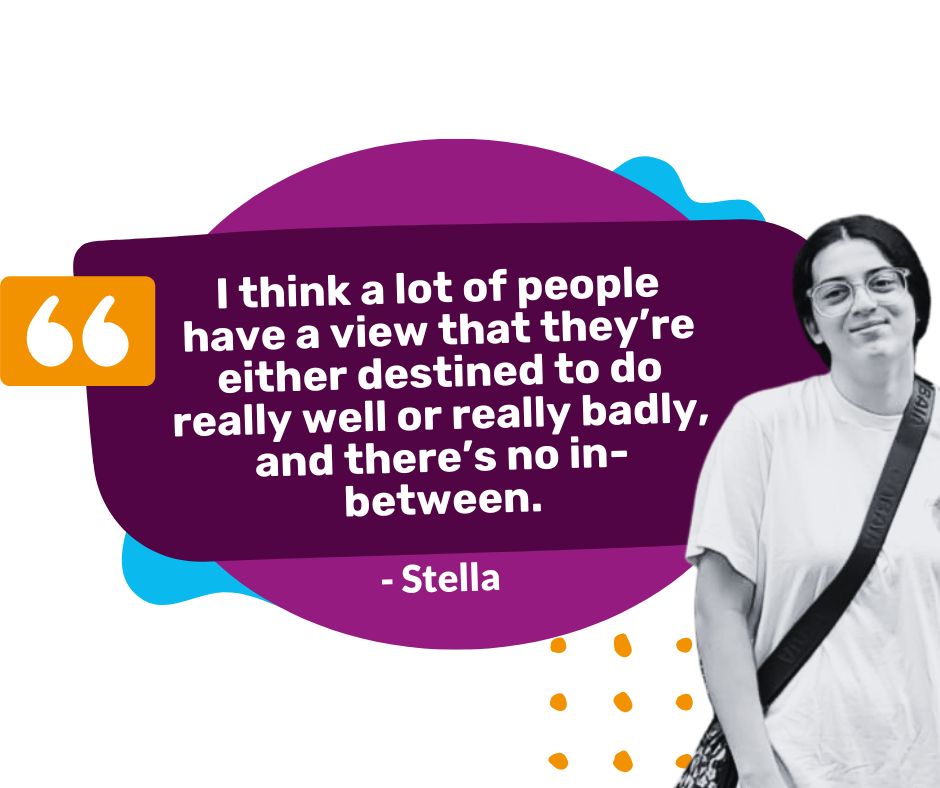
The Prime Minister previously said the UK has a problem - our ‘anti-maths mindset’ 📍
In this blog we unpack what this means and what we can do about it, while drawing on real stories from learners who’ve overcome their struggles with #maths:
https://t.co/V0Kj6T3bCr