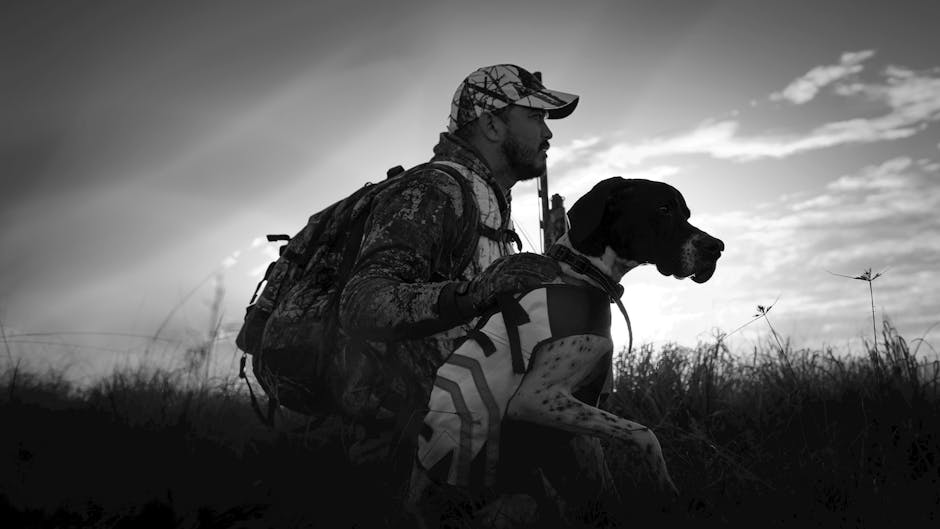
Most hunting content is the same recycled garbage.
We're building something different, real tactics, honest gear takes, and education that actually helps you punch more tags.
Follow for hunting content that actually gives you an edge.
https://t.co/sM6ehQ0OzR
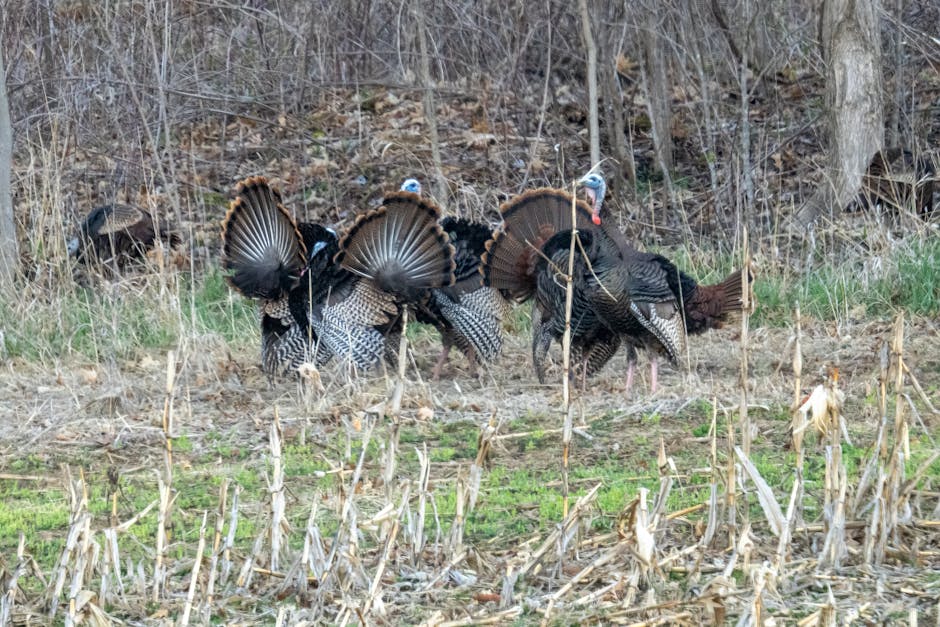
Turkey season is rolling across most of the country. How are you doing out there?
Birds gobbling, henned up, not talking at all?
Drop a comment. Let's see what's actually happening in the woods this spring.
If a gobbler answers your call twice without moving, stop calling.
He's waiting for you to come to him. That's the trap.
Go silent. Either he walks in looking for a hen, or he shuts up and you know he's already on his way. Both are wins.
Unpopular opinion: locator calls on public land work against you.
You crow call a bird at first light, he gobbles, and every hunter within half a mile now knows exactly where he is.
On private land, locators make sense. On public, silence finds birds. Competition kills hunts.
He was gobbling on the roost. You were set up perfectly.
Then the hens pitched down, surrounded him, and he walked the wrong direction.
Henned-up gobblers end more April mornings than bad weather does. Thursday's newsletter covers four ways to fix that.
Most turkey hunters quit at 10 AM. That's exactly why you should stay.
Hens leave gobblers mid-morning to go nest. Toms that were locked up all morning are suddenly alone and looking.
The 10 AM to 2 PM window kills birds every spring for the hunters willing to sit through it.
Real question for everyone hunting spring turkey: what is costing you birds the most this season?
Bad setups, calling mistakes, henned-up gobblers, or just the unpredictability of it?
Drop it below. Curious what everyone is running into.
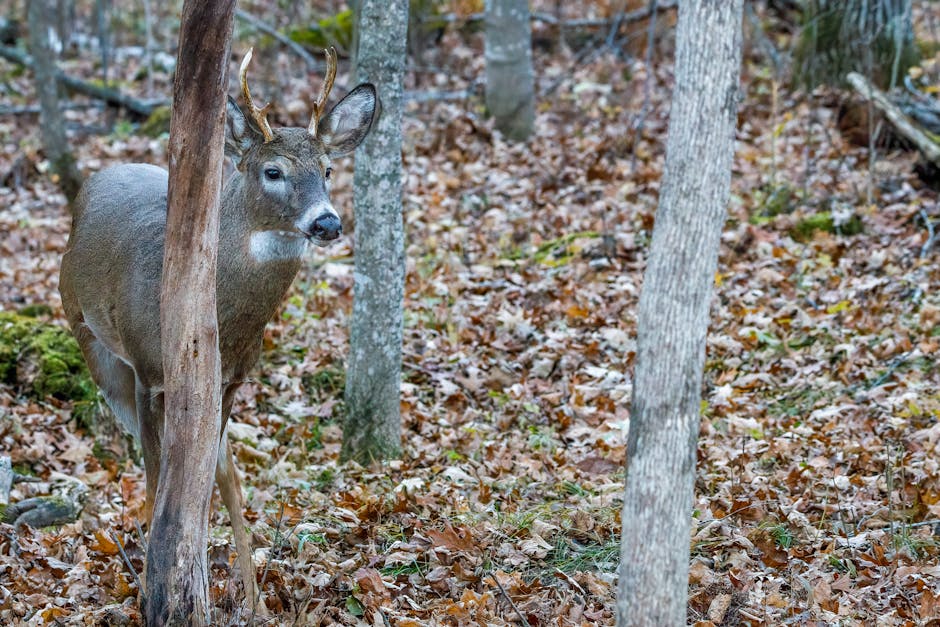
Turkey hunters are walking their best deer stands right now and don't realize it. Turkeys use the same creek drainages and field edges deer do. While you're calling, note the scrape lines and pinch points hidden under October leaves. It's free scouting.
What's the one hunting goal you've committed to for 2026 that has nothing to do with antler size? Could be a new species, a harder method, a specific piece of public land, or a trip you've been putting off. Drop it below.
Colorado draw deadline is April 7. If you haven't put in for elk or mule deer tags yet, you have one day.
OTC rifle elk units are getting squeezed harder every year. The draw is how you get access to quality country before it's fully restricted.
Submit your app tonight.
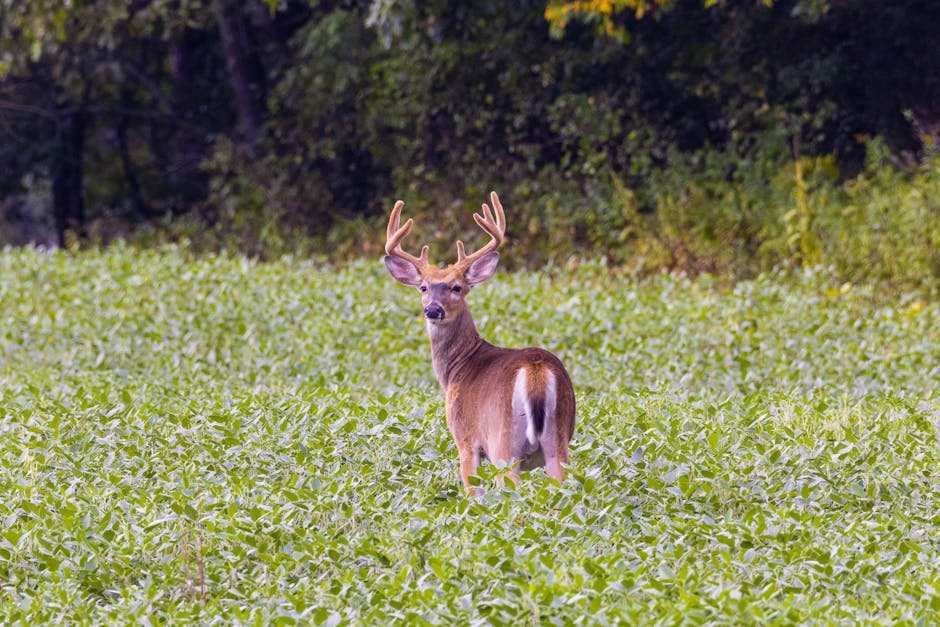
Summer cameras are more valuable than October cameras and most hunters have it backwards. In July and August, mature bucks are predictable: same water, same feed, same bachelor group every 48-72 hours. October pressure and shrinking daylight blow those patterns apart completely.
Unpopular opinion: box calls are for finding birds. Slate calls are for killing them.
A glass or slate running soft at 30 yards sounds like a real hen. A box call at 30 yards sounds like a box call.
Use both. Know when.
Old rubs tell you more than where a buck stood. They show where he was going. Rubs on the downhill side of trees mean the buck was traveling uphill toward bedding. A line of rubs on 4-6 inch trees is a mature buck's primary corridor. Set up 20 yards off that line.
Hot take: the most effective calling sequence is the one you don't finish.
A few soft yelps, then silence. If he's interested, he'll respond. If he doesn't, calling more won't fix it.
The hunters who tag the most birds talk the least.
Clover or brassicas as your anchor crop? Clover: easier to establish, 3-5 years of production, draws deer summer through early season. Brassicas: one-and-done but peak attraction hits November-January when mature bucks are moving. If you have the space, plant both.
The best time to plant clover, chicory, and brassicas is late March through mid-April. Soil temps are right, moisture is there, and plants get established before summer heat sets in. Plant now and deer are hammering it by September. Wait until June and you're already behind.
Most hunters crowd the roost and wonder why they bump birds before first light.
Set up 80-100 yards out on the travel route he uses after flydown. Not under the tree where he slept.
Let him walk into your setup. That's how you kill him before 7 AM.
Your food plot didn't fail because of the seed. It failed because of pH. At 5.5, plants can't absorb phosphorus or potassium no matter how much fertilizer you apply. Most hunters drop $500 on seed blends and won't spend $20 on lime. That's the problem.