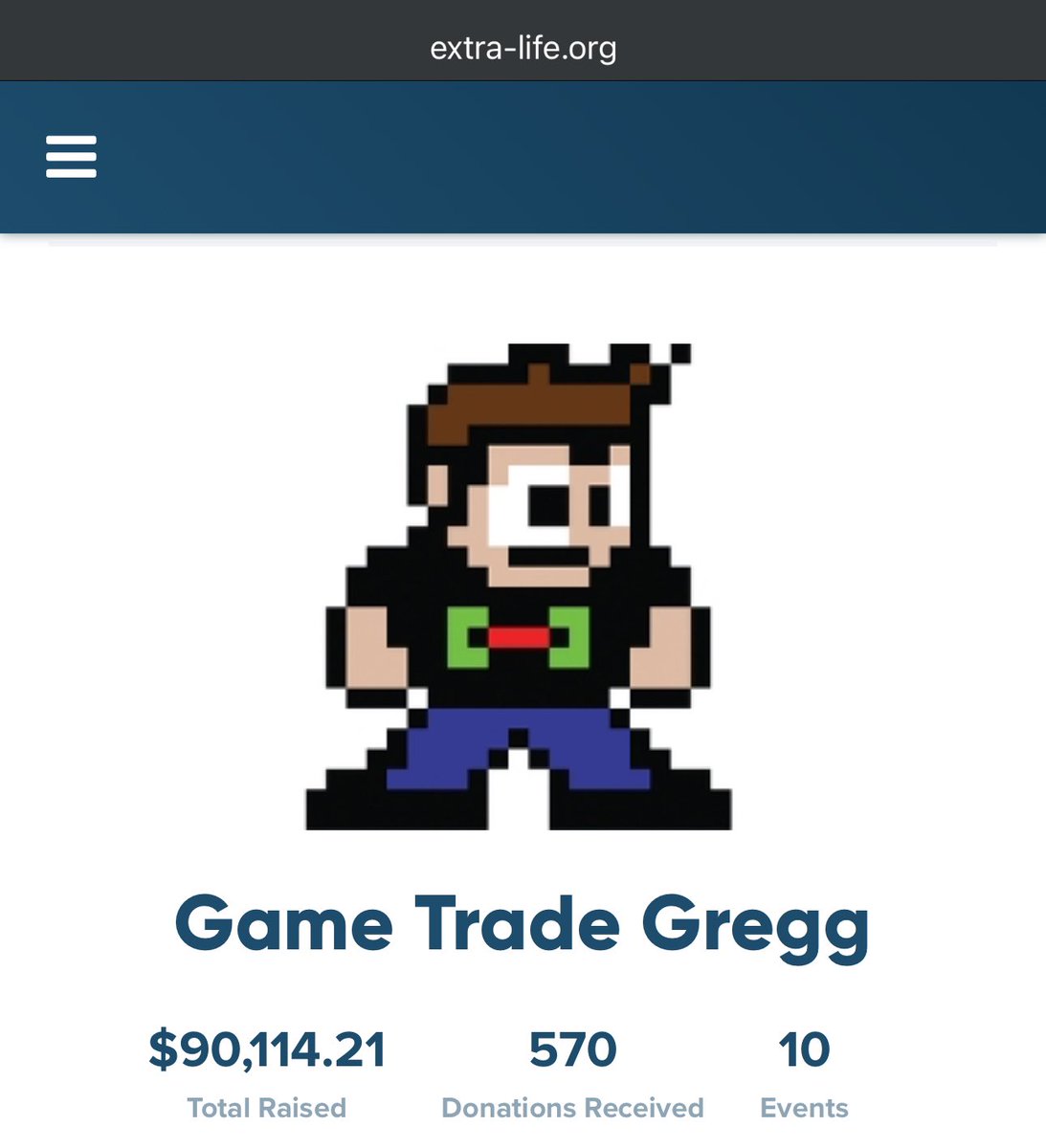
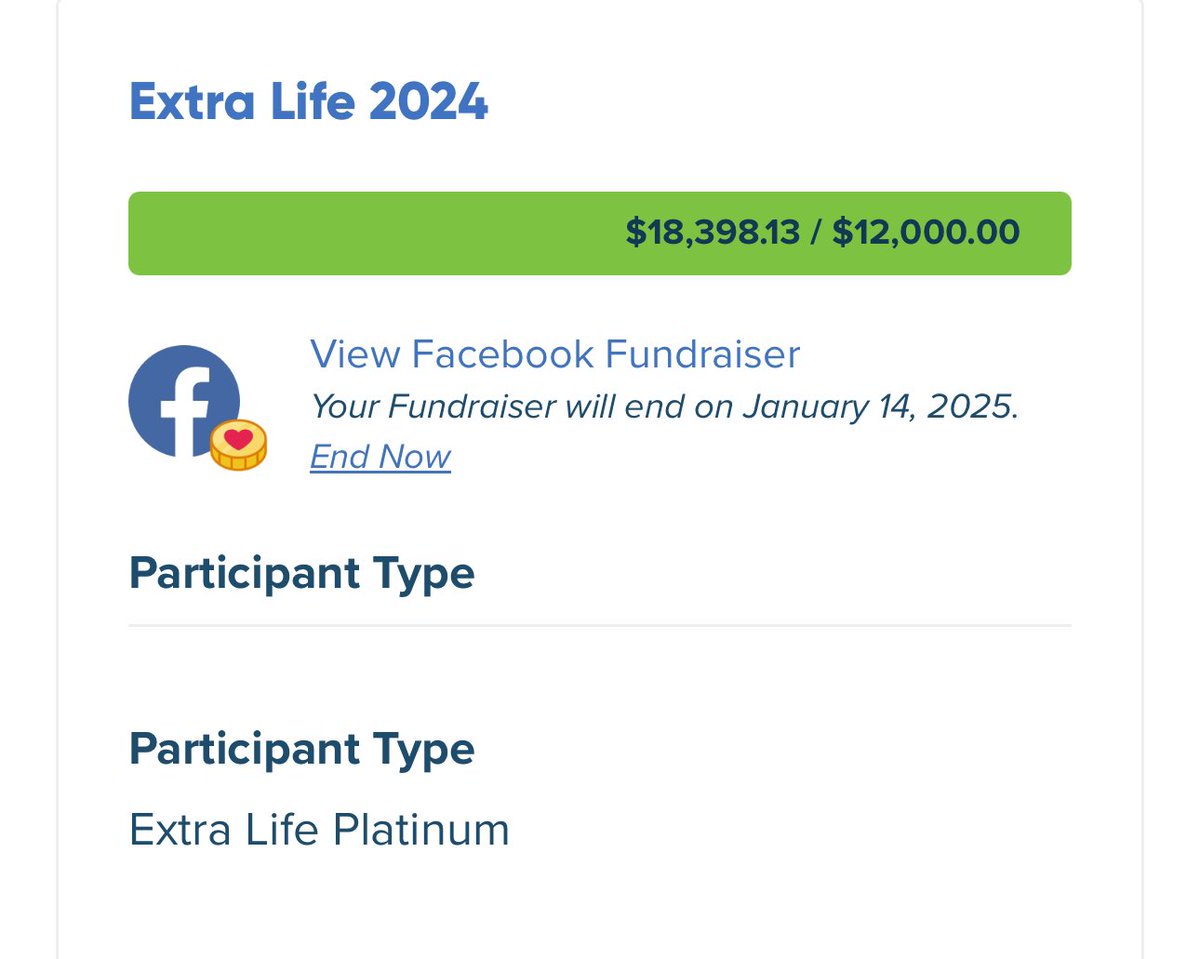
I am so thankful and proud for the support of another year of @ExtraLife4Kids fundraising. We finished at over $18,000 putting is at a lifetime amount of over $90,000!!! After this year we will have broken the 100k mark. My heart is filled with love ❤️
I got a surprise video on stream about one courageous little dude named Gunnar who went through way more than any child should.
And at the end of the video was this photo.
Everything we do is so these kiddos can live long and healthy. We have truly made a difference! 🥹💜🦝
After many years, I finally have my own copy of the original Mortal Kombat on Sega Genesis! I grew up with the arcade and SNES versions and only got to play Sega at my best friend’s house. During a sleepover, her older brother showed us how to input the blood code and how to find Reptile. The experience felt forbidden, and the mysterious Code of Honor screen, where players input the secret code, further enhanced the mystique.
The brutal nature of Mortal Kombat, alongside games like Lethal Enforcers, prompted Senate hearings the formation of the Entertainment Software Rating Board (ESRB) in 1994 after incurring the ire of Senator Joe Lieberman. Leading up to Mortal Monday on September 13, 1993, Nintendo opted for a more family-friendly port of the arcade game, while Sega compromised with an MA-13 rating that concealed secret codes restoring arcade-accurate violence.
For the SNES port, Acclaim hired Sculptured Software but approached UK-based Probe Software for the Sega Genesis adaptation.
The SNES version replaced blood with sweat, while Sega’s version appeared completely clean without entering a code. Fatalities were even more subdued, with Sub-Zero Spine Rip fatality being replaced by simply uppercutting his opponent higher, while in SNES he froze his opponent before striking and shattering them. SEGA restored the original fatality when the blood code was enabled.
There is a “Code of Honor” screen before Sega players reach the character select screen that asks the question: “Mortal Kombat adheres to many codes, but does it contain one?”
Sega programmer Paul Carruthers implemented a code where players could press D-U-L-L-A-R-D to unlock a cheat menu that allowed enabling blood, selecting arenas, and restoring arcade fatalities. Acclaim also requested that Carruthers incorporate a simpler code using only the A, B, and C buttons, and A-B-A-C-A-B-B, reportedly inspired by the Genesis song “Abacab,” was added.
The latter is famously known as the blood code and has gained notoriety as one of the most famous cheat codes in gaming history. Successful entry of the blood code causes the Code of Honor screen to flash and enables blood and full fatalities during gameplay after Scorpion yells “Get Over Here!”
The codes were kept secret, but the developers expected they would eventually be uncovered by resourceful players. One such player was Dan Amrich, who would later become a GamePro editor. Dan and his friend Carl Elston learned of the DULLARD code through Usenet boards. After testing it on his early copy, Amrich submitted his discovery to GamePro.
The code spread through online communities like Usenet, tip hotlines, retailers, word of mouth, and magazines like GamePro and Electronic Gaming Monthly. GamePro’s February 1994 issue declared the Genesis version had “Gore galore! MK Genesis has it all… ABACABB and DULLARD make it even hotter!” Kids shared the secret on playgrounds and at sleepovers, and it felt incredible when that secret was finally imparted to me.
I’m so thankful to own my own copy now and relive one of the most infamous rites in gaming history. ❤️🐉
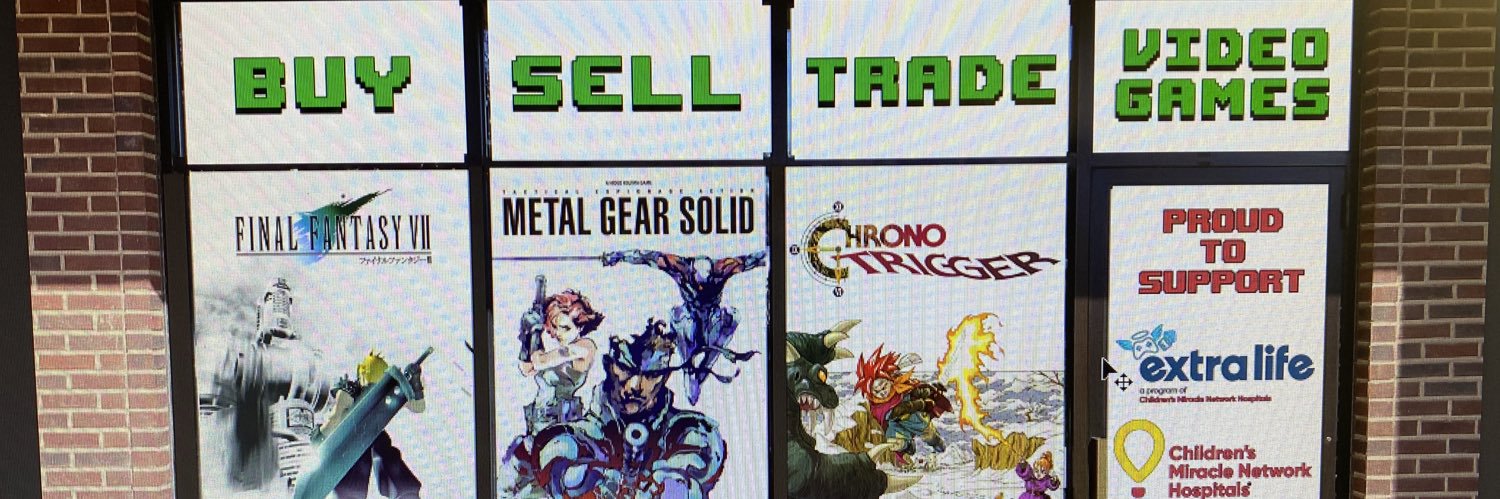
Also I got this game at an amazing store in Wisconsin called Game Trade by @GameTradeGregg and I highly recommend it!