Small Streamer here looking to build a community.
Come by and hangout, say hi
Stream Saturday & Sunday Starting at 12pm EST
On YouTube & Twitch
https://t.co/2gm5fZelHC
https://t.co/FDvFo3KSui
Finnish engineer Lukas Sjöman built a DIY solar-powered yacht called Helios 11 for approximately $20,724, then sailed it more than 3,000 nautical miles without using any fuel. The 11-meter vessel took 200 days to construct from marine plywood and fiberglass.
Equipped with 10 rooftop residential solar panels, a 24 kWh battery, and a 6 kW electric motor, Helios 11 was powered entirely by sunlight. Sjöman successfully navigated the yacht from Finland to Spain, demonstrating how far a relatively inexpensive, homemade solar vessel can travel without traditional fuel.
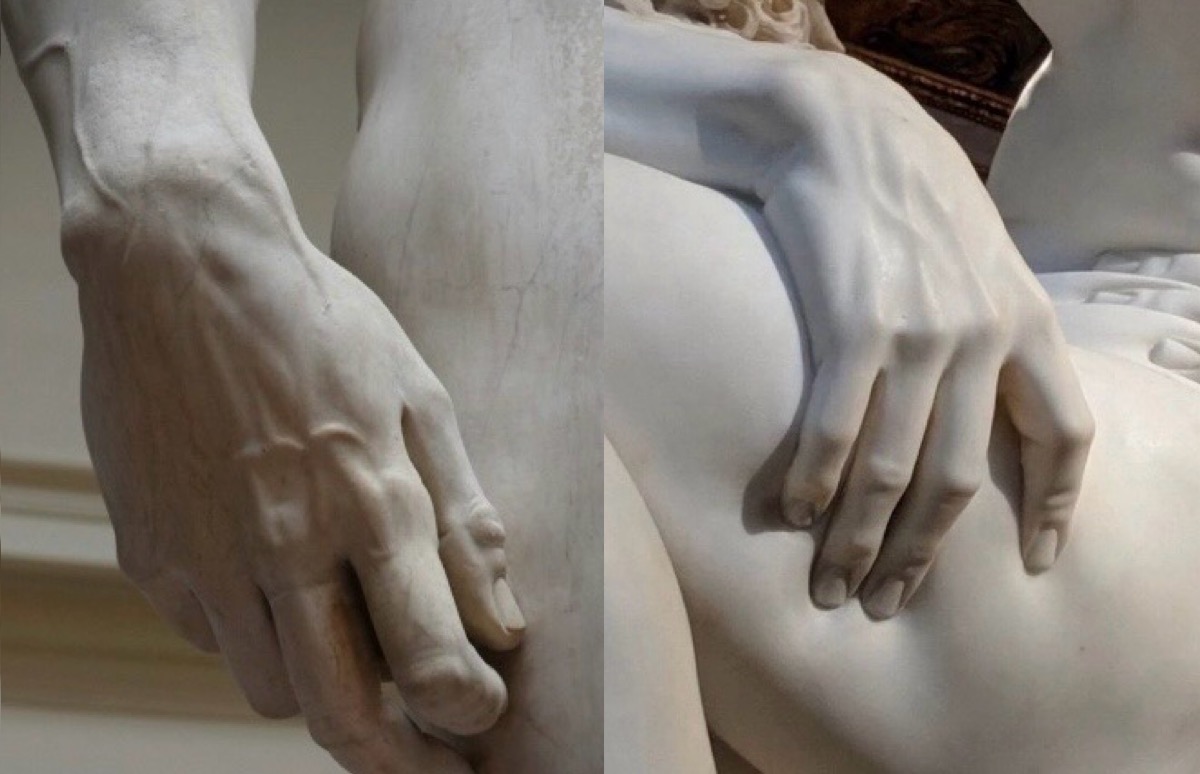
Marble hands sculpted by Michelangelo at age 26 and Bernini at age 23.
The comparison between Michelangelo’s marble hands, sculpted at age twenty-six, and Gian Lorenzo Bernini’s work at twenty-three reveals two different approaches to portraying the human form. In David, Michelangelo displayed extraordinary anatomical precision, rendering veins, tendons, and muscular tension to convey both physical strength and intellectual power.
Bernini took marble in an equally remarkable direction with The Rape of Proserpina. His depiction of Pluto’s fingers pressing into Proserpina’s thigh creates the astonishing illusion of soft flesh yielding beneath his grip. Where Michelangelo used marble to express idealized human perfection, Bernini transformed it into something remarkably lifelike and tactile.
The United Kingdom recognized animals as sentient beings capable of experiencing joy, fear, pain, and other emotions under law.
In a landmark development, the Animal Welfare (Sentience) Act 2022 officially took effect on 22 May 2023, with the establishment of the Animal Sentience Committee marking full implementation. This legislation requires the government to consider the welfare impacts on sentient animals—including all vertebrates (except humans), cephalopods, and decapod crustaceans—when formulating and enacting policies.
This achievement culminates decades of dedicated advocacy, dating back to 1988, when campaigners began pushing for laws to align with scientific evidence of animals' rich emotional lives. The independent Animal Sentience Committee now provides crucial oversight, ensuring these considerations remain central to policymaking and preventing the dismissal of animals' subjective experiences in political decisions.
As of 2026, the Act continues to shape UK animal welfare standards, setting a forward-thinking precedent for ethical governance and protection in the modern era. This shift honors the complex inner worlds of animals and reinforces their status as beings deserving of compassion and regard in law.
Emperor Nero’s 2,000-year-old bathtub was carved from one of the rarest stones on Earth and is estimated to be worth around $1 billion today.
Before modern luxury, this monumental bathtub represented the height of imperial prestige. Traditionally linked to Emperor Nero, it was carved from a single block of imperial purple porphyry, one of the rarest and most prized stones of the ancient world. Mined exclusively at Mons Porphyrites in Egypt’s Eastern Desert, the deep purple stone was reserved almost entirely for Roman emperors as a symbol of absolute power and divine authority.
Several meters wide and weighing many tons, the massive basin is a remarkable example of Roman engineering and craftsmanship. Since the ancient quarry has been abandoned for centuries and imperial purple porphyry is no longer commercially available, experts estimate that sourcing an equivalent amount of the stone today could cost around $1 billion, making it one of the most valuable bathtubs ever created.
Logs headed down the Hudson from the Adirondacks, 1907....
Before railroads and modern trucking became widespread, America's rivers served as the highways of the timber industry. Each spring, thousands of freshly cut logs were floated downstream from the forests of the Adirondack Mountains to sawmills along the Hudson River. Known as a log drive, the annual operation relied on snowmelt and spring rains to raise water levels enough to carry enormous quantities of timber.
Workers called river drivers balanced atop the floating logs using long pike poles to guide the timber, break up dangerous logjams, and keep the massive rafts moving. It was among the most hazardous occupations of the era. Slippery logs, swift currents, and shifting piles of timber claimed many lives, yet the work remained essential to supplying lumber for the rapidly growing cities of the Northeast.
By the early 20th century, railroads and improved road transportation gradually replaced river log drives, bringing an end to a centuries-old practice that had helped build America.
New York's Adirondack Park, where many of these logs originated, was established in 1892 and today protects more than six million acres, making it larger than Yellowstone, Yosemite, Glacier, Grand Canyon, and Great Smoky Mountains National Parks combined.
#archaeohistories
If you want to know why Call of Duty has so many more hacking issues than any other game, I’ll tell you. I worked at Activision for 4 years.
Super simple. You have 3 studios (Sledgehammer, Infinity Ward, Treyarch) who don’t want to work together, who basically start from scratch on the game each year.
They haven’t been building and making one product like Apex, Fortnite, Valorant, etc and improving on the product over time.
So every year you’re buying a new product. And by the time they figure it out, a new studio, with a new Call of Duty launches.