The first peer-reviewed journal advancing the impact of game research, technologies, and applications on human health and wellbeing. #G4HJ
Posts by @exerpooya
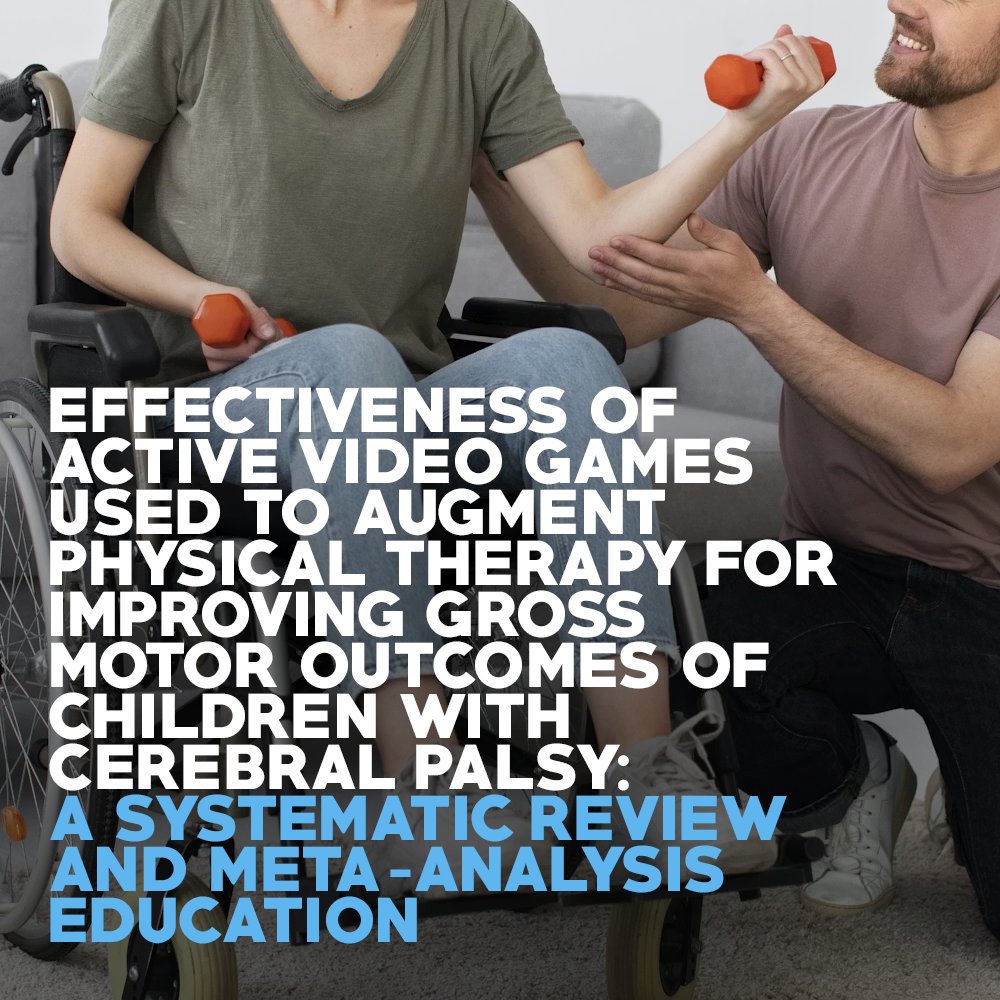
Active video games may boost gross motor function when added to physical therapy for children with cerebral palsy, but current evidence is low certainty, highlighting the need for stronger trials.
Read more: https://t.co/cfB1GB1wQu
A 3D simulation game for nursing education showed solid usability and engagement, helping students learn IV fluid therapy, supporting gamified training as a practical teaching tool.
Read more: https://t.co/ZowXLfpyxA
Immersive puzzle video games improved stability, self-efficacy, and some cognitive outcomes in people with schizophrenia highlighting the therapeutic potential of high-engagement game design.
Read more: https://t.co/rA0ijMY0xi
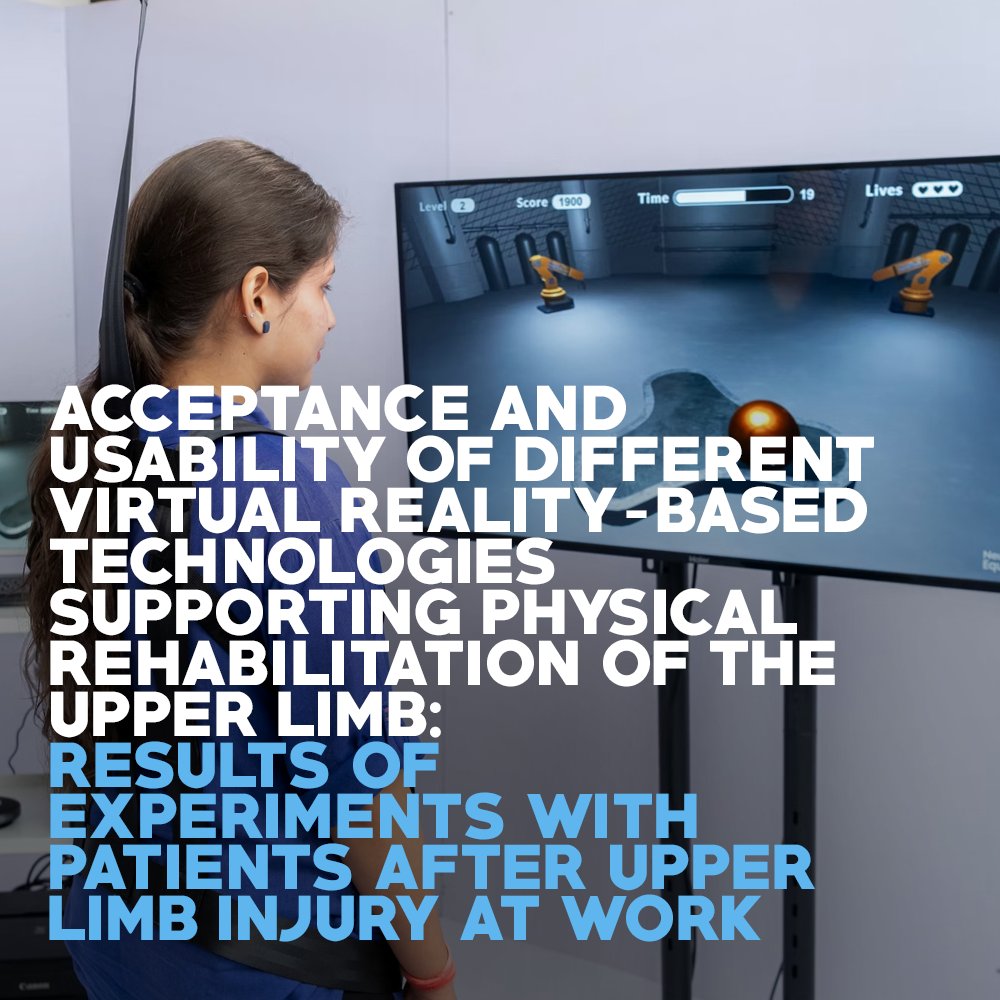
VR rehab tech for upper-limb injuries shows strong usability especially stand-alone headsets, which outperformed TV and PC-tethered setups in acceptance, performance, and perceived usefulness.
Read more: https://t.co/L9lKmgkofg
A mobile “exergame” for heart failure patients proved feasible and engaging helping users reduce sedentary time and increase daily walking with personalized goals. Early results support larger trials.
Read more: https://t.co/qzB2WP9dhA
Serious game training boosted healthcare staff confidence in malnutrition screening, showing strong potential for game-based education though design tweaks and better integration into workflows are needed.
Read more: https://t.co/wmx2Arx1Qk
Serious game training boosted healthcare staff confidence in malnutrition screening, showing strong potential for game-based education though design tweaks and better integration into workflows are needed.
Read more: https://t.co/wmx2Arx1Qk
Kinect-based exergames improved gait stability and mobility in Parkinson’s patients just as much as conventional physiotherapy but cognitive gains were limited. Promising digital rehab, comparable outcomes.
Read more: https://t.co/Bs8aj42Gr9
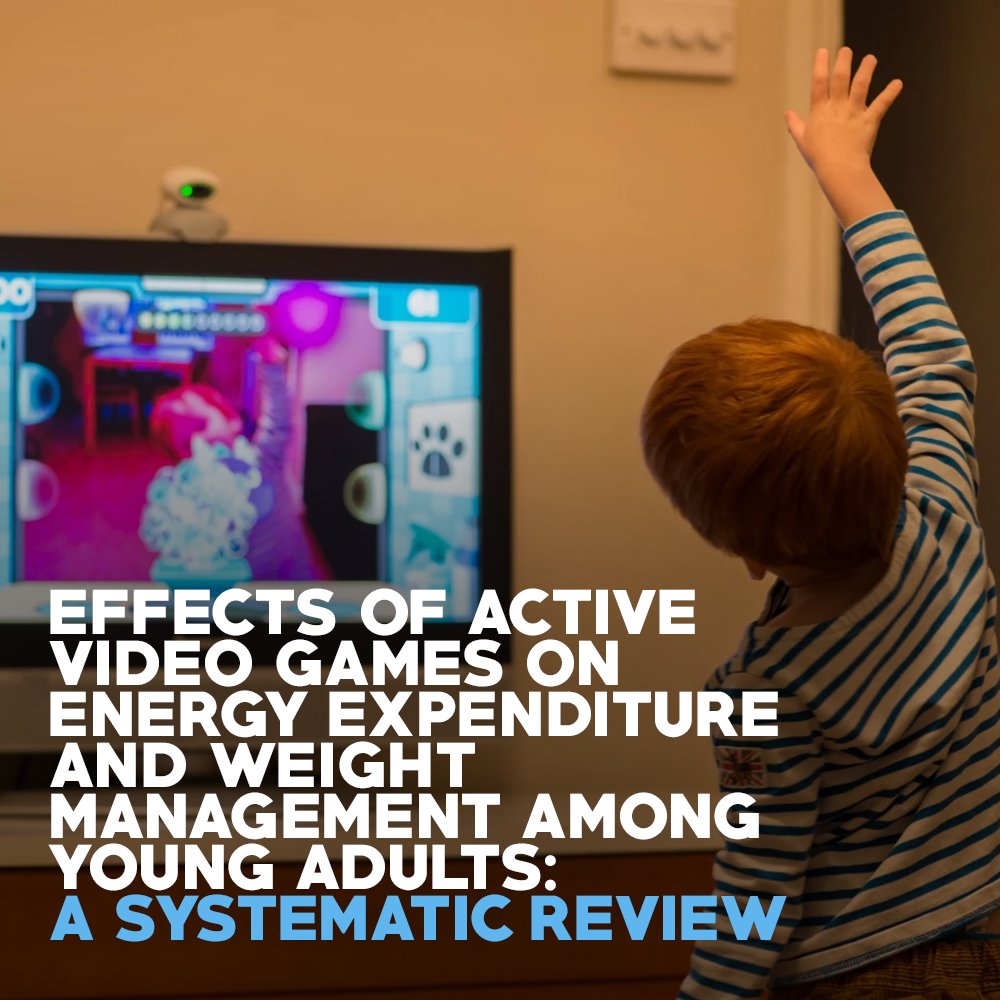
Active video games can deliver moderate physical activity for young adults but evidence on weight loss is mixed. Promising alternative to traditional exercise, yet bigger, longer trials are needed.
Read more: https://t.co/FAoahYJp9n
VR rehabilitation via LMC showed positive effects on hand function in rheumatic disease patients. Researchers suggest developing approaches to maintain patient motivation to sustain these benefits long-term.
Read more: https://t.co/APoLPki5mJ
This study showed that a 12-week robot-assisted board game programme boosted general self-efficacy and satisfaction with life, alongside cognitive gains, for older adults.
Read more: https://t.co/n5mwH4t8wY
A new serious game for dynamic balance, controlled by a biaxial force platform, was developed and validated. Experts gave it an excellent usability score, paving the way for effective rehabilitation in the elderly.
Read more: https://t.co/wvaHaJ33nW
Study confirms the GripAble device has excellent test-retest reliability and acceptable precision in healthy adults. Best results achieved when averaging three trials! Early evidence supports its clinical use.
Read more: https://t.co/x2R61Pa9Mm
Korean schoolchildren reported significant improvements in English competency using the 'Wise-Ax English' game compared to classical instruction. Plus, over 80% were satisfied!
Read more: https://t.co/x8cJaC9O77
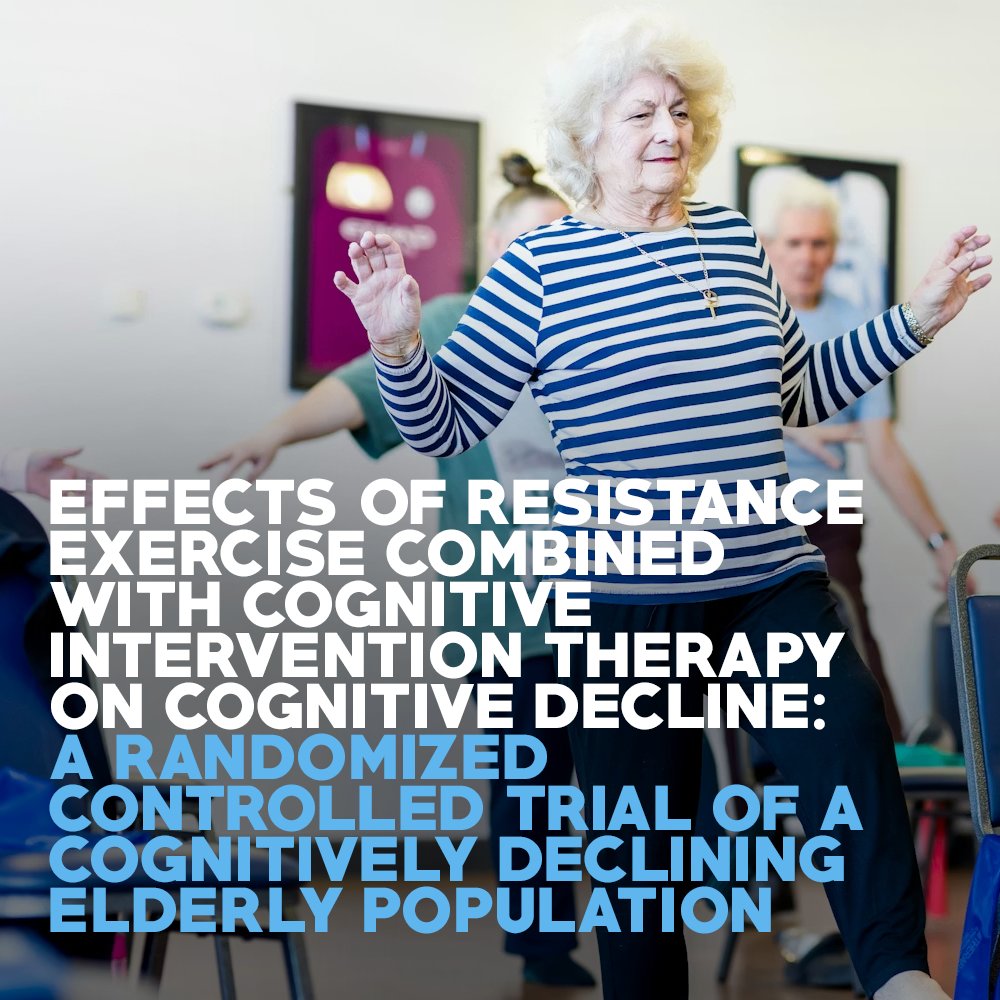
New randomized trial shows that medium-intensity resistance exercise combined with cognitive training produced the most substantial improvement in MoCA scores (cognition) for elderly individuals with cognitive decline.
Read more: https://t.co/3UxQtWemXl
A review of serious games for upper limb rehabilitation found that only 26% of studies considered ergonomics. More focus is needed on controller design and patient comfort to optimise use.
Read more: https://t.co/7upZqXWhVT
New meta-analysis shows exergames are effective: they significantly decrease body mass index and increase cardiorespiratory fitness in overweight and obese children/adolescents!
Read more: https://t.co/9uUdXRKMdS
New study shows a game-based intervention significantly reduced cigarette use in adults with serious mental illness. The group setting with counselling also improved psychiatric symptoms. An innovative approach to a major challenge.
Read more: https://t.co/Qb2GT0Ueuz
A new study reveals a single session of virtual reality exergames is more effective than traditional core stability exercises at reducing pain and improving mood and attention.
Read more: https://t.co/m7PsZF0g3d
A new study shows that serious game-based balance training is more effective when combined with a physical therapist's hands-on (kinesthetic) and verbal cues. A powerful blend of tech and human touch!
Read more: https://t.co/5lyMnuMFVw