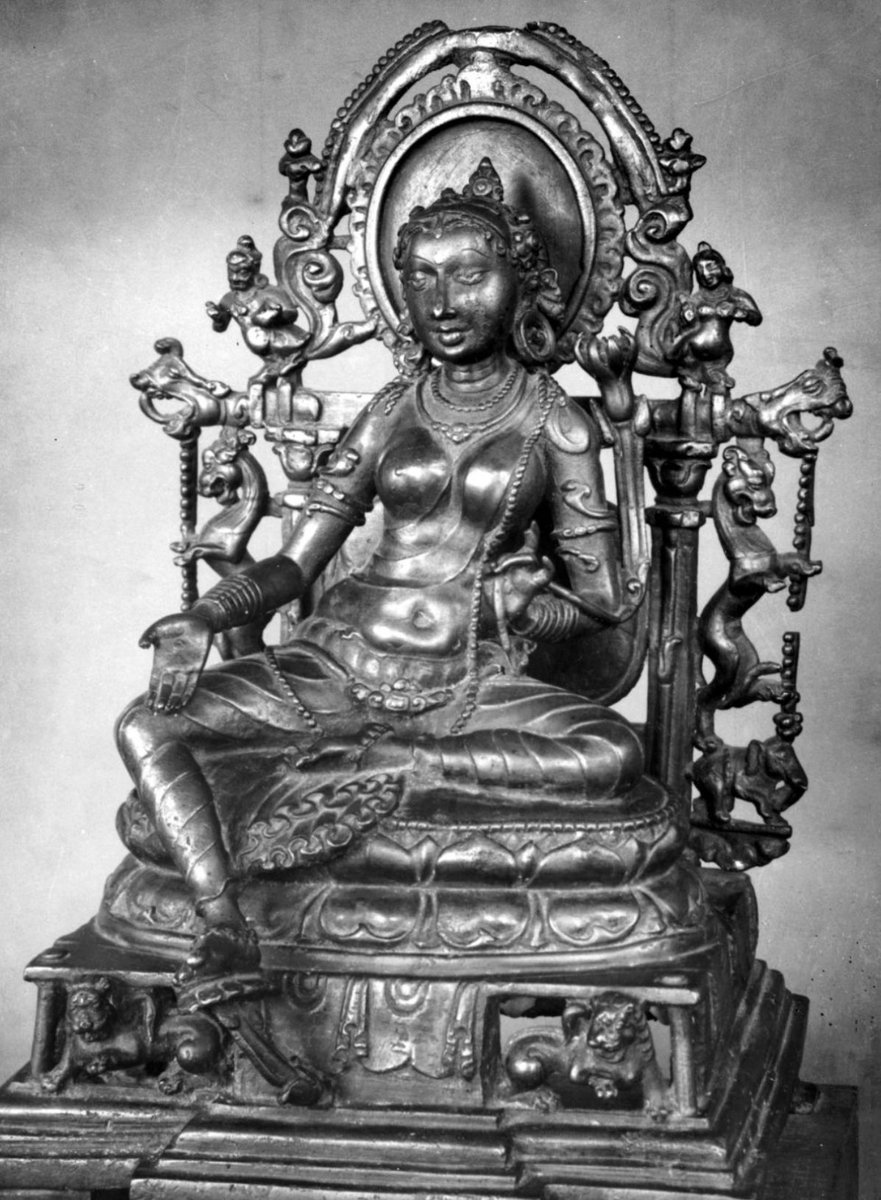
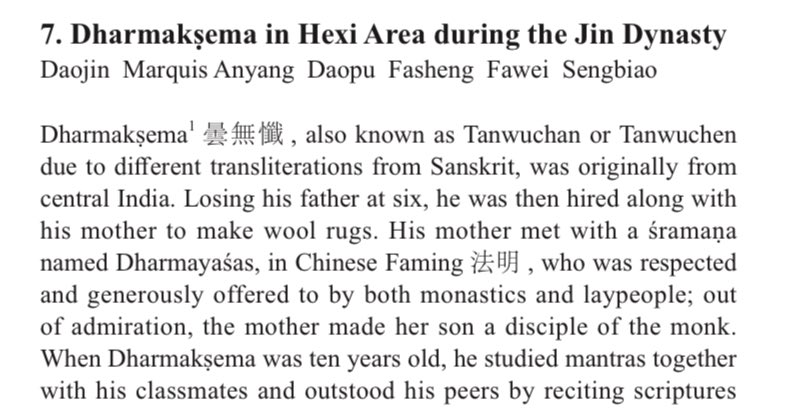
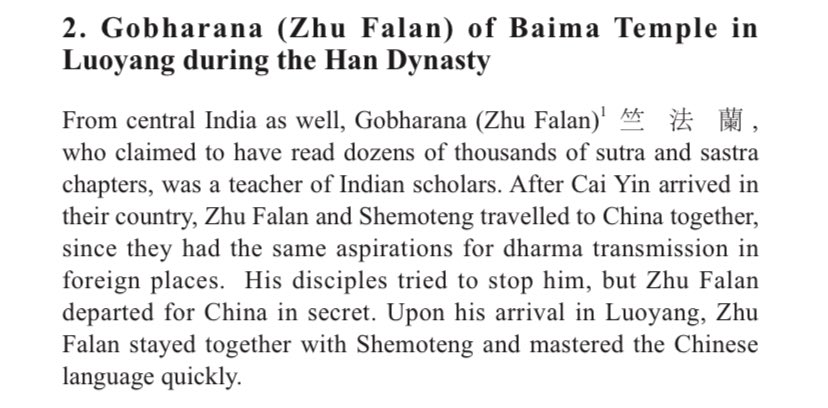
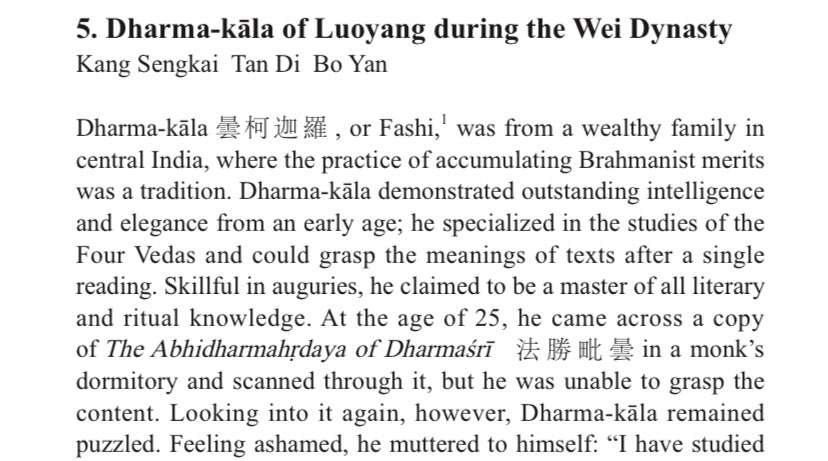
Many “Central Indian” (which included Bihar) intellectuals seem to have worked in the courts of various Chinese dynasties.
The “Memoirs of Eminent Monks” is a 6th-century CE Chinese work detailing the biographies of intellectuals who have stayed at the Chinese court.
The Tibetan pilgrim, Chokyi Zangpo, travelled to Bihar in the 12th century.
The journey into the region seems to have been quite perilous although it was worth it for the pilgrims.
Prabodhachandrodaya is a political drama composed during the reign of Kirttivarman Chandela by his court poet Krishna Mishra who was a Brahmin from Mithila. The protagonist of the play is Gopala who was the Amatya of Kirttivarman and defeated the Kalachuris on his behalf. However, the exact identity of Gopala remains a matter of debate.
However, the Garhwa Ram temple inscription that I discovered in December 2024 offers a great clue. It credits Vatsaraja of the Srivastava lineage for the Chandela conquest in the east against Kalachuris. He was the Chief minister and the Senapati of the Chandela king. It is highly plausible that Vatsaraja is in fact Gopala of the drama Prabodhachandrodaya. 1/2
Today, I requested Bihar Museum DG Anjani Kumar Singh sir, who's also the Advisor to the CM, for the relocation of the Rampurva Lion Capital from the Indian Museum in Kolkata to the @Bihar_Museum.
He not only supported it but suggested that he believes the management of key sites in Bihar, esp Rampurva, where two Ashoka Pillars are currently on the ground, should be transferred from the ASI to the Govt of Bihar for better management and preservation.
The origin story of the Licchavis states that they were born from the Queen of Varanasi who discarded a lump of flesh which subsequently split into a boy and girl who were raised by ascetics and cowherds.
The boy and the girl married each other thus forming the Licchavi lineage.
@xtishxy The Nāyas of Vaishali (Mahavira’s tribe) were indeed following Parsva but the Licchavis seemed to have followed all 3 religions that is Jainism, Buddhism and the Vedic religion.
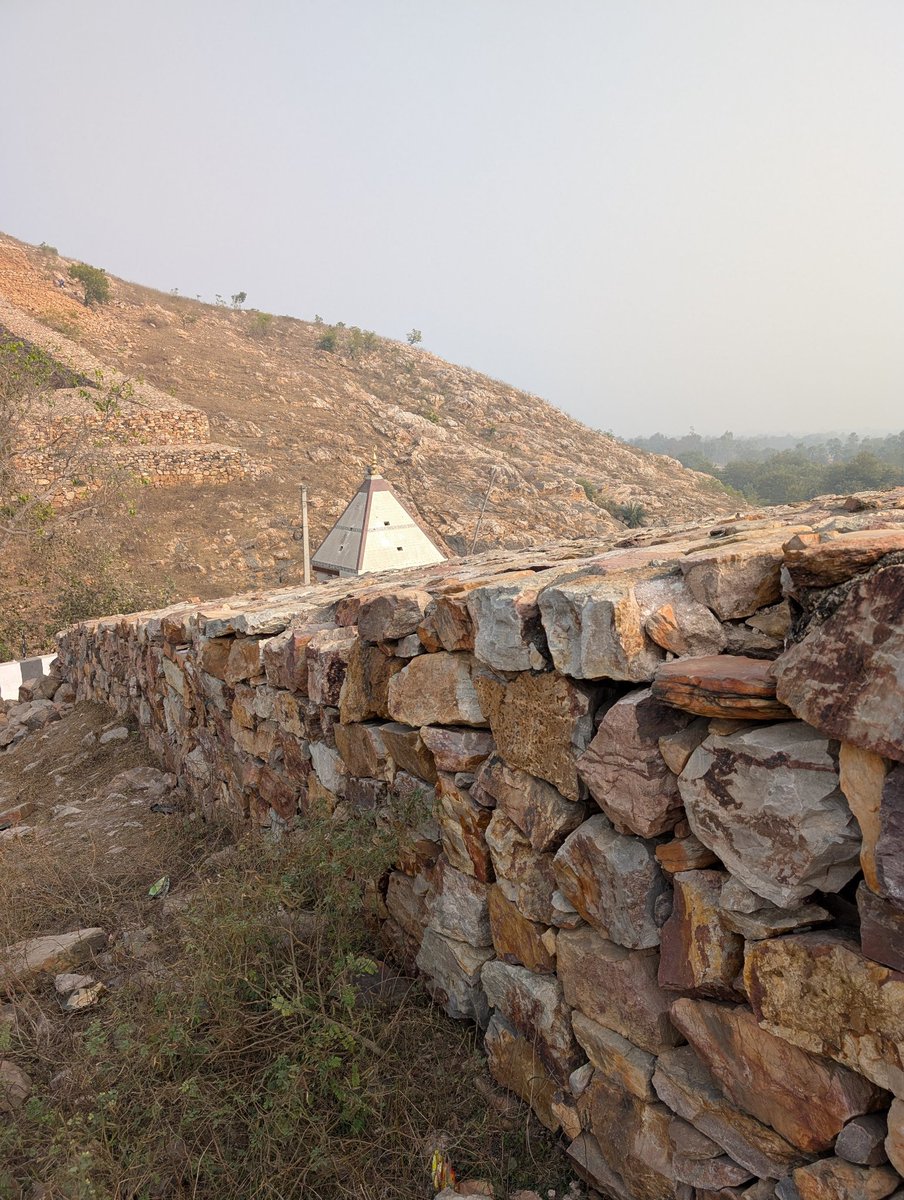
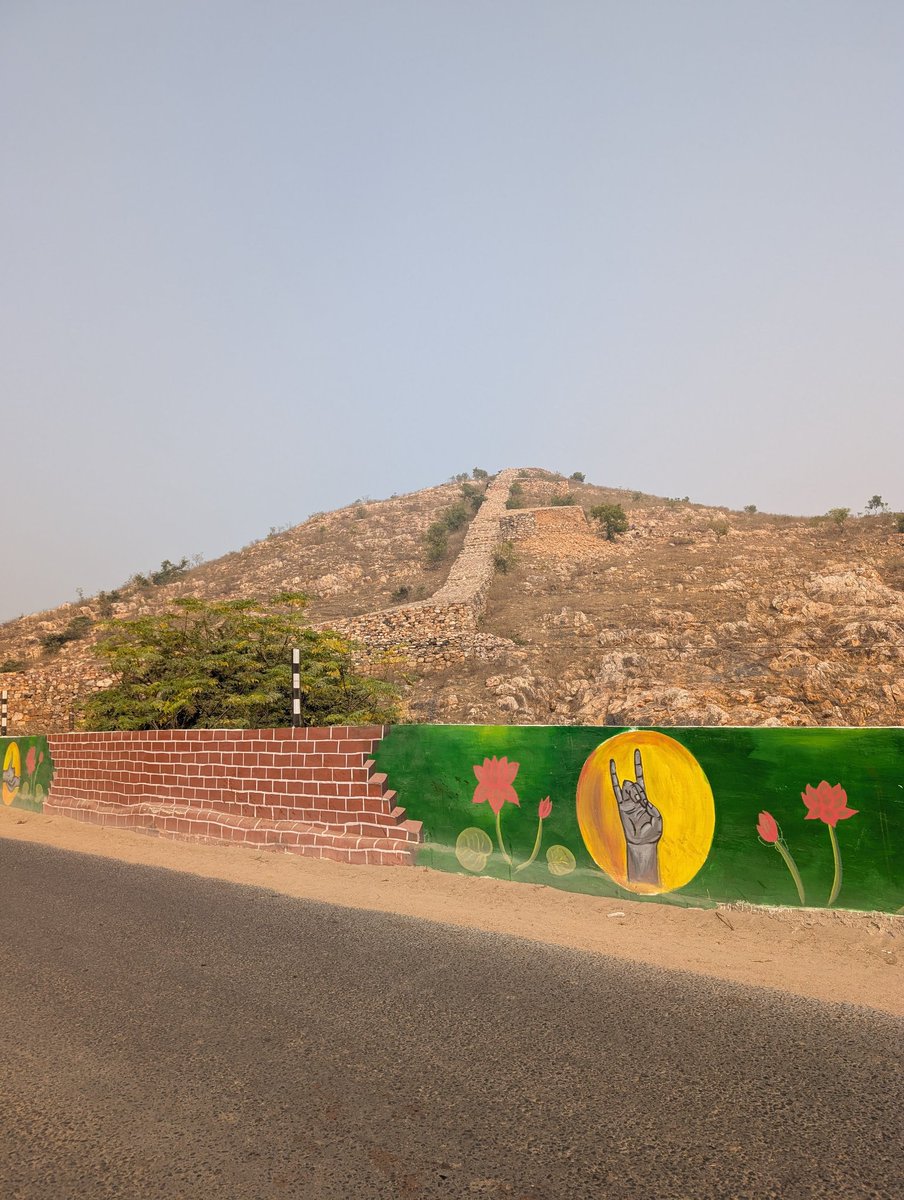
The great Cyclopean Wall of Rajgir, 40 km (25 mi) long wall of stone which encircled the ancient city of Rajgriha.
Built around the 6th century BCE by early Magadhan rulers during the Mahajanapada period.
"Born in Patna, India, in 1759 into a Muslim family, Mahomed began his career in the army of the British East India Company where he served until 1782. He left to accompany his friend and commanding officer to Ireland where he met and married a local woman, Jane Daly.
When the couple migrated to England, Mahomed was never short of ideas about how to make his living. In 1794 he published a book about India, The Travels of Dean Mahomet [Deen Muhammed], now regarded as the first work in English by an Indian author. He also opened a restaurant in London selling Indian food, the ‘Hindoostane Coffee House’ near Portman Square. Opening in 1810, this was the first Indian restaurant in Britain.
Unfortunately Mahomed’s restaurant was perhaps a little too ahead of its time and it fell into difficulty. However, his next career move was much more successful. Arriving in Brighton in 1814, at the height of the popularity of sea bathing, Mahomed promptly opened an indoor baths in Pool Valley on the seafront.
Mahomed’s Baths could be considered one of the first spa experiences. It was such a successful enterprise that many other indoor baths started to pop up in Brighton. Mahomed’s success didn’t go unnoticed, and he was appointed shampooing surgeon to kings George IV and William IV. He treated both kings in the nearby Royal Pavilion."
https://t.co/sTBTRDFCvQ
Ruins in Vaishali known locally as “Raja Vishal ke garh” (Fort of Raja Vishal).
Most historians have dated it to the 6th/5th centuries BCE during the time of the Licchavis and the Vajjika League.











![JAJafri's tweet photo. "Born in Patna, India, in 1759 into a Muslim family, Mahomed began his career in the army of the British East India Company where he served until 1782. He left to accompany his friend and commanding officer to Ireland where he met and married a local woman, Jane Daly.
When the couple migrated to England, Mahomed was never short of ideas about how to make his living. In 1794 he published a book about India, The Travels of Dean Mahomet [Deen Muhammed], now regarded as the first work in English by an Indian author. He also opened a restaurant in London selling Indian food, the ‘Hindoostane Coffee House’ near Portman Square. Opening in 1810, this was the first Indian restaurant in Britain.
Unfortunately Mahomed’s restaurant was perhaps a little too ahead of its time and it fell into difficulty. However, his next career move was much more successful. Arriving in Brighton in 1814, at the height of the popularity of sea bathing, Mahomed promptly opened an indoor baths in Pool Valley on the seafront.
Mahomed’s Baths could be considered one of the first spa experiences. It was such a successful enterprise that many other indoor baths started to pop up in Brighton. Mahomed’s success didn’t go unnoticed, and he was appointed shampooing surgeon to kings George IV and William IV. He treated both kings in the nearby Royal Pavilion."
https://t.co/sTBTRDFCvQ](https://pbs.twimg.com/media/Gx_8SyWWkAAMUBq.jpg)