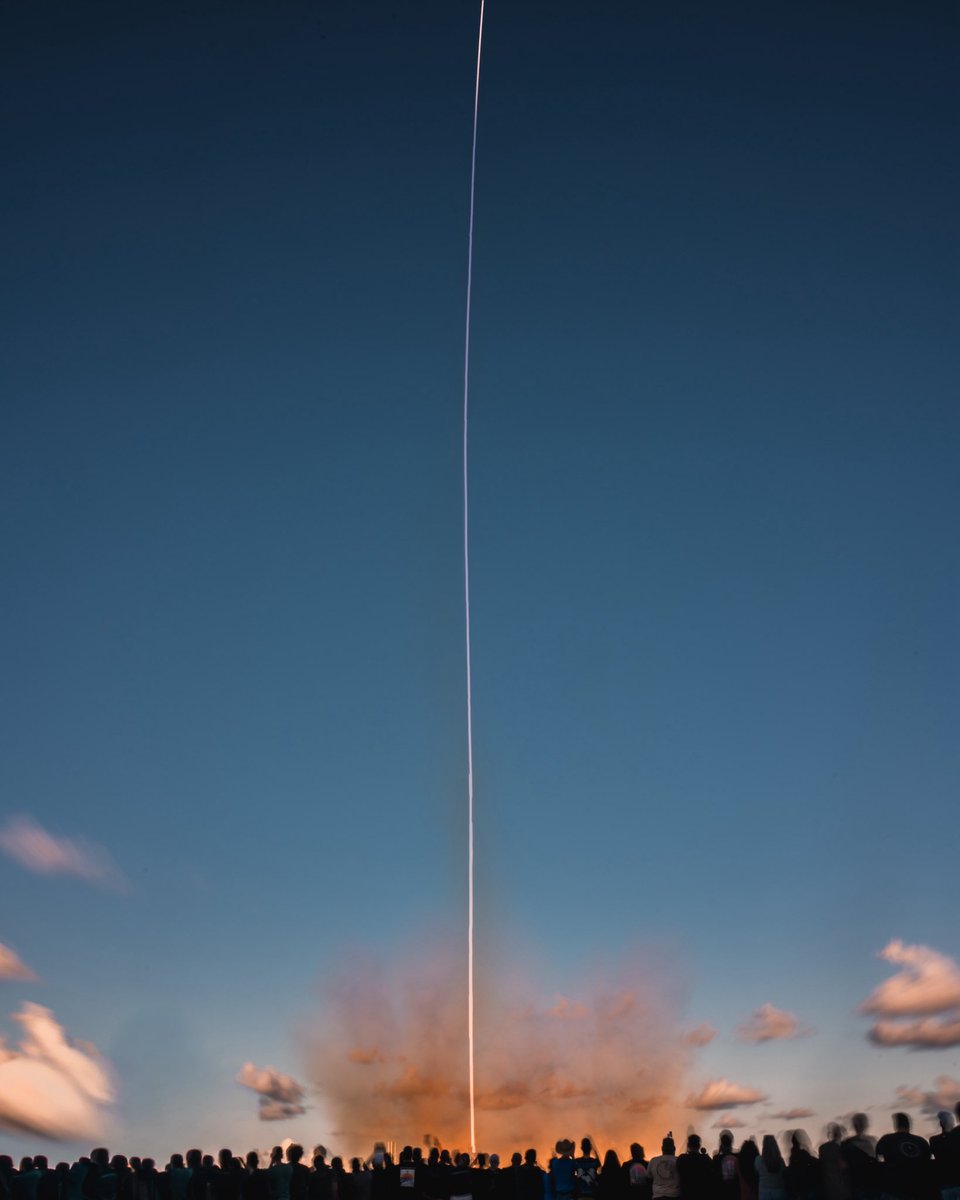
This is probably the best look at the shockwaves I’ve seen from the latest Starship flight.
Captured from a GoPro I clamped onto a proper camera to record simultaneous video. (I’ll show you the photo the better camera took in the reply)
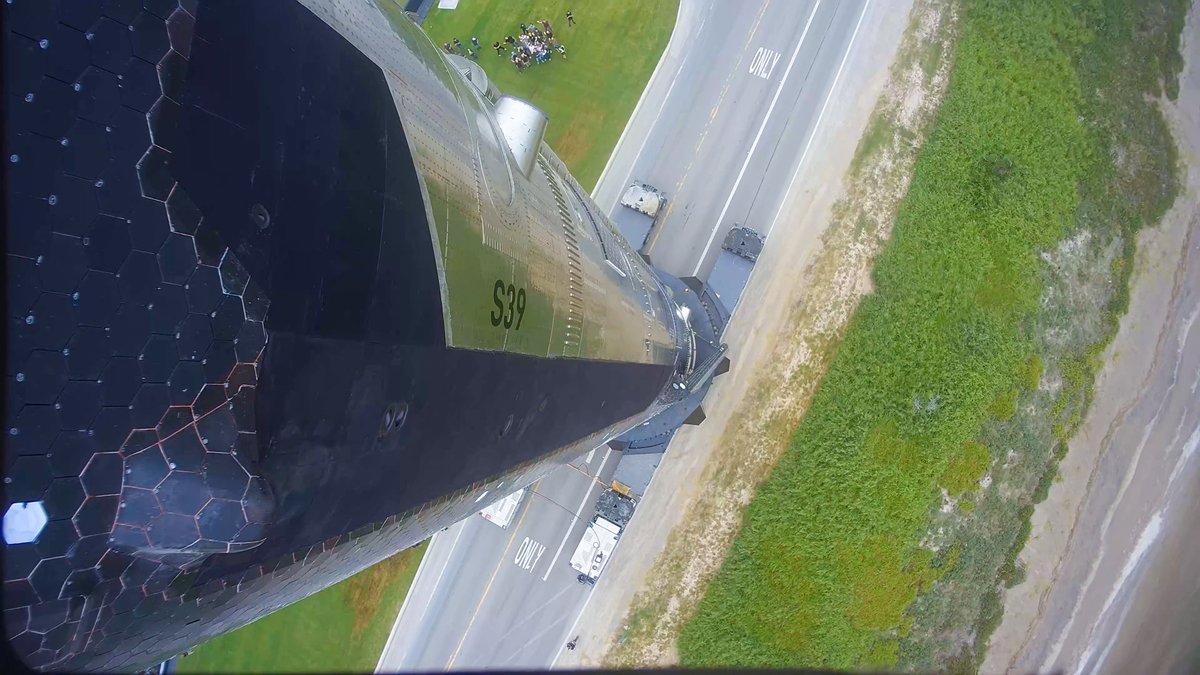
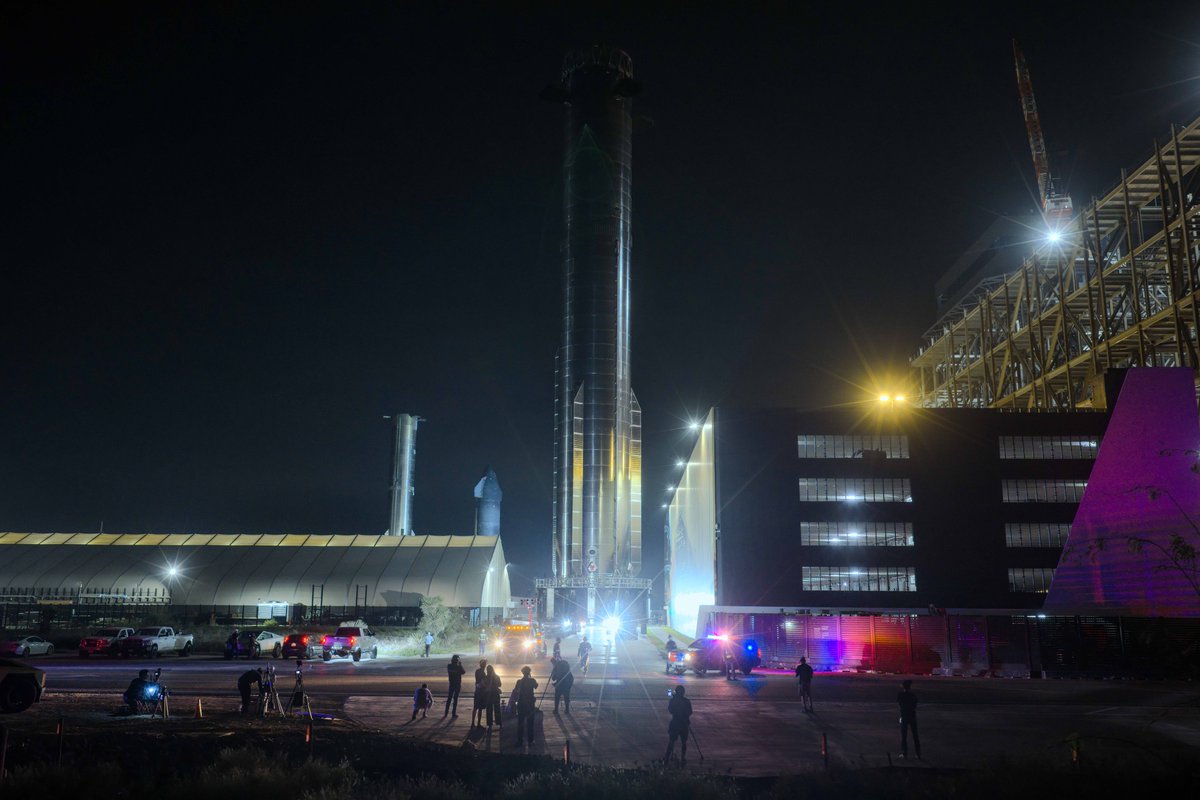
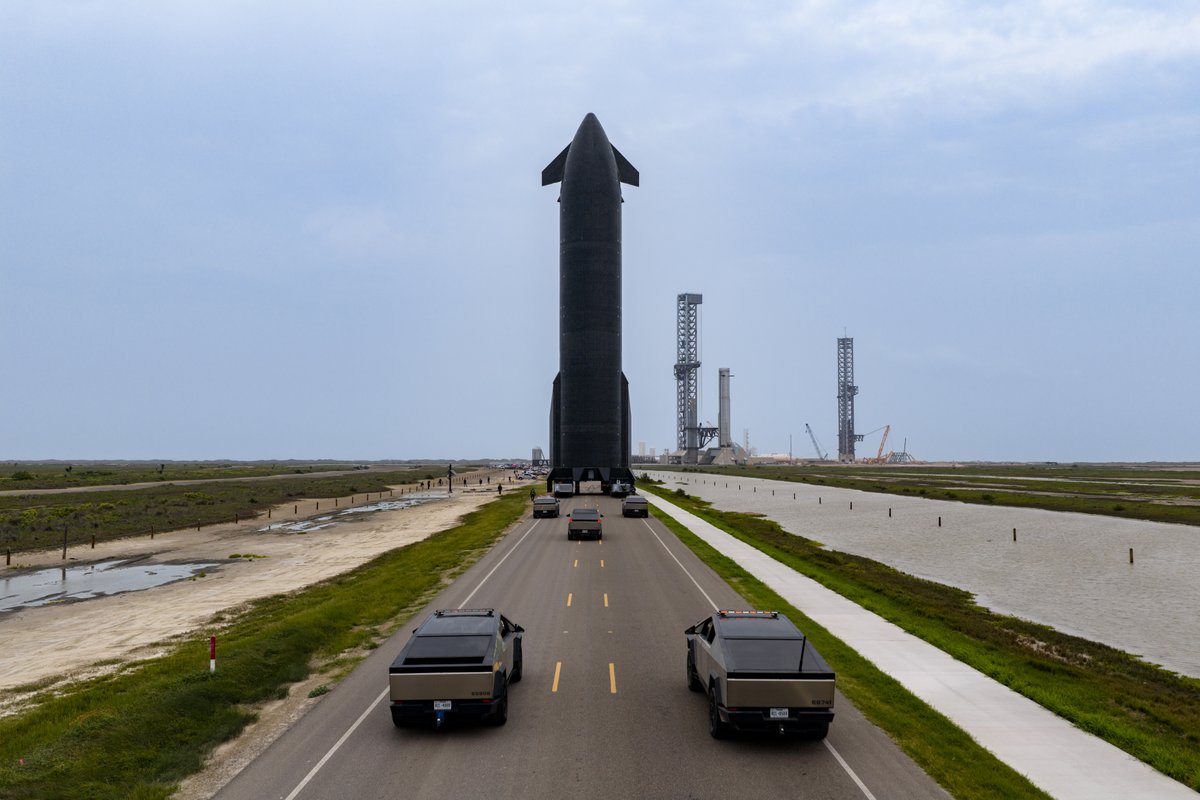
Point of view. You’re sitting at your desk going through what feels like a never ending backlog of email when suddenly everyone around you gets up from their desk to go to the windows. Because there is a Starship driving its way down the road. 5 minutes later, everyone’s back at their desk working. Fast forward a few hours and the same thing happens again except this time it’s a colossal booster quietly rolling down the street. Only at Starbase.
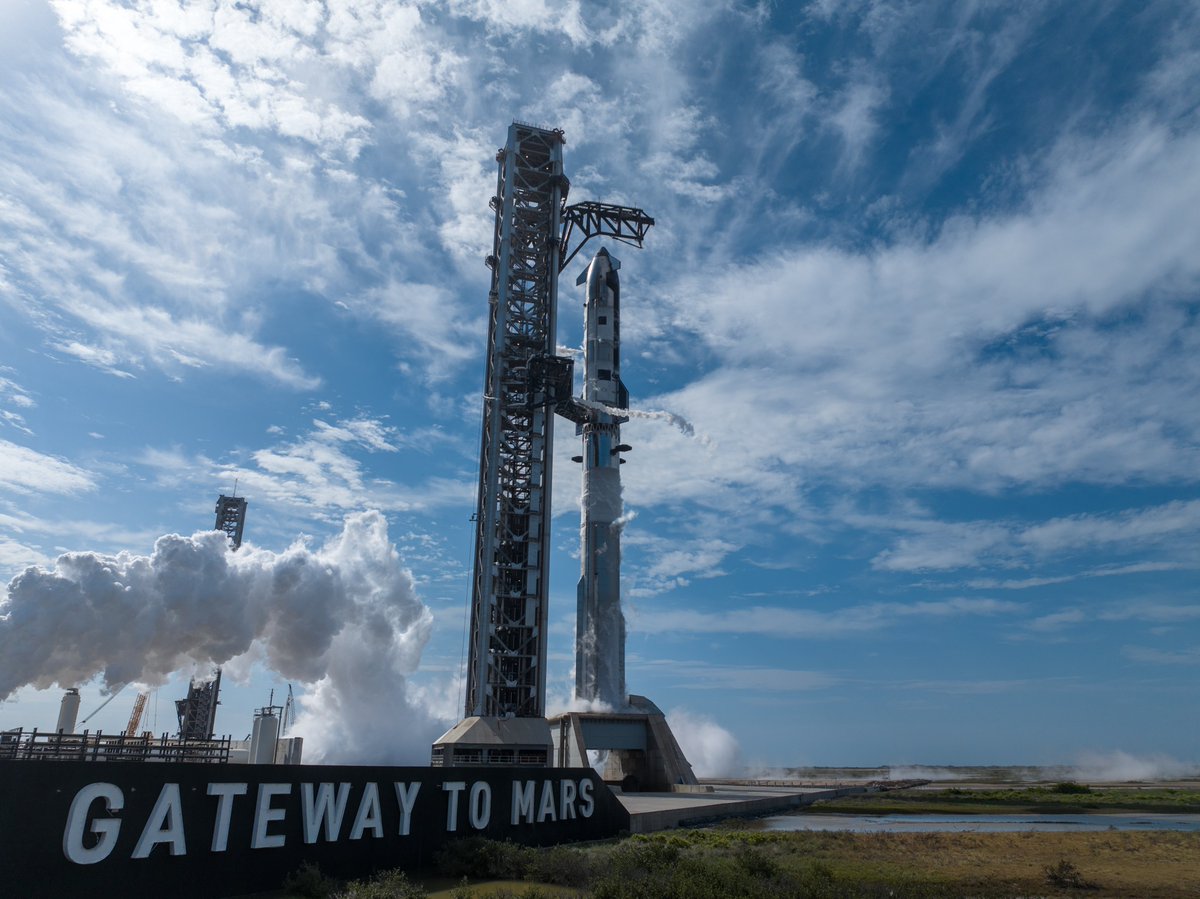
Launch rehearsal complete. During a flight-like countdown, more than 5,000 metric tonnes (11+ million pounds) of propellant were loaded on the fully stacked Starship and Super Heavy V3 vehicles for the first time
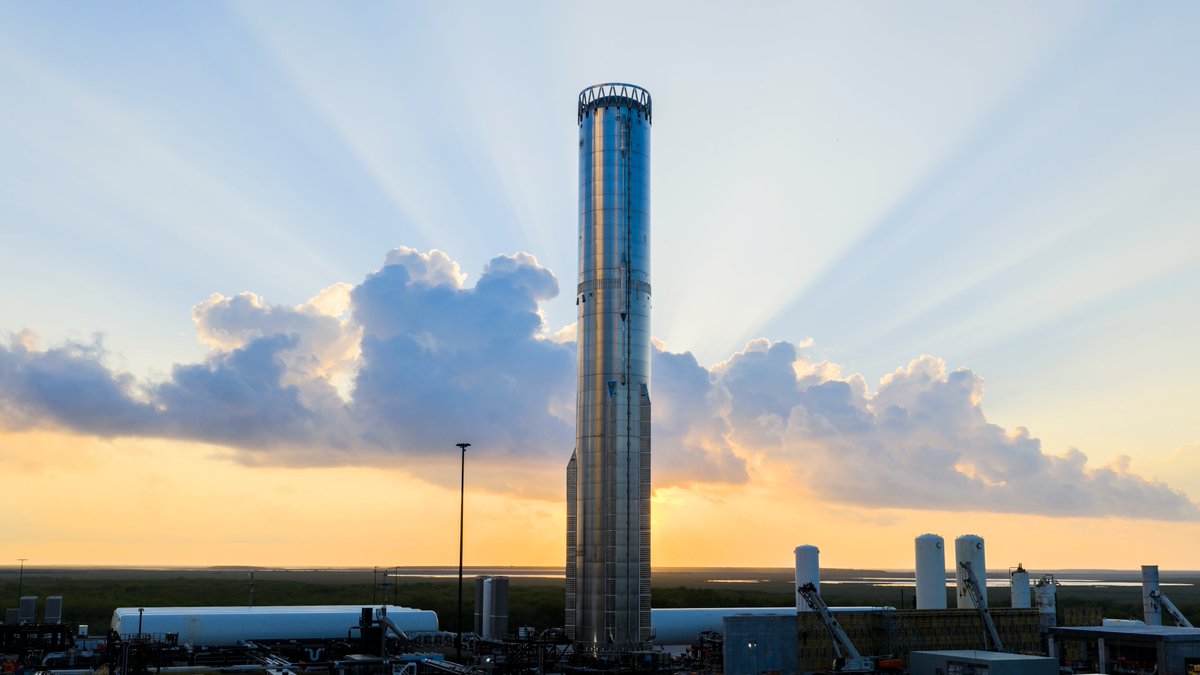
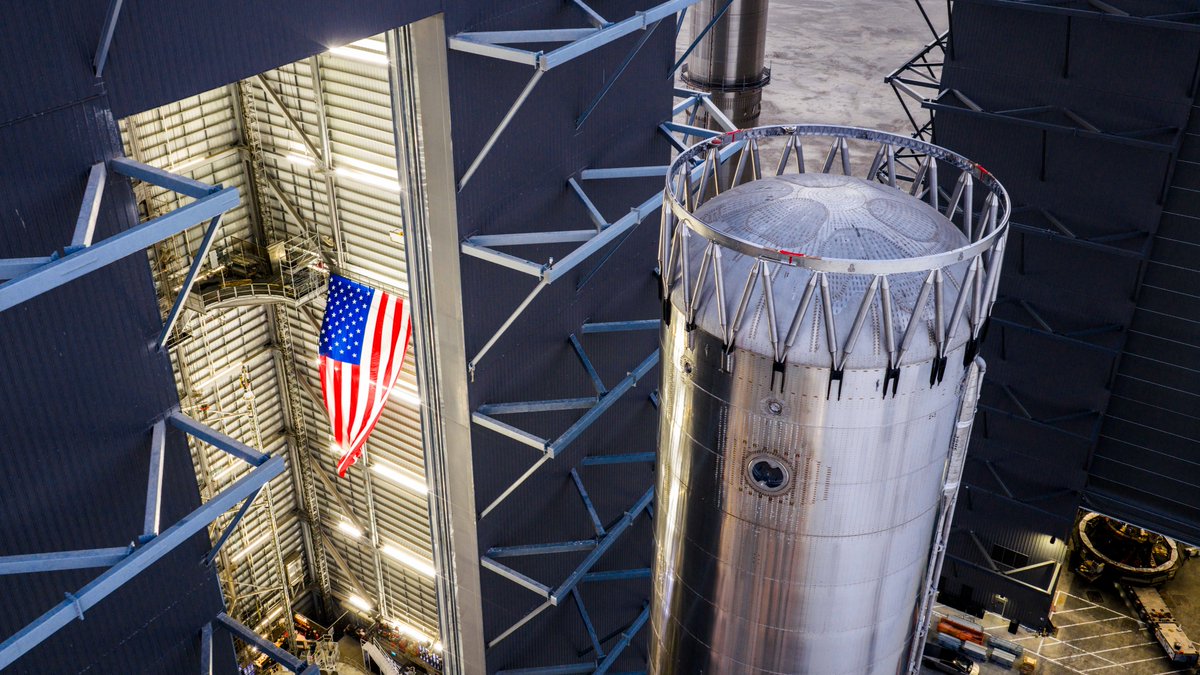
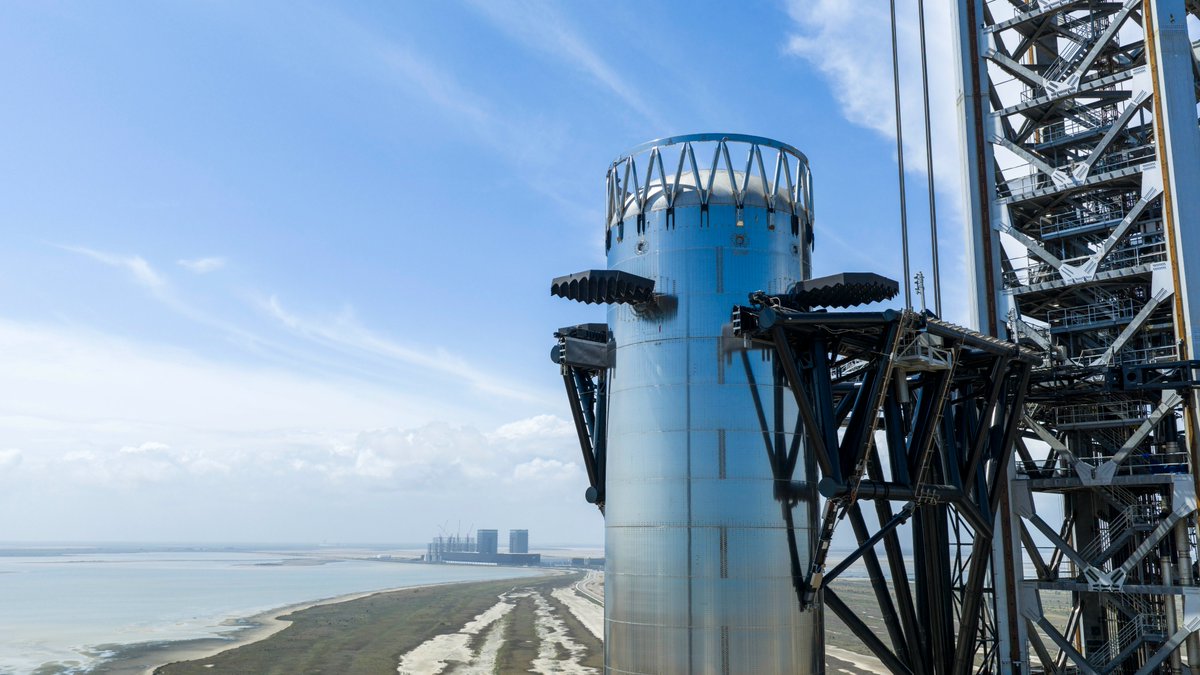
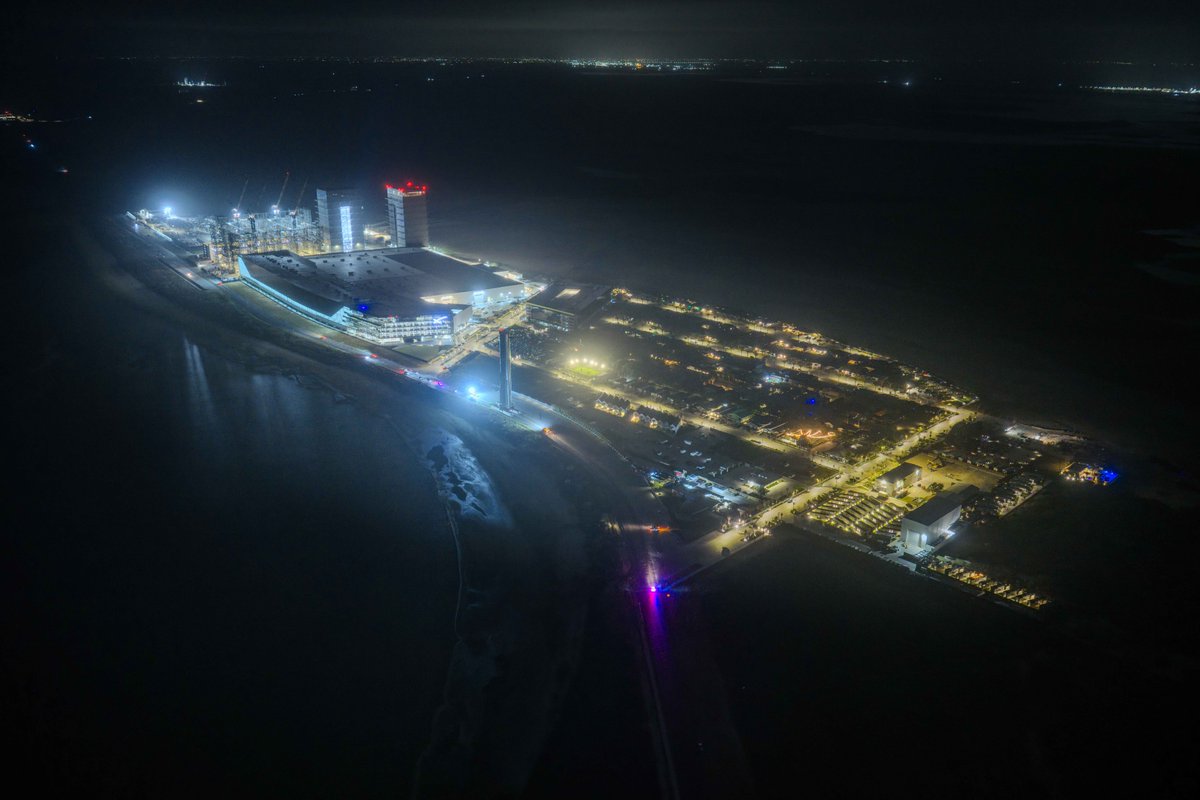
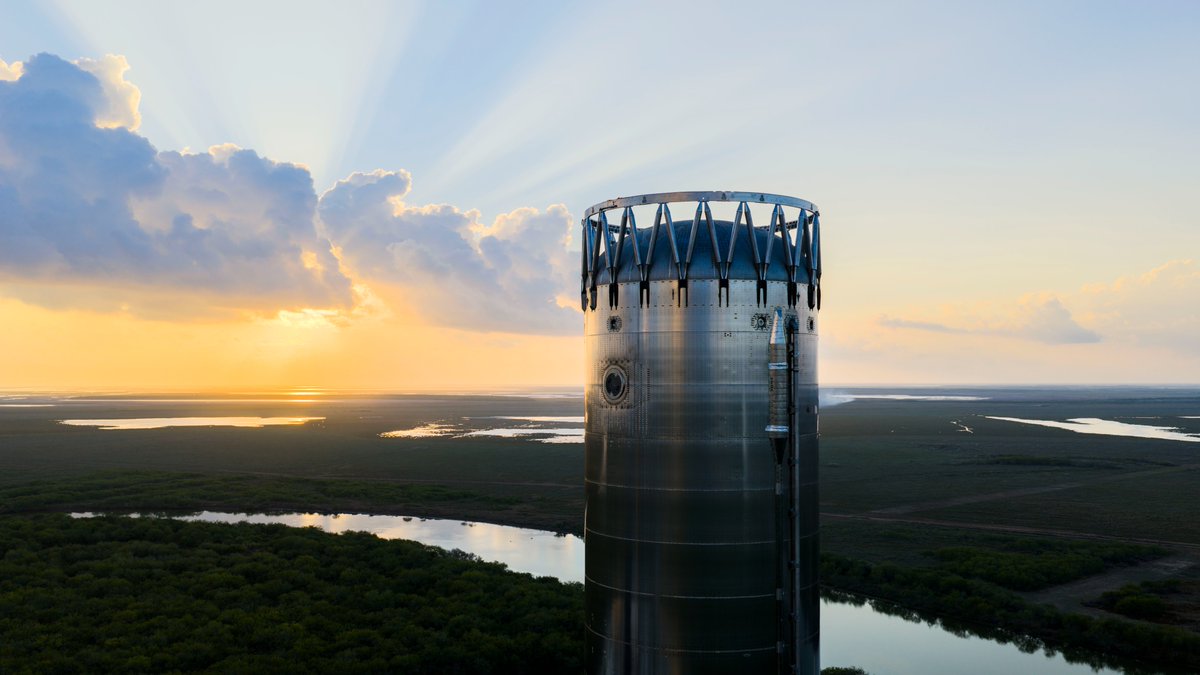
Three years since the first flight of Starship, the next generation is here. New ship. New booster. New engines. New pad and new test site. SpaceX engineers are working to solve one of the most difficult engineering challenges in history: developing a fully, rapidly reusable rocket
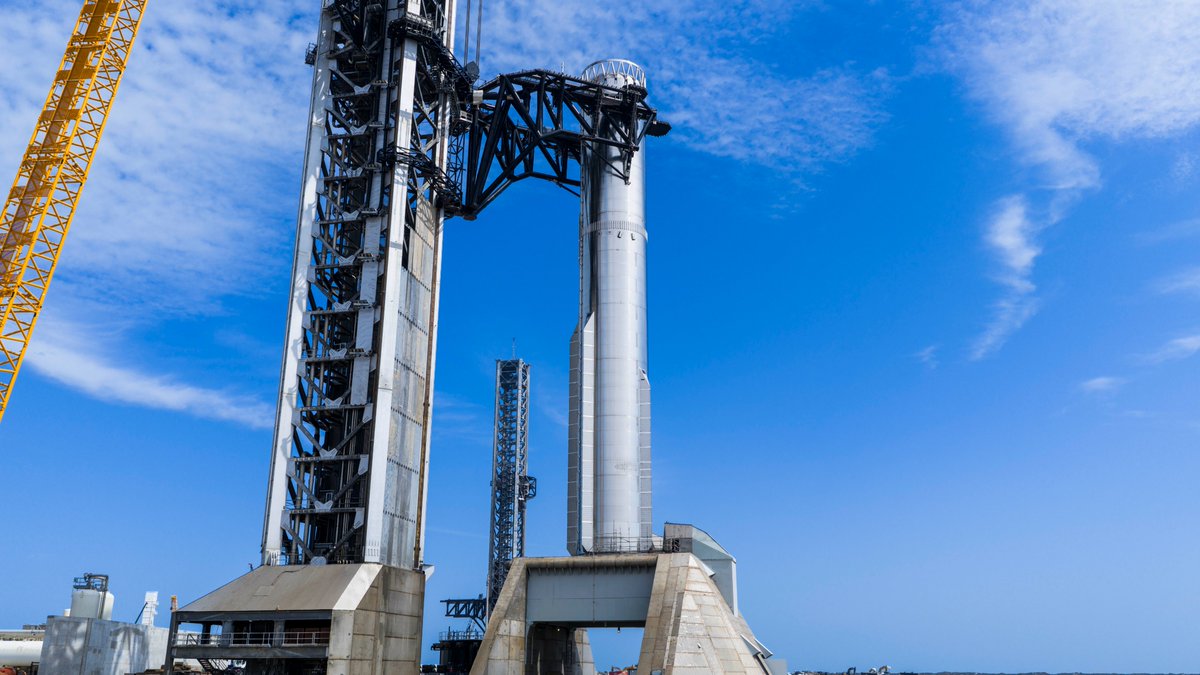
Over the coming days, we’ll conduct a series of tests to activate Pad 2 at Starbase, exercise new propellant loading operations, and operate a vehicle with new Raptor 3 engines installed for the first time
Booster 18, the first Super Heavy V3, is beginning prelaunch testing. The first operations will test the booster's redesigned propellant systems and its structural strength
After stage separation, Super Heavy flipped in a controlled direction for the first time. This maneuver requires less propellant to be held in reserve and enables additional payload mass to orbit
Static fire of the Super Heavy preparing to launch Starship's ninth flight test. This booster previously launched and returned on Flight 7 and 29 of its 33 Raptor engines are flight proven
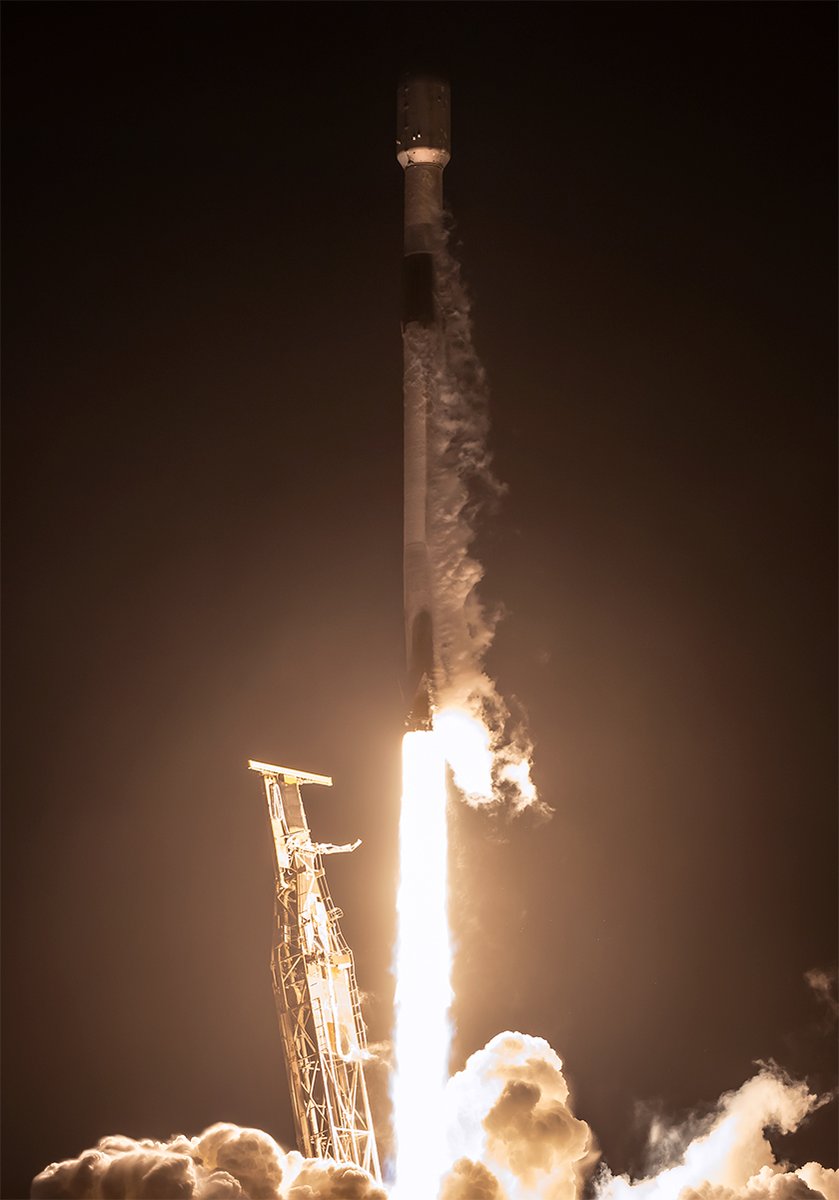
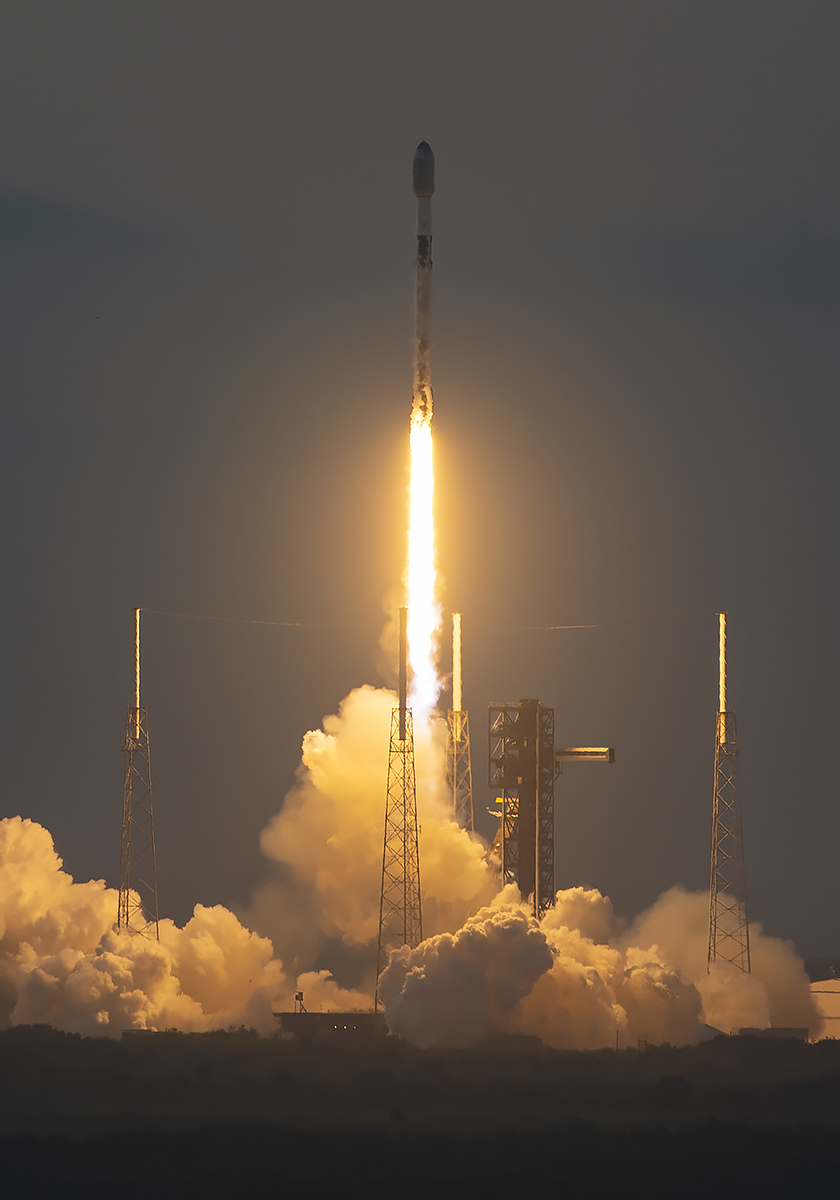
Falcon 9 completes three missions in ~13 hours, launching four astronauts to the @space_station, 74 rideshare payloads to orbit, and adding 23 @Starlink satellites to the constellation