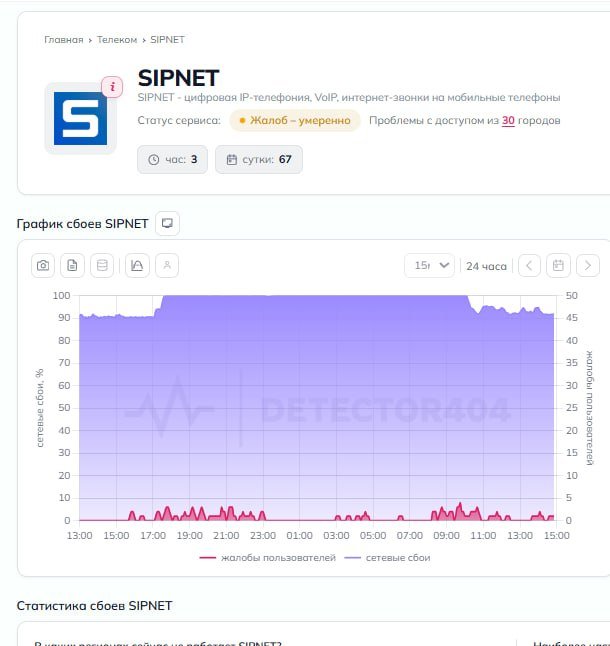
From Sept 21–26, we targeted the VoIP systems of Russian telecoms SIPNET, Rosintek & DK Svyaz.
Peak attacks caused service outages across 30+ cities, 100% network failure rates, and total downtime confirmed by operators.
https://t.co/taps5sywbv
From Sept 8–10, 2026, we launched an attack on Kaliningrad internet provider "Tis-Dialog" (https://t.co/eGcQ1nyUSv), throwing its fiber network into complete chaos. Failure rates peaked near 100% across 33–34 cities, as confirmed by open monitoring.
https://t.co/SkrFIvk1Lj
From Sept 18–20, Cyber Corps disrupted Russia's election infrastructure, targeting Gosuslugi, the Central Election Commission's DEG platform, https://t.co/zOA19t0IMS, telecom networks, & United Russia systems—proving their "digital elections" are an illusion.
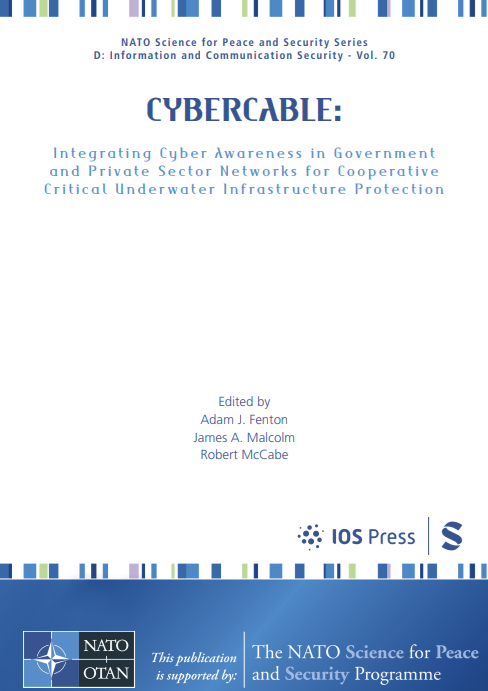
Recently published, with a set of papers that addresss cyber situations in the complete cable ecosystem (landing stations, power systems, network management, maritime surveillance, telco, repair capabilities, ec.)
https://t.co/8CKHnmeoWz
Internet voting system in Russia may allow privileged users to falsify/rig election results by importing altered vote totals. It just checks if a signature file is present, without verifying that the signature being valid or matching the XML file. As a result, a manipulated result could be accepted as authenticated and included in the final count.
🇮🇷 According to the Head of Cyber Security for the UAE Government - "Whenever we see a kinetic attack on any of the ports or on any refineries or the airport, there is always a cyberattack towards many of those entities"
https://t.co/jJUtTta7Qq
Cyber Corps conducted a week-long "carpet" DDoS attack from Aug 31 to Sep 6 against 6 key Moscow ISPs, crashing services for VNet & GranLine. While their military retreats in Ukraine, their capital's internet remains unprotected.
https://t.co/D3dYB6CIGZ
🇷🇺 According to the leaks, the russian secretive Department No. 4 of Bauman University functions as a military cyber force-generation pipeline. Something like a "GRU hacker school". The curriculum combines offensive and defensive cyber.
The first three things that spring to mind:
▪️Russia appears to be training a substantial body of personnel for integrating cyber effects into military planning from the scale of the Information-Technical Effects programme. This is interesting since these are no groups of IT experts operating in isolation, struggling to integrate tactical and operational aspects.
▪️On the other hand, and from a purely academic point of view, it seems to be a good programme, with a clear progression of students into operational roles
▪️This type of structure raises dilemmas when it comes to justifying strategic fires. To what extent does the legality of war justify a UA attack on these facilities?
https://t.co/rBgwPiyjqS
CyberCorps: Successful cyberattack hit Russia’s Promsvyazbank (PSB), disrupting its website, app, payments, transfers and business services. https://t.co/tnzQ1Vfo14
Cyber Corps
Aug. 25 attack disrupted Russian delivery giant SDEK: https://t.co/5gDb6wg27s is erratic, the app crashes, accounts are inaccessible, and package processing is hampered nationwide. Customers report outages lasting hours.
Cyber Corps:
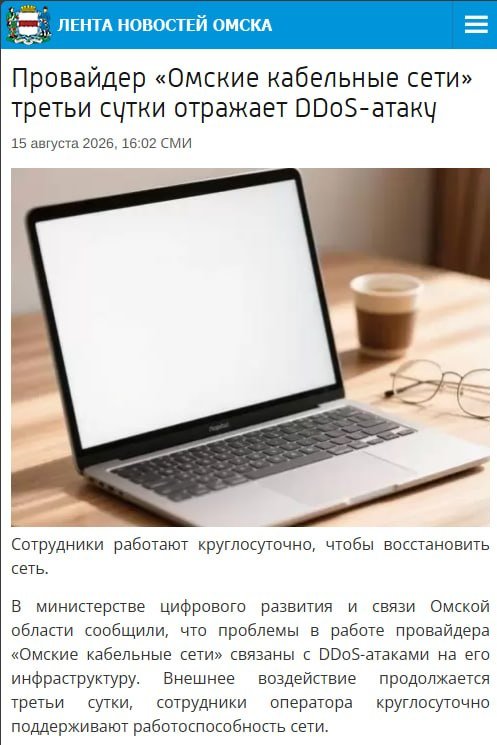
5-day attack on Omskie Kabelnye Seti disrupted telecom services across Omsk, despite Russian government efforts to restore operations. The group claims widespread outages affected residents and neighboring providers.
https://t.co/klBOcB2Tqj
@AltroAnon I hope you'll be able to return home soon.
Being in the hospital long term is no fun..I've been there as well.
Wishing you all the best.
Hang tough.