MBChB, FRCS Edin, Associate Professor of Orthopaedics Queens University. Specialist interest includes arthroplasty, revision hip and knee and hip arthroscopy.
rTKA & THA places major mental and physical workload upon surgeons and are disproportionately compensated by CMS. They would need to be compensated by an additional 36% (rTKA) and 12.3% (rTHA), respectively.
https://t.co/P62OuGpzNn
💉PRP vs. Corticosteroid for Knee Osteoarthritis: A Systematic Review of RCTs
An OE Original
Knee osteoarthritis is a pervasive condition, affecting as many as 1 in 6 adults. It is the most common cause of chronic pain and can lead to significant loss of function.
Intra-articular corticosteroids are commonly used for treating knee osteoarthritis. However, relief is usually short-term -- usually around 6 weeks.
Platelet-rich plasma (PRP) has been gaining momentum as an alternative approach. An up-to-date review of the randomized trials was needed to compare the efficacy of two injection therapies!
🏗️METHODS
We searched MEDLINE, EMBASE, CENTRAL, and the OE MIND database (up to 30 Oct 2022) for RCTs that compared PRP to corticosteroids in adult patients with knee osteoarthritis.
Pain, function, and adverse event outcomes were assessed.
GRADE assessments were performed to assess the quality of the evidence, and Minimal Clinically Important Differences (MCID) were applied to the respective outcomes to assess the magnitude of the effect.
🔎RESULTS
10 RCTs were identified! The results were interesting:
For Pain: PRP injection provided significantly better pain relief than corticosteroid injection at 3 and 6 months, however, this difference was not clinically meaningful.
For Function: PRP injection provided significantly better improvement in function than corticosteroid injection at 1-2 months, 6 months, and 12 months! However, again, the improvement was not clinically meaningful.
The pooled risk of adverse events was not significantly different between the two groups.
We've summarized the results of the pooled analyses, with an assessment of the certainty of the evidence as per GRADE. here:
Moreover, there was no difference in results when comparing single PRP injection vs. multiple PRP injection protocols
✅INTERPRETATION
PRP is associated with small improvements in pain and function compared to corticosteroids, but these differences didn't appear to be clinically meaningful.
Recreating popular and at-risk sexual positions following THA with a CT-based robotics system yielded results that were inconsistent with previous data. Resolving these discrepancies is crucial for surgeons to provide accurate postop patient education.
https://t.co/I4iwZrk5sb
A specialist-led care model is key to achieving the Quadruple Aim, which focuses on lowering the cost of care, improving patient outcomes, enhancing patient experience, and improving the work life of health care providers.
https://t.co/mDnQHaG53V
‘This is a crisis’ What will it take for governments to admit they have failed miserably? Time for major reforms and the recognition that our unique state run monopoly not only results in suffering, but is also killing patients.
https://t.co/QPUAgAHe2B https://t.co/qqBHbCiWfh
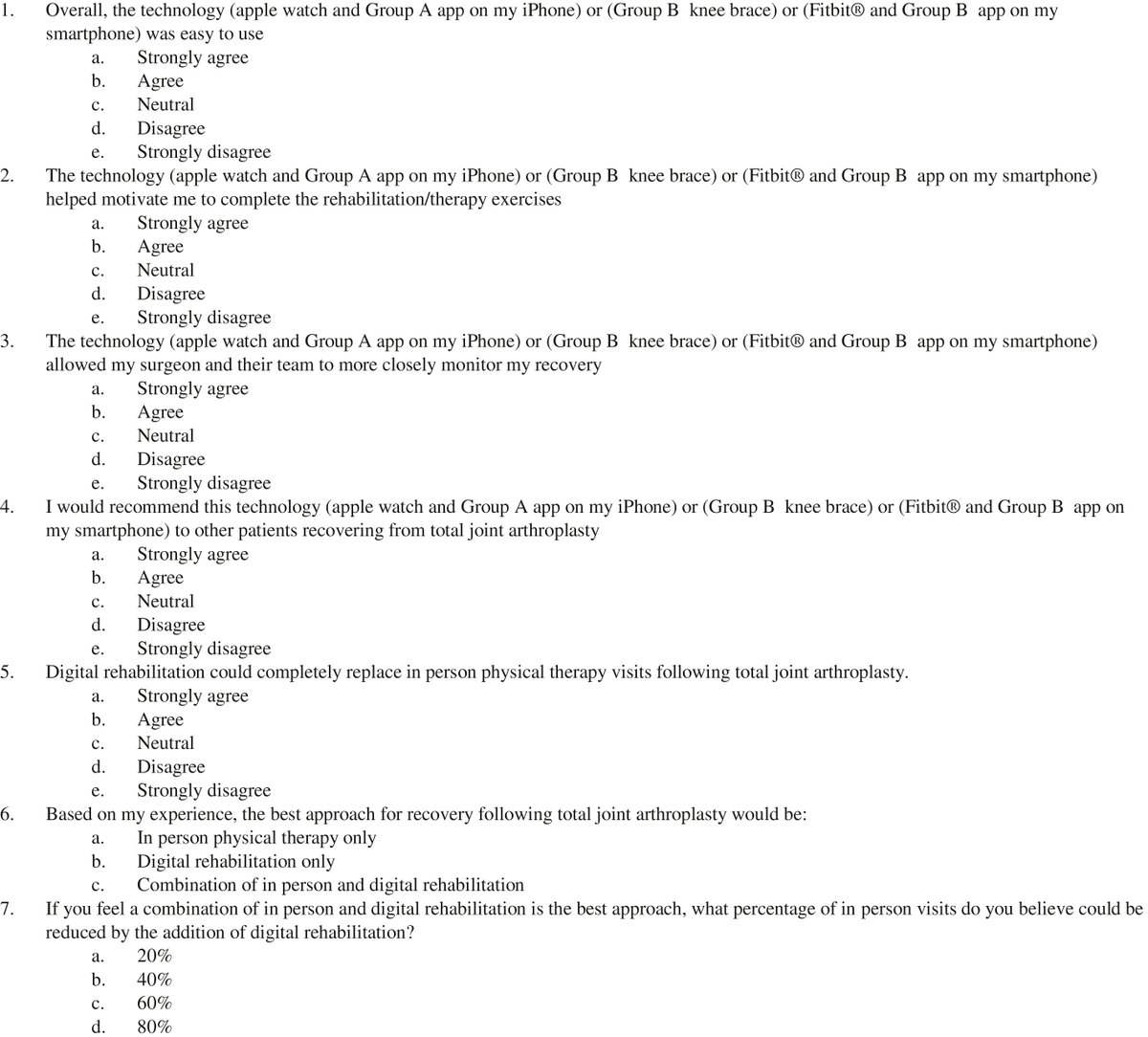
THA and TKA/UKA patients found remote monitoring rehabilitation easy to use, increased motivation, and recommended it to other patients. The THA patients felt these technologies could replace in-person rehabilitation programs.
Read more for free here:
https://t.co/8FN2jdBLkv
Instability is no longer the leading etiology of failure following #THA with a decline of approximately 40% over the past decade. PJI, ppfx, mechanical loosening, and then instability are now the leading causes of failure.
Read more for free here:
https://t.co/r97MsNg8Gx
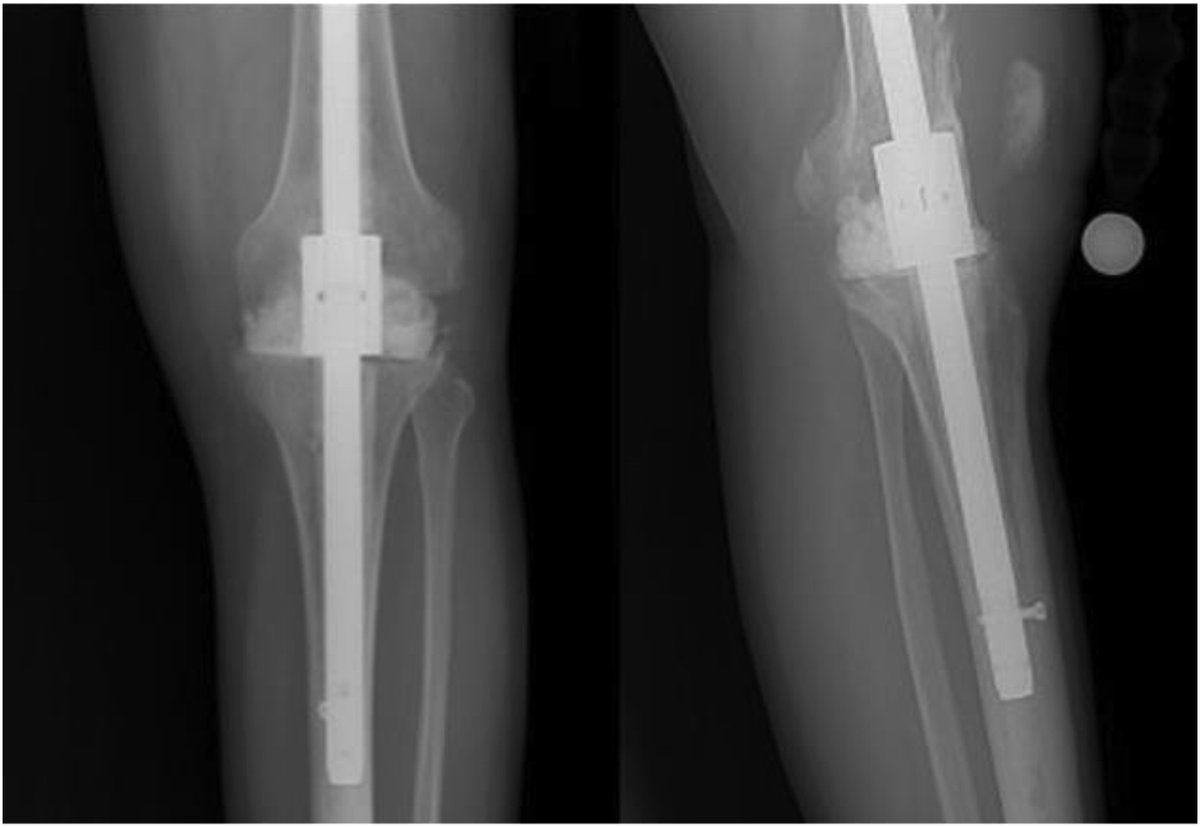
Within this cohort, infection eradication and spacer exchange rates were noninferior among #TKA spacers. Functional spacers may allow for earlier return to daily living compared to nonfunctional, without sacrificing outcome.
Read more for free here:
https://t.co/mHnZe023AN
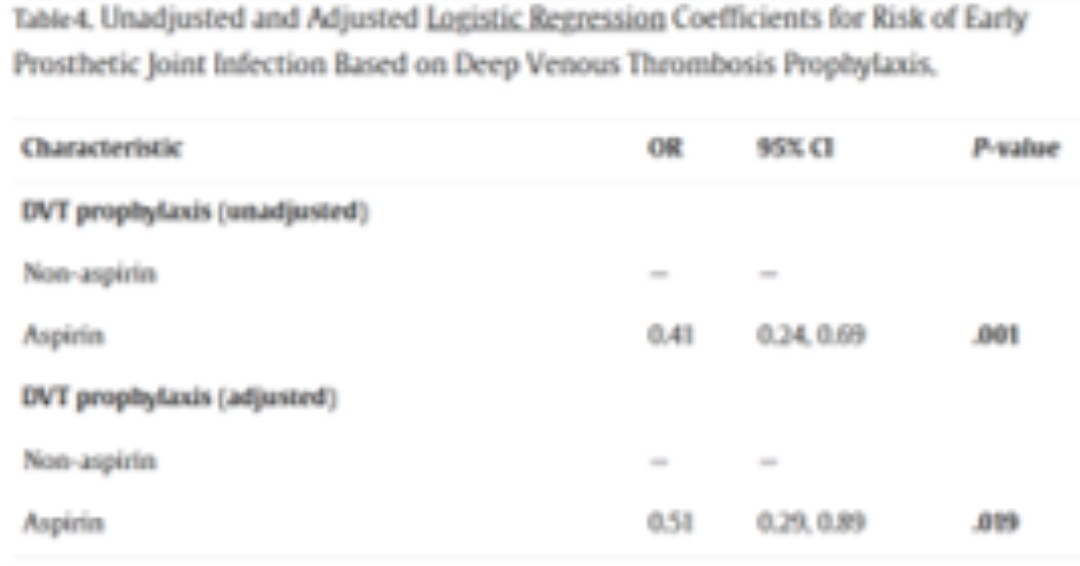
The use of ASA thromboprophylaxis following #TKA is independently associated with a lower rate of early #PJIs.
Read more for free here:
https://t.co/tH3UiZl80i
Cementless THA for FNF --> Dorr C bone was particularly prone with an alarmingly high fracture rate. Anyone surprised by this?
https://t.co/rgo2Jq5mXV
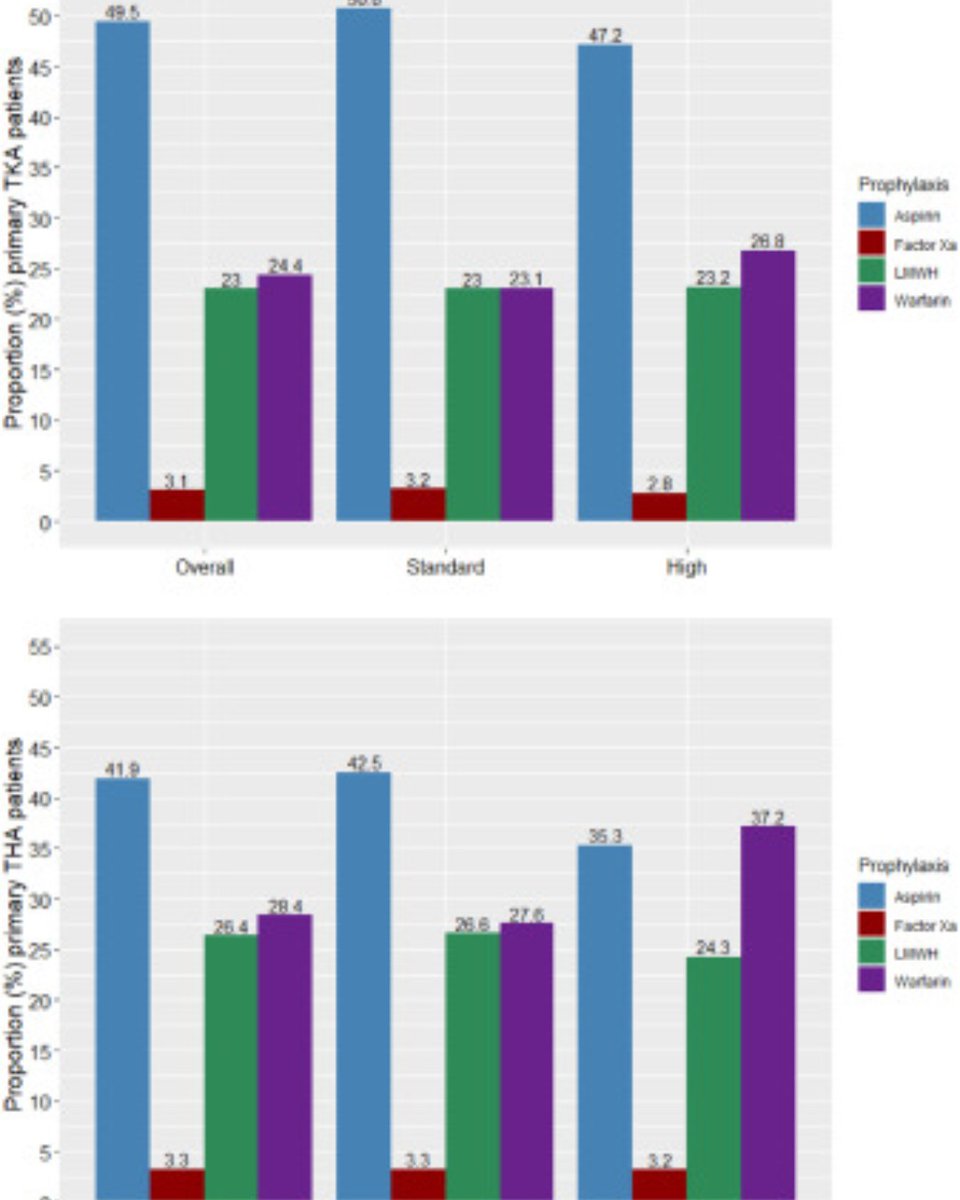
ASA was found to be effective and safe for VTE prevention in primary #TJA, including in patients considered higher risk for VTE.
Read more for free here:
https://t.co/ss10zSRZjP
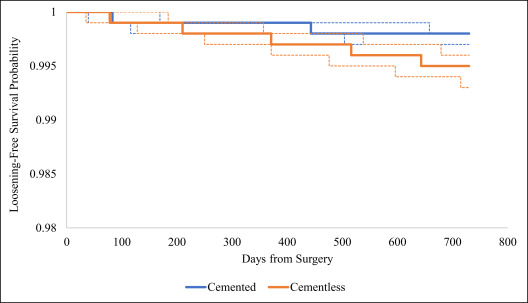
In this large national database, cementless fixation is an independent risk factor for aseptic loosening requiring revision and any reoperation within 2yrs after primary #TKA.
Read more for free here:
https://t.co/axIBrd0s2L
Delighted to see this hip replacement RCT in print. No mean feat to deliver in the context of the last few years. Huge thanks to all the participants and trial teams @EdinOrthopaedic and @GJOrthopaedics.
@gjmacpherson@MSKhealthGCU
https://t.co/gGa3RHqjk7
Synchronous PJIs are relatively rare, with an incidence between 2% and 5% of patients with PJI across several studies in the last five years.
#Infection#Arthroplasty#Diabetes#BJJ
https://t.co/TSmLNsLDFC
Very cool data out of the UK on PPFx!
Among other things, this data highlights how important it is to know your data source - Accolade 2 lower incidence of PPFx than Exeter cemented stems! @ExeterHipUnit
Survival model is helpful but doesn’t always tell the whole story.