Best destinations for solo female travel, 2024:
1.🇱🇰 Sri Lanka
2.🇵🇹 Portugal
3.🇨🇿 Czechia
4.🇯🇵 Japan
5.🇬🇹 Guatemala
6.🇻🇳 Vietnam
7.🇦🇺 Australia
8.🇬🇷 Greece
9.🇳🇿 New Zealand
According to timeout
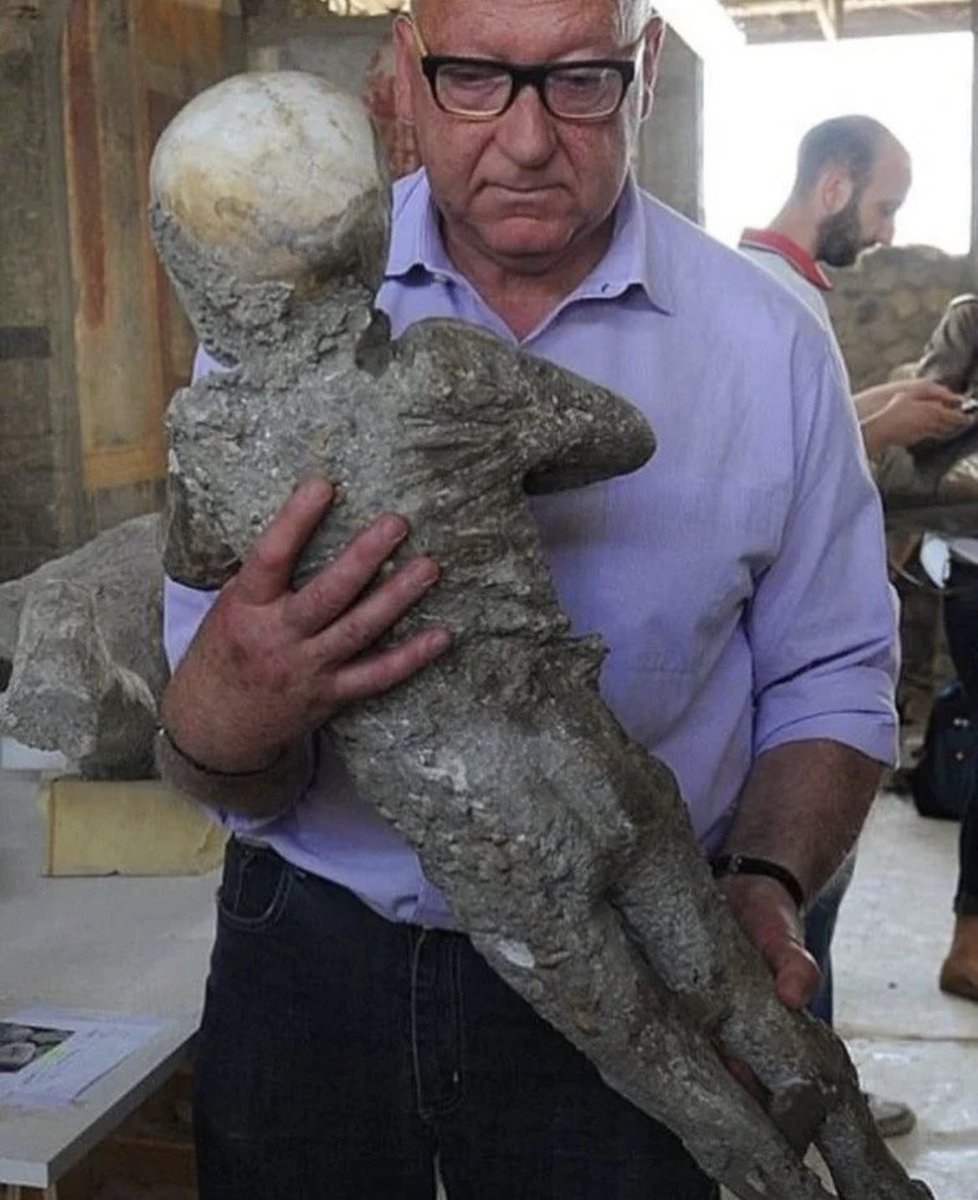
An archeologist carefully cradles a plaster cast of a child lost during Pompeii in his hands, feeling the weight of history and tragedy within it. The cast is a sad representation of the horrifying event that unfolded nearly two millennia ago in the ancient Roman town of Pompeii. Preserved in time by the catastrophic eruption of Mount Vesuvius, the cast captures the final moments of a child and their mother, forever frozen in a haunting embrace.
The eruption of Mount Vesuvius in 79 AD was a catastrophic event that shook the region and left an indelible mark on history. Pompeii, once a thriving city located near the Bay of Naples, was abruptly engulfed by a torrent of volcanic ash and debris. The city's inhabitants, going about their daily lives, were suddenly faced with a deadly cataclysm they could not escape.
The child, estimated to be just four years old, was among the countless victims of this disaster. As the volcano unleashed its fury, burying the town in a thick blanket of ash, the child found solace in the loving arms of their mother. The intense heat and toxic gases caused by the eruption quickly overwhelmed them, leading to their tragic demise. The child's plaster cast serves as a poignant reminder of the immense human suffering that unfolded during those fateful hours.
It is worth noting that the cause of death for most Pompeii residents was not direct contact with molten lava or volcanic bombs, but rather the suffocating ash and scorching temperatures that accompanied the eruption. As the ash cloud billowed into the sky, it descended upon the city, filling the air with fine particles that made breathing impossible. Many succumbed to asphyxiation, while others fell victim to the searing heat, which rapidly incinerated organic materials and caused widespread devastation.
Today, the ruins of Pompeii stand as a testament to the destructive power of nature and provide invaluable insights into the daily lives of ancient Romans. The plaster casts, meticulously created by pouring liquid plaster into the voids left by decomposed bodies, offer a haunting glimpse into the final moments of those who perished. They serve as a poignant reminder of the fragility of life and the transient nature of human civilization, urging us to reflect on the past and cherish the present.