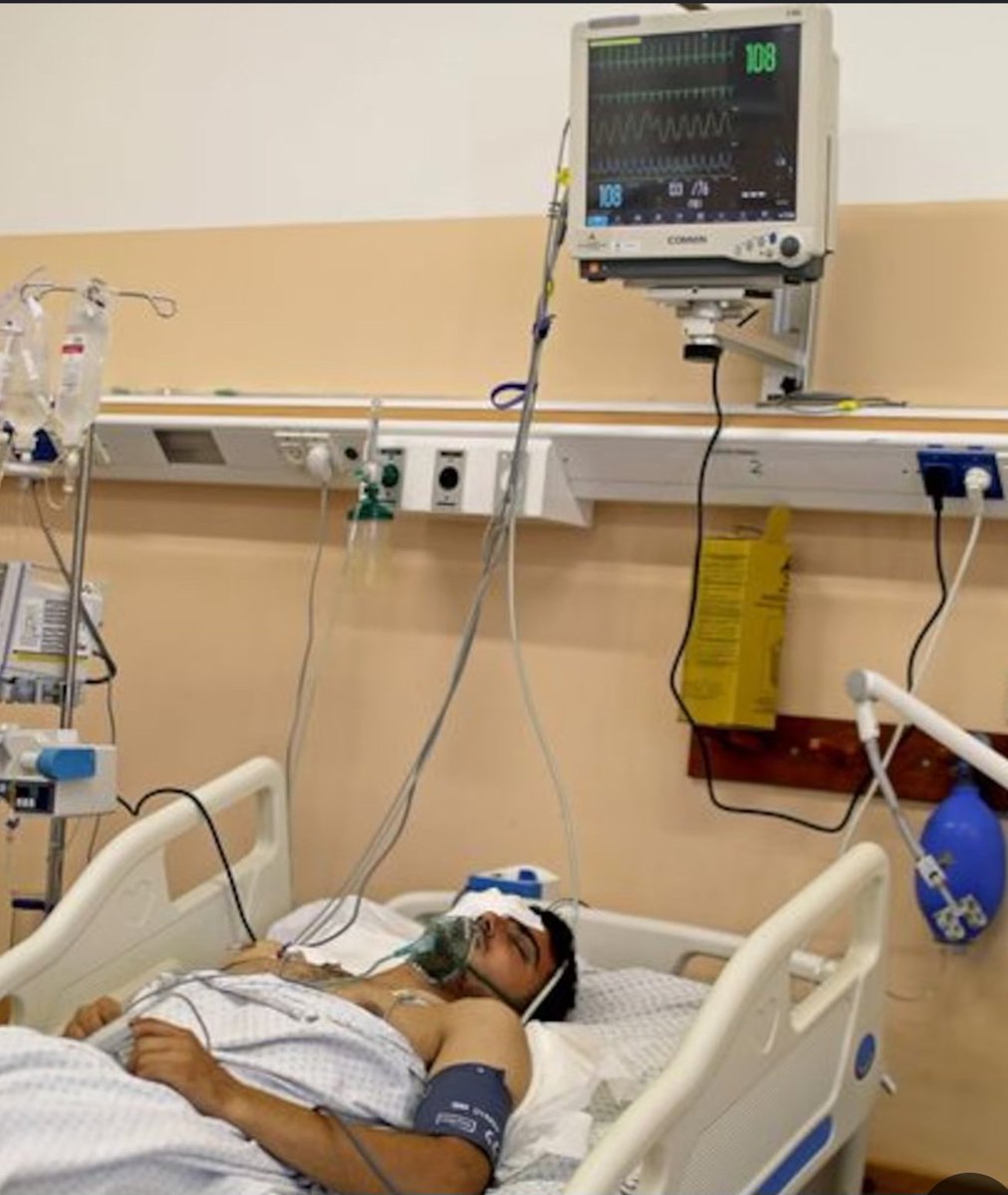
A campaign dedicated to the Injured of #Gaza because they’re NOT numbers. We’re Advocating / Facilitating their safe Evacuation & Treatment. #OpenRaffahCrossing
لن نرحل إلا إلى السماء
وأنا أقرأ ما نقلته يديعوت أحرونوت عن فشل مخطط تهجير مليوني فلسطيني من غزة، عادت بي الذاكرة إلى تلك الأيام الثقيلة؛ إلى الليالي التي أرادوا فيها أن يجعلوا الخوف أكبر من قدرتنا على البقاء، والجوع أقسى من إرادتنا، والقصف طريقًا يدفعنا بعيدًا عن أرضنا.
جرّبوا التهجير، والنزوح المتكرر، والحصار، والتجويع، والتعطيش، وضيق الخيام، وثقل القصف... وكان آخرها قبل وقف إطلاق النار بأيام، حين اشتد الضغط حتى ضاقت الصدور، وخرجنا إلى الناس نثبتهم ونثبت أنفسنا معهم، وقلناها يومها بكل يقين:
لن نرحل... إلا إلى السماء.
واليوم، حين نقرأ اعترافًا بفشل مخطط التهجير، ندرك من جديد أن الصبر ليس ضعفًا، وأن الثبات ليس انتظارًا، وأن الشعوب التي تتشبث بأرضها لا تُقتلع بسهولة مهما امتلك عدوها من قوة.
لقد أرادوا غزة بلا أهلها، فإذا بأهلها يبقون.
أرادوها أرضًا طاردة، فإذا بالناس يعانقون ترابها.
أرادوا أن يهزمونا بالخوف، فصار خوفهم الأكبر من صمودنا.
ولأهل غزة الذين أنهكتهم السنوات، أقول: اثبتوا... فما من ليلٍ إلا وله آخر، وما من ظلمٍ إلا وله أجل، وما من صبرٍ صادقٍ إلا وراءه فرج.
لقد سقطت مخططات من قبل، وستسقط مخططات أخرى. وستذهب مشاريع التهجير والإبادة والتجويع والحصار والتعطيش، ويبقى الإنسان الفلسطيني شاهدًا أن الأرض لا يملكها من يقصفها، بل من يصبر عليها ويتمسك بها.
فاصبروا واثب��وا، ولا تجعلوا قسوة الطريق تهزم يقينكم؛ فقد يتأخر النصر، وقد يطول الطريق، لكن إرادة شعبٍ متمسك بأرضه لا يمكن اقتلاعها إلى الأبد.
غزة باقية بأهلها.
وفلسطين باقية بشعبها.
ونحن ق��ناها في أشد الأيام، ونقولها اليوم بيقين أكبر:
لن نرحل... إلا إلى السماء.
We Will Leave Only for Heaven
As I read what Yedioth Ahronoth reported about the failure of the plan to displace two million Palestinians from Gaza, my memory returned to those unbearably difficult days—when they tried to make fear stronger than our will to remain, hunger harsher than our determination, and bombardment a road forcing us away from our land.
They tried displacement, repeated forced evacuation, siege, starvation, deprivation of water, the misery of tents, and relentless bombardment. In the final days before the ceasefire, the pressure became especially severe. We went among our people to strengthen their resolve—and our own—and we said with absolute conviction:
We will not leave… except for Heaven.
Today, as we read an acknowledgment that the displacement plan has failed, we are reminded that patience is not weakness, steadfastness is not passive waiting, and a people rooted in their land cannot easily be uprooted, no matter how powerful their adversary may be.
They wanted Gaza without its people, but its people remained.
They wanted the land to drive us away, but its people embraced its soil.
They tried to defeat us through fear, only to discover that our steadfastness was what they feared most.
To the people of Gaza, exhausted by these long years, I say: Remain steadfast. Every night has an end, every injustice has its limit, and sincere patience carries within it the promise of relief.
Plans have failed before, and others will fail again. Projects of displacement, annihilation, starvation, siege, and deprivation will pass, while the Palestinian people will remain—bearing witness that a land does not belong to those who bombard it, but to those who endure upon it and refuse to abandon it.
So remain patient and steadfast. Do not allow the hardship of the road to defeat your conviction. Victory may be delayed and the road may be long, but the will of a people rooted in their land cannot be uprooted forever.
Gaza will remain with its people.
Palestine will remain with its people.
We said it in our darkest days, and today we say it with even greater conviction:
We will not leave… except for Heaven.
ما زال الاحتلال يصعّد هجماته على قطاع غزة ويواصل خروقاته لاتفاق وقف إطلاق النار، الذي أصبح حاضرًا في البيانات لكنه غائب عن حياة الناس على الأرض … ما يجري في غزة ليس أزمة أكسجين أو مياه فقط، بل انهيار كامل لمقومات الحياة … لم يتبقَّ سوى 12 محطة أكسجين تعمل من أصل نحو 34 محطة، وأي عطل إضافي قد يقطع الأكسجين عن المرضى … اليوم إذا تعطل هذا الأكسجين سيموت هؤلاء الناس … نحن نتحدث عن موت سيأتي كل لحظة إن لم تدخل محطات أكسجين إضافية … لا نريد أن نصل إلى اللحظة التي يضطر فيها الطبيب إلى المفاضلة بين مريضين، لمن يعطي الأكسجين ومن يتركه بلا أكسجين
The occupation continues to escalate its attacks on Gaza and violate the ceasefire agreement, which is present in statements but absent from people’s lives on the ground … What is happening in Gaza is not just an oxygen or water crisis, but a complete collapse of the basic necessities of life … Only 12 oxygen stations remain operational out of around 34, and any additional breakdown could cut off oxygen to patients … If this oxygen supply stops, these people will die … We are talking about death coming at any moment if additional oxygen stations are not brought in … We do not want to reach the point where a doctor is forced to choose between two patients, deciding who receives oxygen and who is left without it
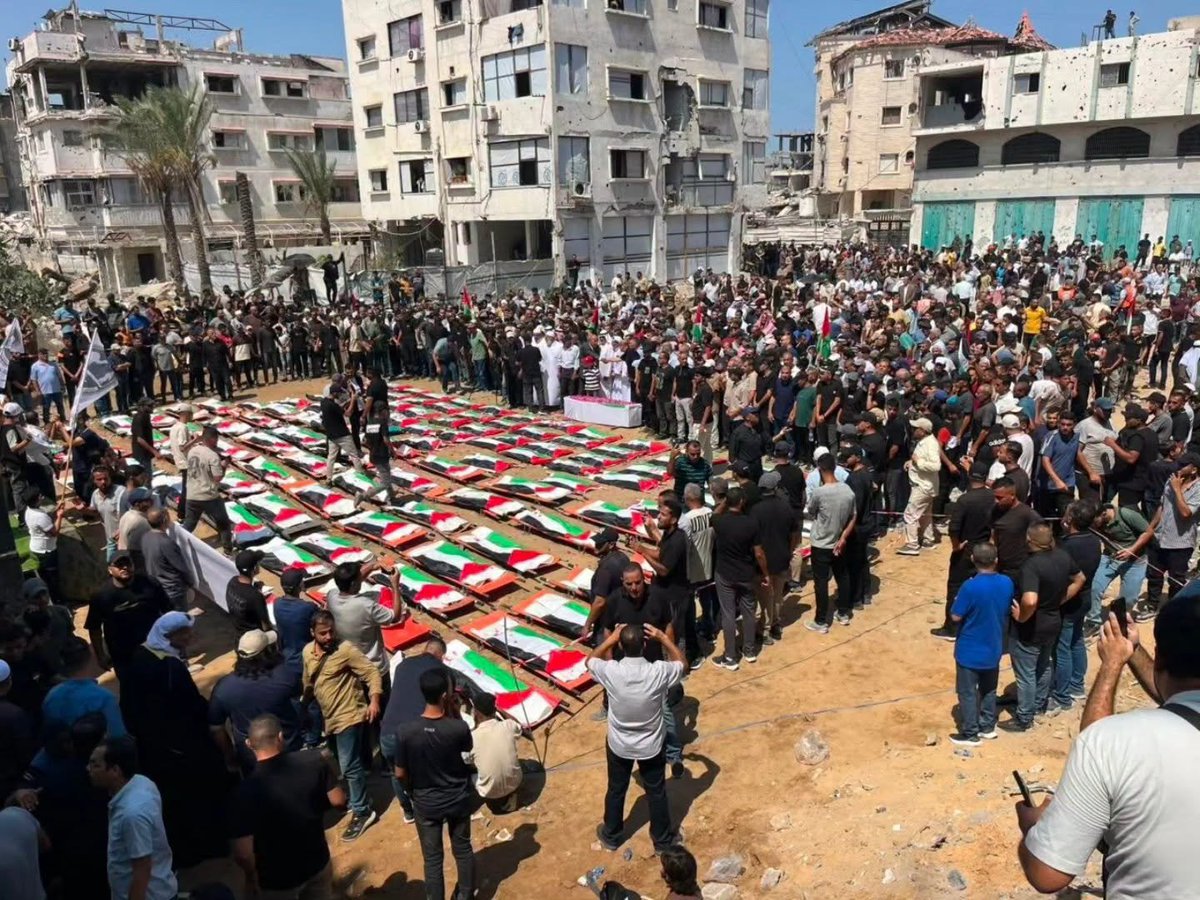
هناك ما يقارب 73,000 شهيد و174,000 جريح، بينهم أكثر من 21,000 طفل و11,000 امرأة، و59,000 يتيم ... لكل مفقود اسم وعائلة، وانتشال الجثامين والتعرف عليها ودفنها بكرامة حق إنساني وليس ملفا ثانويا، ورسالتنا للعالم ألا تبدأ إعادة إعمار غزة فوق أجساد مفقوديها ... تشييع 50 جثمانا دفعة واحدة يدلل على أن ما حصل في غزة إبادة جماعية بمعنى الكلمة تتكشف يوما بعد يوم، والاحتلال لا يسمح حتى بالبحث عن شهدائنا ... الناس تعيش في 30 بالمئة من مساحة القطاع، وفي كل كيلومتر مربع 21,000 إنسان بلا ماء ولا خيام، وسجلت 58,000 حالة جدري ماء هذا العام بسبب المياه الملوثة، والأمم المتحدة أعلنت أن هناك وباء ... نطالب بإدخال الآليات الثقيلة ومعدات الانتشال وفحوصات الحمض النووي، فلا توجد إلا آلية واحدة تساعد الدفاع المدني، وهناك 5 ملايين طن من الأسبستوس داخل الركام تحدث أمراضا منها سرطان الرئة ... الاحتلال يمنع دخول الوقود والأك��جين والمولدات ومستلزمات سيارات الإسعاف، ليجعل الشعب الفلسطيني دائما وأبدا في حالة فوضى
There are nearly 73,000 martyrs and 174,000 wounded, among them more than 21,000 children, 11,000 women and 59,000 orphans ... Every missing person has a name and a family, and recovering the bodies, identifying them and burying them with dignity is a human right, not a secondary file, and our message to the world is that the reconstruction of Gaza must not begin over the bodies of its missing ... The funeral of 50 bodies in one batch shows that what happened in Gaza is genocide in the full sense of the word, being uncovered day after day, and the occupation does not even allow the search for our martyrs ... People live on 30 percent of the Strip's area, with 21,000 people per square kilometre and no water or tents, and 58,000 cases of chickenpox were recorded this year because of contaminated water, with the United Nations announcing that there is an epidemic ... We demand heavy machinery, recovery equipment and DNA testing, as there is only one machine helping the Civil Defence, and there are 5 million tons of asbestos inside the rubble that cause diseases including lung cancer ... The occupation blocks fuel, oxygen, generators and ambulance supplies, to keep the Palestinian people always and forever in a state of chaos
تشييع 50 شهيدًا دفعة واحدة يكشف حجم المأساة التي ما تزال مخفية تحت الأنقاض… عملية البحث عن 8 آلاف مفقود صعبة جدًا، وكل عملية انتشار جديدة تعيد فتح السؤال عن مصير الآلاف الذين لم تصل إليهم فرق الإنقاذ بعد… نتحدث عن 80 مليون طن من الركام، والتعامل معه لا يجب أن يكون ملفًا فقط ��إزالة الركام، بل لا بد أن يكون ملفًا إنسانيًا وصحيًا وطبيًا وشرعيًا وقانونيًا… يجب عدم تجريف المناطق المشتبه بوجود مفقودين فيها قبل عمليات البحث والتوثيق وانتشال الرفات والتعرف عليها، فالركام قد يحتوي على رفات بشرية ومتعلقات شخصية وأدلة مهمة… وهناك 5 ملايين طن من مادة الأسبستوس السامة، وإزالة الركام دون وسائل الوقاية والتقييم البيئي تشكل تهديدًا حقيقيًا لصحة الناس، وقد تسبب أمراضًا منها سرطان الرئة
The burial of 50 martyrs at once reveals the scale of the tragedy still hidden beneath the rubble… The search for 8,000 missing people is extremely difficult, and every new search operation raises questions about the fate of thousands who rescue teams have yet to reach… We are talking about 80 million tonnes of rubble, and dealing with it must not be treated simply as a rubble-removal operation, but as a humanitarian, health, medical, religious and legal matter… Areas suspected of containing missing people must not be cleared before searches, documentation, recovery of remains and identification are carried out, as the rubble may contain human remains, personal belongings and important evidence… There are also 5 million tonnes of toxic asbestos in the rubble, and removing it without protective measures and environmental assessment poses a real threat to people’s health and can cause diseases including lung cancer.
غزة... حياةٌ لا تشبه الحياة
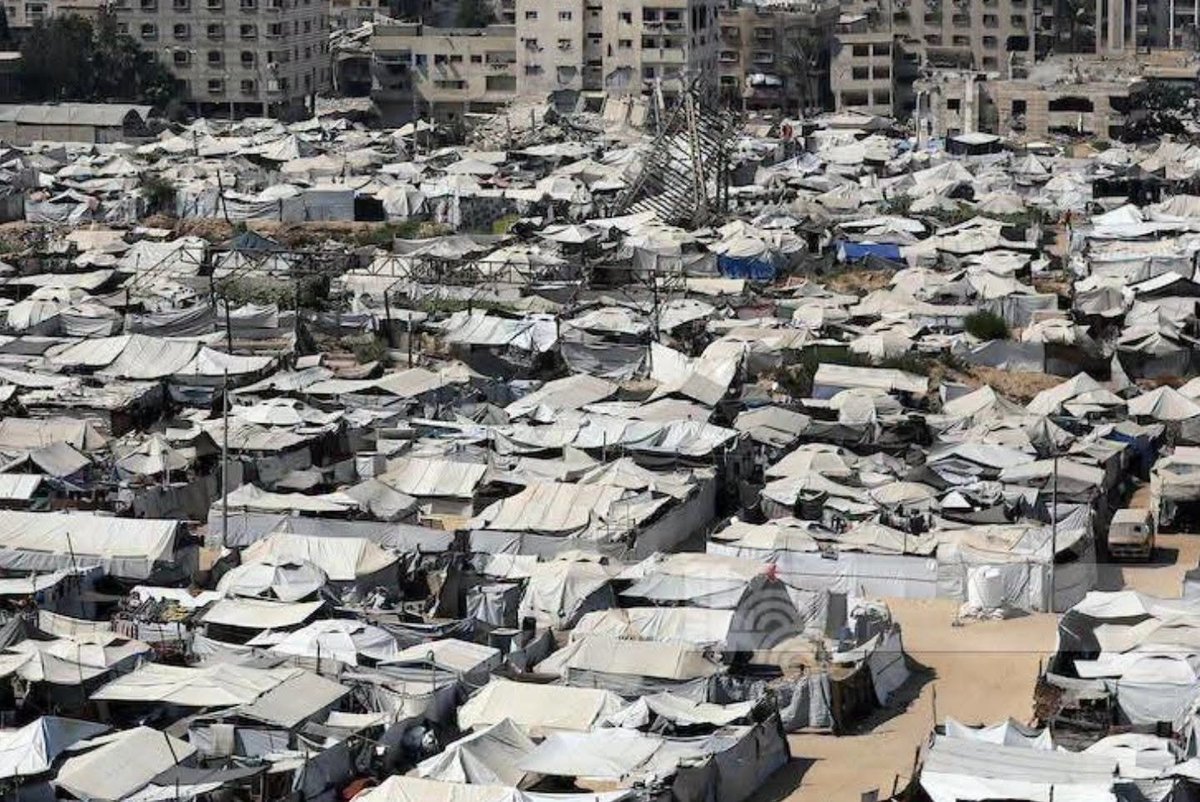
هذه ليست صورةً من قرنٍ مضى، ولا مشهدًا من كتابٍ عن البؤس القديم.
هذه غزة اليوم... في القرن الحادي والعشرين، تحت أعين عالمٍ يتحدث كثيرًا عن حقوق الإنسان، ثم يجيد مشاهدة المأساة بصمت.
هنا يعيش بشرٌ على الأرض، داخل خيامٍ بالية مهترئة، بعد أن دُمّرت بيوتهم وأحياؤهم في الحرب الإسرائيلية على غزة.
خيامٌ لا تستر عائلة، ولا تحفظ كرامة، ولا تردُّ حرّ الصيف ولا برد الشتاء. هواؤها مثقل بالغبار والدخان، وترابها لهيب، وماؤها ملوث، وليلها غارق في الظلام.
هنا ينام الطفل على الأرض، ويستيقظ المريض بلا دواء، ويبحث الأب عن قطرة ماء نظيفة، بينما لا تملك قطعة القماش فوق رؤوسهم أن تحميهم من رصاصة أو شظية.
ويا للمفارقة...
بلغ العالم الذكاء الاصطناعي، وغزا الفضاء، وبنى المدن الذكية، لكنه ما زال عاجزًا عن أن يمنح طفلًا في غزة سقفًا آمنًا، وماءً نظيفًا، وليلًا بلا خوف.
أيُّ حضارةٍ هذه التي تقيس تقدمها بما وصلت إليه التكنولوجيا، ولا تقيسه بما بقي لديها من إنسانية؟
غزة لا تطلب رفاهية؛ إنها تطلب أبسط تعريف للحياة: بيتًا بدل الخيمة، ماءً بدل التلوث، أمانًا بدل القصف، وكرامةً تليق بالبشر.
وستبقى هذه الخيام شاهدًا، لا على فقر أهل غزة، بل على فقر العالم في العدالة والرحمة والضمير.
Gaza… A Life That Barely
Resembles Life
This is not a photograph from a century ago, nor a scene from an old book about human misery.
This is Gaza today—in the twenty-first century, before the eyes of a world that speaks endlessly about human rights, yet has mastered the art of watching tragedy in silence.
Here, human beings live on the bare ground, inside worn-out and deteriorating tents, after their homes and neighborhoods were destroyed in the Israeli war on Gaza.
These tents cannot properly shelter a family, preserve dignity, or protect against the scorching heat of summer or the bitter cold of winter. The air is heavy with dust and smoke, the ground burns beneath them, the water is contaminated, and the nights are swallowed by darkness.
Here, a child sleeps on the ground, a patient wakes without medicine, and a father searches for a drop of clean water—while the thin fabric above their heads cannot protect them from a bullet or a piece of shrapnel.
And what a bitter irony:
the world has reached artificial intelligence, explored space, and built smart cities, yet remains unable to give a child in Gaza a safe roof, clean water, and a night without fear.
What kind of civilization measures its progress by technological achievement, but not by how much humanity it has retained?
Gaza is not asking for luxury. It is asking for the simplest definition of life: a home instead of a tent, clean water instead of contamination, safety instead of bombardment, and dignity worthy of human beings.
These tents will remain a testimony—not to the poverty of Gaza’s people, but to the world’s poverty of justice, compassion, and conscience.
🚨🚨🚨UNEQUIVOCAL CONDEMNATION OF MSF’s COLLABORATION
We condemn MSF for planning to share staff IDs with Israeli forces. It is a lethal betrayal of medical ethics and active participation in oppression.
We demand immediate revocation.
«أبطال الأردن وغزة.. الدم الواحد»
ليس مجرد كتاب، بل سجلّ وفاء لذاكرة الطب والإنسانية.
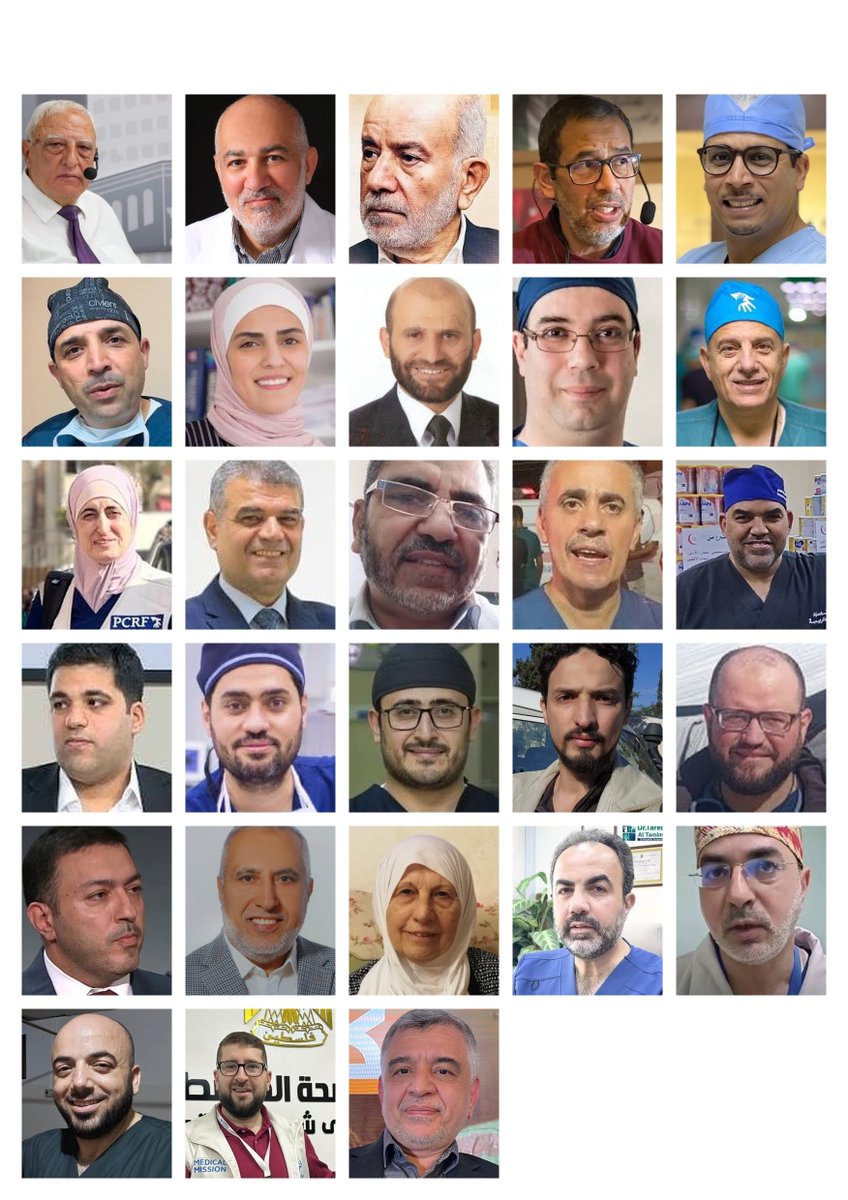
في كتابه «أبطال الأردن وغزة.. الدم الواحد»، يوثّق الدكتور طارق طهبوب، استشاري التخدير والعناية المركزة ونقيب الأطباء الأردنيين الأسبق، قصص أطباء وطواقم أردنية حملوا علمهم وخبرتهم وجاؤوا إلى غزة، ليقفوا إلى جانب جرحاها ومرضاها وكوادرها الصحية.
بين صفحاته أسماء أطباء وجراحين ومتطوعين تركوا بيوتهم وعياداتهم، وعملوا في مستشفيات غزة في ظروف قاسية، وأسهموا في العلاج والجراحة والتدريب والتعليم الطبي. كما يحتفي الكتاب بأبطال المستشفى الميداني الأردني، بمن عُرفت أسماؤهم وبمن ظلوا جنودًا مجهولين؛ فالكتاب نفسه يؤكد أن كثيرين شار��وا وبذلوا ولم تُذكر أسماؤهم، وفي مقدمتهم طواقم المستشفى الميداني الأردني.
ومن غزة نقول:
شكرًا للأردن، ملكًا وحكومةً وشعبًا وجيشًا وأطباءً وممرضين ومتطوعين.
وشكرًا لكل يد أردنية ضمّدت جرحًا، وأجرت عملية، ودرّبت طبيبًا، وحملت إلى غزة دواءً وأملًا.
وشكرًا خاصًا للدكتور طارق طهبوب الذي جمع هذه الحكايات وحفظها من النسيان؛ لتبقى شهادة بأن الطب في زمن المحنة لم يكن مهنةً فقط، بل موقفًا وأخوّةً ورسالة إنسانية لا تعرف الحدود.
ستبقى أيادي أطباء الأردن في ذاكرة غزة، وسيبقى الأردن كما وصفه الكتاب: «رئة فلسطين».
“Heroes of Jordan and Gaza… One Blood”
More than a book, this is a record of medical solidarity and humanity.
In Heroes of Jordan and Gaza… One Blood, Dr. Tariq Tahboub documents the stories of Jordanian doctors, volunteers, and medical teams who came to Gaza, stood beside its wounded and sick, performed surgeries, treated patients, and supported and trained Palestinian medical teams.
The book also honors the personnel of the Jordanian Field Hospital, including many whose names cannot be publicly mentioned but whose service and impact will never be forgotten.
From Gaza we say:
Thank you, Jordan — its King, government, people, armed forces, doctors, nurses, and volunteers.
And special thanks to Dr. Tariq Tahboub for preserving these stories for history.
The hands of Jordan’s doctors will remain in Gaza’s memory — a lasting testimony that medicine, brotherhood, and humanity know no borders.
أنقذوا د. حسام أبو صفية قبل فوات الأوان
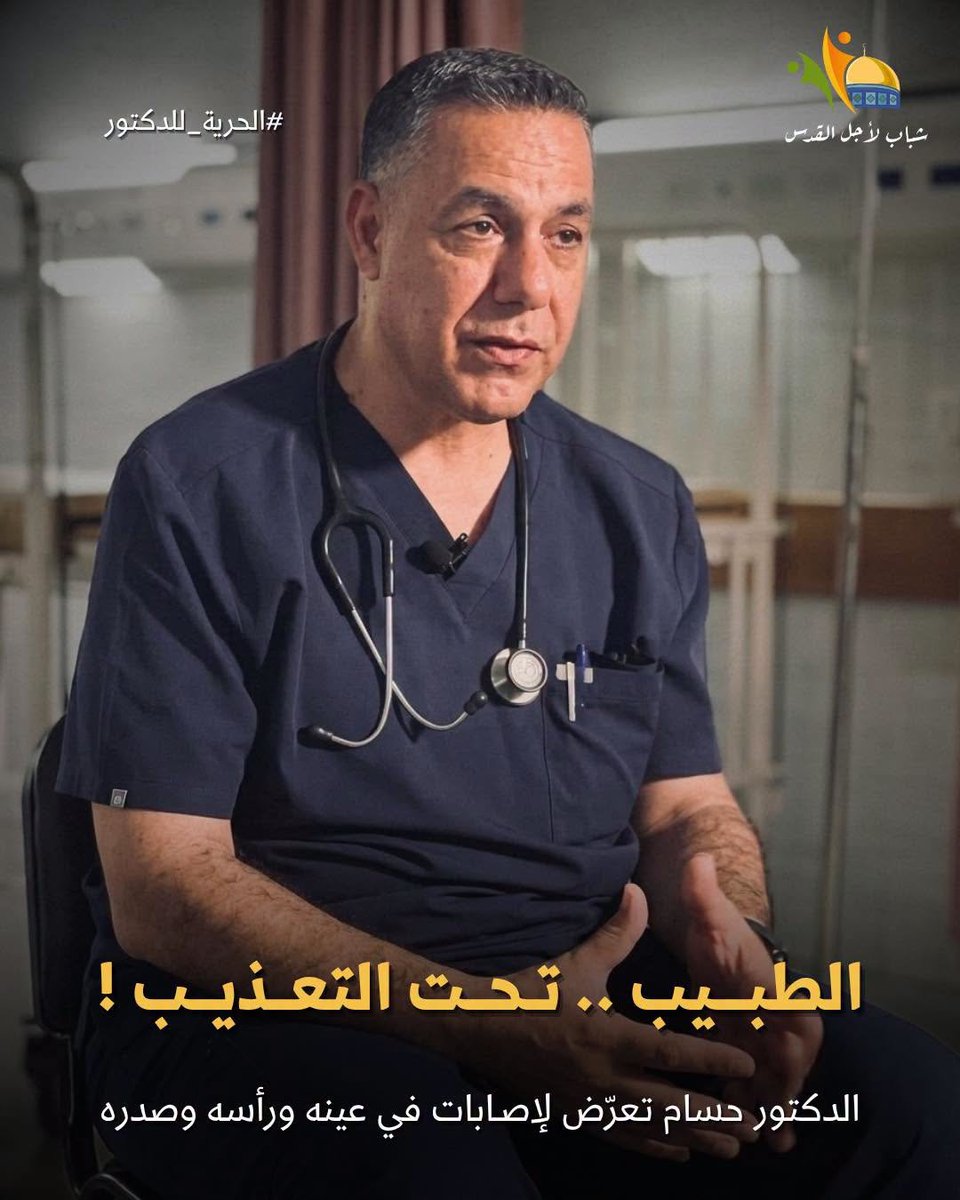
تتصاعد المخاوف على حياة الدكتور حسام أبو صفية، في ظل الأنباء عن ��عرضه للاعتداء داخل المعتقل وإصابته في العين والرأس والصدر. إن هذه المعلومات، إذا اقترنت باستمرار الاحتجاز وغياب الفحص الطبي المستقل والرعاية المناسبة، تجعل وضعه الصحي مصدر قلق بالغ يستوجب تحركًا عاجلًا، لا بيانات مؤجلة.
الدكتور حسام أبو صفية، الذي بقي إلى جانب مرضاه في مستشفى كمال عدوان في أحلك الظروف، يجد نفسه اليوم خلف القضبان، محرومًا من حريته، فيما تتزايد المخاوف بشأن سلامته الجسدية وظروف احتجازه.
المفارقة موجعة:
الطبيب الذي كان يحمي حياة المرضى تحت القصف، أصبح اليوم هو المريض الذي يحتاج إلى الحماية.
ومن كان يقف بين الموت ومرضاه، أصبح بحاجة إلى من يقف بينه وبين الخطر.
إننا نحمّل سلطات الاحتلال المسؤولية الكاملة عن حياته وسلامته، ونطالب بإجراء فحص طبي عاجل ومستقل وشامل له، وضمان حصوله على العلاج اللازم، وحمايته من التعذيب وسوء المعاملة، وتمكين الجهات ال��ولية والحقوقية المختصة من الوصول إليه والاطلاع على ظروف احتجازه.
وندعو اللجنة الدولية للصليب الأحمر، ومنظمة الصحة العالمية، والأمم المتحدة، والمؤسسات الطبية والحقوقية الدولية إلى تحرك فوري وفاعل. فالوقت هنا ليس تفصيلًا؛ كل ساعة من التأخير قد تعني مزيدًا من الخطر على حياته.
لا نريد أن يستيقظ العالم على خبر جديد، ثم يبدأ بإصدار بيانات الأسف بعد أن يصبح الإنقاذ مستحيلًا.
د. حسام أبو صفية ليس رقمًا في قوائم المعتقلين؛ إنه طبيب، وإنسان، وصوتٌ من أصوات المنظومة الصحية في غزة.
أنقذوا د. حسام أبو صفية قبل فوات الأوان.
الحرية له، ولكل الكوادر الصحية المعتقلة.
Save Dr. Hussam Abu Safiya Before It Is Too Late
Serious concerns are mounting over the life and health of Dr. Hussam Abu Safiya, amid reports that he has been assaulted in detention and sustained injuries to his eye, head, and chest. If these reports are coupled with continued detention and the absence of independent medical assessment and adequate care, his condition becomes a matter of grave concern requiring immediate action—not delayed statements.
Dr. Abu Safiya remained beside his patients at Kamal Adwan Hospital through some of Gaza’s darkest days. Today, he is behind bars, deprived of his freedom, while concerns over his physical safety and conditions of detention continue to grow.
The irony is devastating:
The doctor who protected his patients’ lives under bombardment is now the one who needs protection.
The physician who once stood between death and his patients now needs the world to stand between him and danger.
We hold the Israeli authorities fully responsible for his life and safety and demand an urgent, independent and comprehensive medical examination, access to all necessary treatment, protection from torture and ill-treatment, and immediate access for relevant international and human rights organizations to assess his condition and conditions of detention.
We call upon the International Committee of the Red Cross, the World Health Organization, the United Nations, and international medical and human rights organizations to act immediately and effectively. Time is not a minor detail here: every hour of delay may place his life at greater risk.
The world must not wait for another tragic announcement before issuing statements of regret—when intervention may already be too late.
Dr. Hussam Abu Safiya is not merely a number on a list of detainees. He is a physician, a human being, and one of the voices of Gaza’s healthcare system.
Save Dr. Hussam Abu Safiya before it is too late.
Freedom for Dr. Abu Safiya and for all detained healthcare workers.
جدري الماء يتحول إلى وباء في غزة: 58 ألف إصابة وإنذار صحي يستدعي تحركًا عاجلًا
لم يعد الحديث في غزة عن نقص الدواء وحده، ولا عن انهيار المستشفيات فحسب، بل عن وباءٍ يتوسع في بيئة صنعتها الحرب، والنزوح القسري، وتلوث المياه، وانهيار منظومة الصحة العامة.
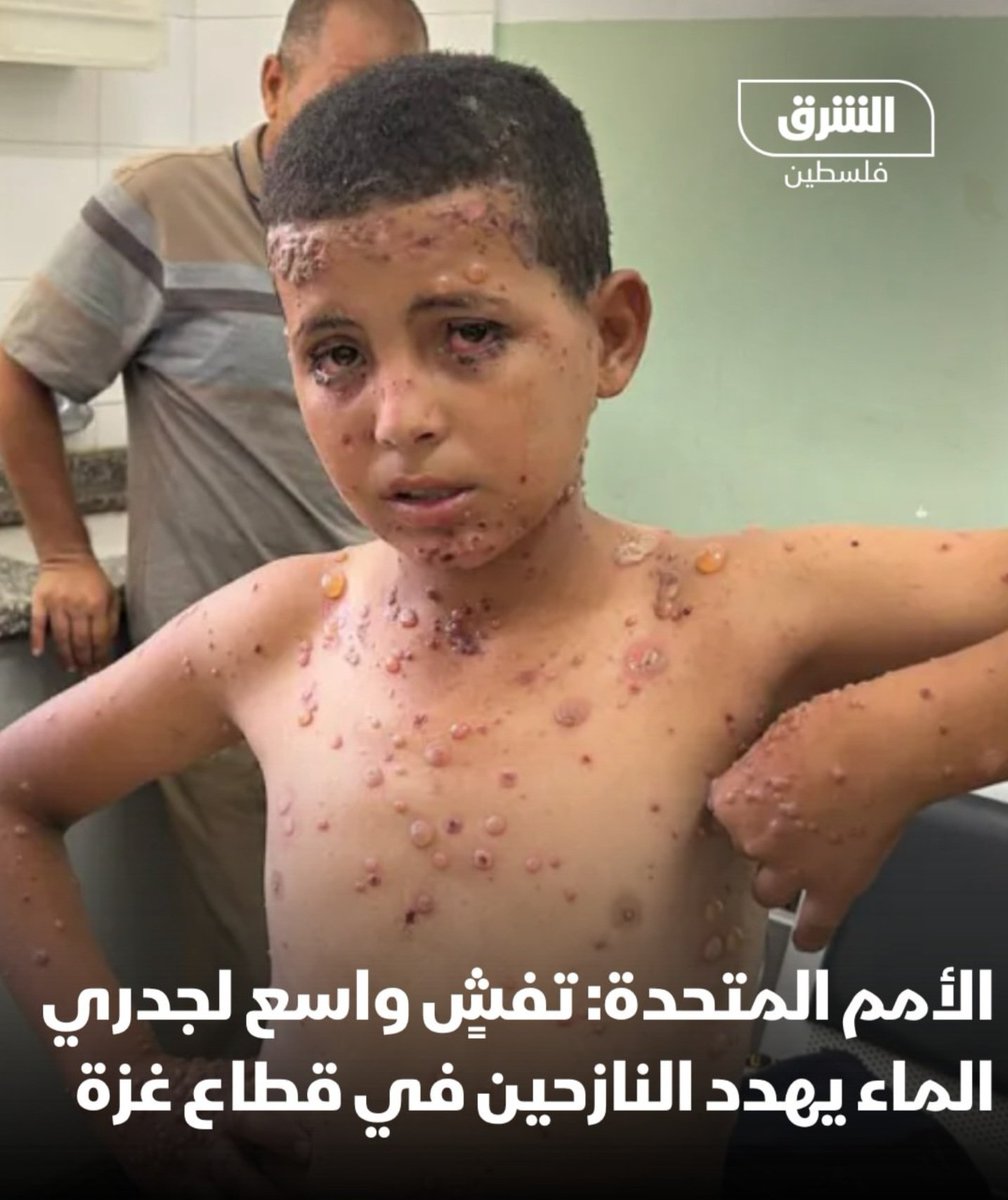
سجل قطاع غزة أكثر من 58 ألف إصابة بجدري الماء منذ بداية عام 2026، مع تركز أكثر من نصف الإصابات في محافظة خانيونس، وهو ما دفع اللجنة الوطنية للأمراض المعدية إلى اعتبار ما يجري تفشيًا وبائيًا يستوجب تدخلاً عاجلًا ومتعدد القطاعات.
إن هذا الوباء لم ينشأ بمعزل عن الواقع الإنساني الكارثي، بل جاء نتيجة مباشرة للاكتظاظ الهائل في مخيمات النزوح، وتلوث مصادر المياه، وانهيار خدمات الصرف الصحي، وتراكم النفايات، ونقص مستلزمات النظافة. وهي ظروف خلقت بيئة مثالية لانتشار جدري الماء والجرب وغيرها من الأمراض المعدية.
عندما يفقد الإنسان الماء النظيف، ويعيش في خيمة مكتظة، وتتعطل شبكات الصرف الصحي، فإن الأمراض لا تنتشر صدفة، بل تصبح نتيجة حتمية. إن تلوث المياه اليوم لم يعد أزمة خدمات، بل تحول إلى تهديد مباشر للصحة العا��ة، يطال الأطفال والنساء وكبار السن، ويُنذر بموجات جديدة من الأوبئة.
إن حماية الصحة في غزة لم تعد تقتصر على توفير العلاج، بل تبدأ بحماية مصادر المياه، وتحسين خدمات الإصحاح البيئي، وتأمين بيئة إنسانية تحفظ كرامة الإنسان وحقه في الحياة. فالصحة والمياه وجهان لعملة واحدة، وإذا انهار أ��دهما، سرعان ما ينهار الآخر.
Chickenpox Becomes an Outbreak in Gaza: Over 58,000 Cases Raise an Urgent Public Health Alarm
Gaza is no longer facing only shortages of medicines or the collapse of hospitals. It is now confronting an infectious disease outbreak driven by war, forced displacement, contaminated water, and the collapse of public health infrastructure.
More than 58,000 cases of chickenpox have been recorded since the beginning of 2026, with over half of the cases concentrated in Khan Younis. The situation has been classified as an outbreak requiring an urgent multi-sectoral response.
This outbreak is a direct consequence of overcrowded displacement camps, contaminated water supplies, failing sanitation systems, accumulated waste, and severe shortages of hygiene materials. These conditions have created an ideal environment for the spread of chickenpox, scabies, and other communicable diseases.
When people are deprived of safe water, forced to live in overcrowded shelters, and sanitation systems collapse, infectious diseases do not spread by chance—they become inevitable. Water contamination is no longer merely a service failure; it is a major public health threat, particularly for children and other vulnerable populations.
Protecting health in Gaza requires more than medical treatment. It begins with protecting safe water supplies, restoring sanitation services, and ensuring dignified living conditions. Public health and safe water are inseparable; when one collapses, the other inevitably follows.
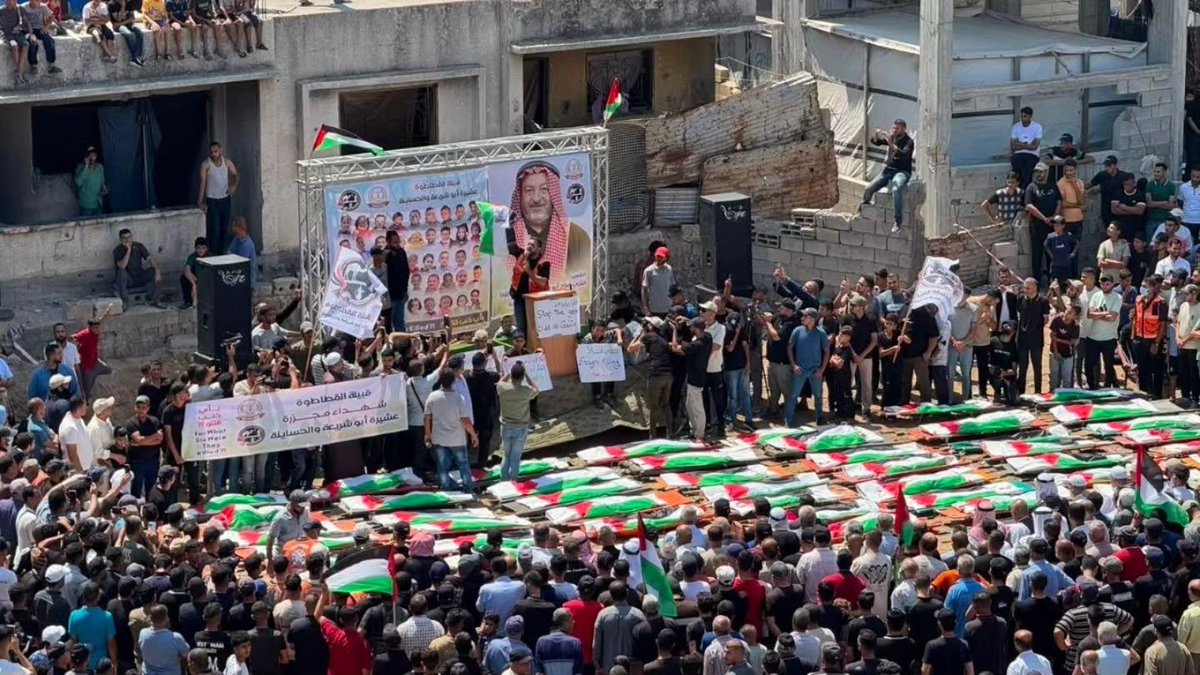
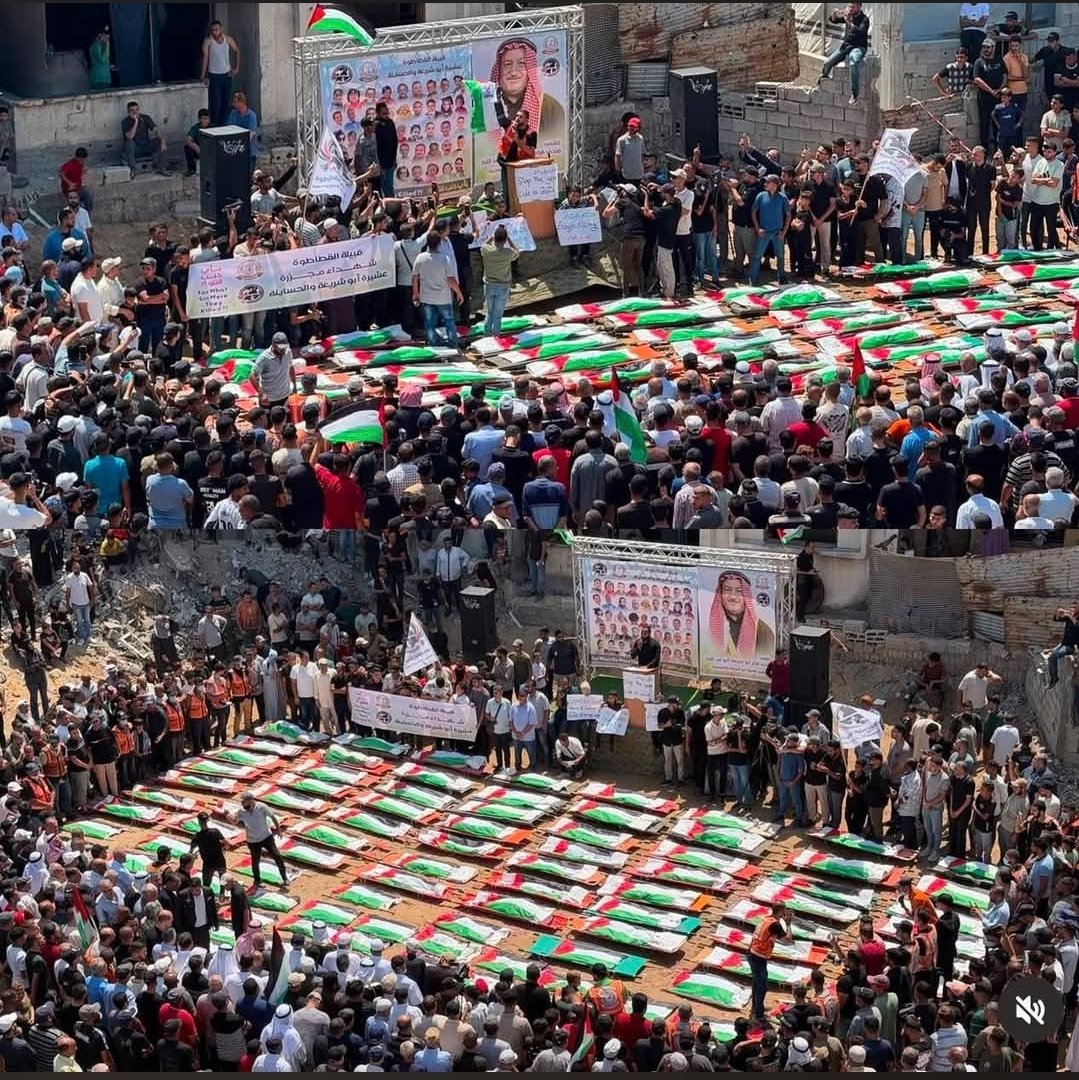
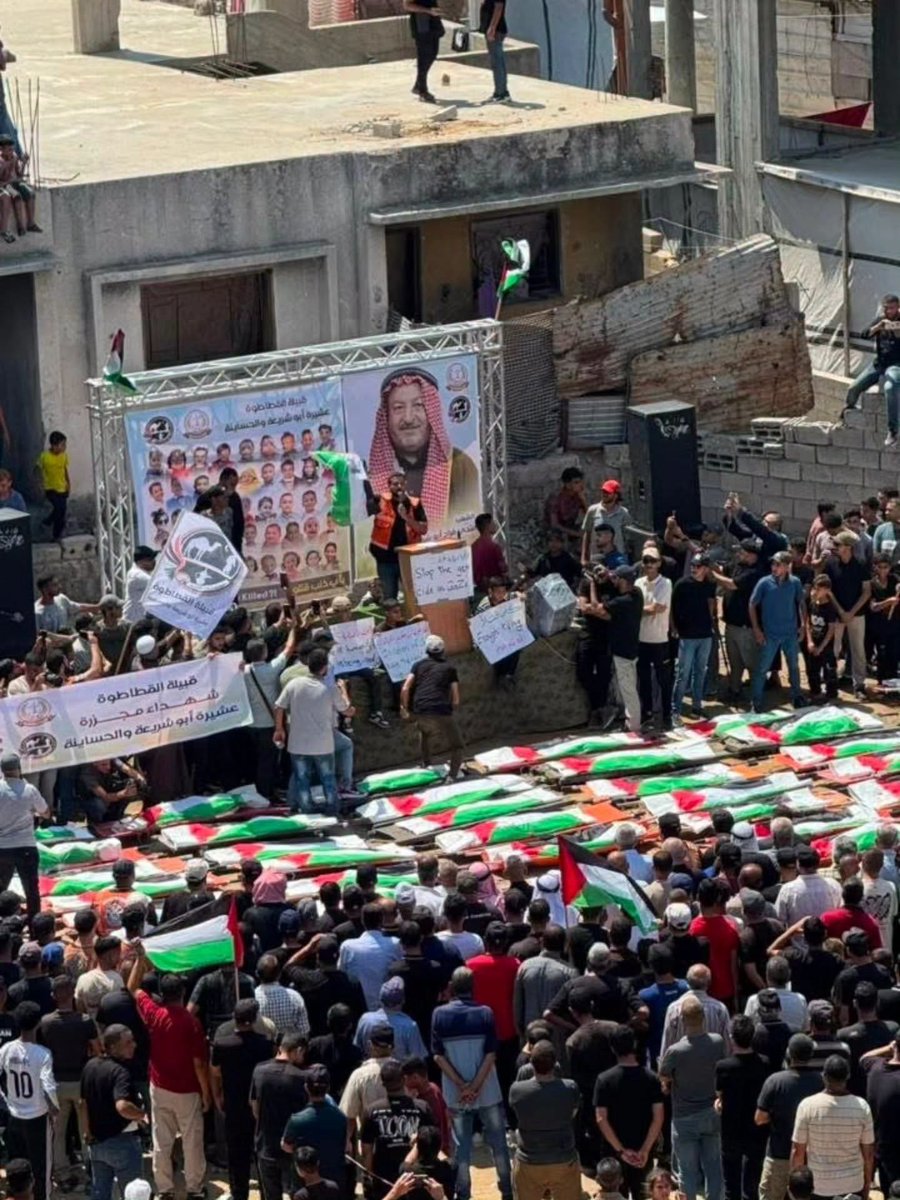
Today in Gaza, the bodies of 108 members of the Abu Sharia family were recovered from beneath the rubble. Around 100 others are still buried there—mothers, fathers, children, and entire branches of one family erased.
Silence in the face of such horror is complicity.
جنازةٌ بحجمِ وطن
في غزة، لم يكن هذا تشييعًا لمئةٍ واثني عشر شهيدًا فحسب...
بل كان تشييعًا لبيتٍ كامل، ولعائلةٍ كاملة، ولأحلامٍ كاملة، ولجزءٍ من روح وطن.
في ذلك المكان، لم يبقَ حجرٌ على حجر.
انهارت طوابقُ المبنى فوق ساكنيه، وتحول البيت إلى قبرٍ جماعي، بينما كانت أصوات الأطفال والنساء ترتفع من تحت الركام، تستغيث بالحياة، وتبحث عن يدٍ تمتد إليها، لكن العالم كان أصمَّ من أن يسمع، وأقسى من أن يتحرك.
هرعت سيارات الإسعاف والدفاع المدني بكل ما تبقى من أمل، وانتظرنا أن تعود وهي تحمل جريحًا، أو طفلًا نجا بمعجزة...
لكنها عادت تحمل الكلمات الأشد قسوة:
"يا دكتور... لم ينجُ أحد."
ما زالت تلك العبارة ترتجف في الذاكرة، وكأنها اختصرت المأساة كلها في ثلاث كلمات.
كيف يمكن أن يختفي بيتٌ بأكمله بمن فيه في لحظة واحدة؟
وكيف يسمع العالم صرخات الأطفال من تحت الأنقاض، ثم يواصل صمته، وكأن شيئًا لم يكن؟
اليوم، لم تكن النعوش مصطفةً في الشوارع فحسب...
بل كانت الإنسانية نفسها مسجاةً عليها.
مئة واثنا عشر شهيدًا من عائلتي الحساينة وأبو شريعة، حملتهم الأكتاف إلى مثواهم الأخير، بينما حمل التاريخ معه شهادةً جديدة على جريمةٍ ستظل وصمةً في جبين الإنسانية.
رحلوا...
لكن دماءهم ستبقى شاهدًا على أمةٍ خذلتهم، وعلى عالمٍ تركهم فريسةً لوحشيةٍ لا تعرف رحمة، وستبقى تروي للأجيال أن أطفالًا ونساءً ورجالًا استغاثوا من تحت الركام، فلم يجدوا إلا الصمت.
رحم الله شهداء عائلتي الحساينة وأبو شريعة، وجعلهم في أعلى عليين، وألهم ذويهم الصبر والسلوان.
سلامٌ على أرواحٍ ارتقت مظلومة، وسلامٌ على وطنٍ ما زال يكتب بدمائه أصدق صفحات التاريخ.
A Funeral the Size of a Nation
In Gaza, this was not merely the funeral of 112 martyrs.
It was the funeral of an entire home, an entire family, countless dreams, and a part of a nation's soul.
Nothing remained standing.
The building collapsed upon its residents, turning their home into a mass grave. Beneath the rubble, the voices of children and women cried out for help, searching for a hand to rescue them. But the world was too deaf to hear and too indifferent to act.
Ambulances and civil defense teams rushed to the scene with the last remaining hope.
We waited for them to return carrying survivors, or perhaps a child saved by a miracle.
Instead, they returned with the most devastating words imaginable:
"Doctor... no one survived."
Those words still echo in memory, capturing the entire tragedy in a single sentence.
How can an entire household disappear in a single moment?
How can the world hear the cries of children trapped beneath the rubble and continue as though nothing happened?
Today, it was not only coffins that filled the streets.
Humanity itself lay in mourning.
One hundred and twelve members of the Al-Hassayneh and Abu Sharia families were carried to their final resting place, while history recorded yet another crime that will forever stain the conscience of humanity.
They are gone.
Yet their blood will remain a lasting testimony to a world that abandoned them, leaving them at the mercy of unimaginable brutality. It will remind future generations that children, women, and men cried out from beneath the rubble, but were met only with silence.
May God grant mercy to the martyrs of the Al-Hassayneh and Abu Sharia families, raise them to the highest ranks of Paradise, and grant patience and strength to those they left behind.
هناك أكثر من 9 آلاف مفقود ما زالوا تحت الأنقاض ولم يتسنَّ دفنهم بكرامة ... هناك حسرة كبيرة لأن كثيرًا من جثامين الشهداء لم تُشيَّع ولم تُدفن ... ما زلنا نطالب بجثمان الدكتور عدنان البرش والدكتور إياد الرنتيسي الذي قُتل تحت التعذيب داخل السجون الإسرائيلية ... المأساة في غزة لم تعد تُقاس بعدد الشهداء بل بعدد العائلات التي تُمحى من السجل المدني والبيوت التي تتحول إلى قبور جماعية ... الاحتلال أوقف إطلاق النار على الورق فقط وما زال يقتل أبناء شعبنا، وقتل أكثر من 20 شهيدًا خلال 48 ساعة ... الاحتلال يحرمنا حتى من حق التشييع والدفن بكرامة ... معظم الشهداء مدنيون من الأط��ال والنساء ... كنا نسمع صراخ العالقين تحت الأنقاض لكن لم تكن هناك إمكانيات لإنقاذهم ... هذا المشهد سيبقى شاهدًا على العالم، وهو إبادة جماعية تُقتل فيها عائلات بأكملها ... الإمكانيات البسيطة لم تسمح بانتشال جميع الشهداء، وما زال كثيرون تحت الأنقاض.
More than 9,000 people remain beneath the rubble and have not been buried with dignity ... Many martyrs' bodies have yet to be recovered or laid to rest, leaving deep grief among their families ... We continue to demand the return of the bodies of Dr. Adnan Al-Bursh and Dr. Iyad Al-Rantisi, who was killed under torture in Israeli prisons ... Gaza's tragedy is no longer measured by the number of martyrs, but by families erased from the civil registry and homes turned into mass graves ... Israel stopped the fighting only on paper and continues to kill Palestinians, with more than 20 people killed in 48 hours ... Families are denied even the right to bury their loved ones with dignity ... Most of the victims are civilians, including children and women ... We heard people crying for help beneath the rubble, but there were no means to save them ... These scenes are evidence of genocide, with entire families wiped out ... Limited resources have prevented the recovery of many victims, who remain beneath the rubble.
مئة واثنا عشر شهيدًا في جنازة كبيرة بحجم الوطن كله ... تشييع 112 شهيدًا دفعة واحدة ليس رقمًا عابرًا في سجل الحروب بل مشهد تختنق أمامه الكلمات وتعجز اللغة عن حمله ... تشييع 112 شهيدًا من عائلتي الحساينة وأبو شريعة دليل واضح على أن م�� حصل في غزة هو إبادة جماعية ... الاحتلال كان يقتل العائلة بأكملها لا أفرادًا فقط ... الأرض كانت تُسلّم إلى السماء عائلات بأكملها ... أكثر من 153 شخصًا كانوا داخل منزل واحد عند قصفه ... طواقم الدفاع المدني عادت دون أن تنقذ أحدًا لأن المنزل دُمّر على ساكنيه ... كانوا يسمعون أصوات النساء والأطفال وهم يصرخون ولا يستطيعون فعل شيء ... استشهدوا جميعًا تحت الأرض.
One hundred and twelve people were laid to rest in a funeral the size of an entire nation ... Burying 112 people at once is not just another number in the record of wars, but a scene beyond words ... The funeral of 112 members of the Al-Hasseina and Abu Sharia families is clear evidence that what happened in Gaza was genocide ... Israel was killing entire families, not just individuals ... The earth was sending whole families to the heavens ... More than 153 people were inside a single house when it was bombed ... Civil defense crews returned without rescuing anyone because the house had collapsed on its residents ... They could hear the cries of women and children but were unable to do anything ... They all died beneath the ground.
هل تحمل جراح غزة ما هو أخطر من الشظايا؟
في قطاع غزة، حيث تجاوز عدد الشهداء 73 ألفًا، وبلغ عدد الجرحى أكثر من 173 ألف مصاب، لا تنتهي معاناة المصابين عند لحظة الإصابة، بل تبدأ رحلة طويلة من الألم، تتفاقم بسبب انهيار المنظومة الصحية، ونقص الأدوية، ومنع أعداد كبيرة من المرضى والجرحى من السفر لتلقي العلاج.
يلحظ الأطباء والعاملون في القطاع الصحي تكرار حالات تعاني من تأخر شديد في التئام الجروح، والتهابات معقدة، وعدم الاستجابة للعلاجات المعتادة في بعض الإصابات، إضافة إلى حالات تتدهور بصورة مفاجئة بعد أن بدا أنها تتجه نحو التع��في، لتنتهي أحيانًا بالوفاة نتيجة مضاعفات خطيرة، منها تسمم الدم (Sepsis).
هذه الملاحظات الميدانية، إلى جانب طبيعة بعض الإصابات الناتجة عن الأسلحة المستخدمة، تثير تساؤلات طبية وإنسانية وقانونية مشروعة حول مكونات الذخائر وآثارها بعيدة المدى على جسم الإنسان. وهي تساؤلات تستوجب إجابات علمية مستقلة، لا التكهنات ولا الصمت.
إننا نطالب بتشكيل لجنة تحقيق دولية مستقلة تضم خبراء في الطب الشرعي، والسموم، والأسلحة، والقانون الدولي، لفحص بقايا الذخائر وتحليل مكوناتها، ودراسة تأثيرها على المصابين، والتحقق مما إذا كانت تحتوي على مواد تؤدي إلى مضاعفات استثنائية أو تعيق عملية التعافي.
حماية المدنيين لا تقتصر على وقف القصف، بل تشمل أيضًا كشف الحقيقة كاملة، وضمان المساءلة، وحق الضحايا في معرفة أسباب معاناتهم، وحق العالم في معرفة طبيعة الأسلحة المستخدمة ضد السكان الم��نيين.
فالحقيقة العلمية ليست ترفًا... بل قد تكون السبيل إلى إنقاذ حياة آلاف الجرحى، وتحقيق العدالة لمن فقدوا حياتهم بعد الإصابة.
Do Gaza's Wounds Carry More Than Shrapnel?
In Gaza, where more than 73,000 people have been killed and over 173,000 injured, the suffering of the wounded does not end with the initial injury. For many, it marks the beginning of a prolonged struggle compounded by the collapse of the healthcare system, severe shortages of medicines, and restrictions preventing many patients from accessing specialized treatment outside the Strip.
Healthcare workers have repeatedly observed cases of poor wound healing, severe and persistent infections, and injuries that appear unresponsive to conventional treatment in some patients. Others experience sudden deterioration after appearing to recover, with some ultimately dying from serious complications, including sepsis.
These clinical observations, together with the nature of certain weapon-inflicted injuries, raise legitimate medical, humanitarian, and legal questions regarding the composition of the munitions used and their potential long-term effects on the human body. Such questions require independent scientific investigation rather than speculation or silence.
We therefore call for an independent international investigation involving experts in forensic medicine, toxicology, weapons analysis, and international law to examine weapon remnants, analyze their composition, assess their effects on the wounded, and determine whether any substances may contribute to unusual complications or impaired healing.
Protecting civilians means not only ending attacks but also establishing the truth, ensuring accountability, and safeguarding the rights of victims to know the causes of their suffering. Scientific truth is essential—not only for justice, but potentially for saving the lives of thousands of wounded people.
غزة... بين تصريحات ترامب وصواريخ نتنياهو
بينما يقف الرئيس الأمريكي دونالد ترامب أمام عدسات الكاميرات معلنًا "نجاح" اتفاق وقف إطلاق النار، تقف غزة أمام العالم شاهدةً على واقعٍ مختلف، يكتبه الدخان والركام لا البيانات والمؤتمرات.
هناك اتفاقٌ يُعلن في المؤتمرات الصحفية...
وهناك اتفاقٌ آخر يُكتب على الأرض بالصواريخ.
أيُّ سلامٍ هذا الذي تُستهدف فيه المستشفيات، وتُدمر مستودعات الأدوية، وتُقصف الأحياء السكنية، ويُهجَّر المدنيون من خيامهم التي أصبحت آخر ملاذٍ لهم بعد أن فقدوا بيوتهم؟
يبدو أن بعض الساسة قد أعادوا تعريف وقف إطلاق النار؛ فلا يعني بالضرورة توقف القصف، بل ربما يعني فقط توقف الحديث عنه.
في غزة... لا يحتاج الناس إلى خطابات النصر، ولا إلى صور المصافحات، ولا إلى بيانات الاحتفال.
إنهم يحتاجون إلى مستشفى يبقى قائمًا، ودواء يصل إلى المرضى، وطفل ينام دون أن يوقظه انفجار، وأسرة لا تُجبر على النزو�� مرةً أخرى.
لقد أثبت الواقع أن البيانات السياسية لا توقف الصواريخ، وأن المؤتمرات الصحفية لا تعيد مستشفىً دُمِّر، ولا مستودع أدوية احترق، ولا خيمةً هُدمت فوق رؤوس أصحابها.
فالسلام الحقيقي لا يُقاس بعدد التصريحات، بل بعدد الأرواح التي تُنقذ، والمستشفيات التي تُحمى، والأدوية التي تصل إلى المرضى، والكرامة الإنسانية التي تُصان.
وفي غزة... كلما ارتفعت التصريحات عن السلام، ارتفع معها الدخان.
وكلما أعلنوا أن الحرب انتهت... كانت صفارات الإسعاف تعلن أن الحقيقة لم تصل بعد.
Gaza... Between Trump's Statements and Netanyahu's Missiles
While U.S. President Donald Trump stands before the cameras announcing the "success" of a ceasefire agreement, Gaza stands before the world bearing witness to a different reality—one written by smoke and rubble rather than by statements and press conferences.
One agreement is announced at press conferences.
Another is written on the ground with missiles.
What kind of peace is this when hospitals are struck, medicine warehouses are destroyed, residential neighborhoods are bombed, and civilians are forced from the tents that became their last refuge after losing their homes?
It seems that some politicians have redefined the meaning of a ceasefire. It no longer necessarily means that the bombing stops; it may simply mean that people stop talking about it.
The people of Gaza do not need victory speeches, ceremonial handshakes, or celebratory statements.
They need hospitals that remain standing, medicines that reach patients, children who can sleep without the sound of explosions, and families who are not forced to flee once again.
Reality has shown that political declarations do not stop missiles, press conferences do not rebuild destroyed hospitals, burned medicine warehouses, or the tents that have been reduced to ruins.
True peace is not measured by the number of official statements, but by the number of lives saved, hospitals protected, medicines delivered, and human dignity preserved.
In Gaza, the louder the speeches about peace become, the higher the smoke rises.
And every time the world declares that the war is over, the sound of ambulances reminds us that reality has yet to catch up with political rhetoric.
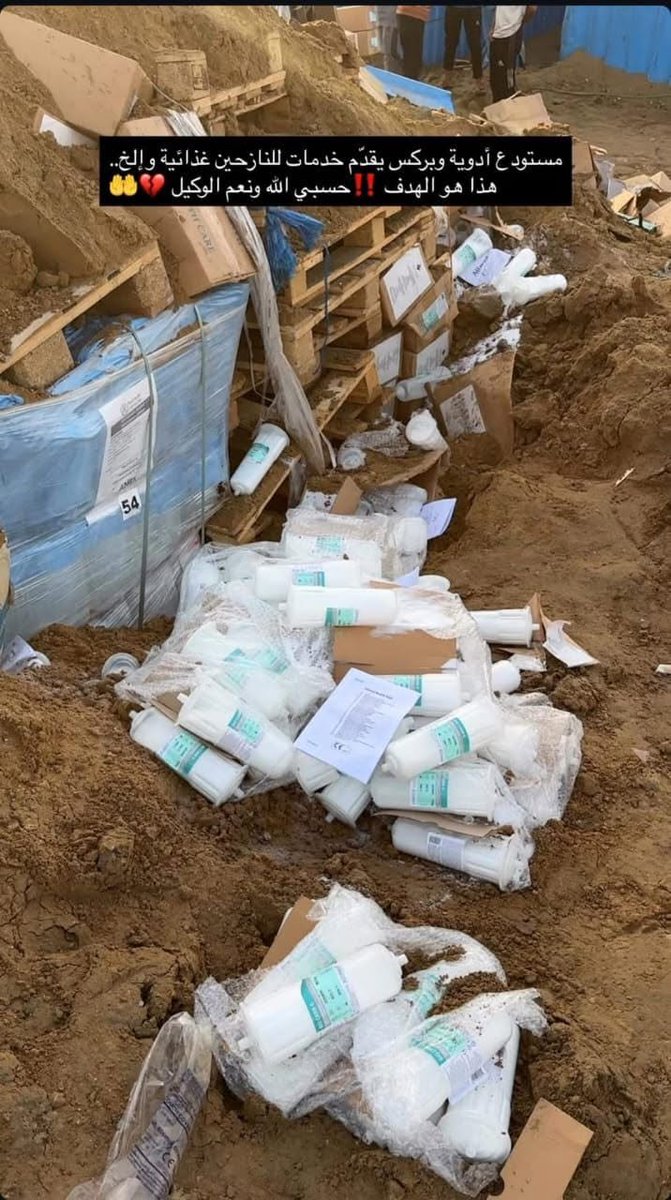
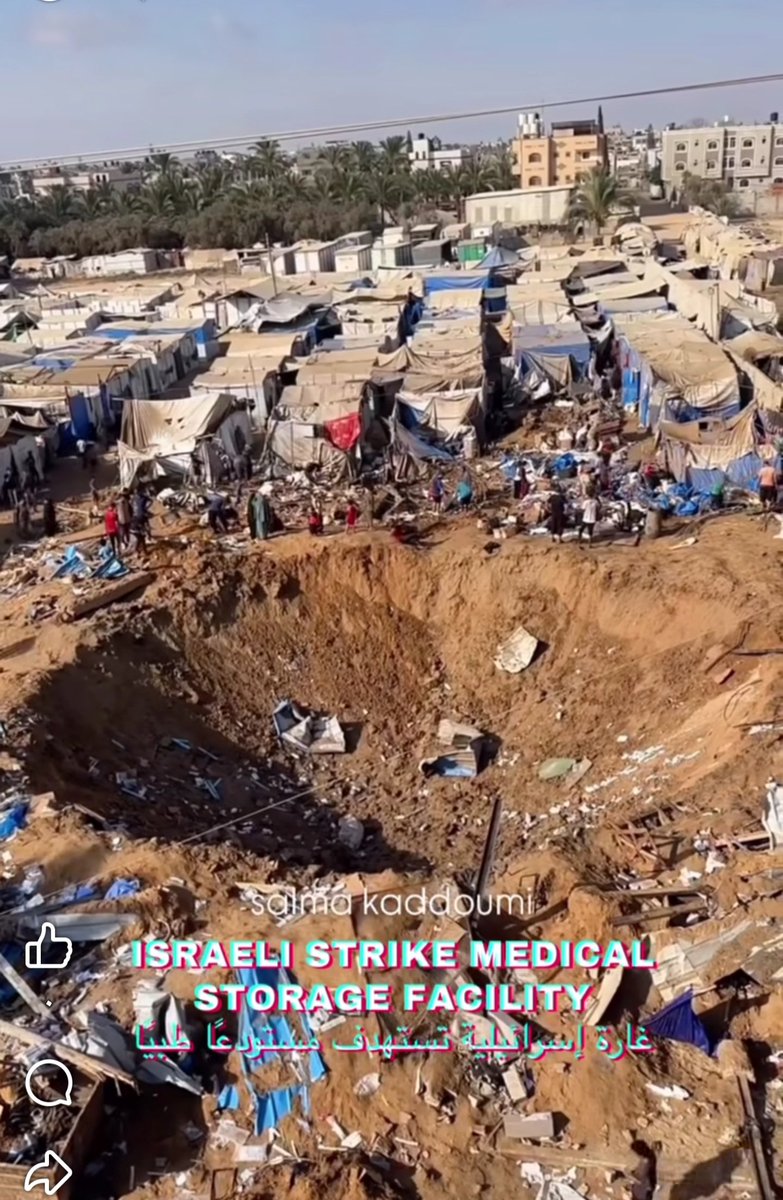
استهداف المربعات السكنية في غزة يمثل خرقًا واضحًا لاتفاق وقف إطلاق النار وأدى إلى تشريد عائلات للمبيت في العراء… الاحتلال استهدف مستودعات الأدوية المركزية في مستشفى شهداء الأقصى التي تضم المخزون الاستراتيجي لوزارة الصحة… تدمير مخزنين من أصل أربعة ألحق أضرارًا كب��رة بالمستشفى ومحيطه… الاستهداف أدى إلى فقدان وتلف كميات كبيرة من الأدوية والمستلزمات الطبية… أكثر من 52% من الأدوية وأكثر من 54% من المستلزمات الطبية غير م��وفرة، بينها مستلزمات غسيل الكلى… استهداف المستودعات عمّق أزمة القطاع الصحي وأثار حالة من الهلع بين المرضى… الحصار ومنع إدخال الأدوية واستهداف ما تبقى من المنظومة الصحية يحرم آلاف المرضى من العلاج… استهداف المستودعات أدى إلى تعطيل بروتوكولات علاجية وخدمات صحية أساسية… تدمير مخازن الأدوية يقضي على ما تبقى من المخزون الاستراتيجي… فقدان هذه المخازن يعني خسارة أدوية منقذة للحياة ويجعل علاج المرضى أكثر صعوبة.
Targeting residential blocks in Gaza constitutes a clear violation of the ceasefire agreement and has forced families to sleep in the open… Israeli forces targeted the central medicine warehouses at Al-Aqsa Martyrs Hospital, which housed the Ministry of Health’s strategic medical stockpile… The destruction of two of the four warehouses caused extensive damage to the hospital and its surroundings… The attack destroyed large quantities of medicines and medical supplies… More than 52% of medicines and over 54% of medical supplies are unavailable, including dialysis supplies… The strike deepened the healthcare crisis and triggered widespread panic among patients… The blockade, restrictions on medical imports, and attacks on the remaining healthcare infrastructure are depriving thousands of patients of treatment… The destruction of the warehouses disrupted essential treatment protocols and healthcare services… Destroying the medicine warehouses wiped out much of the remaining strategic medical stockpile… The loss of these warehouses means losing life-saving medicines and making patient care even more difficult.
غزة... البوصلة بين الحق والباطل
لم تعد غزة مجرد بقعة جغرافية محاصرة أو ساحة حرب، بل أصبحت البوصلة الأخلاقية والسياسية التي تكشف حقيقة مواقف الدول والمؤسسات والأفراد. فمنها يُعرف من يقف مع القانون الدولي، ومن يبرر انتهاكه، ومن ينحاز إلى الإنسان، ومن يختار الصمت أو التواطؤ.
ومنذ اندلاع هذه الحرب، لم يقتصر الاستهداف على الشعب الفلسطيني، بل امتد إلى كل من طالب بتطبيق القانون الدولي دون انتقائية. تعرضت المحكمة الجنائية الدولية لضغوط غير مسبوقة، وشُنّت حملات سياسية وإعلامية ضد المقررة الخاصة للأمم المتحدة فرانشيسكا ألبانيزي، كما واجهت حكومات أوروبية ��بنت مواقف أكثر استقلالًا تجاه الحرب على غزة ضغوطًا وأزمات سياسية متلاحقة.
وفي خضم الأزمة الأوروبية الأخيرة المتعلقة بالهجرة، وما رافقها من انقسامات حادة بين عدد من العواصم الأوروبية، برزت مجددًا حقيقة أن الملفات الإنسانية أصبحت ساحةً للصراع السياسي، وأن المواقف المستقلة في القضايا الدولية قد تترتب عليها أثمان سياسية باهظة. وقد تختلف التفسيرات حول أسباب هذه التطورات، لكن المؤكد أن الدفاع عن العدالة والتمسك باستقلال القرار أصبح أكثر كلفة من أي وقت مضى.
إن استهداف المؤسسات القضائية الدولية، ومحاولة تشويه الشخصيات الأممية، والضغوط التي تواجه الأصوات المطالبة بالمحاسبة، ليست مجرد أحداث متفرقة، بل تعكس حجم القلق من اتساع دائرة الوعي العالمي بحقيقة ما يجري في غزة.
لكن التاريخ يعلمنا أن الحقيقة لا تُقاس بحجم الحملات التي تستهدفها، ولا تُهزم بالضغوط السياسية، ولا تموت بالتشويه الإعلامي. فكلما اشتدت محاولات إسكات الأصوات الحرة، ازدادت الحقيقة وضوحًا، واتسعت دائرة من يحملها ويدافع عنها.
لقد أصبحت غزة اليوم الاختبار الأكبر لضمير العالم، والميزان الذي تُقاس به صدقية الشعارات التي طالما رفعتها الدول حول حقوق الإنسان والعدالة وسيادة القانون.
قد تتأخر العدالة... لكنها لا تسقط بالتقادم، وقد تُحاصر الحقيقة... لكنها لا تُهزم، لأن الضمير الإنساني إذا استيقظ، فلن تستطيع أي قوة في العالم أن تعيده إلى الصمت.
Gaza... The Compass Between Right and Wrong
Gaza is no longer merely a besieged territory or a battlefield. It has become the moral and political compass by which the world reveals its true positions. It is through Gaza that we distinguish those who stand for international law from those who justify its violation, those who defend human dignity from those who choose silence or indifference.
Since the outbreak of this war, the pressure has not been directed solely at the Palestinian people. It has also extended to those who have called for the impartial application of international law. The International Criminal Court has faced unprecedented political pressure, while UN Special Rapporteur Francesca Albanese has been subjected to sustained political and media attacks. At the same time, several European governments that adopted more independent positions regarding the war in Gaza have encountered growing political challenges and pressure.
The recent disputes within Europe over migration have further illustrated how humanitarian issues can become instruments of political confrontation. Interpretations of these developments may differ, but one fact remains clear: defending justice and maintaining an independent political stance has become increasingly costly.
Attempts to undermine international judicial institutions, discredit UN officials, and pressure those calling for accountability should not be viewed as isolated incidents. Rather, they reflect growing concern over the expanding global awareness of what is unfolding in Gaza.
History teaches us that truth is not defeated by political pressure, nor erased by campaigns of defamation. On the contrary, every attempt to silence independent voices often strengthens the determination of those committed to justice and amplifies the reach of the truth.
Today, Gaza has become the world's greatest moral test—the measure by which the credibility of international commitments to human rights, justice, and the rule of law is judged.
Justice may be delayed, but it cannot be extinguished. Truth may be challenged, but it cannot be erased. And once the human conscience awakens, no force can return it to silence.
حين تُقصف الأدوية... يصبح المرض سلاحًا للحرب
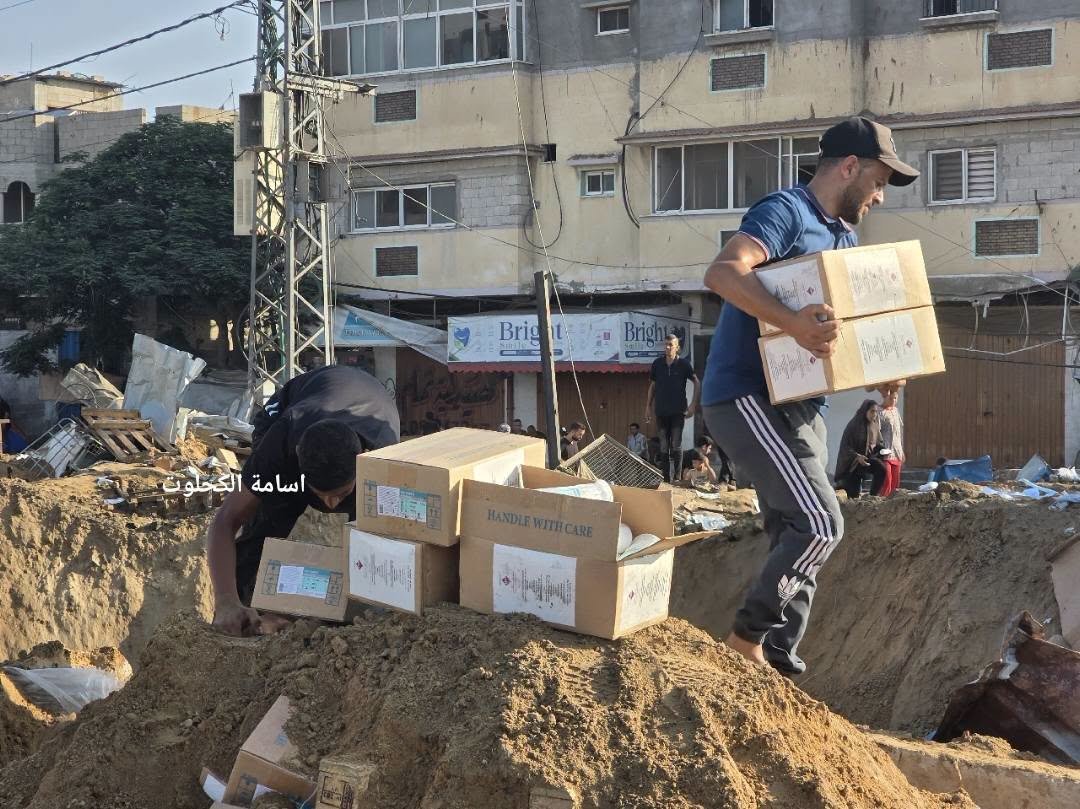
لم يعد الاستهداف يقتصر على المرضى أو الطواقم الطبية أو المستشفيات، بل امتد اليوم إلى مستودعات الأدوية نفسها. فقد استهدف الاحتلال الإسرائيلي بركس الأدوية التابع لقسم الكلى داخل مستشفى شهداء الأقصى، خلف مبنى العيادات الخارجية، بعد اتصال مسبق، ما أدى إلى تدميره بالكامل، كما دمّر مخيمًا مجاورًا للنازحين وألحق أضرارًا واسعة بخيام المدنيين المحيطة.
إن استهداف مستودع للأدوية في وقت يعاني فيه القطاع الصحي من عجز يبلغ 51% في قائمة الأدوية الأساسية، و59% في المستهلكات الطبية، مع توقف 22.5% من أجهزة المختبرات بسبب نقص قطع الغيار، ليس حادثًا عابرًا ولا هدفًا عسكريًا، بل يمثل ضربة مباشرة لما تبقى من شريان الحياة داخل المستشفيات.
عندما تُدمَّر الأدوية، فإن مرضى الكلى يفقدون علاجهم، ومرضى السرطان تتوقف بروتوكولاتهم العلاجية، والعمليات الجراحية تصبح أكثر خطورة، وأقسام الطوارئ والعناية المركزة تُحرم من أبسط المستلزمات المنقذة للحياة.
إن تدمير مستودعات الأدوية في ظل هذا العجز الكارثي يعني عمليًا تعميق الأزمة الصحية، وتسريع انهيار المنظومة الطبية، وحرمان آلاف المرضى من حقهم الأساسي في العلاج. فالحرب هنا لا تستهدف الحجر فقط، بل تستهدف الدواء، والعلاج، وفرصة الإنسان في البقاء على قيد الحياة.
إن حماية المخازن الدوائية والإمدادات الطبية ليست مطلبًا إنسانيًا فحسب، بل التزام يفرضه القانون الدولي الإنساني، الذي يحظر استهداف المرافق والمواد الطبية المخصصة لعلاج المدنيين. وما يجري اليوم يضاعف معاناة المرضى ويهدد حياة من يعتمدون على الدواء يومًا بيوم.
When Medicines Are Bombed… Illness Becomes a Weapon of War
The targeting no longer stops at patients, healthcare workers, or hospitals. Today, it has extended to medical supply warehouses themselves. Israeli forces struck the kidney department's pharmaceutical storage unit at Al-Aqsa Martyrs Hospital, located behind the outpatient building, after issuing a warning call. The strike completely destroyed the warehouse, leveled a nearby displacement camp, and caused extensive damage to surrounding civilian tents.
Destroying a medical warehouse while Gaza's health system is already suffering from a 51% shortage of essential medicines, a 59% shortage of medical consumables, and the shutdown of 22.5% of laboratory equipment due to the lack of spare parts is not an incidental event. It is a direct assault on one of the last remaining lifelines of healthcare.
When medicines are destroyed, kidney patients lose their treatment, cancer therapies are interrupted, surgeries become more dangerous, and emergency and intensive care units are deprived of life-saving supplies.
The destruction of pharmaceutical warehouses amid such catastrophic shortages means deepening the health crisis, accelerating the collapse of the healthcare system, and denying thousands of patients their fundamental right to medical treatment. The target is no longer buildings alone—it is medicine, treatment, and ultimately the patient's chance to survive.
Protecting medical warehouses and healthcare supplies is not only a humanitarian imperative but also an obligation under international humanitarian law, which prohibits attacks on medical facilities and supplies intended for civilian care. What is happening today further compounds human suffering and places countless lives at even greater risk.