Postdoc on the IRC-funded project 'Imperial Minerals', at UCD. PhD in English, Melbourne U. extractivism; infrastructure; petitions; global 19c literature
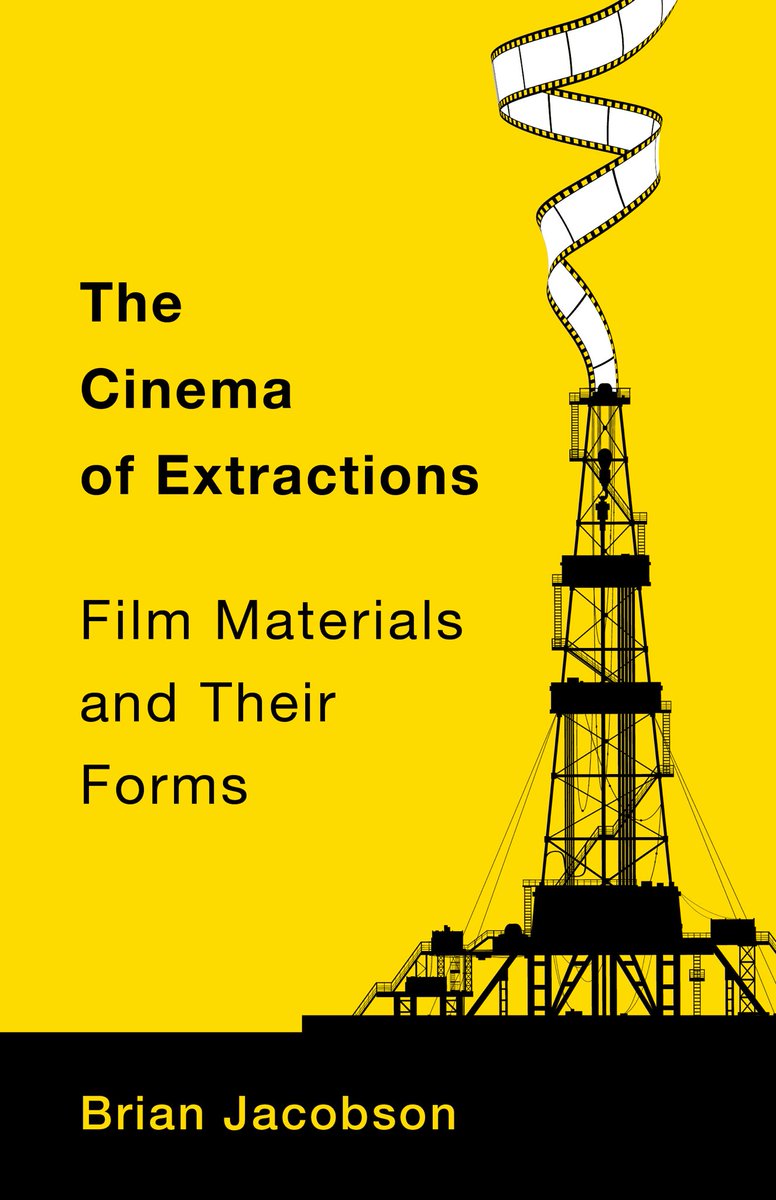
Our final online Minerals roundtable will explore extractivism and material histories on Monday 28 April, 9am (Dublin). Our fantastic line-up of speakers:
Dr Madhavi Jha
Dr Oliver Tappe
Dr Nicholas Y. H. Wong
Register here 👇 https://t.co/QRqBhV1meC
Our next TTiN event!
"Loving Infrastructures: Holding Onto the Ordinary"
with Rhys Williams, Director of the Infrastructure Humanities Group
5.30pm, Thursday 27 Feb – all welcome, registration and more details at this link: https://t.co/gm3MpEYvWH
Join our online roundtable on April 7th and explore how literature, art, and more represent the stories of extraction with experts! https://t.co/czfb4gS5lA
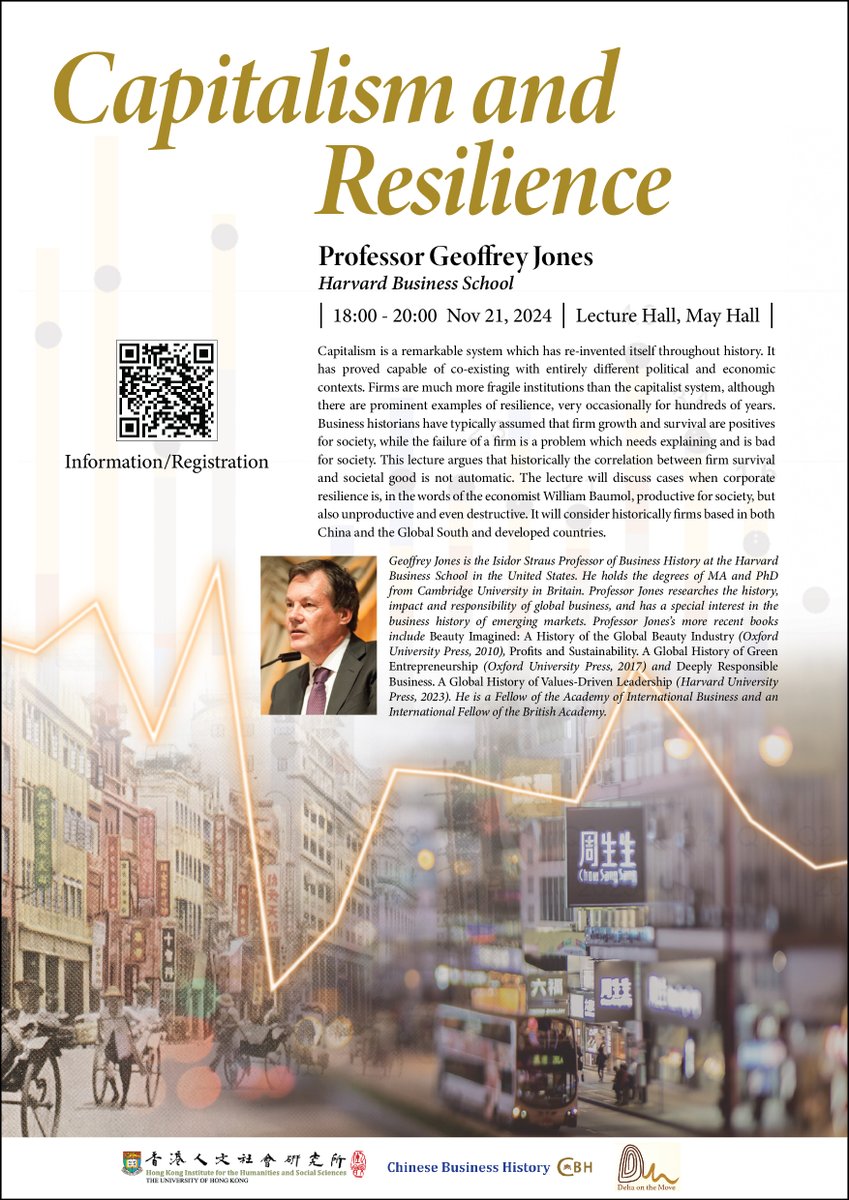
🌟 Join us in person for a thought-provoking public lecture on Capitalism and Resilience by Professor Geoffrey Jones from Harvard Business School!
📅 Nov 21, 2024 (Thu) 18:00-20:00 HKT 📍HKU
Register now: https://t.co/t1ZxdoVMcS
#businesshistory@HarvardHBS@HKUniversity@hkihss
📢Our Minerals Online Roundtable II: 'Extraction and Racial Capitalism' happening on Nov 21, 3-4:10 pm (Dublin time)! Join us for a discussion with @danielle_kinsey from Carleton, @RebeccaMacklin_ from Aberdeen, and Dr Nick McGee from Durham. https://t.co/m9FYTjoLwr
Save the date!
Tuesday 16th November, 5pm GMT, Online
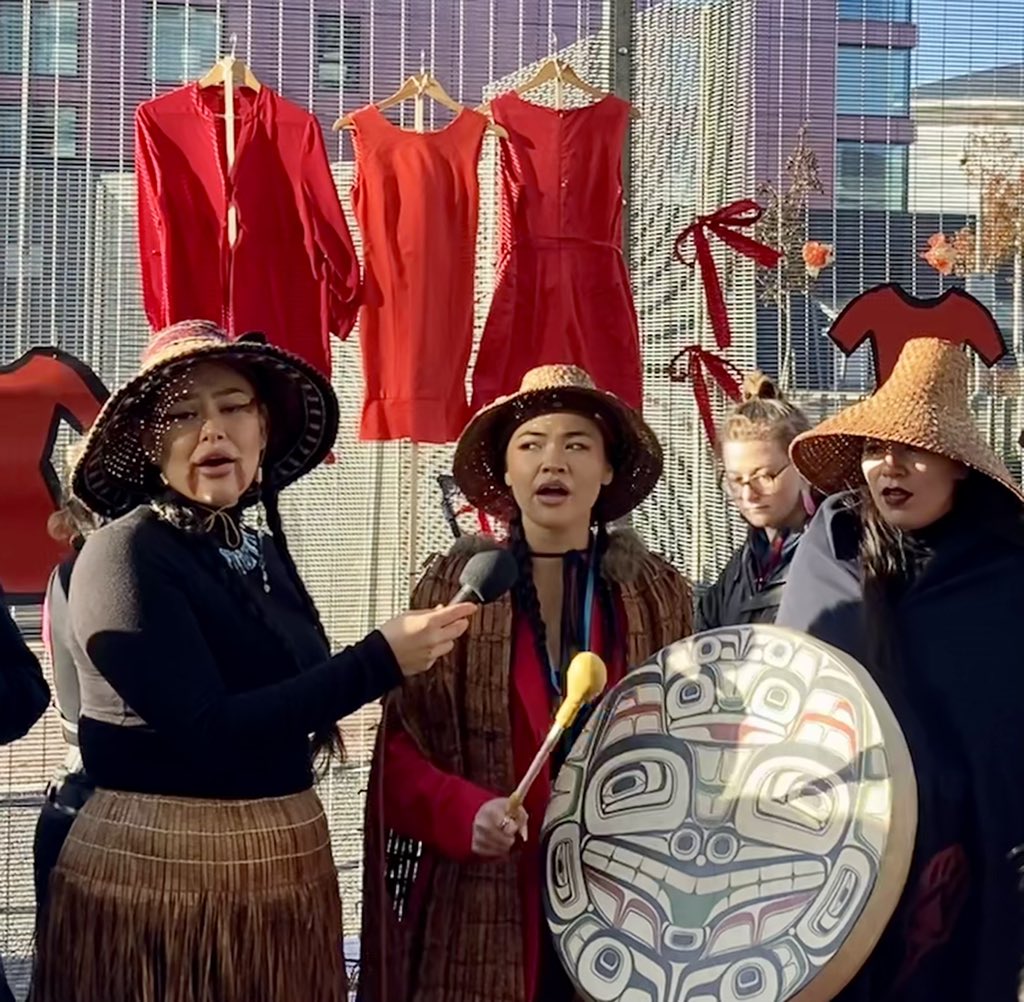
Dispatches from the Frontlines of Environmental Justice:
A conversation on colonial resource extraction, gender violence and #COP26, with Indigenous activists Delee Nikal and Kati George Jim
More details to follow!
Sarah Comyn's 'MINERALS' online series is recommencing this autumn with two exciting roundtables. The first is ‘Extraction, Infrastructures, and Networks’ with @DrDomDavies @nicolakirkby @AimsMcGuinness Thurs 17 Oct 4:30PM (UTC+1). Register:
https://t.co/IFGPSb8Xeg
In 2025, we're launching ‘South Asian Britain: Connecting Histories’, a digital resource which will showcase South Asian people, events and organizations from across the UK, between 1830-present. We're hosting workshops to gather feedback on the resource. Message us to register!
What does coal mining infrastructure have to do with nineteenth-century British landscapes? A lot, I argue.
(in nonsite, May 2024)
https://t.co/KRzTRn1umB
“Victorian Energies: Sucrocultures, Carbocultures, and Petrocultures in the Long Nineteenth Century": Victorian Review Special Issue https://t.co/D9VGVLcgG9
Just finished reviewing several hundred applications for a very selective PhD program (3% acceptance rate). I’d like to share a few tips on how to write a strong research statement and avoid common mistakes.
First, the sad reality: we receive many statements that seem to be written by ChatGPT. Using ChatGPT to refine your writing is fine, but overrelying on it is a recipe for failure, because ChatGPT produces just average outputs. If you’re applying for a selective program, you don’t want to be average, you want to stand out. So:
Tip 1: Be unique, show what unique contribution you can bring.
Many candidates focus solely on how a PhD would advance their career. This is a mistake. You don’t have to talk only about your interests but also about ours. The trick is to align your interests with those of the institution. You have to argue why you would be an added value for the institution.
Tip 2: Show how you would benefit from the program AND how the institution would benefit from you.
Many applicants write impersonal statements that could be (and probably are) submitted to many institutions. This is another common mistake. If you want to work with us, show us why. Name specific faculty members you wish to collaborate with and reach out to them before applying. But don’t send impersonal emails to dozens of professors: we appreciate genuine interest from prospective students, but we don’t like to be spammed.
Tip 3: Explicitly name potential supervisors and contact them beforehand. But don’t spam
Many candidates write super long and detailed research projects, while others write just a few vague lines about their research interests. Neither is optimal. Your project is likely to change a lot during your PhD, so there’s no point in writing a detailed research project. On the other hand, we’d like to see that you have an idea of the open problems in the field and that you have a strategy to address them.
Tip 4: Focus on one important research question and give us an idea of how you plan to address it.
I hope this is useful. Feel free to ask questions.
Good luck with your application!
I just realised that this article was out weeks ago. It’s such pleasure to have published my first peer reviewed article about Trollope with Victorian Review! Many thanks for the editorial team for their extraordinary patience and help throughout.
Check out Ge Tang's blog post on Anthony Trollope's fashion sense in The West Indies and the Spanish Main. Full article in the latest issue of Victorian Review, 49.1.
https://t.co/gd5dCQtA2y
I'm thrilled to share that Dr Jarrod Hore, from the University of New South Wales, Sydney, will deliver a seminar titled 'Earth Science from the Geological South', for our MINERALS project, at UCD and online, tomorrow (Jun 19) at 2 pm, Dublin time. https://t.co/JguoynLnUw
Calling all BAVS members: check your emails for a video workshop on Beyond the ‘Obvious’: Exploring Careers for Victorianists with Dr. Holly Prescott @holby83, PhD Careers Specialist. Follow-up live Q&A on Tuesday 11 June at 5pm (BST).
BAVS Funding Grants – forthcoming deadline:
The deadline for the next round of BAVS funding applications is 31 May 2024. Full details can be found on the BAVS website at https://t.co/5Ym9q6XQS5