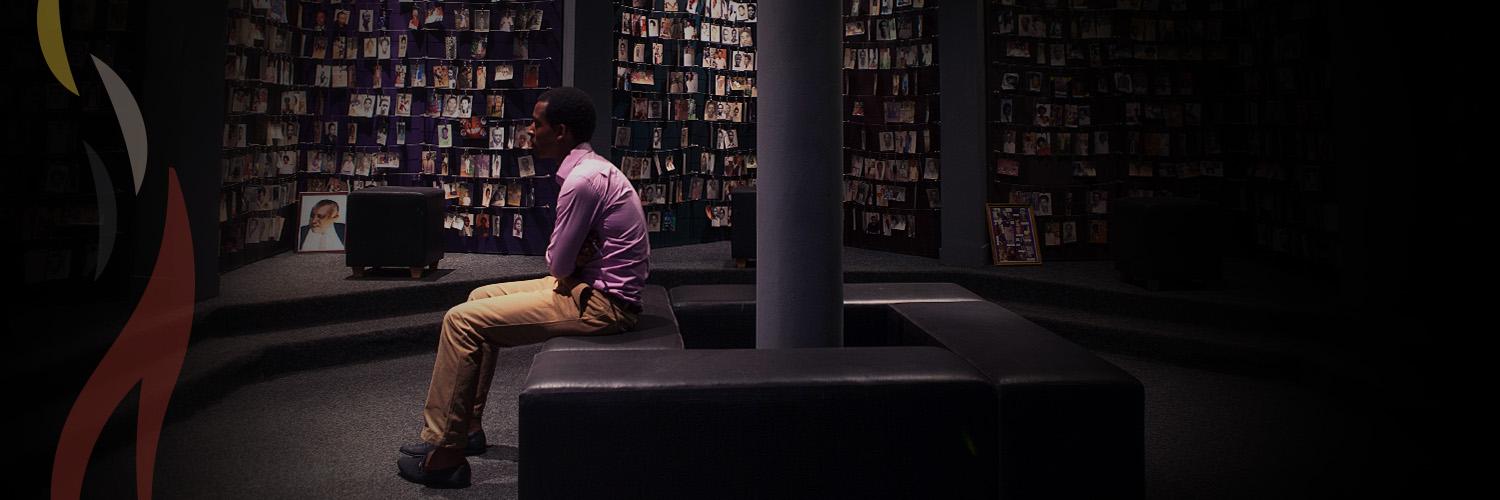
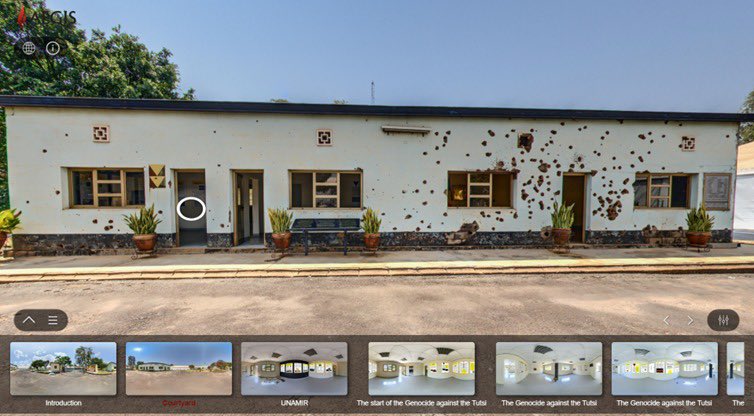
The Camp Kigali Belgian Peacekeepers virtual tour is just one of many virtual tours available on the Genocide Archive of Rwanda's platform. The Archive has previously mapped and documented 20 other Genocide memorials https://t.co/QZGEjzK5o1
Thanks to the remarkable capabilities of technology, these resources are now available to future generations for educational & research purposes. By preserving Genocide landmarks & making them accessible through virtual tours, we are able to share Rwanda's history with the world.
For over two decades, Aegis Trust has been dedicated to memory preservation and peace education, providing programs and initiatives aimed at preserving historical documents, photographs, and audiovisual testimonies from both survivors and perpetrators. #Kwibuka29
We invite all online users to visit https://t.co/l7kgLzUUWV, where they can find more historical information &resources to help them understand Rwanda's pre, during, and post-Genocide history. By educating ourselves and others about the past, we can build a better future for all.
We are grateful for the continued collaboration and support of the @BelgiumRwanda as we work to make memory preservation and peace education more sustainable and impactful in Rwanda and beyond. #Kwibuka29
Preserving the memory of the 1994 Genocide against the Tutsi is not only a moral obligation, but also essential to preventing such atrocities from happening again. #Kwibuka29
As #Rwanda marks #HeroesDay2021 in honour of those with heroic acts in our country’s history, we recognize men & women who defended the highest value of #Ubumuntu by rescuing others during the Genocide against the Tutsi. Here are few stories:
https://t.co/f0xBAvYWcn via @YouTube
Our President @PaulKagame said: "We cannot turn the clock back nor can we undo the harm caused, but we have the power to determine the future and to ensure that what happened never happens again".
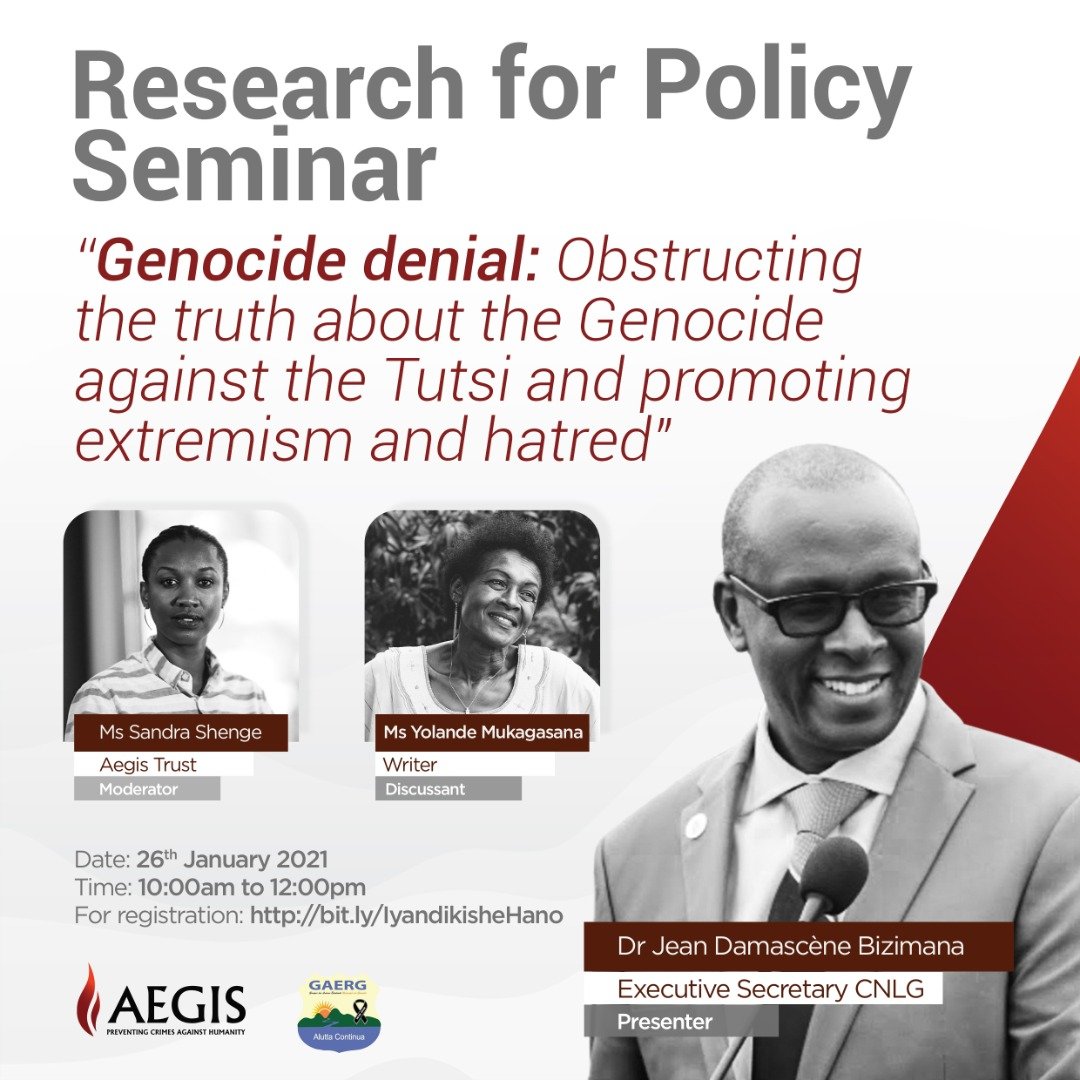
If interested to attend our Policy Seminar register here: https://t.co/bJVKNU3d9d
Genocide physical archive preserves original audiovisual, documentary and photographic materials in a secure, controlled environment managed to international standards. https://t.co/ffL256rYh8
We acknowledge the great contribution and support of local and international partners of @Aegis_Trust in the journey of collection, preservation and digitisation of materials related to the 1994 Genocide against the Tutsi in #Rwanda. https://t.co/YLcb7fiV7E
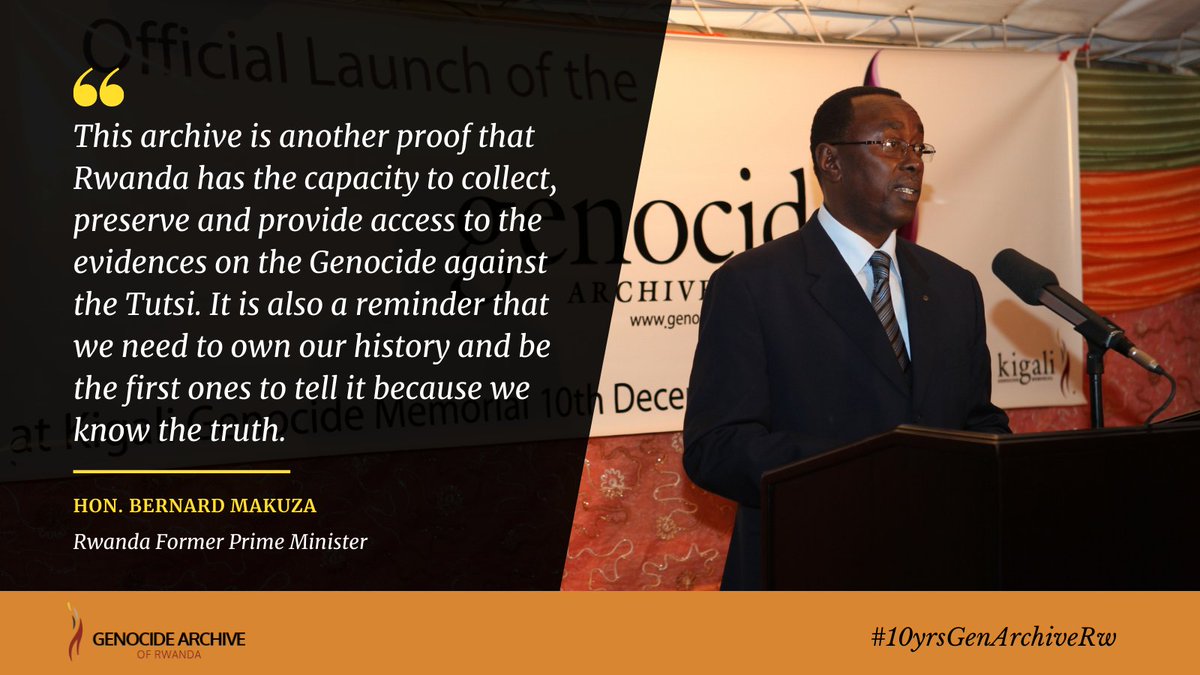
Today marks the 10th anniversary of the Genocide Archive of Rwanda. The world's largest collection of archival information about the Genocide against the Tutsi. https://t.co/ffL256rYh8
The Genocide Archive of Rwanda digital platform is the best tool for Rwandans and the international community to learn about the causes, implementation and consequences of the 1994 Genocide against the Tutsi.
The Genocide Archive of Rwanda serves as an educational tool for learning and research with over 8,000 testimonies, historical photos, videos, documents, audio files and artefacts. https://t.co/ffL256rYh8
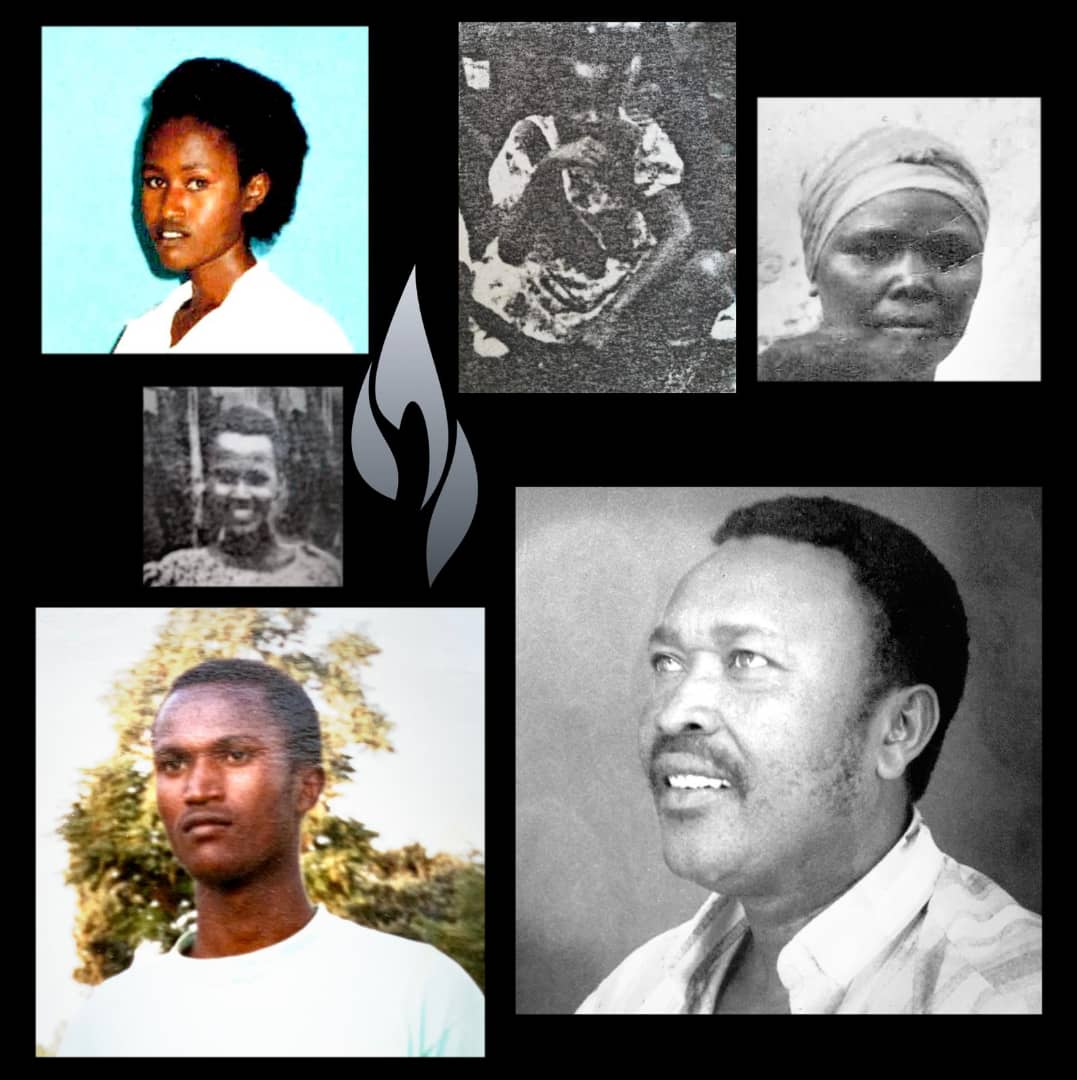
The two other sisters on the photo, were Hassina Gatawa Kagirimpundu, 15, who was still in High School at the Groupe Scolaire Officiel de Butare, and 10 year old Maya Gatawa Uwimana. Maya was a great comedian. All of them were killed between 23 and 24 April 1994.
https://t.co/qRHGNYhTKz Malik's 91 year old grand mother was called Caroline Kamuzima. His father on the lower right side, 47, was called Youssuf Gatawa. He was shot dead by the then Government soldiers from Camp Ngoma.
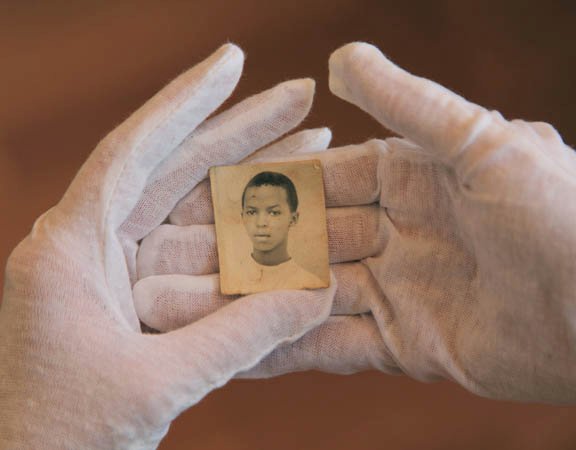
Today we remember and honour the family of Gatawa killed in the Genocide against the Tutsi in 1994. People in this picture were: the father, grand mother, sisters and brother to Mfizi Malik Gatawa, who survived the Genocide. #Kwibuka26
In a white T-shirt, there is Malik's older brother, Issa Gatawa, 23, who was studying economy at the National University of Rwanda where he was killed. On the upper left, it was Malik's older sister, 25, Nadia Mukankusi Gatawa. Malik was her favorite brother.