✨With deep joy and intention, we're sharing Women's Rights Programme Strategic Plan 2025-2028!
Born from 6 months of reflection & reimagining, this framework holds space for curiosity, feminist analysis & collective sensemaking across our community: https://t.co/dvCPYwTdev
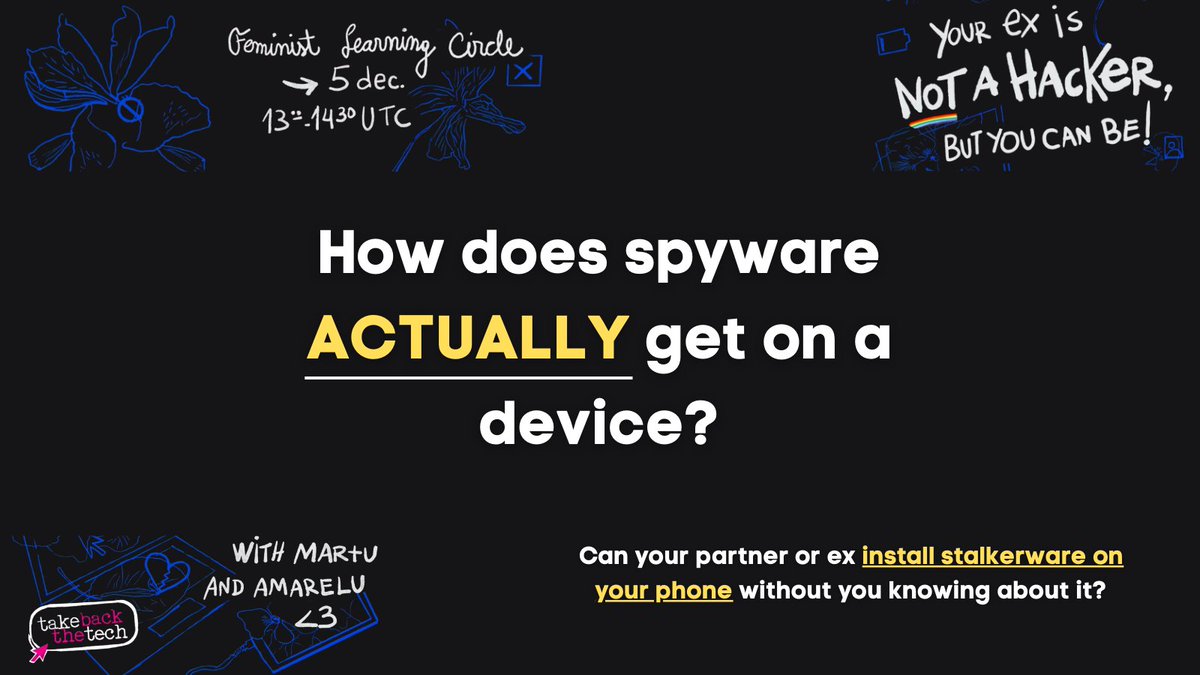
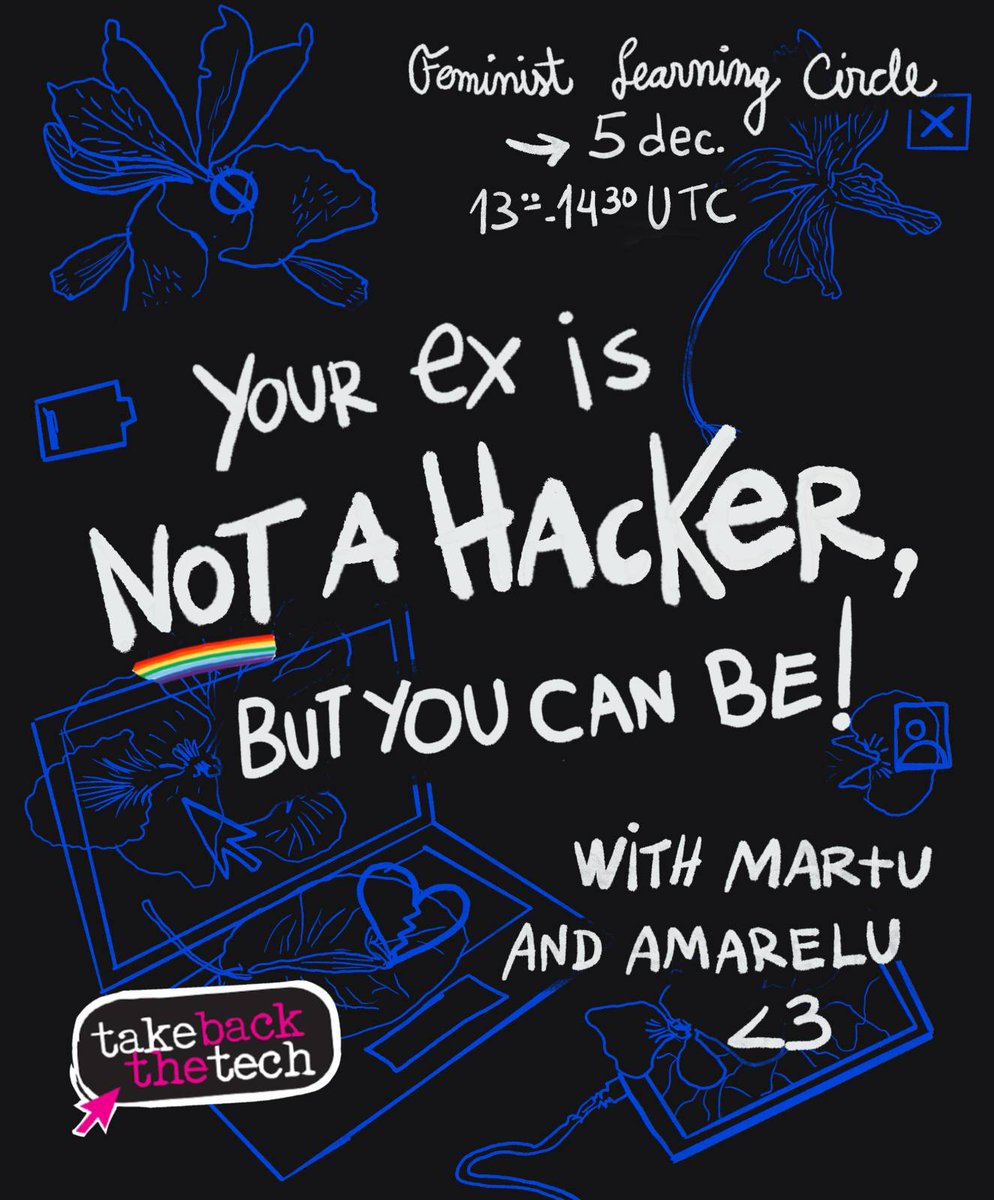
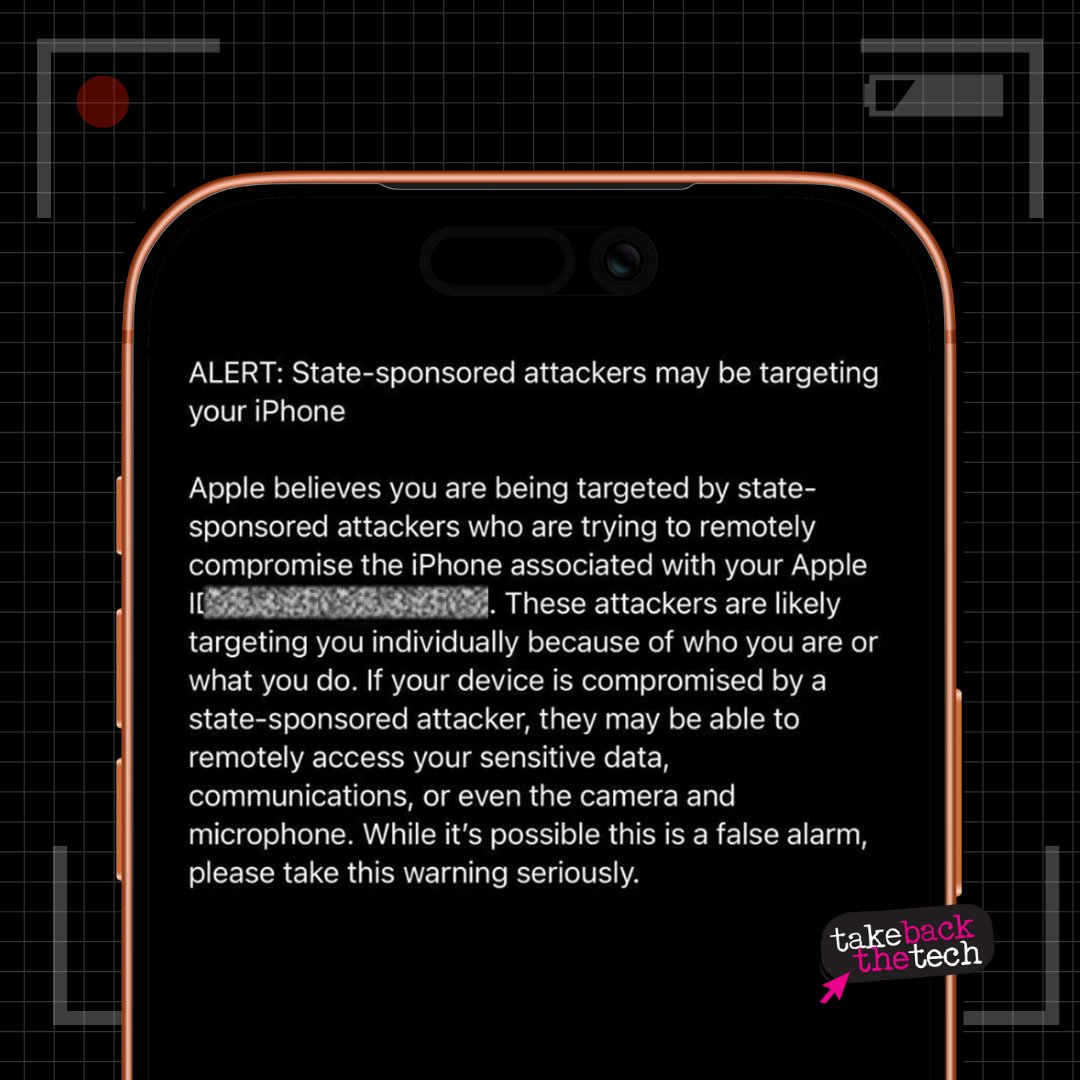
Do you believe your partner is tracking you? Do you feel unable to protect yourself effectively?
We're here for you. Figure out what is really happening with your devices at our #FeministLearningCircle!
Get a quick crash course into Anti-Stalking 101: https://t.co/qrCCbcDBJV
On #WorldDisabilityDay, read about the human cost of RSF’s monopoly on Sudanese communications.
Aid groups, community kitchens and emergency response rooms struggle to deploy resources where they’re most needed. #NoTechForWar#16Days
Read @GenderITorg: https://t.co/NwDDetmtbX
If you consider yourself less tech-savvy than your partner, you might be downplaying your own abilities.
Learn how to use some diagnostic tools and interpret results at our #FeministLearningCircle, thanks to facilitators Amarelu and Martu!
RSVP: https://t.co/qrCCbcDBJV
Coordinated disinformation campaigns use ethnicity and gender to target Muslim women in Sri Lanka.
Fawzul Himaya on how “online safety” laws are often used against free speech, and how solidarity can guide us to a better world: https://t.co/8dtEvYzSM4
#WHRDVoices#16Days
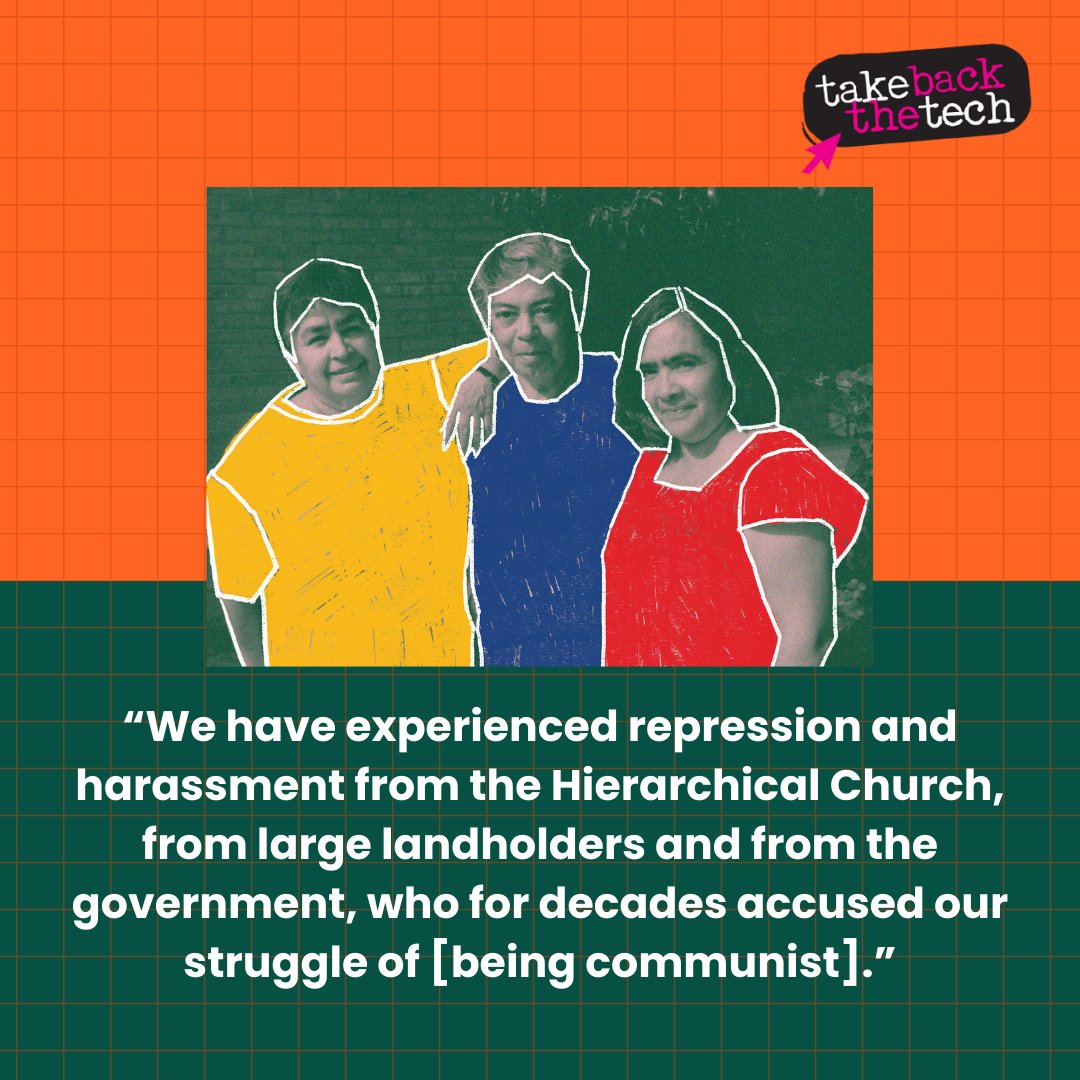
#WHRDVoices: Graciela, a campesina woman deeply rooted to the land, writes about how disinformation campaigns existed before the internet, and its parallels with disinformation campaigns on the internet.
Read on @GenderITorg: https://t.co/8dtEvYzSM4
#SafetyForVoices#16Days
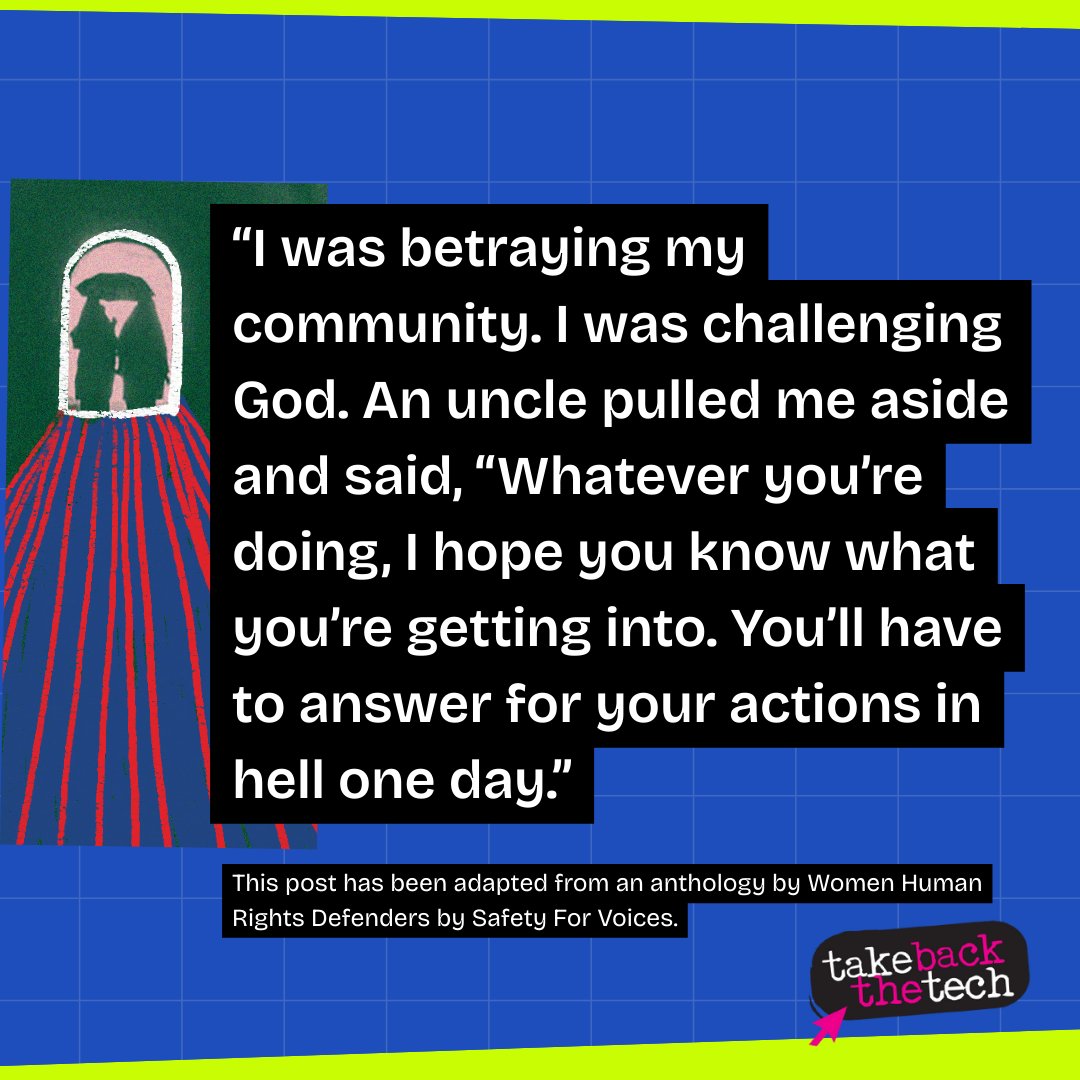
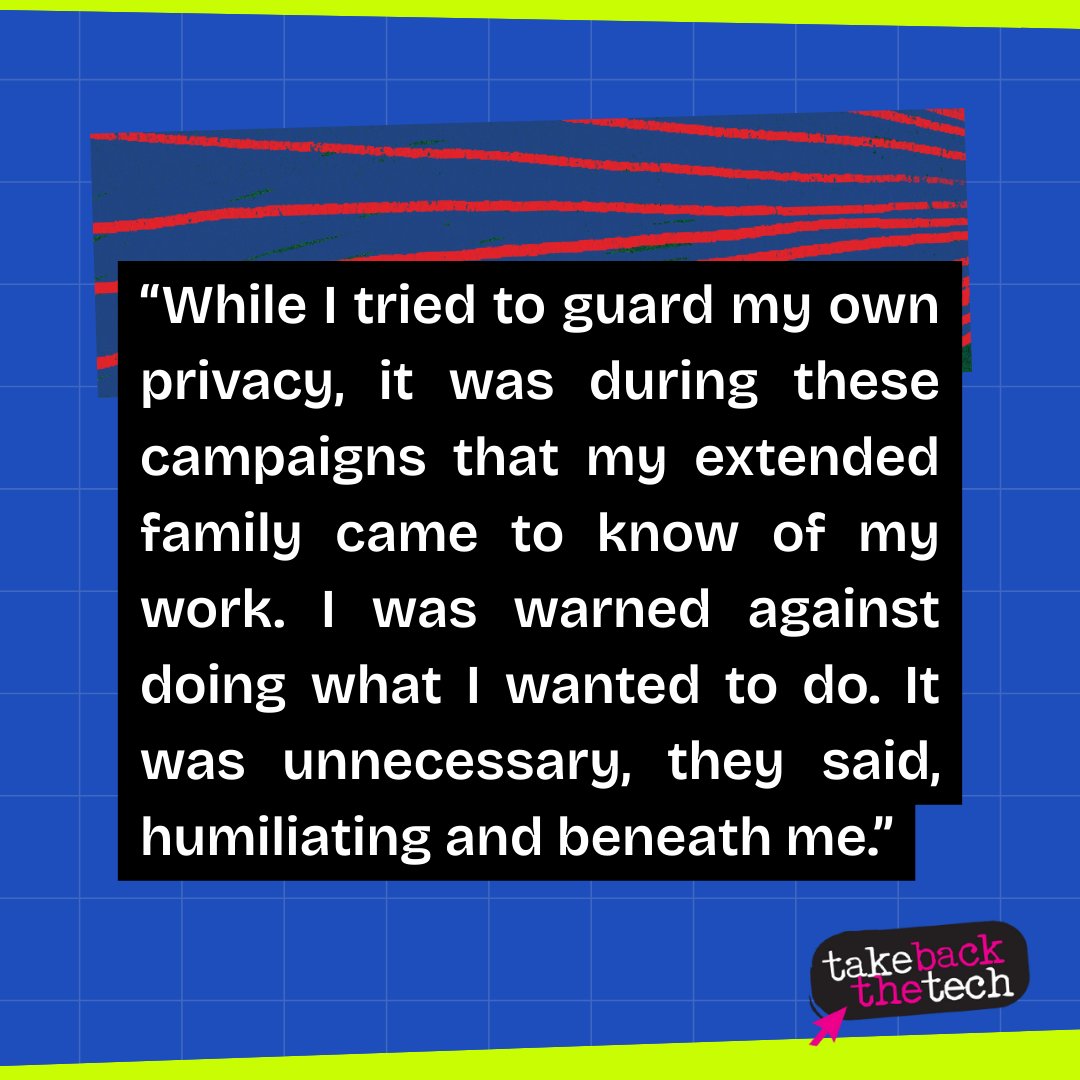
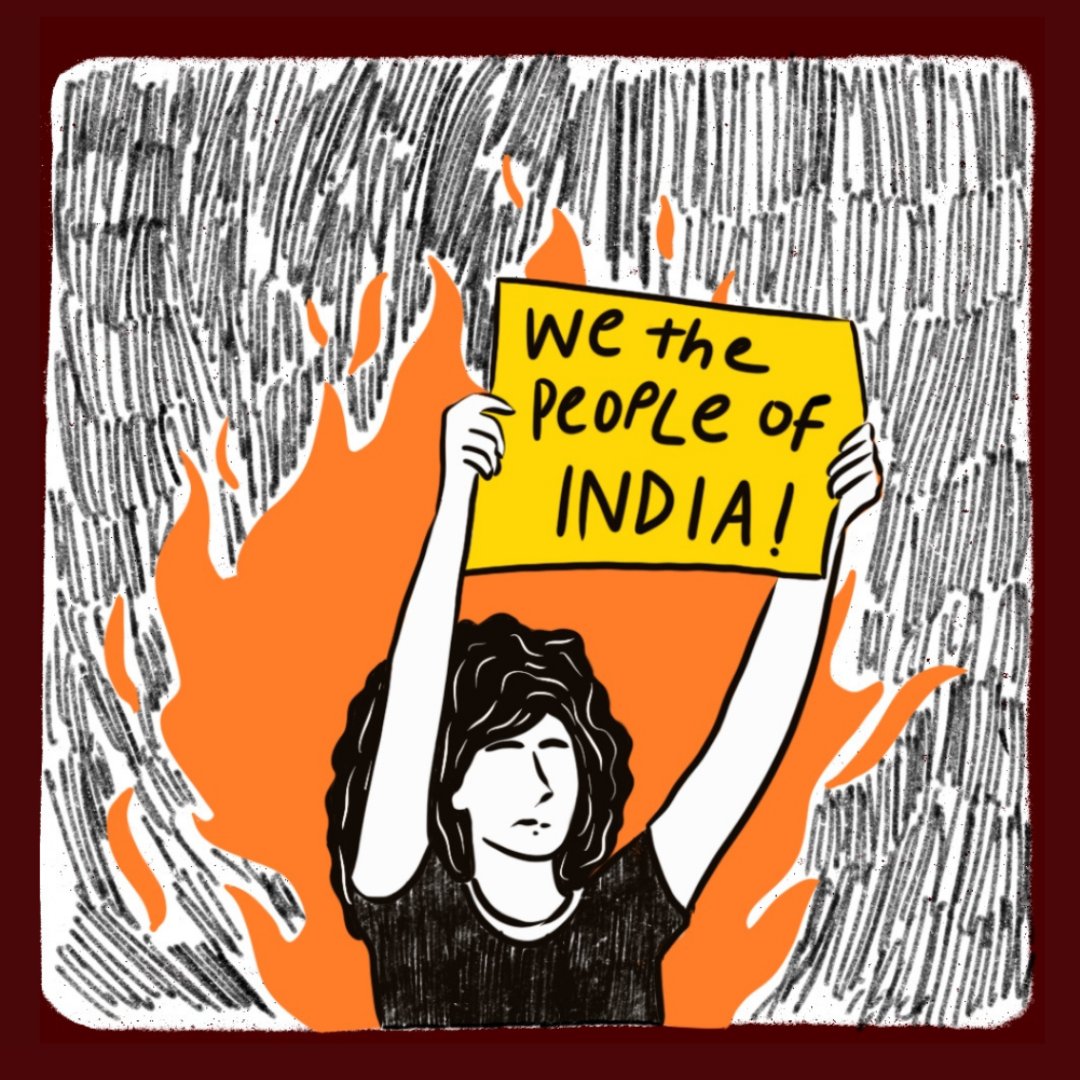
“The moment an opinion divulges from the status quo, their personal identity becomes a weapon for character assassination.”
Have you seen this happen around you? #India
Read on @GenderITorg: https://t.co/px7cmvbPPO
#NoTechForWar#NarrativesOfPower
Laura Vidal dissects repression & resistance in #Venezuela.
Media, technology, and legislation are weaponised to carry out mass surveillance, criminalise dissent, and restrict news — yet, #WomenHumanRightsDefenders lead via creative ways to resist.
Read: https://t.co/446T60nGyX
Is your phone at risk after a breakup?
If you feel helpless/anxious after a breakup — especially as a woman, trans or queer person facing digital violence... this #FeministLearningCircle is for you!
Use diagnostic tools + interpret results in real time: https://t.co/qrCCbcDBJV
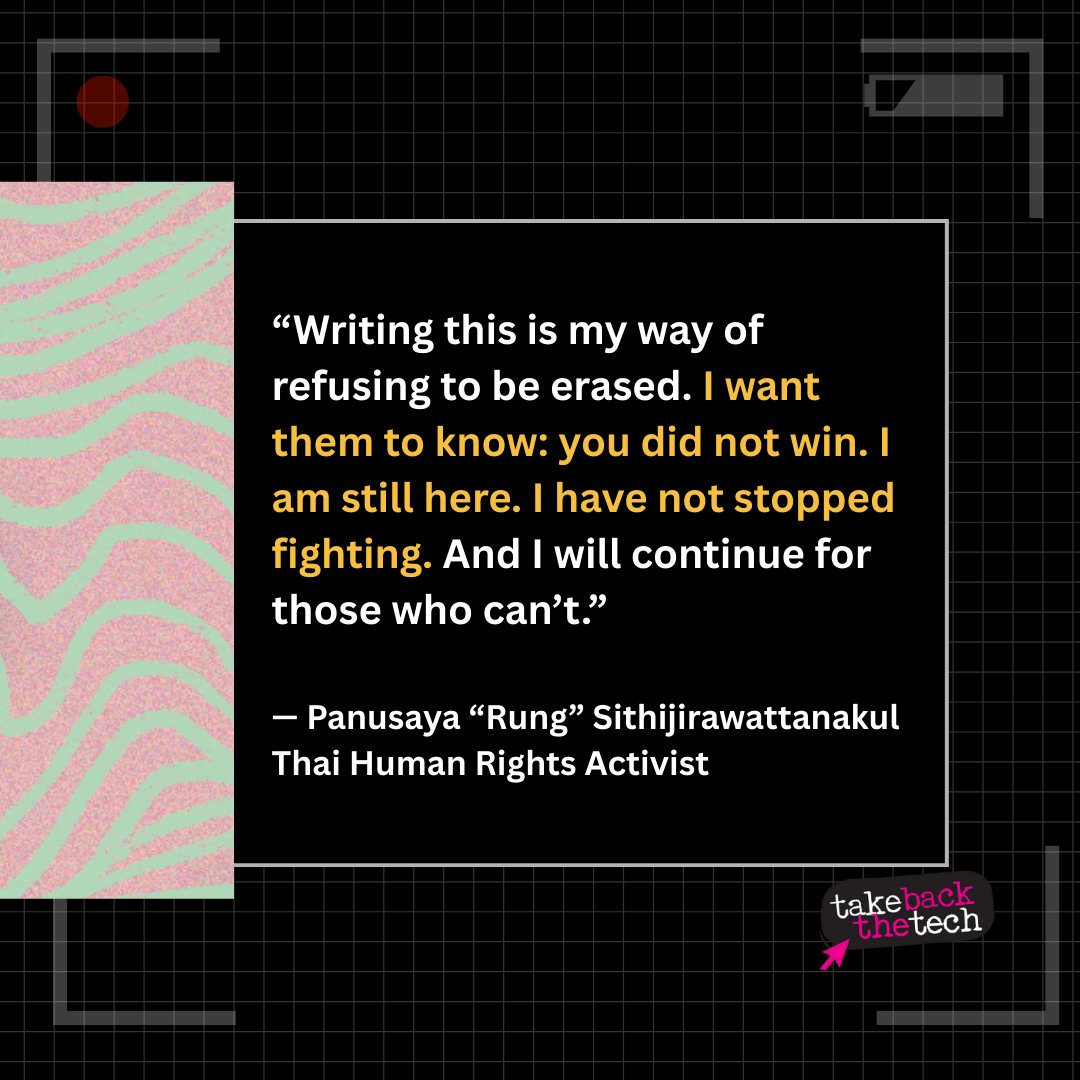
Today, we remember the resilience of women human rights defenders #WHRDDay#16Days
This powerful piece captures the feeling of hopelessness and the resistance that lives unbroken in so many #WomenHumanRightsDefenders around the world.
Read: https://t.co/8dtEvYzSM4 #WHRDVoices
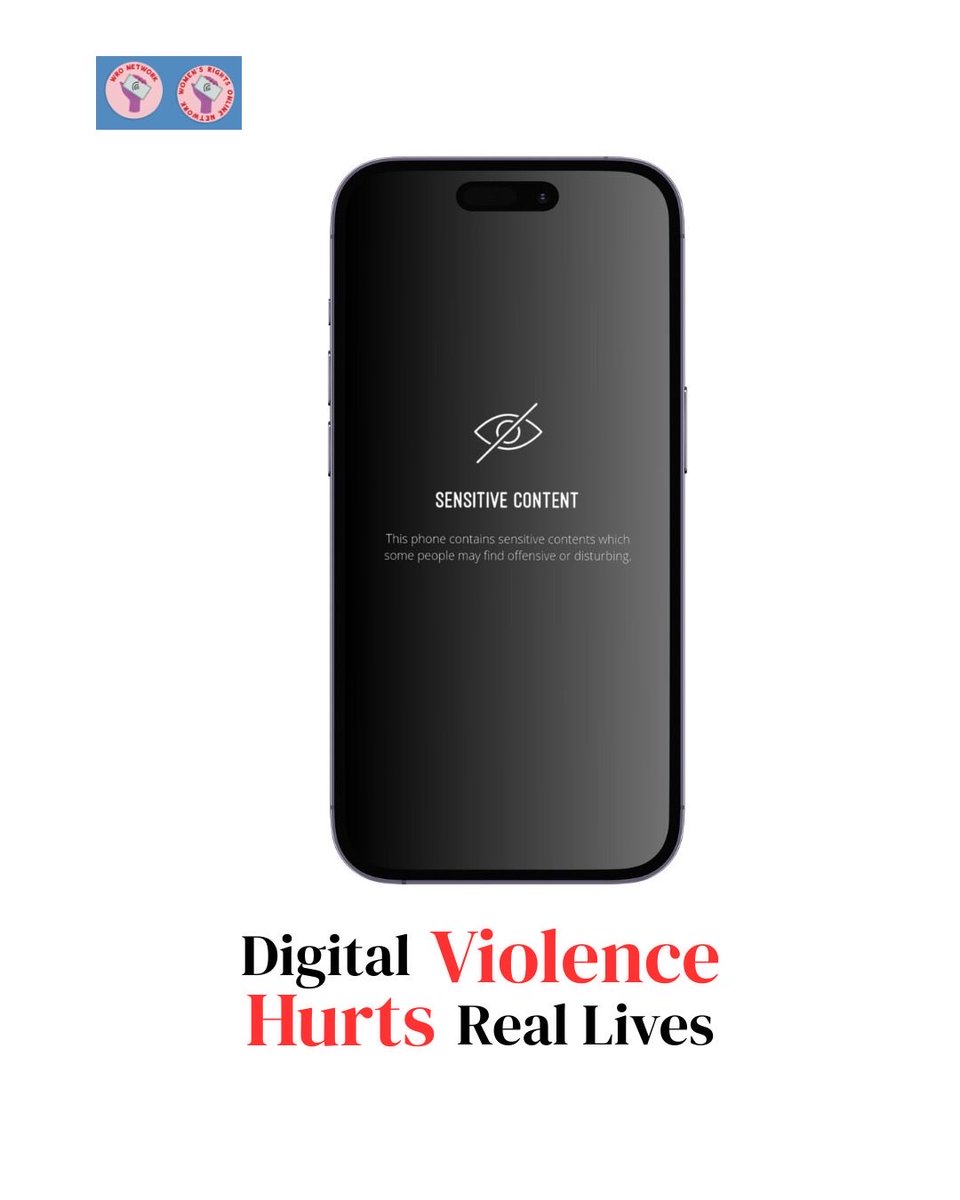
Behind every online attack is a real person facing harm offline. From blackmail on dating apps to hacked websites targeting sex workers, TFGBV is not virtual—it’s visceral.
🔗 Learn more: [https://t.co/pcPwSABaSi]
#16Days#EndTFGBV#FeministInternet#WRONetwork
#TFGBV silences women, shrinks civic and political space, and inflicts psychological and social
harm, undermining equality and participation.
For #UPR51, our recommendations are to #Rwanda but remain applicable to many countries (and platforms) across the world.
These include:
1. Adopt and enforce survivor-centered TFGBV protections aligned with Convention on the
Elimination of All Forms of Discrimination Against Women (#CEDAW).
2. Require social media and digital platforms to strengthen reporting, moderation, and
accountability mechanisms.
The latter recommendation supports our call for platforms to ensure that all women should #BeSafeByDesign by integrating the necessary measures to ensure that women enjoy the full benefits of the #digitalsociety.
Find the full submission here 👉🏾https://t.co/zVK05pJSgZ
#16DaysOfActivism
#16DaysOfActivism2025
#InternetFreedomAfrica
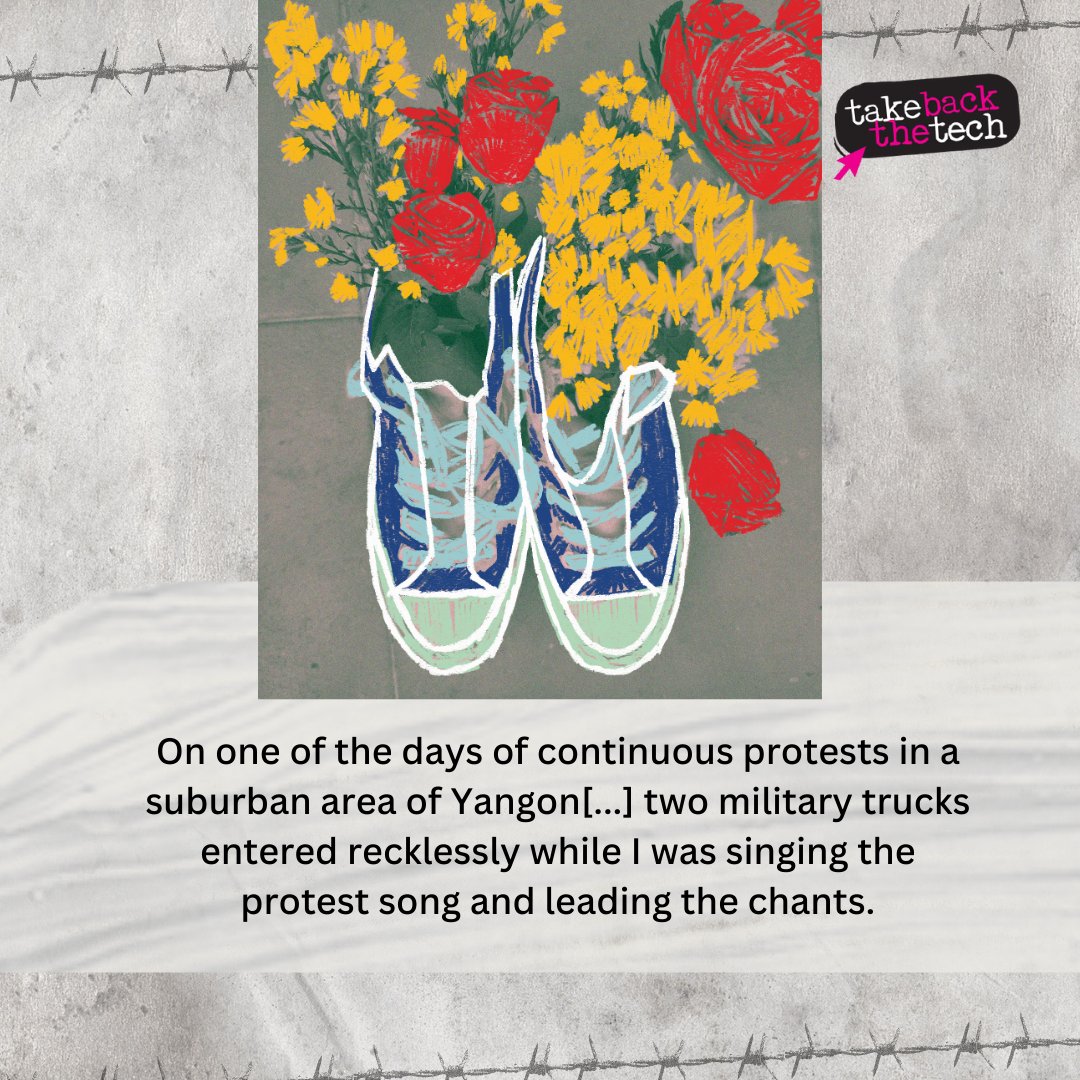
Ma Bee is a #WHRD from #Myanmar, a feminist researcher and founder/editor of Myit Ye See Than Magazine.
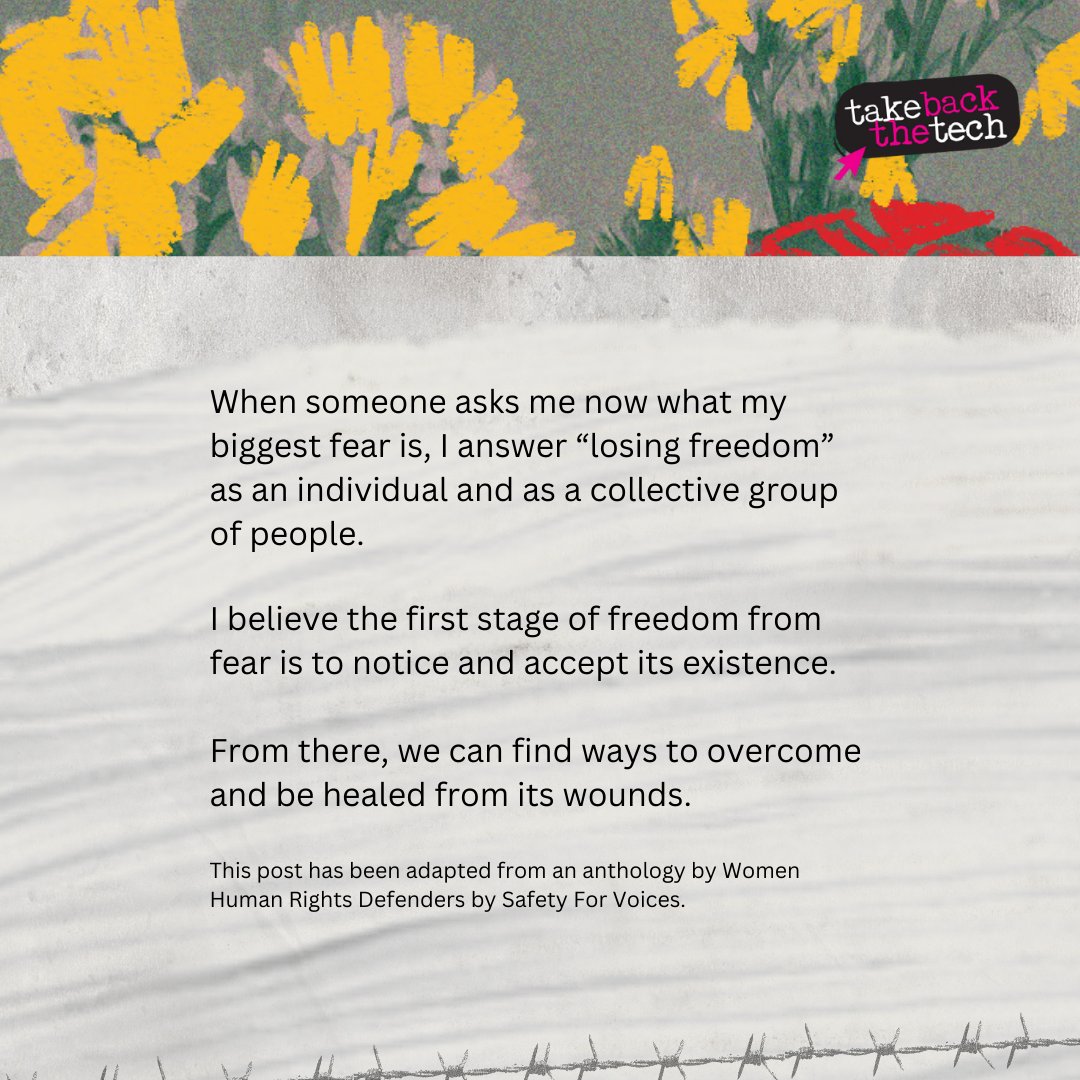
Read about the transformative potential of fear as a reflective tool — for ourselves and our communities.
#WHRDVoices for #16Days — supported by #SafetyForVoices!
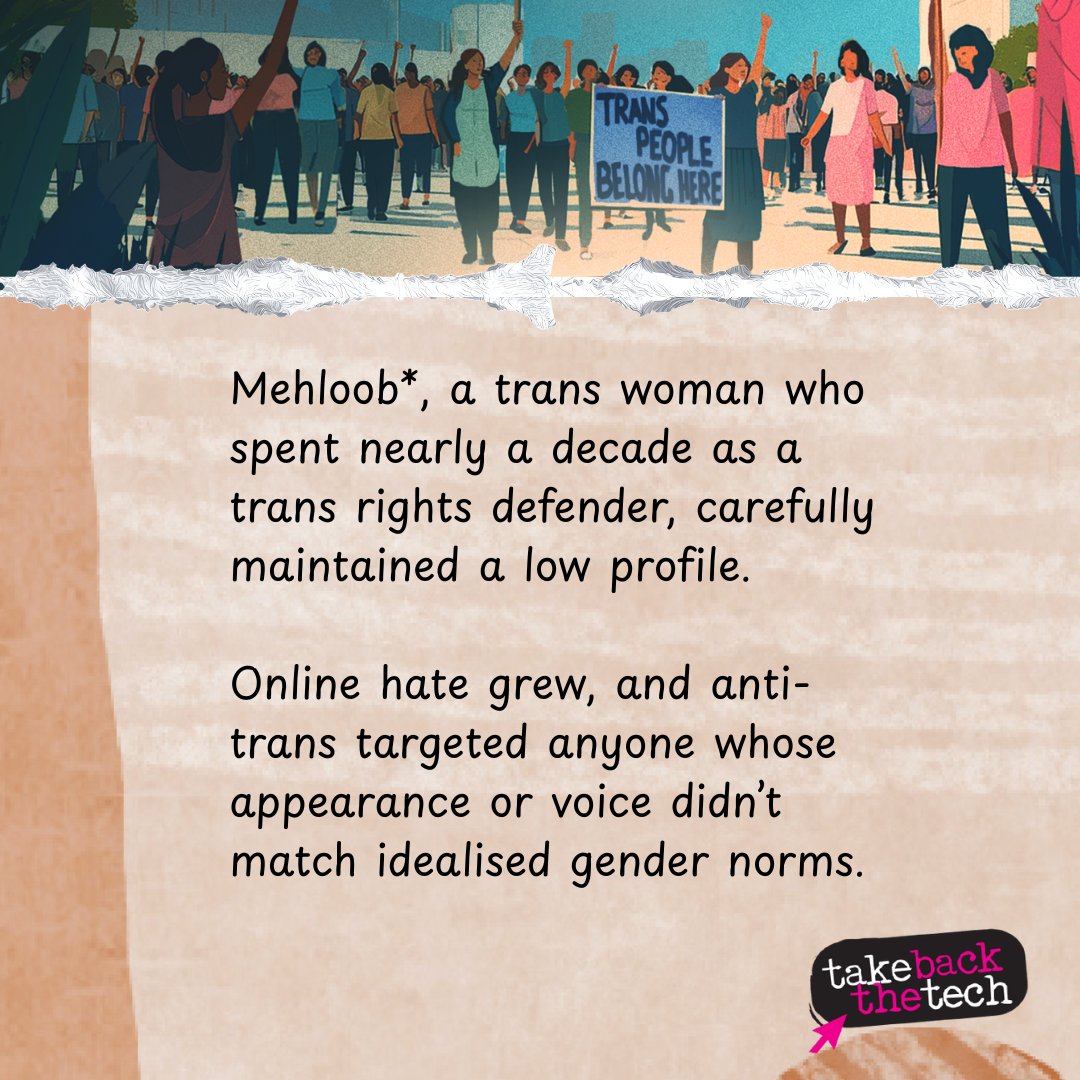
Gendered weapons in an information war look like…
➡️ Self-censorship after after observing fellow trans women being villainised and fetishised online
➡️ Blackmail after creating fake profiles through stolen and leaked media.
...and much more. Read: https://t.co/keyAFB373U
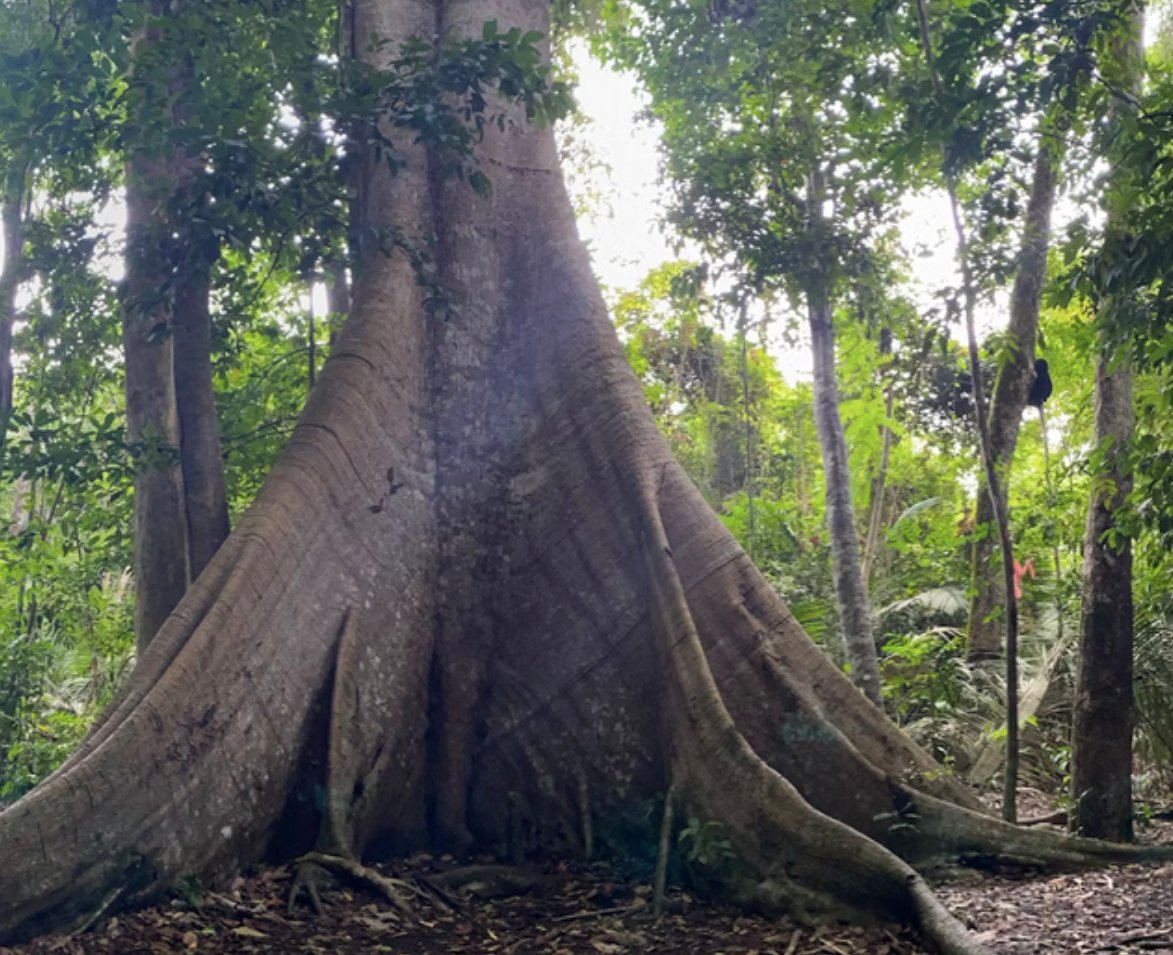
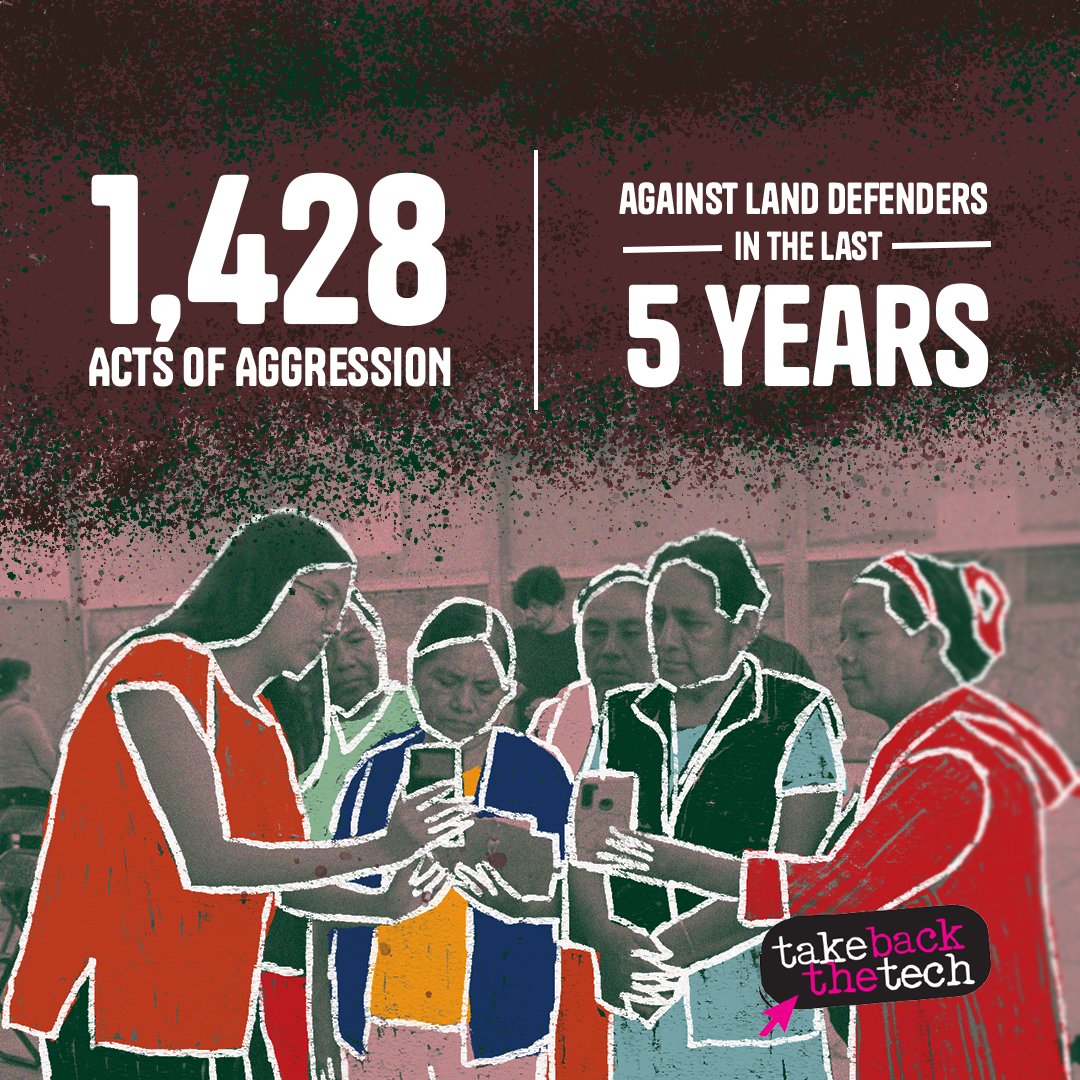
Women human rights defenders working on indigenous ownership of land and territories against extractivist governments and corporations face higher risks & dangers in their everyday life.
Digital security becomes an urgent need that all defenders + communicators must prioritise.
When platforms fail, lives are at risk. In Kenya, queer men are blackmailed through dating apps. In India, a simple photo sparks violent backlash.These are not isolated stories,they’re connected struggles even in Uganda
📢 Join the conversation this #16DaysOfActivism &speak out
#RideRollLead is not just a group, it's a sanctuary where women feel seen, uplifted and empowered — #Pakistani women meet and find community on rides.
#WHRDVoices: Reclaiming public spaces through incredible acts of resilience and mutual aid brings us so much joy! #16Days
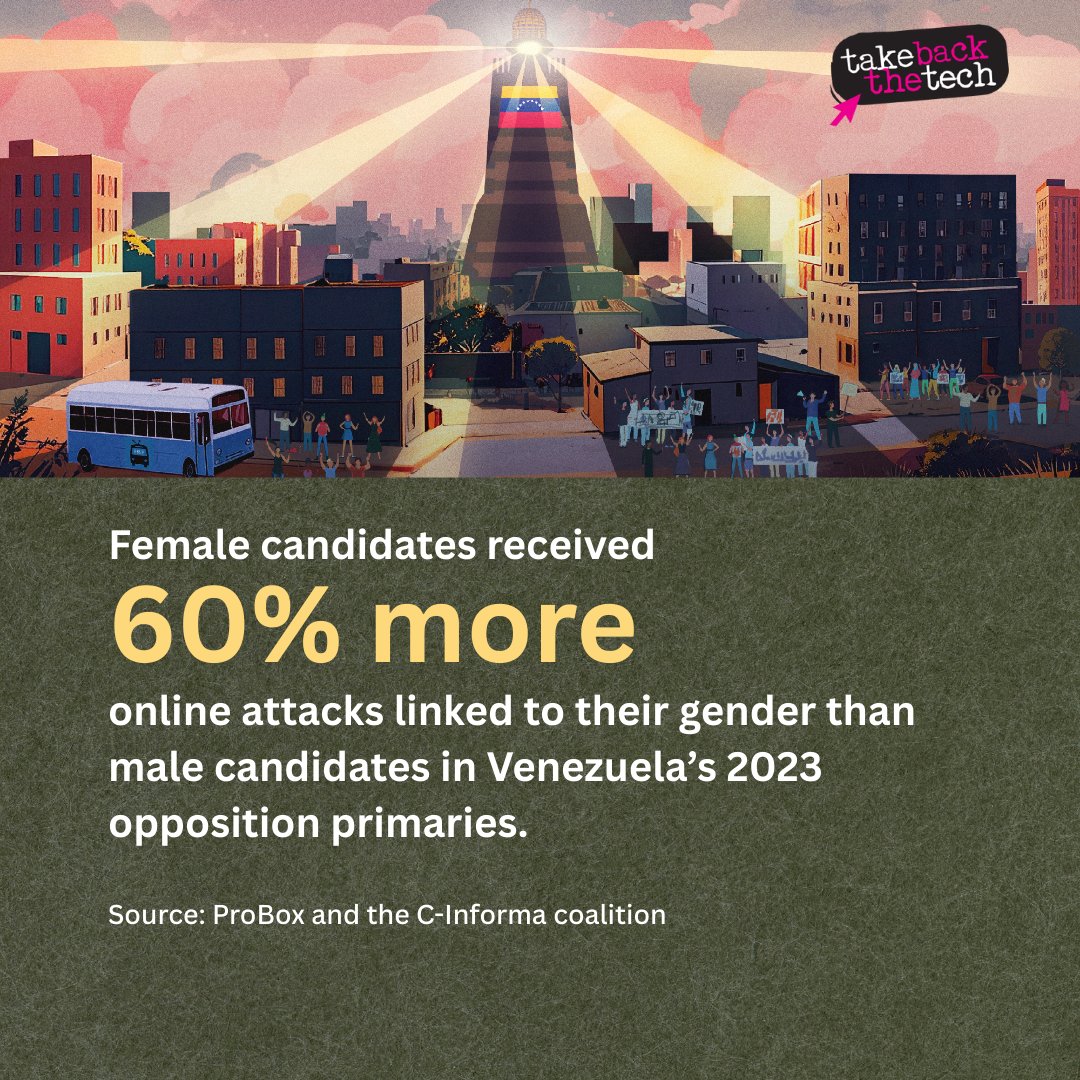
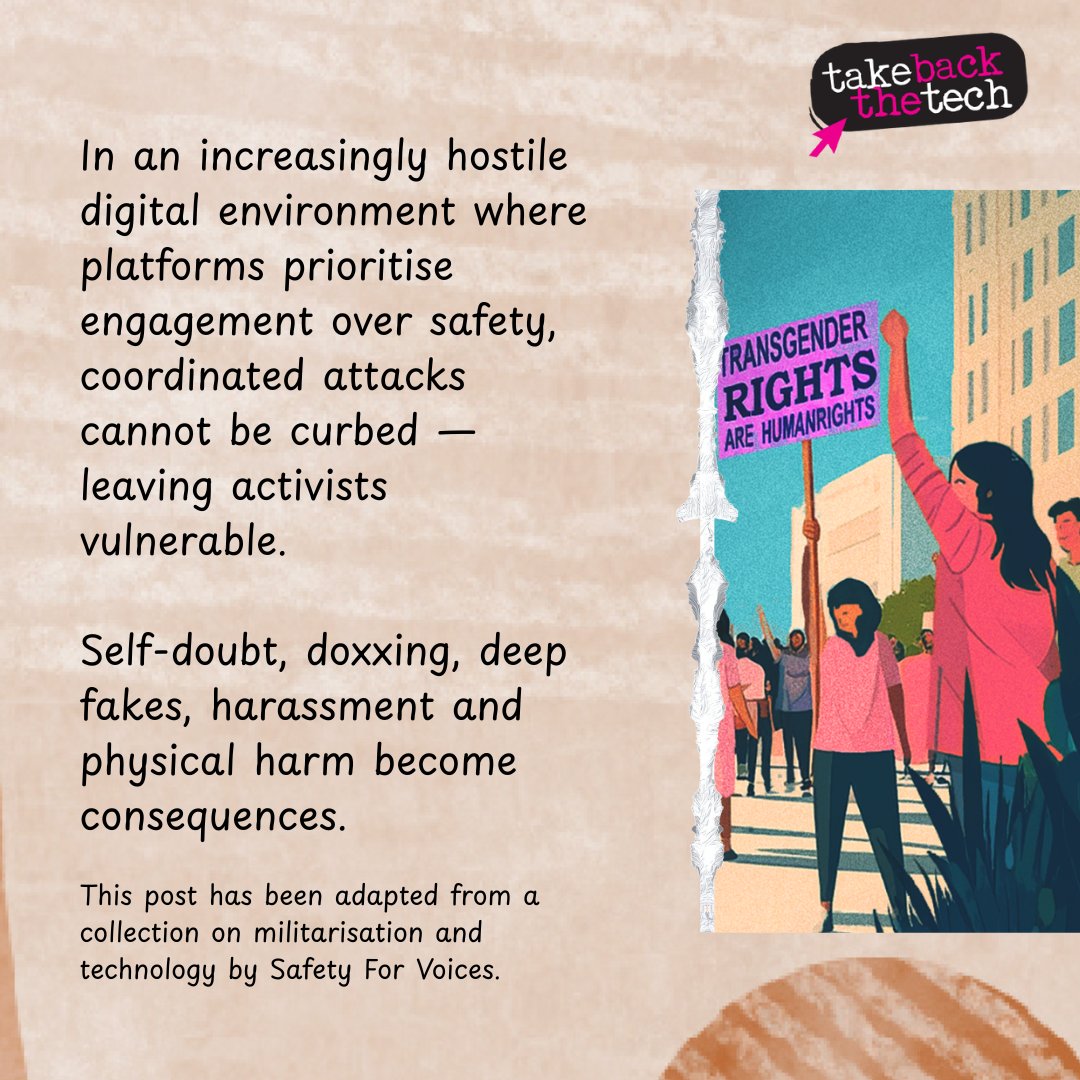
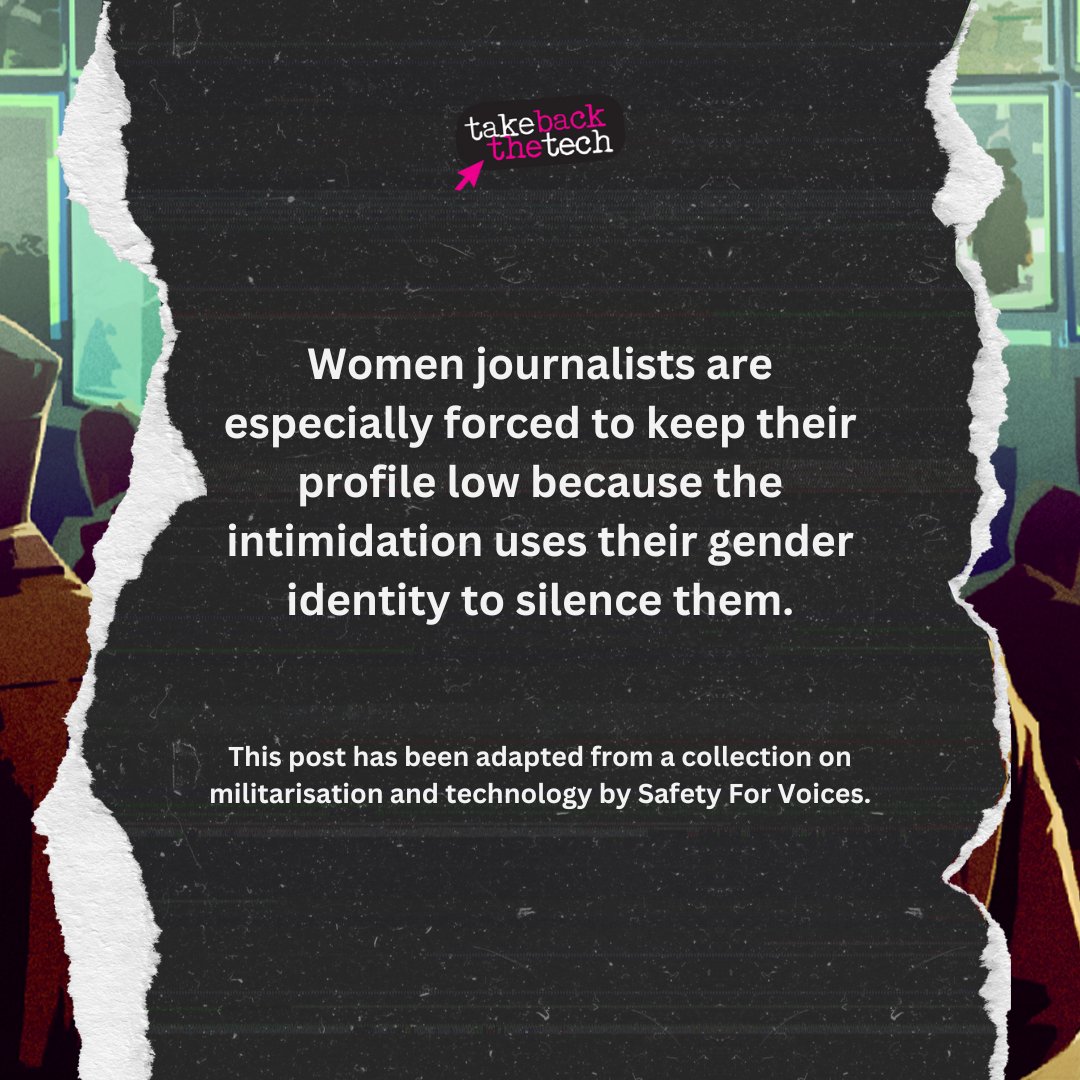
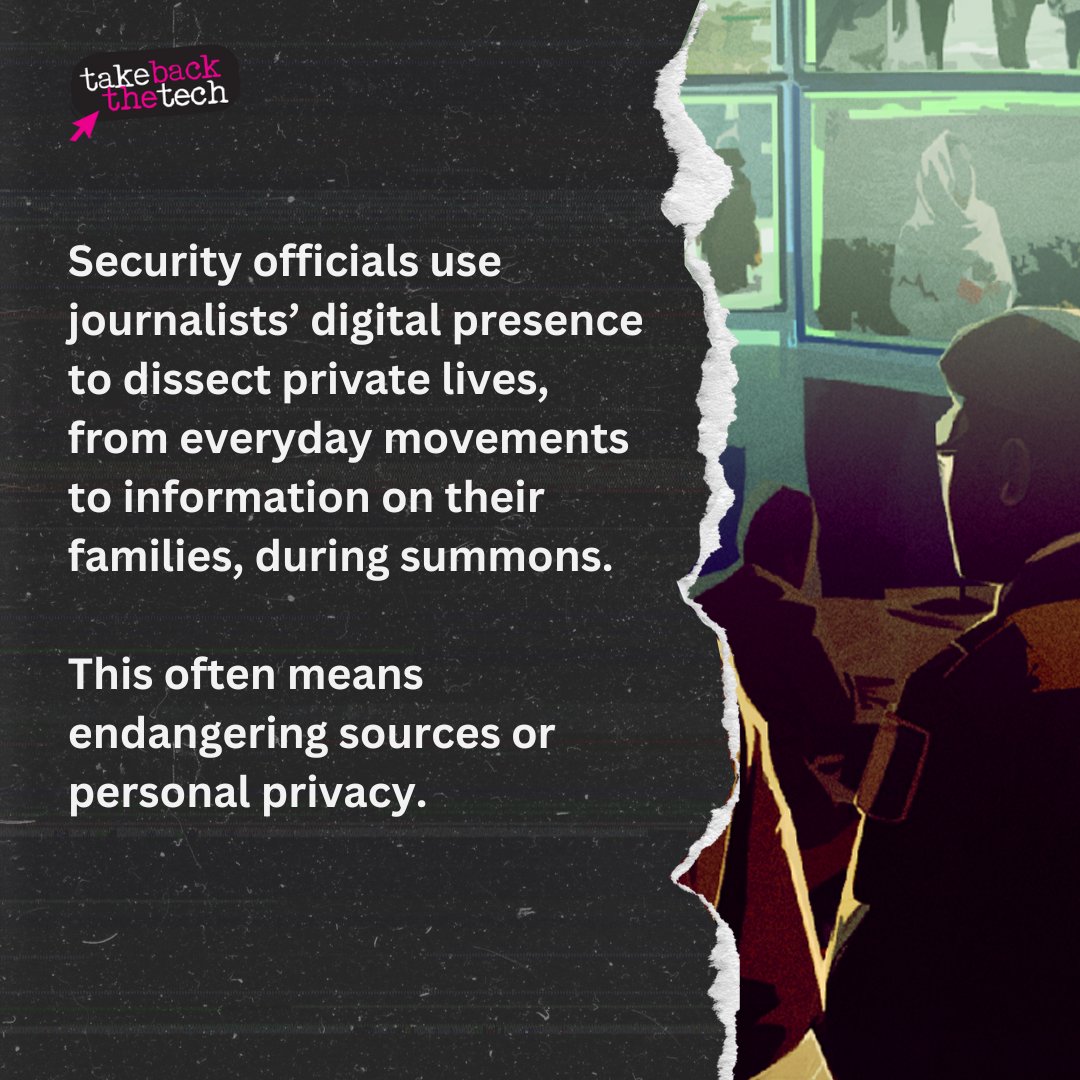
Women journalists and human rights defenders working in Lebanese frontlines face higher risks of cyber violence.
“The idea [behind repression] is to silence journalists [and] stop reporting on violations [or]corruption.” #NoTechForWar
Read @GenderITorg: https://t.co/ZPWSMImOPv
“I dream of a world where women human rights defenders have robust support [and] therapy is affordable. Where healing is a line item in every donor budget."
#WHRDVoices: Zipporah (Kenya) writes about burnout, and how sustainable activism must be rooted in rest. #TakeBackTechJoy
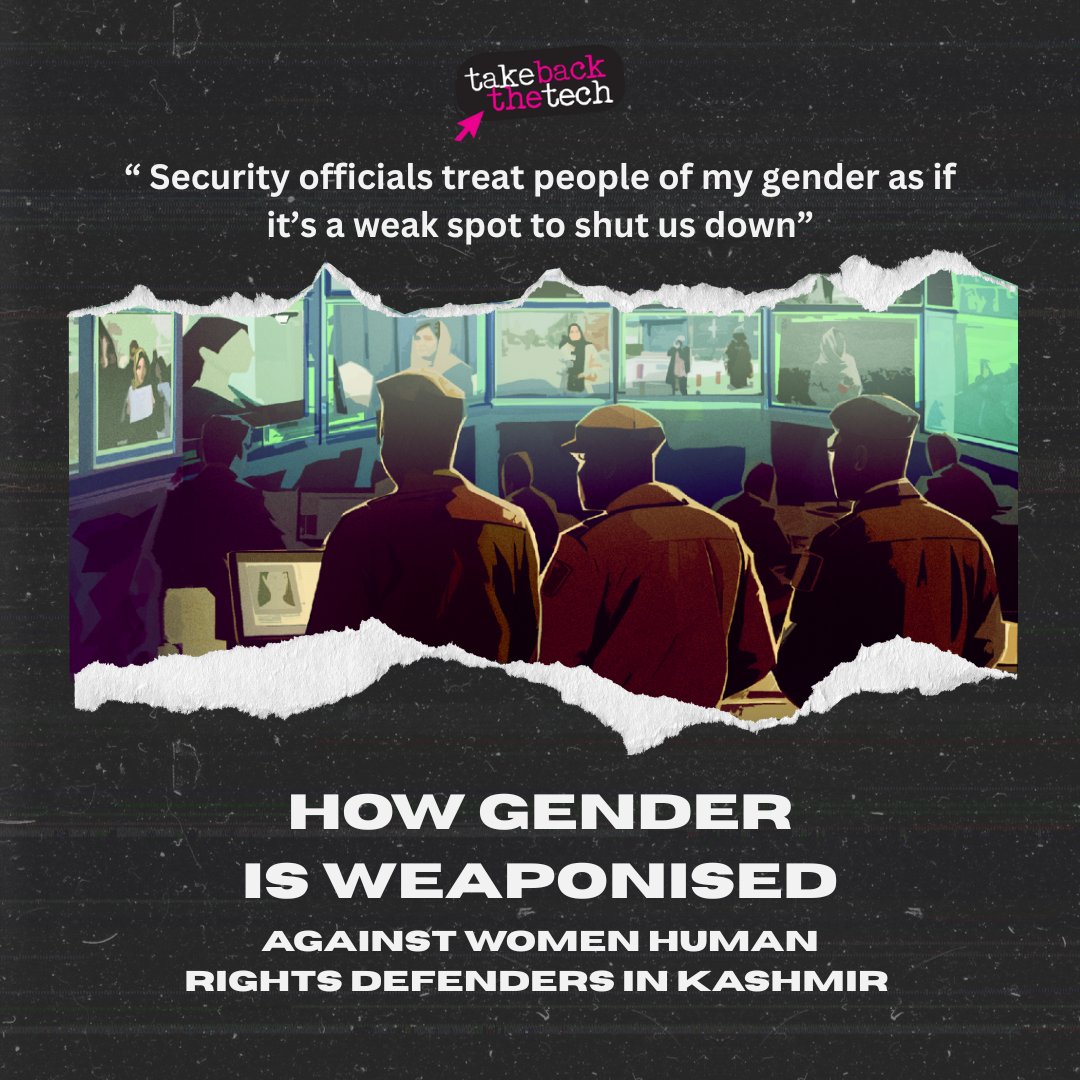
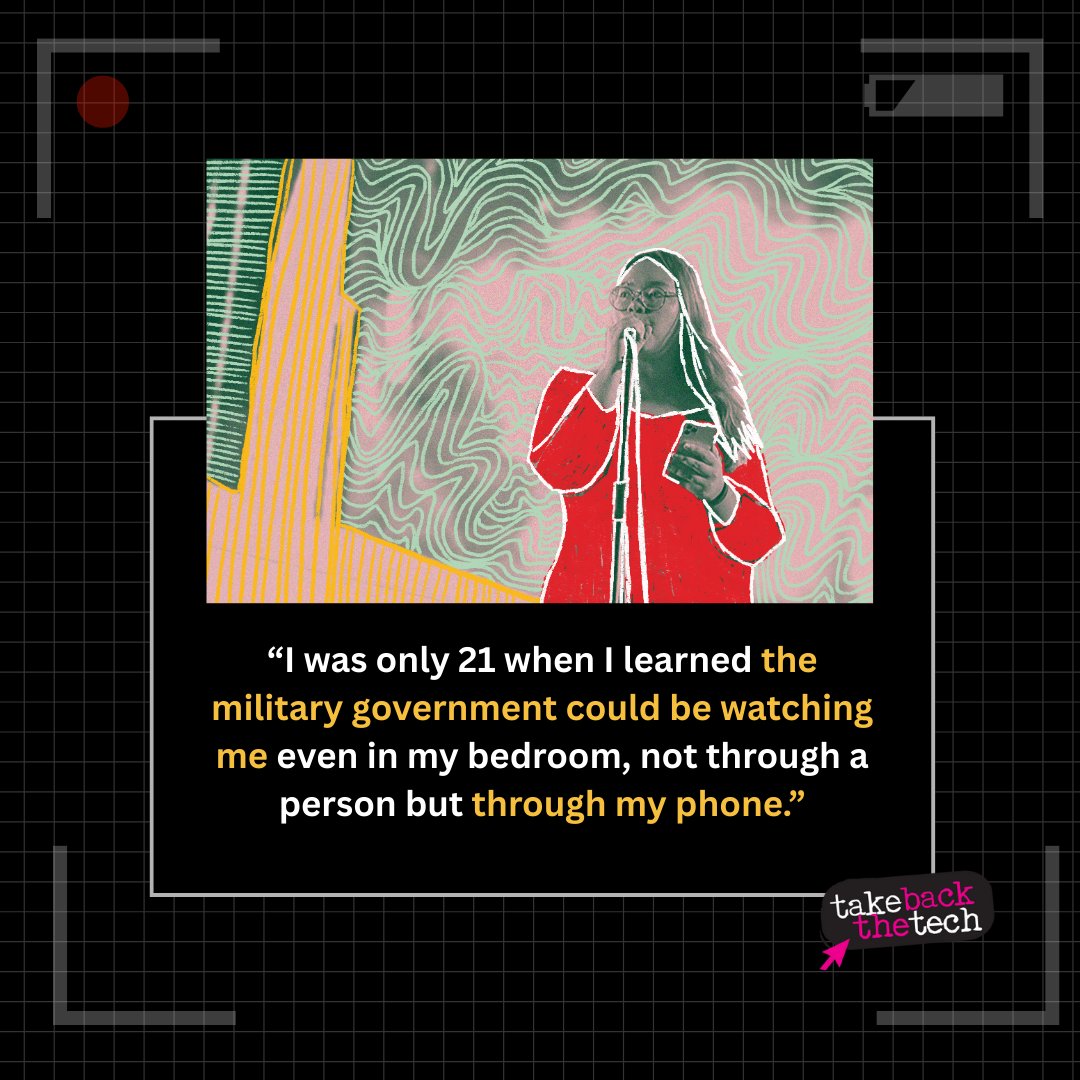
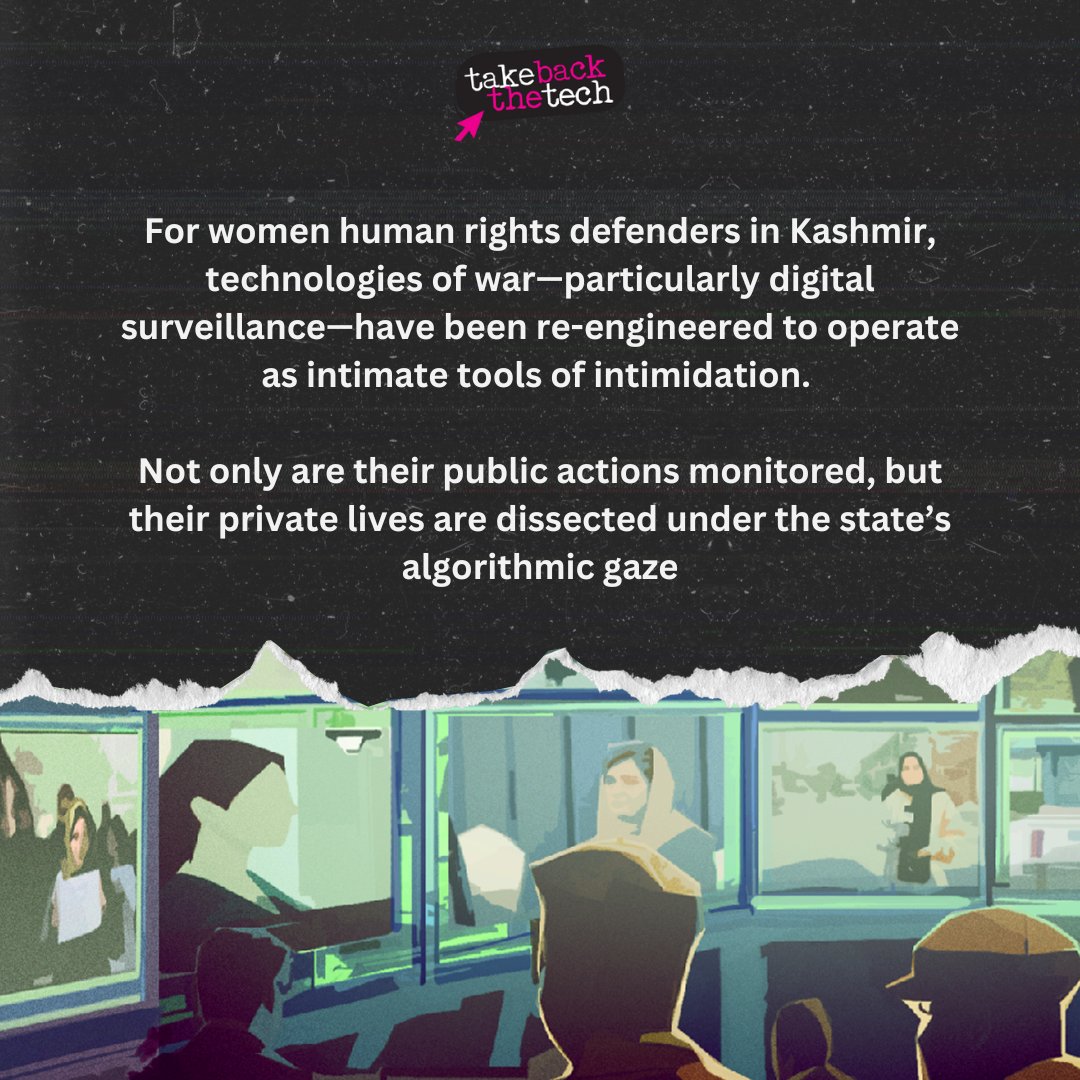
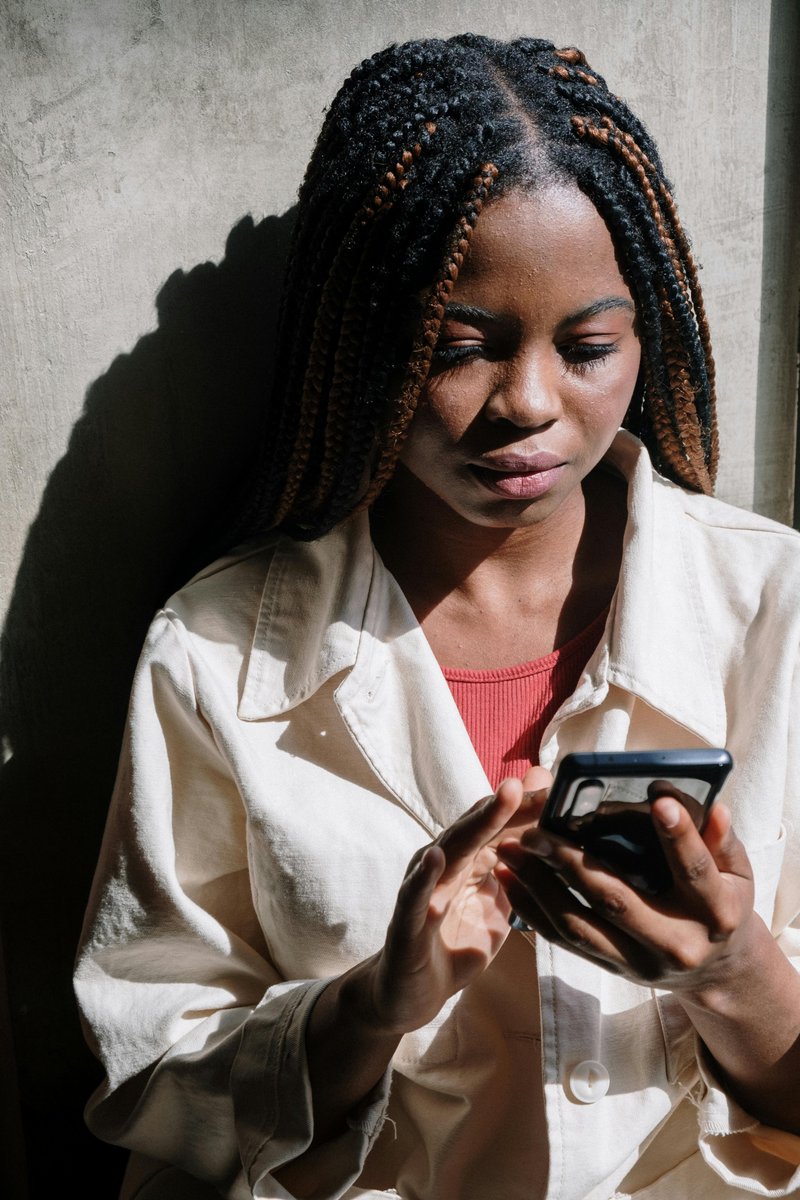
Digital surveillance in Kashmir acts as a character certificate — based on social media activities, journalism or human rights work, making its way into the files of the CID.
For women, the consequences (and harassment) are gendered. Read on @GenderITorg: https://t.co/vROiRNf0i8
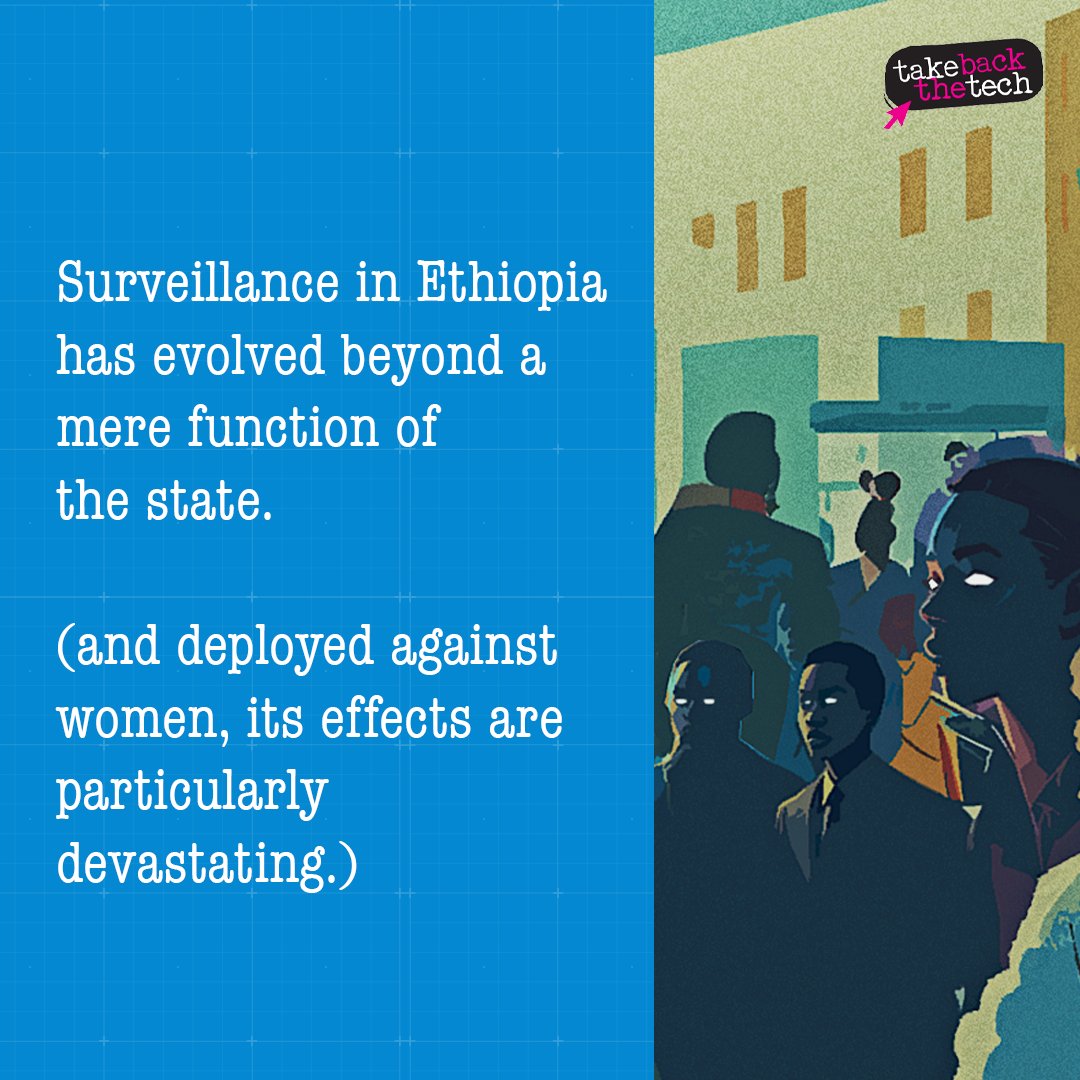
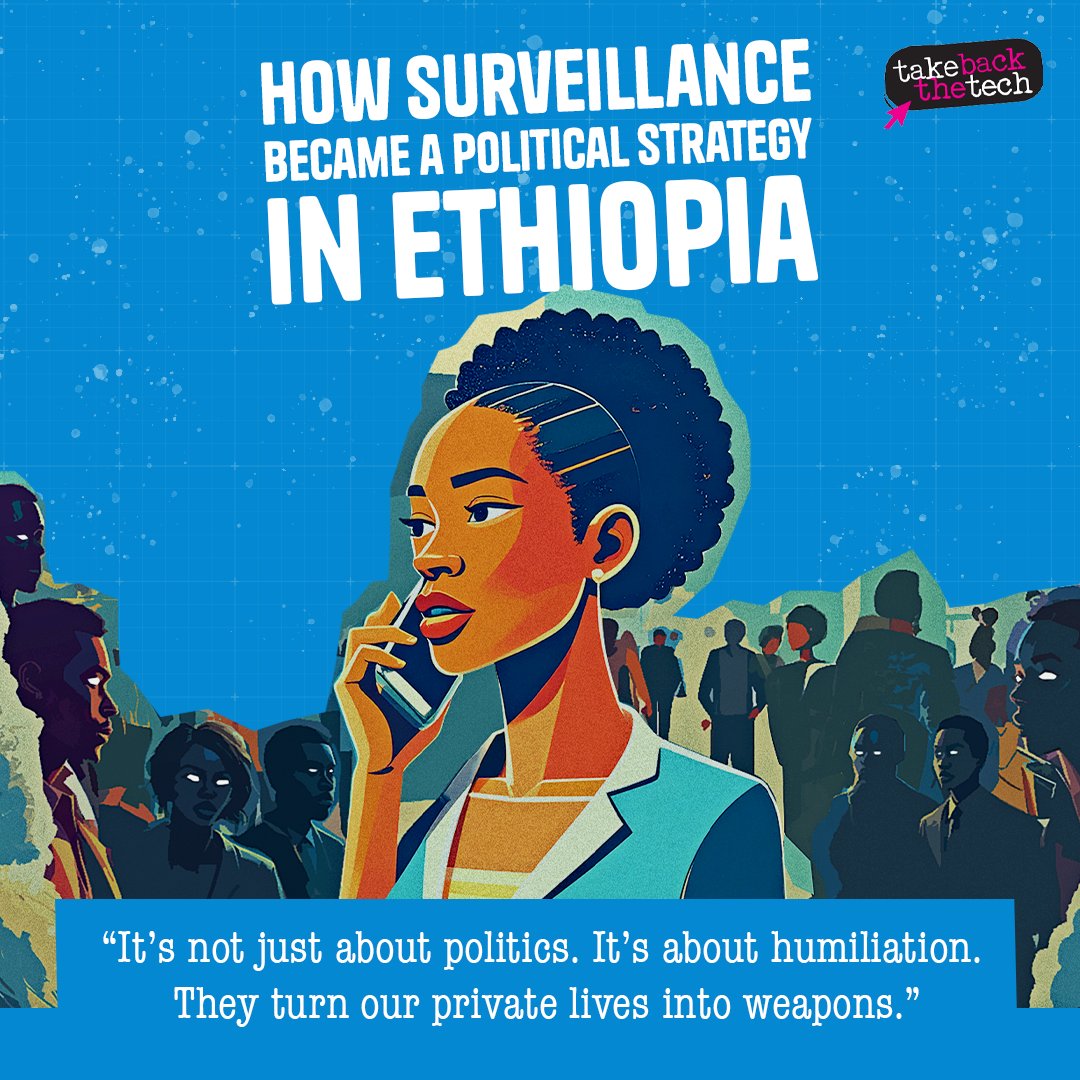
Personal phone calls, once assumed private, frequently surface on social media in Ethiopia.
These leaks rarely come from formal institutions. Instead, they’re disseminated by quasi-influencers and government-aligned digital actors.
Read @GenderITorg: https://t.co/Mafws82ezi










![takebackthetech's tweet photo. Women journalists and human rights defenders working in Lebanese frontlines face higher risks of cyber violence.
“The idea [behind repression] is to silence journalists [and] stop reporting on violations [or]corruption.” #NoTechForWar
Read @GenderITorg: https://t.co/ZPWSMImOPv https://t.co/7YvXvtTUXA](https://pbs.twimg.com/media/G6x_vKKa0AUy7xu.png)
![takebackthetech's tweet photo. Women journalists and human rights defenders working in Lebanese frontlines face higher risks of cyber violence.
“The idea [behind repression] is to silence journalists [and] stop reporting on violations [or]corruption.” #NoTechForWar
Read @GenderITorg: https://t.co/ZPWSMImOPv https://t.co/7YvXvtTUXA](https://pbs.twimg.com/media/G6x_vKJbEAAIrQE.jpg)
![takebackthetech's tweet photo. Women journalists and human rights defenders working in Lebanese frontlines face higher risks of cyber violence.
“The idea [behind repression] is to silence journalists [and] stop reporting on violations [or]corruption.” #NoTechForWar
Read @GenderITorg: https://t.co/ZPWSMImOPv https://t.co/7YvXvtTUXA](https://pbs.twimg.com/media/G6x_vKEa0AEXV9f.jpg)
![takebackthetech's tweet photo. “I dream of a world where women human rights defenders have robust support [and] therapy is affordable. Where healing is a line item in every donor budget."
#WHRDVoices: Zipporah (Kenya) writes about burnout, and how sustainable activism must be rooted in rest. #TakeBackTechJoy https://t.co/1YDOHe4jl7](https://pbs.twimg.com/media/G6qEGmxbMAASwz4.jpg)
![takebackthetech's tweet photo. “I dream of a world where women human rights defenders have robust support [and] therapy is affordable. Where healing is a line item in every donor budget."
#WHRDVoices: Zipporah (Kenya) writes about burnout, and how sustainable activism must be rooted in rest. #TakeBackTechJoy https://t.co/1YDOHe4jl7](https://pbs.twimg.com/media/G6qEGmsbwAIKReo.jpg)
![takebackthetech's tweet photo. “I dream of a world where women human rights defenders have robust support [and] therapy is affordable. Where healing is a line item in every donor budget."
#WHRDVoices: Zipporah (Kenya) writes about burnout, and how sustainable activism must be rooted in rest. #TakeBackTechJoy https://t.co/1YDOHe4jl7](https://pbs.twimg.com/media/G6qEGmebwAY0PoO.jpg)








![wougnet's tweet photo. Behind every online attack is a real person facing harm offline. From blackmail on dating apps to hacked websites targeting sex workers, TFGBV is not virtual—it’s visceral.
🔗 Learn more: [https://t.co/pcPwSABaSi]
#16Days #EndTFGBV #FeministInternet
#WRONetwork https://t.co/EniDUiE4BA](https://pbs.twimg.com/media/G604USaXcAACDn-.jpg)


![takebackthetech's tweet photo. Women journalists and human rights defenders working in Lebanese frontlines face higher risks of cyber violence.
“The idea [behind repression] is to silence journalists [and] stop reporting on violations [or]corruption.” #NoTechForWar
Read @GenderITorg: https://t.co/ZPWSMImOPv https://t.co/7YvXvtTUXA](https://pbs.twimg.com/media/G6x_vKOa0AEdmEg.jpg)
![takebackthetech's tweet photo. “I dream of a world where women human rights defenders have robust support [and] therapy is affordable. Where healing is a line item in every donor budget."
#WHRDVoices: Zipporah (Kenya) writes about burnout, and how sustainable activism must be rooted in rest. #TakeBackTechJoy https://t.co/1YDOHe4jl7](https://pbs.twimg.com/media/G6qEGm4aEAA7P8S.jpg)