As of March 11, 2026, this account is no longer active.
Please look for our content on the main NIH X accounts @NIH and @NIH_Innovates and follow along for the latest news and info from NIH!
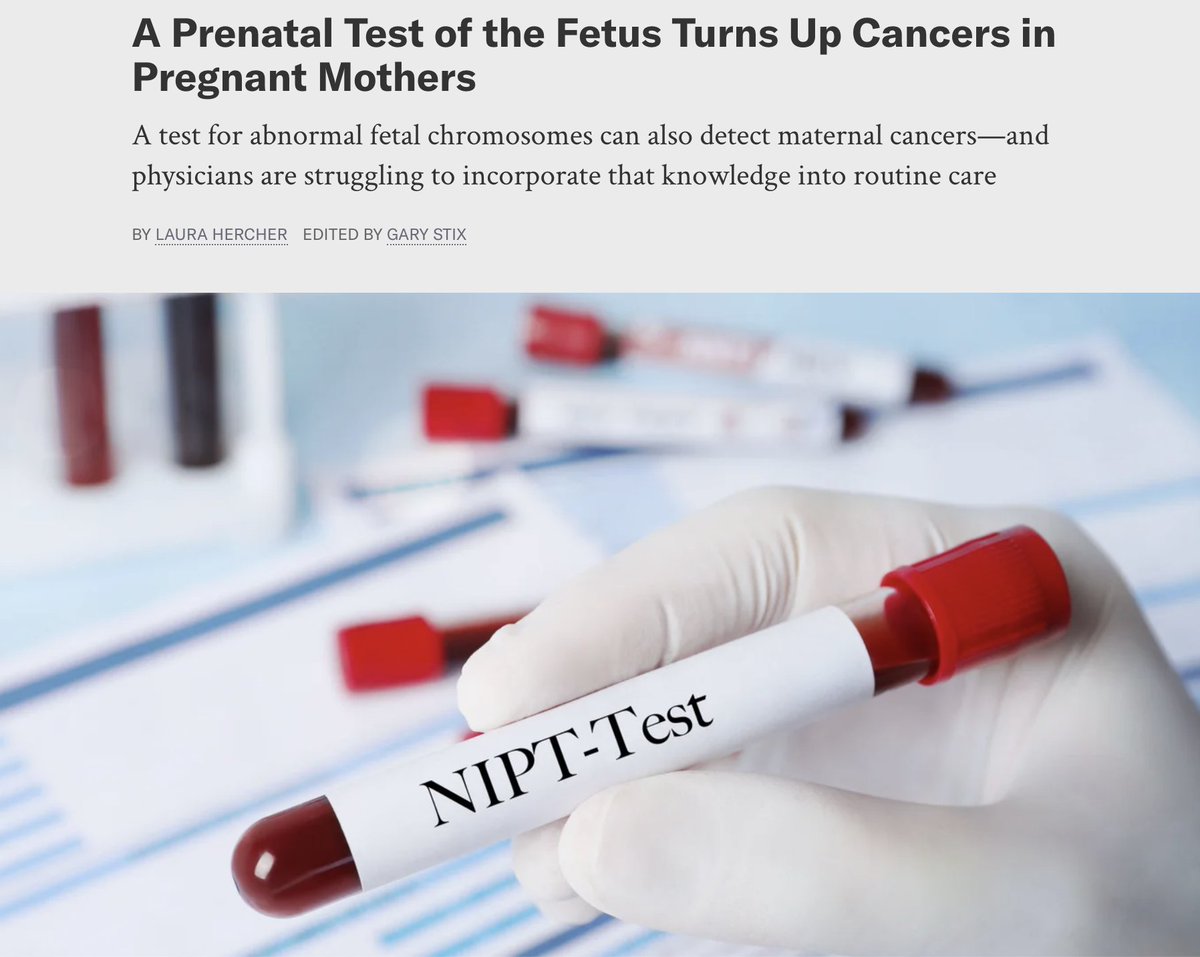
A new @sciam story highlights NIH intramural investigator Dr. Diana Bianchi and her research group called Incidental Detection of Maternal Neoplasia Through Non-invasive Cell-Free DNA Analysis (IDENTIFY). https://t.co/S3UbiwYKR0
IDENTIFY involves a series of follow-up medical tests, including a MRI scan of the whole body. The researchers also surveyed the participants to understand their experiences receiving the prenatal test results and how they made the decision to be screened for cancer.
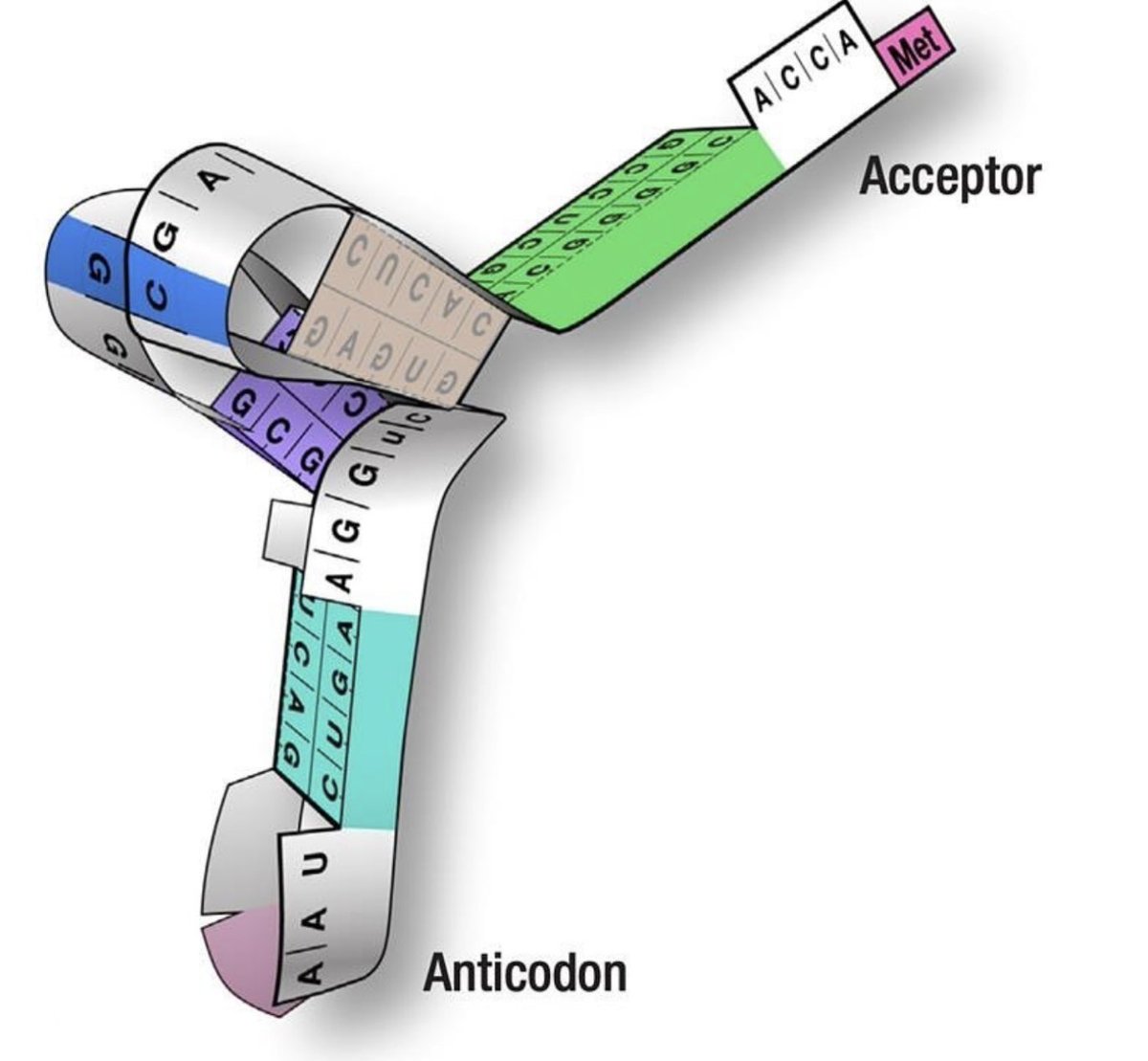
tRNAs are folded into a distinct L-shape that allows them carry out their key role in protein synthesis. Learn more about tRNA and its shape by creating your own paper model of it! Check out our instructions and printable paper for folding: https://t.co/uIMAfHgOCQ
Did you know that RNA can fold into different shapes? There are many different types of RNA, including Transfer RNAs (or tRNAs for short), that fold into different shapes to help them function and be stable!
Codominance refers to a type of inheritance where two versions of the same gene are expressed separately to yield different traits in an individual. Instead of one trait being dominant over the other, both traits appear, such as in a flower that has more than one pigment color!
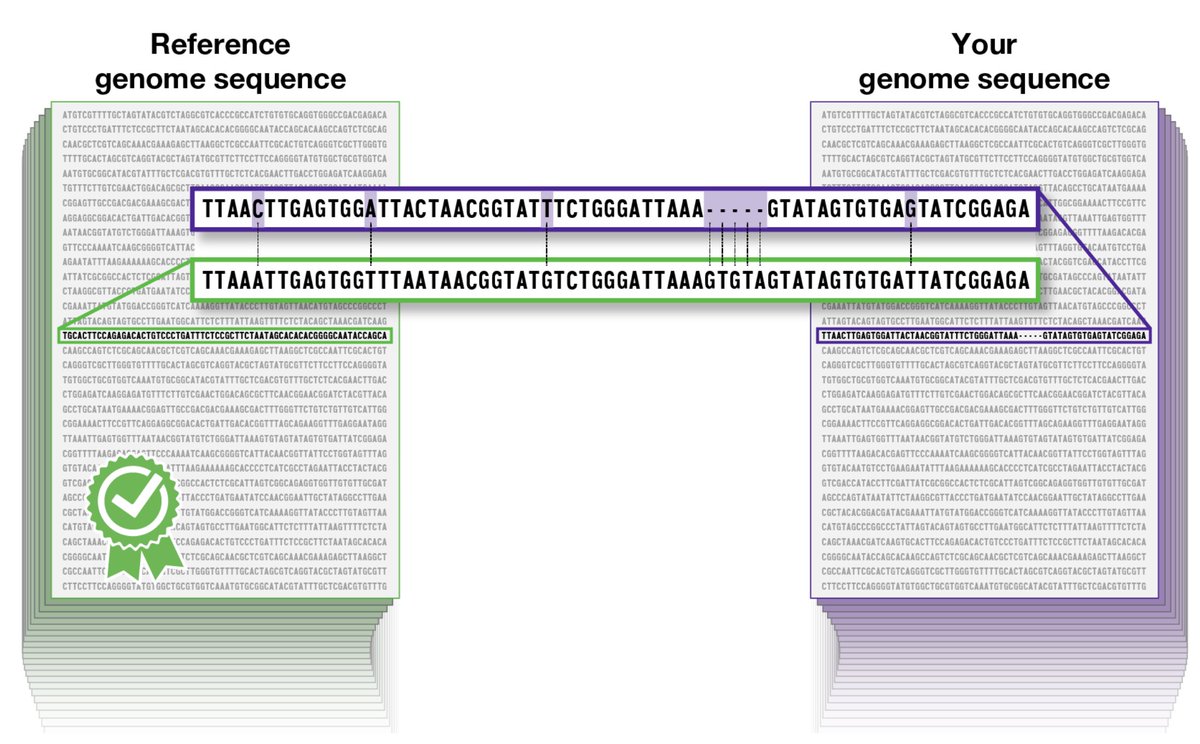
This reference can give comprehensive views of the differences in people’s DNA! Learn more in our human genome variation fact sheet: https://t.co/Gsg9MIYURr
Scientists use reference genomes as a guide to study humans and find genomic variants in the genome! A reference human genome sequence is an established, high-quality and well-accepted sequence of a human genome.
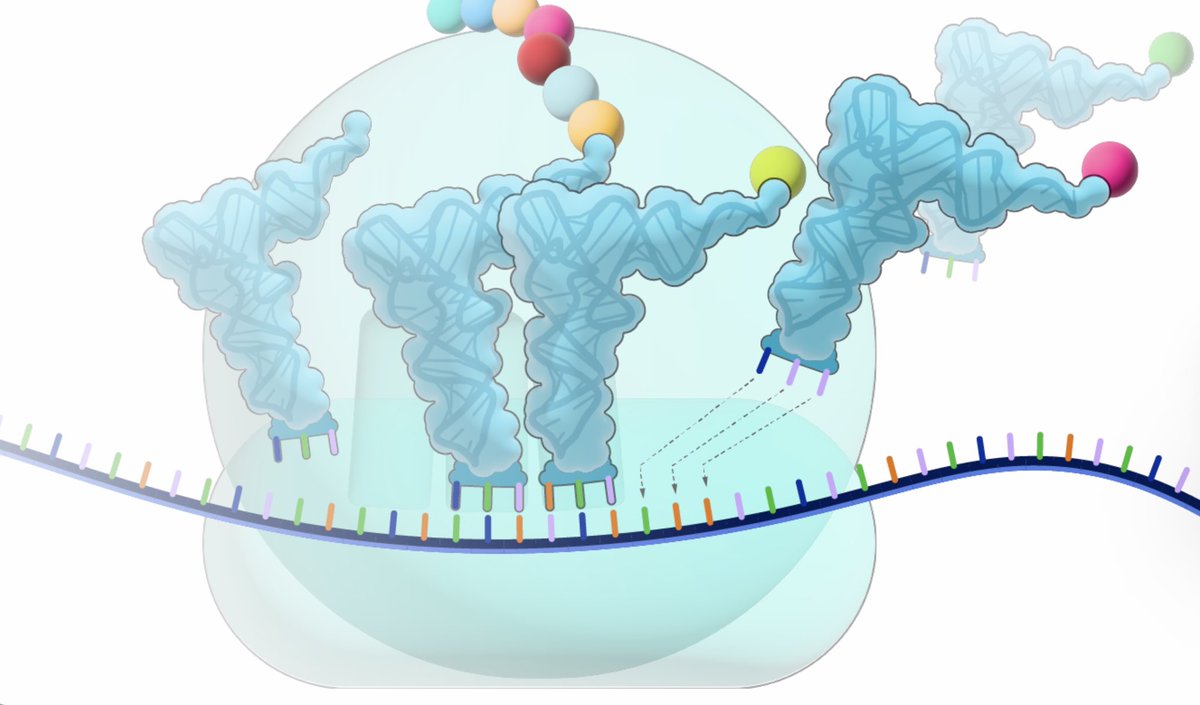
Transfer RNAs (called tRNAs for short) are small RNA molecules that play an important role in protein synthesis! Each tRNA corresponds to one of the 20 possible protein building blocks in humans called amino acids.
tRNAs are folded into a distinct L-shape that helps them carry out their function. One end of the tRNA has a specific sequence to match a codon on the mRNA, while the other end of the tRNA has a site to carry the amino acid that will be added to the new protein.
Researchers are still trying to understand what every gene in the human genome does on all levels. NHGRI’s MorPhiC program aims to address this problem by creating a resource of molecular and cellular phenotypes of null alleles of every human gene.