@SamdGreat01 Yes we can, but not in our time
It was ~ 17 hr 2.4 billions ya, 22.5 hr 260 millions ys, 24 hr today, and might be 30 hr billions of years to come.
This changes is due the Moon moving away from the Earth (3.8cm/yr) which slows down Earth rotation & increases day length.
My heart & prayers are with the people of Ibadan, Oyo state, who were affected by the unknown explosion that destroyed lives and properties.
To the governments and agencies investigating the cause of the explosion, I would urge you to use science & technology in conjunction with
Involving Atmospheric Scientists, Air Quality Experts, and Remote Sensing Analysts.
This interdisciplinary team would gather data from the scene, conduct laboratory analyses, and leverage their collective expertise to piece together a comprehensive picture of the event, ...
#AGU23
I'll be presenting a poster at AGU23 on 'Earth-Moon History and Astronomical Parameters: Constraints from the Permian and Proterozoic.’
If you're attending and would like to chat about the Earth-Moon history around ~269Ma(million years ago) and ~2.5Ga(billion years ago)
The length of day was approximately ~22.5 hrs in 269Ma and ~17 hrs in 2.5Ga, compared to today's ~24hrs.
The Earth-Moon distance was ~369,929km in 269Ma and ~318,905km in 2.5Ga, compared to today's ~382,680km.
The Moon is gradually drifting away at a rate of ~3.8cm/yr.
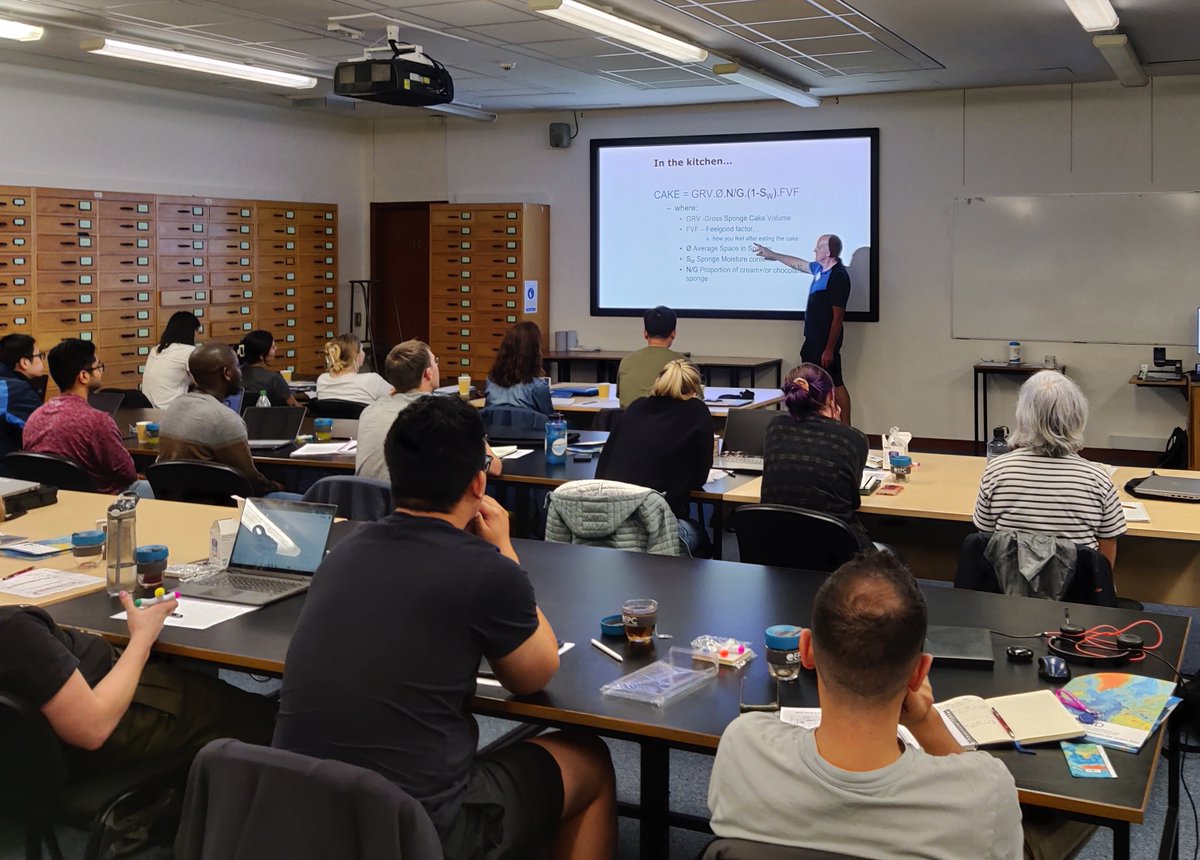
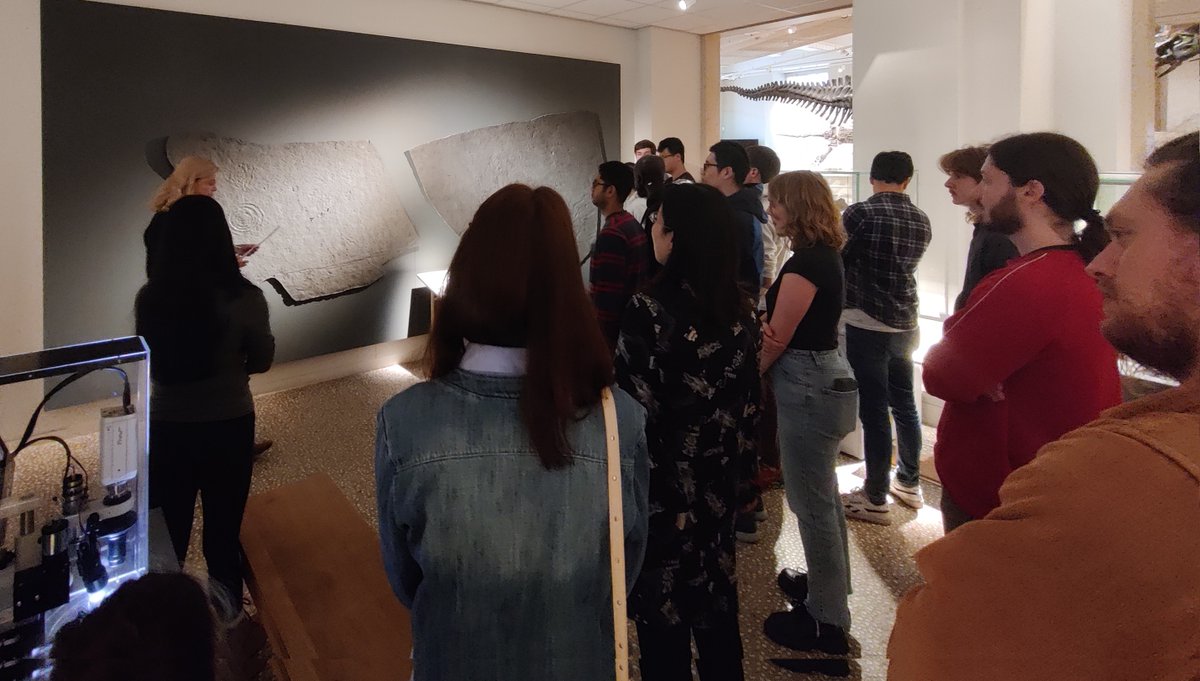
After two intense days of Petrophysics 101, we visited the geology exhibit in the Leicester Museum & Art Gallery @leicestermuseum yesterday and @BritGeoSurvey Core Store and @UKGeoenergy Core Scanning Facility. Thanks all for having us over!
#CycloCohort. Team from UW-Madison (Steve, the PI; Margriet, post doc; Ridwan, MS/PhD student) and Columbia State University (Yujing, Phd Student)
@CaballeroGill