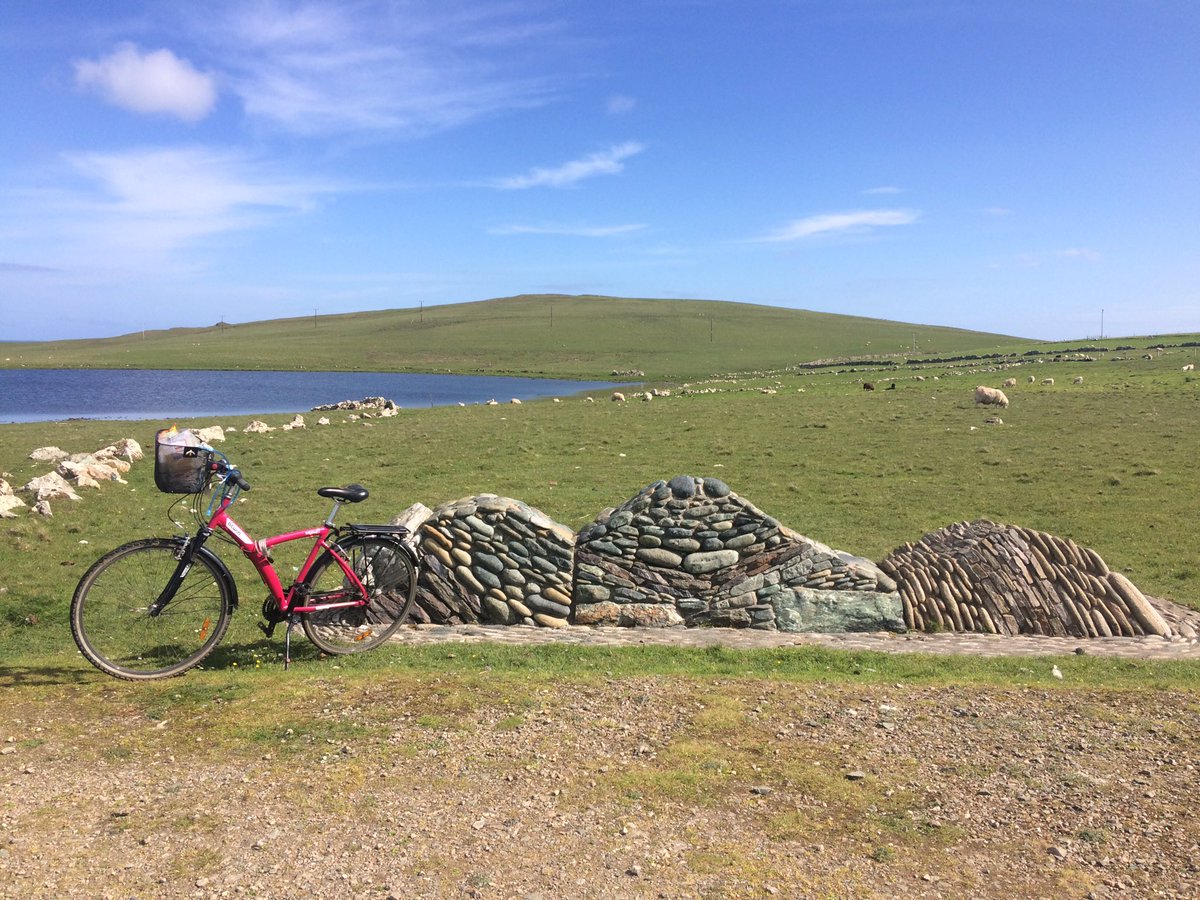
Ripple Rocks, Cunningsburgh: formed in shallow lakes when the wind created waves, which formed ripples in the sediment. Further sediment was laid down on top, which compacted over time and preserved these ripples.
Did you know that ALL of the #curling stones being used at the #pyeongchangOlympics2018 are made from granite mined from the tiny, uninhabited island of Ailsa Craig off the coast of Scotland? https://t.co/JfCmulXzng
Remains of a fish that died c. 390 million years ago and was buried in lake sediments, which now form part of our rich geology here in Shetland. @BritGeoSurvey@VisitScotland@PromoteShetland
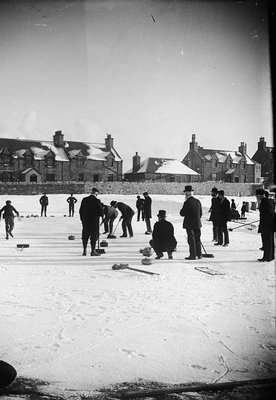
With @pyeongchang2018 underway, here's an example of winter geo-leisure from Shetland. This photo from c. 1890 shows gentlemen curling in Gilbertson Park. The stones may not have been quarried here but the sandstone bedrock was to create a perfect pond for this winter pursuit.